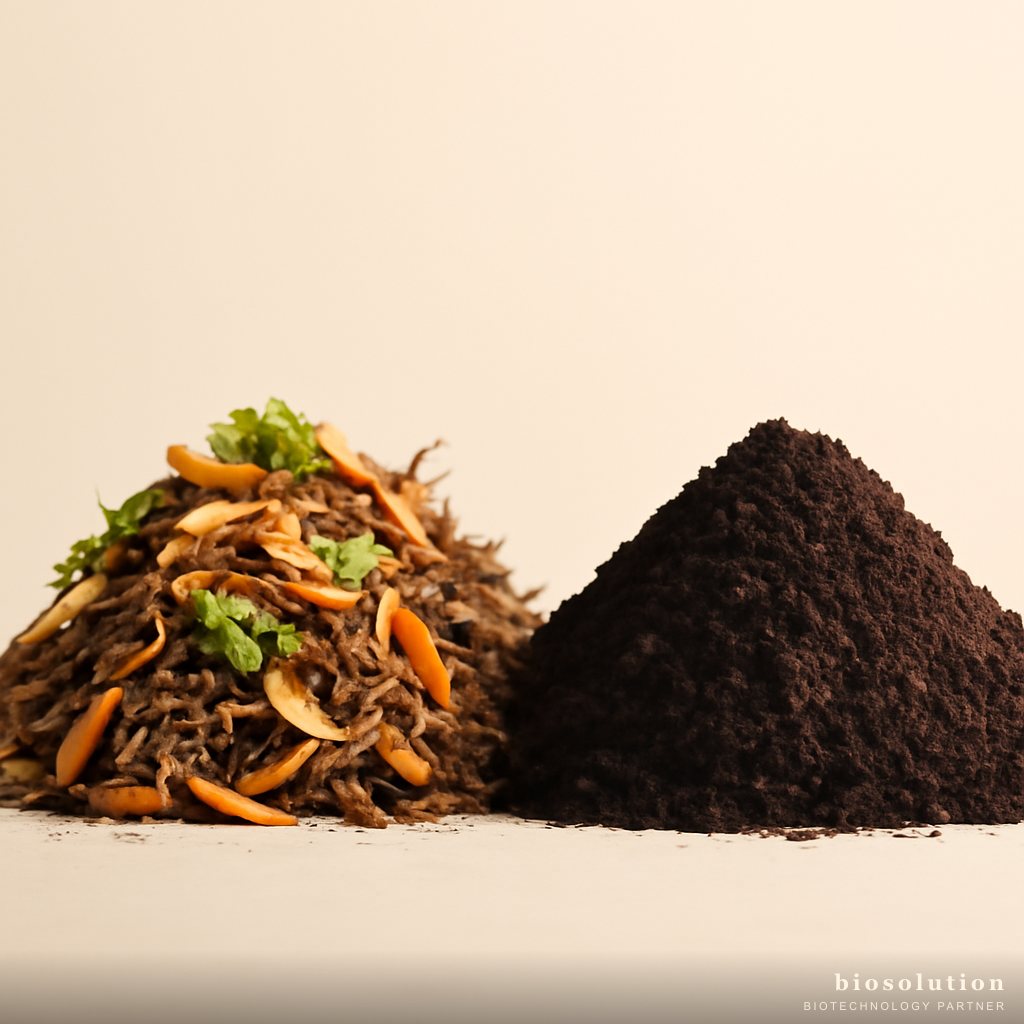
Overcoming Acidic Agricultural Soil: Microbial Strategies to Improve Tropical Soil Structure
Tropical acidic agricultural soil is a nightmare for farmers of marginal land. Low pH, high aluminum saturation, and minimal organic matter often cause chemical fertilizers to fail in delivering optimal results. However, there is a different biological approach: overcoming acidic agricultural soil with superior microbes. Through three soil structure improvement formulas, Biosolution presents science-based solutions that not only improve pH but also naturally rebuild the soil ecosystem.
Why Are Chemical Fertilizers Alone Not Enough for Acidic Soil?
Chemical fertilizers like urea or NPK indeed provide nutrients quickly, but in acidic soil, their effectiveness is very limited. At pH below 5.5, phosphorus (P) is bound by aluminum and iron into forms unavailable to plants. Potassium (K) is also easily leached. Worse, chemical fertilizers are acidic and actually worsen acidic soil conditions in the long term.
Tropical acidic agricultural soil typically has low Cation Exchange Capacity (CEC), so nutrients are easily lost. The soil structure is dense, porosity is poor, and natural microbial activity is inhibited. This is where microbes play a role: they not only provide nutrients but also improve the physical and chemical properties of the soil sustainably.
Mechanisms of Microbes in Improving Acidic Soil
Certain microbes have unique abilities to overcome acidic soil. Here are three key strains in Biosolution's Soil Structure Improvement Formula:
Azotobacter sp. – Nitrogen Fixer and EPS Producer
Azotobacter sp. is a non-symbiotic nitrogen-fixing bacterium capable of fixing N₂ from the air into ammonia available to plants. More importantly, this bacterium produces Exopolysaccharides (EPS) that act as binders for soil particles. EPS forms stable soil aggregates, improves porosity, and enhances drainage. In acidic soil, EPS also helps bind toxic aluminum ions, reducing their phytotoxicity.
Azospirillum sp. – N₂ Fixer and Root Stimulant
Azospirillum sp., in addition to fixing nitrogen, produces phytohormones such as auxins and gibberellins that stimulate root growth. Longer and more branched roots can reach more nutrients and water. In acidic soil, strong root systems increase plant resistance to aluminum stress.
Bacillus megaterium – Phosphate and Potassium Solubilizer
Bacillus megaterium is an effective phosphate and potassium solubilizer. This bacterium produces organic acids that dissolve phosphate-aluminum and phosphate-iron bonds, releasing available P. It also releases potassium from soil minerals. In acidic soil, this ability is vital because P and K availability is very low.
3 Soil Structure Improvement Formulas: Application and Benefits
The Soil Structure Improvement Formula product is specifically designed for marginal land. Here are the application methods and benefits:
Application Method
- Method: Drench or spray onto soil during tillage.
- Dosage: 10 ml per liter of water.
- Frequency: Every 30 days, 3 times per season.
- Timing: Early rainy season or after soil tillage.
Main Benefits
- Improves soil structure and porosity: Soil aggregates form, aeration increases.
- Increases water holding capacity: Soil can store more water, reducing irrigation frequency.
- Improves CEC and nutrient availability: Microbes increase natural CEC, nutrients are not easily leached.
- Increases productivity of marginal land: Crop yields increase significantly even in acidic soil.
Case Study: Success in Tropical Marginal Land
Research on ultisol soil (typical acidic soil in Indonesia) showed that application of a microbial consortium like in this formula could raise soil pH from 4.5 to 5.8 within one growing season. Available P content increased by 200%, and corn yields increased by 40% compared to chemical fertilizer controls. Similar studies at IRRI (International Rice Research Institute) also confirmed that Azospirillum and Bacillus are effective in improving acidic paddy soil (source: IRRI Knowledge Bank).
Comparison with Conventional Methods
Liming indeed raises pH, but its effect is temporary and requires high costs. Chemical fertilizers provide quick nutrients but damage soil in the long term. In contrast, the microbial approach works holistically: improving soil structure, enhancing biological activity, and providing nutrients gradually. This is a sustainable solution for overcoming acidic agricultural soil.
FAQ
How long does the effect of soil structure improvement with microbes last?
The effect of soil structure improvement is cumulative. After 3-4 routine applications, stable soil aggregates form and the effect can last up to the next growing season. However, for very acidic land, reapplication every season is recommended.
Is this product safe for food crops?
Very safe. All microbial strains used are non-pathogenic and have been biologically tested. This product is free from harmful chemicals, making it suitable for both organic and conventional farming.
Can it be combined with chemical fertilizers?
Yes. Combination with low-dose chemical fertilizers is actually optimal. Microbes help nutrient uptake efficiency, so chemical fertilizer doses can be reduced by 30-50%.
When is the best time for application?
Early rainy season or after soil tillage is ideal. Moist conditions and warm temperatures support microbial activity. Avoid application during waterlogged or extreme drought conditions.
Is this product suitable for all types of acidic soil?
Yes, especially for ultisol, oxisol, and peatland. However, highest effectiveness is achieved in soils with low to moderate organic matter content.
Conclusion
Overcoming acidic agricultural soil is not an instant task, but with the right biological approach, long-term results can be achieved. Biosolution's Soil Structure Improvement Formula offers three superior microbes that work synergistically to improve structure, increase nutrient availability, and boost productivity of marginal land. For maximum results, combine with Liquid 5-in-1 Biofertilizer Formula as a complementary nutrient.
Consult your land needs with Biosolution's expert team via WhatsApp. Together, let's realize sustainable tropical agriculture.