Overcoming Vibriosis in Intensive Vaname Shrimp Ponds: Causes, Losses, and the Right Solution
Vibriosis in intensive vaname shrimp ponds is the most feared scourge among shrimp farmers in Indonesia. This disease, caused by Vibrio spp. bacteria, can trigger mass mortality of up to 80-100% in a short time, especially in intensive farming systems with high stocking densities. Without prompt and proper handling, economic losses can reach tens of millions of rupiah per cycle. This article will discuss in depth the causes, impact of losses, and effective vibriosis control strategies, including the use of anti-Vibrio probiotics as an emergency solution.
Understanding Vibriosis in Vaname Shrimp
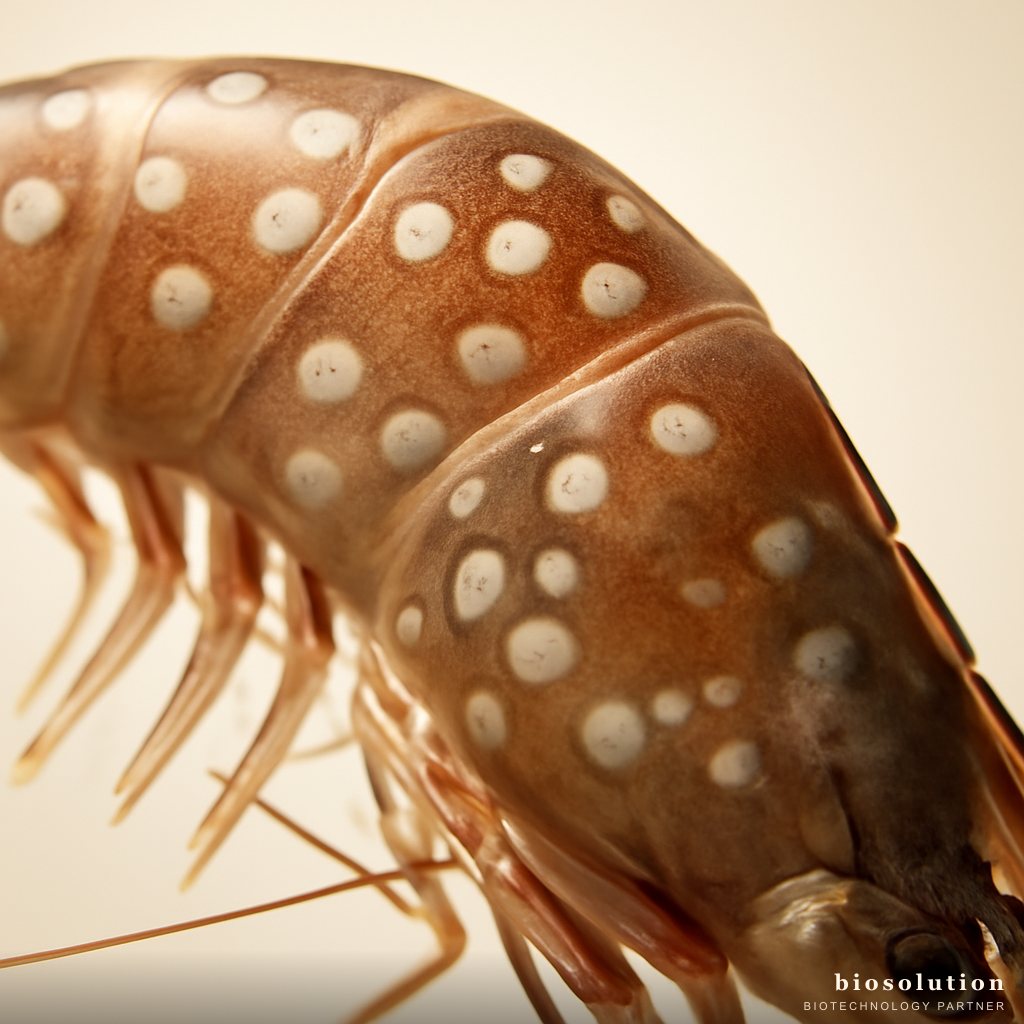
Vibriosis is a bacterial infection caused by the genus Vibrio, primarily Vibrio harveyi, Vibrio parahaemolyticus, and Vibrio alginolyticus. These bacteria are opportunistic and can become pathogenic when pond environmental conditions are suboptimal. In vaname shrimp, vibriosis attacks various organs such as the hepatopancreas, hemolymph, and digestive tract, causing clinical symptoms including red spots on the body, reddish tail and legs, decreased appetite, and erratic swimming. In acute cases, shrimp die suddenly without clear symptoms.
Triggering Factors for Vibriosis in Intensive Ponds
Several main factors trigger Vibrio population explosions in intensive ponds include:
- Accumulation of organic matter from leftover feed and feces, which serves as a growth medium for Vibrio.
- Poor water quality such as high ammonia and nitrite levels, low oxygen, and fluctuating pH.
- Stress in shrimp due to high stocking density, excessive handling, or sudden temperature changes.
- Inflow of seawater contaminated with pathogenic Vibrio.
- Excessive use of antibiotics, which actually triggers resistance and kills beneficial bacteria.
Impact of Losses from Vibriosis in Intensive Ponds
Losses due to vibriosis are not limited to shrimp mortality. Here are the detailed impacts that farmers must bear:
High Mortality and Crop Failure
In acute attacks, mortality rates can reach 80-100% within 3-7 days. Surviving shrimp often experience slow growth and low market value due to physical deformities or size variation.
Decreased Productivity
Shrimp infected with Vibrio experience digestive and nutrient absorption disorders, causing the feed conversion ratio (FCR) to increase. Feed costs become higher while harvest yields drop drastically.
Treatment and Recovery Costs
Farmers must incur additional costs for purchasing probiotics, disinfectants, or antibiotics. If not handled, ponds must be dried and sterilized, leading to longer downtime.
Environmental and Sustainability Impact
Uncontrolled use of antibiotics can pollute the environment and trigger bacterial resistance. This threatens the sustainability of shrimp farming in the future.
Effective Vibriosis Control Strategies
Vibriosis control must be integrated, covering pond management, prevention, and emergency response. Here are the recommended steps:
1. Water Quality Management
Maintain optimal water parameters: temperature 28-32°C, salinity 15-25 ppt, pH 7.5-8.5, dissolved oxygen >4 ppm, and ammonia <0.1 ppm. Perform regular water circulation and use adequate aeration to reduce organic matter accumulation.
2. Routine Probiotic Application
Probiotics such as Bacillus subtilis and Bacillus licheniformis can suppress Vibrio populations through nutrient competition, production of antibacterial compounds, and shrimp immune stimulation. Routine use of probiotics maintains microbial balance in the pond.
3. Early Detection and Monitoring
Conduct regular testing of Vibrio populations in water and shrimp samples using selective TCBS media. If Vibrio counts reach >10³ CFU/mL, take immediate preventive action.
4. Emergency Treatment with Anti-Vibrio Formula
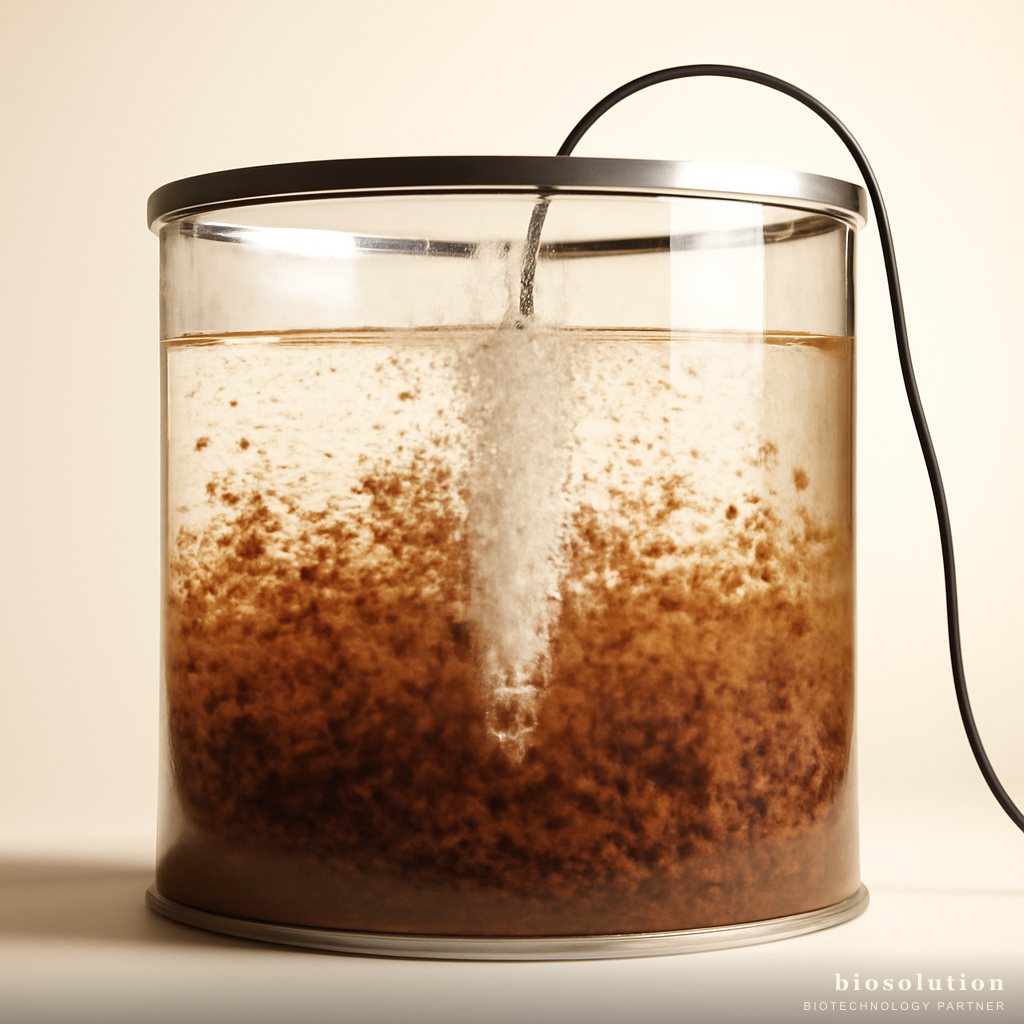
When a vibriosis outbreak occurs, fast and effective action is needed. The Emergency Anti-Vibrio Formula for Vaname Shrimp Ponds from Biosolution is an emergency solution specifically formulated to rapidly suppress Vibrio populations. This product contains Bacillus subtilis (10x higher concentration) and Bacillus licheniformis, which work synergistically to produce antibiotic compounds and enzymes that degrade Vibrio biofilms.
Application Method:
- Dosage: 10 liters per hectare as a shock treatment.
- Method: Directly broadcast into the pond in the morning.
- Frequency: Single application; repeat after 48 hours if conditions have not improved.
The advantage of this product is its ability to rapidly knock down Vibrio, prevent mass mortality, and accelerate shrimp recovery. With an emergency grade, this product is a mainstay during critical conditions.
The Role of Probiotics in Overcoming Vibriosis
Probiotics are safe and effective biological agents for controlling vibriosis. The mechanisms of probiotic action include:
Competitive Exclusion
Probiotic bacteria such as Bacillus spp. compete with Vibrio for nutrients and space. With a dominant probiotic population, Vibrio cannot proliferate.
Production of Antimicrobial Compounds
Bacillus subtilis and Bacillus licheniformis produce antimicrobial peptides such as surfactin, iturin, and fengycin that can directly kill Vibrio.
Biofilm Degradation
Vibrio forms biofilms to protect itself from the environment. Enzymes produced by probiotics can degrade biofilms, making Vibrio more vulnerable.
Shrimp Immune Stimulation
Probiotics enhance shrimp non-specific immune responses, such as phagocytosis activity and antioxidant enzyme production, making shrimp more resistant to infection.
Case Study: Success of Anti-Vibrio Formula Use
Several intensive vaname shrimp farmers in East Java and Lampung have experienced the benefits of using the Anti-Vibrio Pond Formula. In one report, after application at a dose of 10 L/ha, Vibrio populations dropped from 1.2×10⁴ CFU/mL to <10² CFU/mL within 24 hours. Shrimp mortality rates, previously reaching 15% per day, stopped completely, and shrimp resumed active feeding within 2 days.
For optimal results, it is also recommended to routinely use the Vaname Shrimp Pond Probiotic Formula as a preventive measure. The combination of routine probiotics and emergency formula provides comprehensive protection.
Conclusion
Vibriosis in intensive vaname shrimp ponds is a serious threat that requires prompt and proper handling. By understanding the causes, impact of losses, and effective control strategies, farmers can minimize risks. The use of anti-Vibrio probiotics such as the Emergency Anti-Vibrio Formula for Vaname Shrimp Ponds from Biosolution is a reliable emergency solution to save harvests. For further consultation on dosage and application, contact our technical team via WhatsApp. Protect your pond from vibriosis now!
FAQ
1. What are the main causes of vibriosis in vaname shrimp?
The main cause of vibriosis is infection by Vibrio harveyi, V. parahaemolyticus, and V. alginolyticus bacteria. Triggering factors include organic matter accumulation, poor water quality, shrimp stress, and inflow of contaminated seawater. Intensive pond conditions with high density accelerate bacterial spread.
2. How to detect vibriosis in vaname shrimp?
Early detection can be done by observing clinical symptoms such as red spots on the body, reddish tail, decreased appetite, and abnormal swimming. Laboratory confirmation through bacterial culture on TCBS media or PCR testing is more accurate. Routine monitoring of Vibrio populations in pond water is highly recommended.
3. Is the Anti-Vibrio Pond Formula safe for shrimp and the environment?
Yes, this product is safe because it uses non-pathogenic probiotic bacteria that have been tested. Bacillus subtilis and Bacillus licheniformis do not produce harmful toxins and leave no residue. Use according to dosage does not disrupt the pond ecosystem and is environmentally friendly.
4. How long does it take to see results after applying the Anti-Vibrio Formula?
Generally, a decrease in Vibrio populations is observed within 24-48 hours after application. Shrimp mortality rates will drop drastically, and shrimp appetite returns to normal within 2-3 days. If conditions have not improved, reapplication can be done after 48 hours.
5. Can the Anti-Vibrio Formula be used together with routine probiotics?
Absolutely. The Anti-Vibrio Formula is used as an emergency treatment during outbreaks, while routine probiotics are used for prevention. After conditions stabilize, it is recommended to resume regular use of the Vaname Shrimp Pond Probiotic Formula to maintain microbial balance.