POC to Stimulate Off-Season Mango Flowering: A Guide to Choosing the Best Biofertilizer Based on Science and Certification
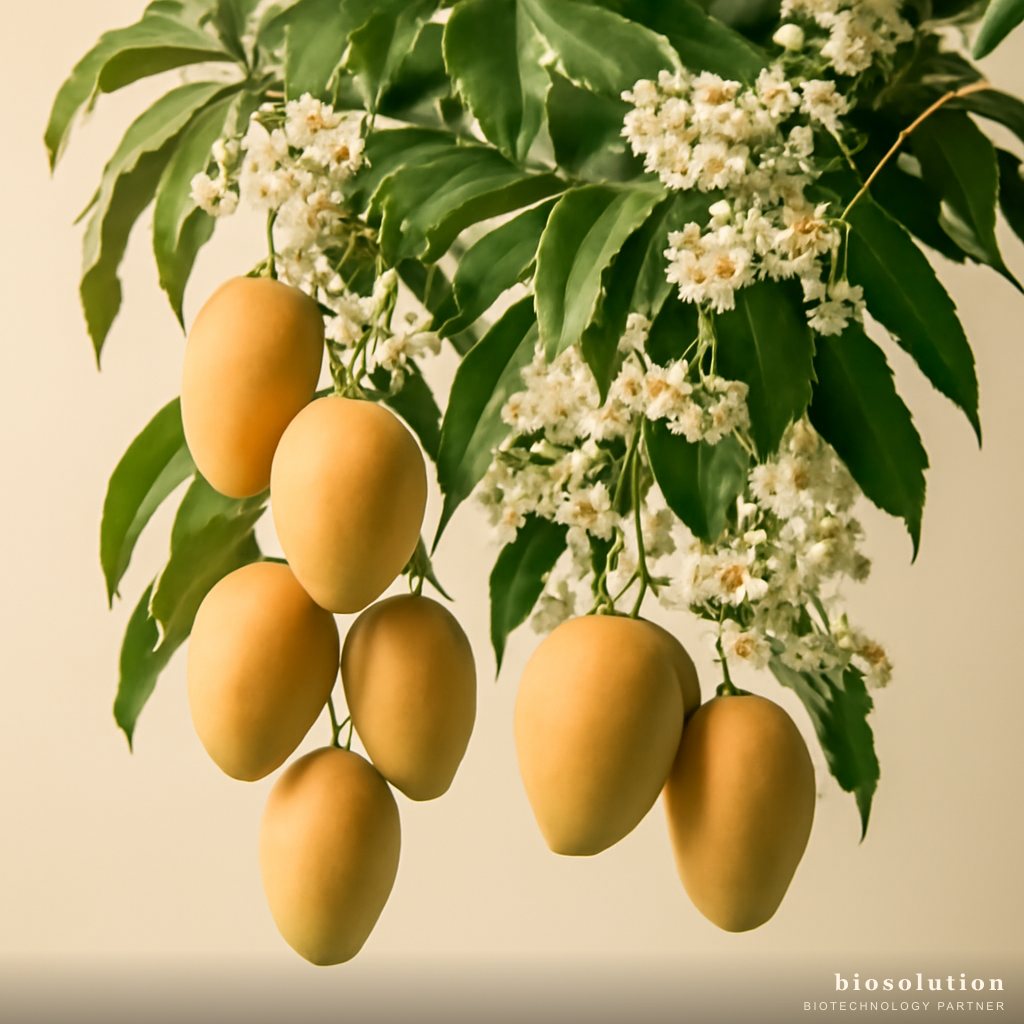
Mango (Mangifera indica) is a leading Indonesian fruit commodity with high demand year-round. However, the natural seasonal harvest pattern often causes prices to drop during peak harvest and spike out of season. The solution is off-season cultivation, which stimulates flowering outside the normal cycle. The key to success lies in selecting the right POC to stimulate off-season mango flowering. This article thoroughly examines the scientific criteria, mechanisms of action, and certifications you need to consider so that your biofertilizer investment yields optimal results.
Why Is POC to Stimulate Off-Season Mango Flowering Needed?
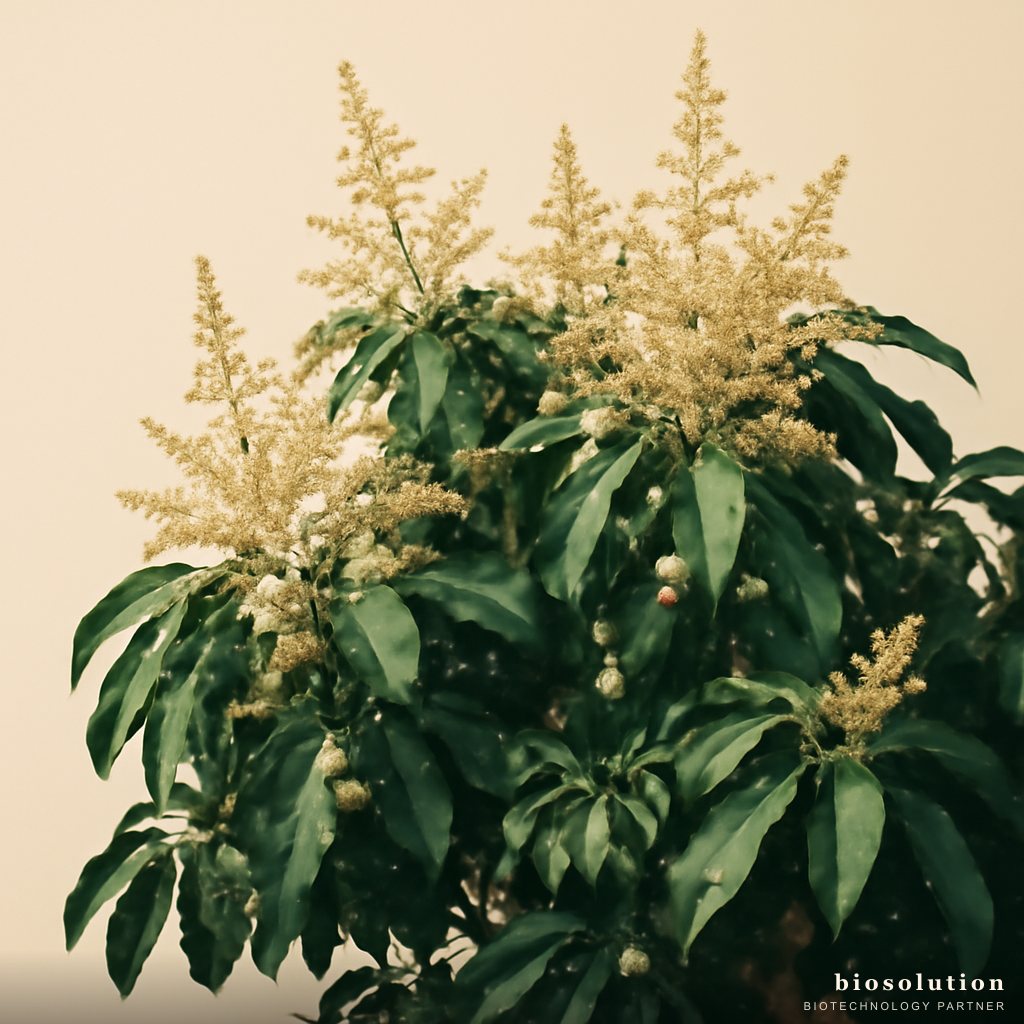
Mango plants require certain stress conditions to transition from the vegetative to the generative phase. Naturally, the dry season and low temperatures trigger the production of ethylene and abscisic acid hormones that stimulate flowering. However, in tropical regions like Indonesia, seasonal changes are not always consistent. This is where the role of POC (Liquid Organic Fertilizer) as a flowering trigger becomes vital.
Specially formulated POC contains natural plant growth regulators, beneficial microbes, and essential nutrients that synergistically stimulate flower initiation. With proper application, farmers can advance harvests by 1-2 months, obtain higher selling prices, and increase harvest frequency per year. However, not all POC on the market are effective. Farmers must be discerning in choosing based on composition, mechanism, and scientific evidence.
Criteria for an Effective Mango Flowering Biofertilizer
1. Contains a Consortium of PGPR (Plant Growth-Promoting Rhizobacteria)
PGPR are rhizosphere bacteria capable of producing plant hormones, solubilizing phosphate, and fixing nitrogen. To stimulate mango flowering, strains that produce cytokinins and gibberellins are very important. Cytokinins stimulate cell division in flower meristems, while gibberellins help elongate flower stalks. Products like Formula POC Pemicu Bunga & Buah from Biosolution contain a consortium of PGPR selected to trigger the generative phase simultaneously. Ensure the label lists bacterial species such as Bacillus subtilis, Pseudomonas fluorescens, or Azospirillum that have been proven to increase flower and fruit numbers.
2. Natural Cytokinin Source from Seaweed Extract
Cytokinin is a key hormone in flowering. Seaweed extract (Ascophyllum nodosum or Sargassum sp.) is rich in natural cytokinins, auxins, and amino acids. Research shows that applying seaweed extract to mangoes can increase the number of female flowers by up to 30% and reduce flower drop. A good POC should list seaweed extract content as a source of cytokinins. The recommended dosage is generally 3-5 ml per liter of water, applied every 7-10 days at the beginning of the generative phase.
3. Humic and Fulvic Acids as Nutrient Carriers
Humic and fulvic acids are complex organic compounds that increase soil cation exchange capacity, chelate micronutrients, and stimulate root growth. In the context of flowering, humic acid helps absorb elements such as boron (B) and zinc (Zn), which are essential for pollen viability and fruit set. Fulvic acid acts as a natural chelator that facilitates nutrient translocation to generative growing points. Quality products list humic and fulvic acid content of at least 5-10%.
Mechanism of Action of POC in Stimulating Mango Flowering
The mango flowering process involves a balance of endogenous hormones. POC works through several pathways:
- Increased cytokinins: Cytokinins from seaweed extract and PGPR suppress auxin dominance, triggering the differentiation of vegetative buds into generative ones.
- Micronutrient availability: Boron and zinc from humic acid stimulate pollen and ovule formation.
- Controlled stress induction: PGPR produce ACC deaminase, which lowers ethylene levels, so the plant is not overly stressed but still induced to flower.
- Improved leaf physiology: Foliar application increases chlorophyll and photosynthesis, providing energy for flower initiation.
Data from IRRI research shows that PGPR application on fruit crops can increase yield per tree by 15-25% and reduce flower drop by up to 30%.
Certification and Quality Standards for Organic POC
A suitable POC must meet SNI standards or Ministry of Agriculture regulations. Several things to check:
- Registered label: Ensure the product has a fertilizer registration number from the Ministry of Agriculture.
- Organic certification: If targeting premium markets, choose POC with organic certification (e.g., SNI 6729:2016 or OKKPD).
- Microbial content: At least 10⁶ CFU/ml for PGPR.
- pH and C/N ratio: Ideal pH 4-6, C/N < 20.
- Stability: Product should not smell foul or clump.
Products like Formula POC Pemicu Bunga & Buah have been formulated according to standards and are safe for organic certification.
POC Application Guide for Maximum Results
Right Time for Application
Application begins 2-3 months before the target harvest, when the plant enters the vegetative-generative transition phase. Signs: shoot growth slows, leaves begin to yellow, and stems harden.
Application Method
- Foliar spray: Spray onto the entire leaf surface, especially the underside, in the morning before 10 AM or in the afternoon. Dosage 3-5 ml per liter of water, repeat every 7-10 days.
- Soil drench: Pour onto the root zone at the same dosage, 1-2 liters per mature tree.
Additional Tips
- Combine with light pruning to stimulate new shoots.
- Ensure adequate irrigation; avoid extreme drought.
- Avoid application with harsh chemical pesticides; allow at least 3 days interval.
Case Study: Success of Off-Season Mango Farmers
Mr. Sugeng, a mango farmer in Probolinggo, applied flowering trigger POC in August. With 4 spray applications, his Arumanis mango trees began flowering simultaneously in the 5th week. Harvest occurred in December, when mango prices reached Rp 15,000/kg compared to Rp 5,000/kg during peak season. Yield per tree increased by 20% and flower drop decreased drastically. This story proves that the right POC can change the harvest cycle and increase profitability.
Conclusion
Choosing POC to stimulate off-season mango flowering is not guesswork. Smart farmers will prioritize products with a consortium of PGPR, seaweed extract, and humic-fulvic acids that are scientifically proven. Certification and proper dosage ensure effectiveness. With biofertilizers like Formula POC Pemicu Bunga & Buah from Biosolution, you can advance harvests, reduce the risk of flower failure, and enjoy premium prices. For further consultation, contact our team via WhatsApp. Start transforming your mango orchard now!
FAQ
1. Can flowering trigger POC be used for all mango varieties?
Yes, this POC is formulated for various mango varieties such as Arumanis, Gedong Gincu, Harumanis, and Manalagi. However, plant response may vary depending on environmental conditions and tree health. It is advisable to conduct a trial on a few trees first.
2. How many applications of POC are needed to ensure flowering?
For optimal results, apply every 7-10 days for 4-6 times, starting when the plant shows signs of generative transition. Frequency can be reduced if weather supports.
3. Is this POC safe to use together with chemical pesticides?
It is best not to mix directly as it can kill PGPR microbes. Allow at least 3 days interval between POC and chemical pesticide applications. Prioritize botanical pesticides if possible.
4. How should opened POC be stored?
Store in a cool, dark place, tightly sealed. Avoid direct sunlight. Opened POC should be used within 3 months to maintain microbial viability.
5. Is there a guarantee of results when using this POC?
Results depend heavily on other factors such as base fertilization, irrigation, and pest control. This POC has been tested to increase yield by 15-25% and reduce flower drop by 30%, but does not guarantee 100% failure-free. Follow application instructions and consult with experts for best results.