Polyculture Milkfish Pond Probiotics: Microbial Strategy for Shrimp and Milkfish
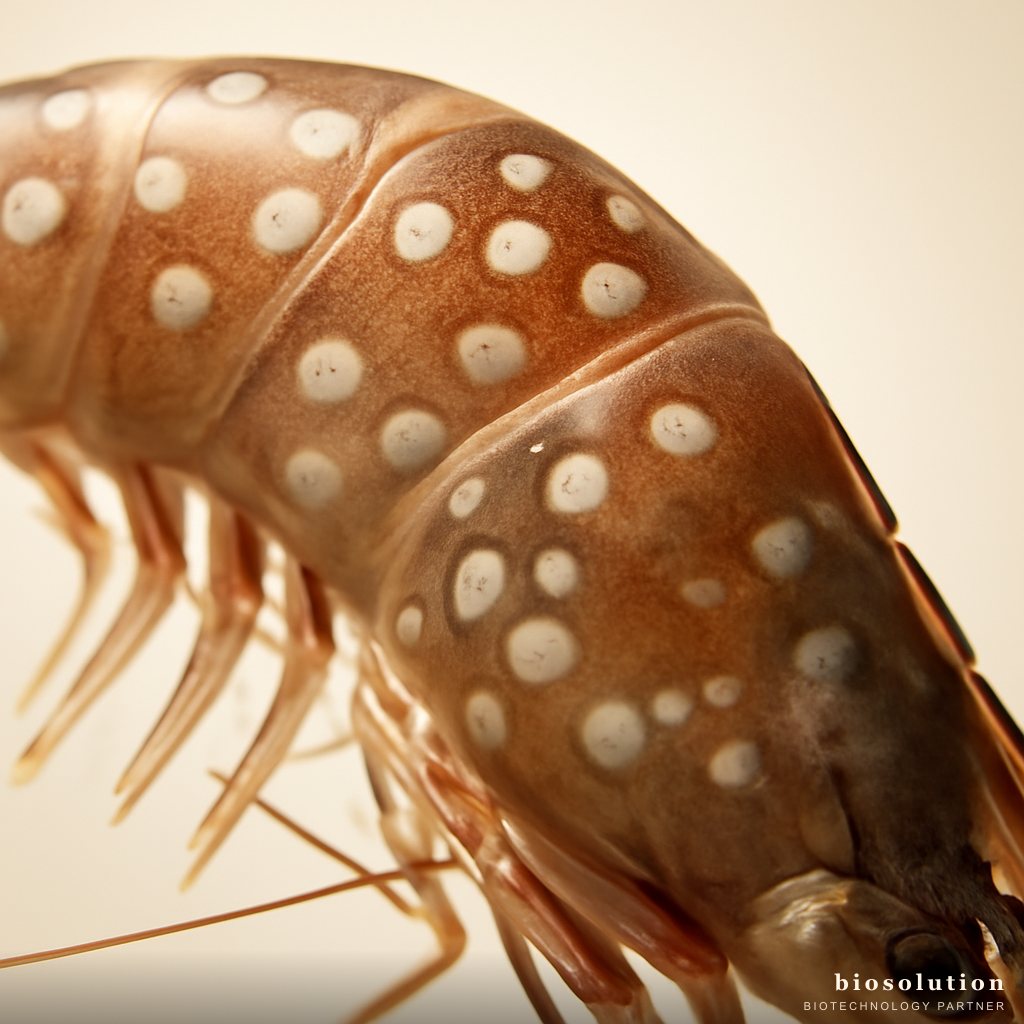
Polyculture milkfish ponds with shrimp are a profitable but challenging cultivation model. The balance of the water ecosystem is key to success, and this is where polyculture milkfish pond probiotics play a vital role. By utilizing superior microbes such as Bacillus subtilis, Nitrosomonas sp., and Nitrobacter sp., farmers can create a stable environment, reduce disease risk, and increase yields of both milkfish and shrimp simultaneously. This article will thoroughly discuss the microbial probiotic strategy for polyculture ponds and how the Milkfish Pond Probiotic Formula from Biosolution is the right solution.
Why Are Probiotics Important for Polyculture Milkfish Ponds?
Polyculture of milkfish and shrimp relies on synergy between the two species. Milkfish, which feed on plankton, and shrimp, which feed on leftover feed, create an efficient nutrient chain. However, high density and leftover feed can trigger toxic ammonia and nitrite buildup. High levels of ammonia (NH₃) and nitrite (NO₂⁻) cause stress, reduce appetite, and even lead to mass mortality. Polyculture milkfish pond probiotics work by breaking down organic matter, oxidizing ammonia into nitrite, and then nitrite into safer nitrate. This process maintains optimal water quality, allowing milkfish and shrimp to grow maximally.
The Role of Microbes in the Nitrogen Cycle
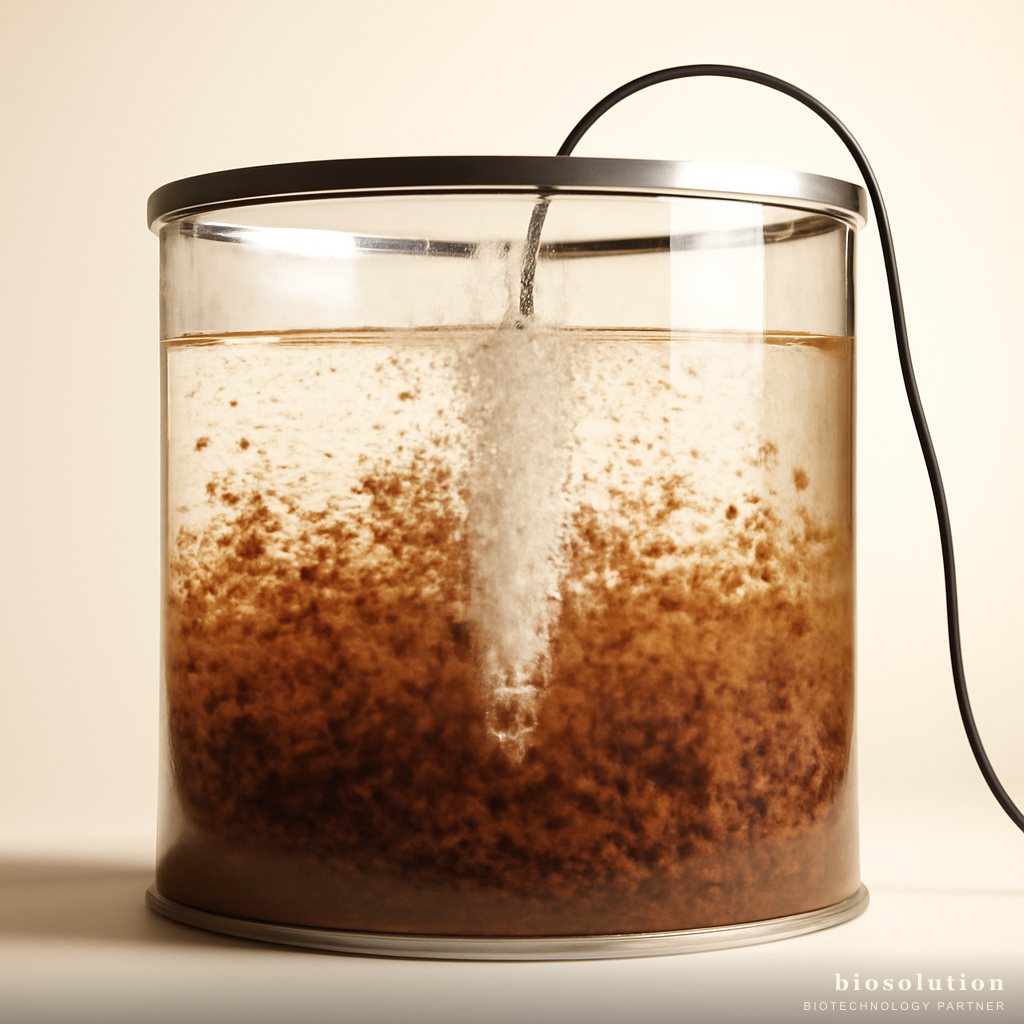
The natural nitrogen cycle in ponds is often slow. With probiotics, we accelerate it. Nitrosomonas sp. oxidizes ammonia into nitrite, while Nitrobacter sp. converts nitrite into nitrate. Bacillus subtilis decomposes leftover feed and feces, reducing the ammonia source. The three work synergistically to create clear and healthy water. Without probiotics, the risk of water parameter fluctuations is very high, especially during season changes or after overfeeding.
Milkfish Pond Probiotic Formula: Superior Microbial Composition
Biosolution presents the Milkfish Pond Probiotic Formula specifically formulated for polyculture ponds. This product contains three key microbial strains:
- Bacillus subtilis: This Gram-positive bacterium produces protease, amylase, and lipase enzymes that degrade proteins, carbohydrates, and fats. Besides being a decomposer, B. subtilis also produces antimicrobial compounds such as bacitracin that suppress the growth of pathogenic Vibrio spp. This is very important for preventing shrimp diseases such as white feces syndrome.
- Nitrosomonas sp.: This chemoautotrophic bacterium oxidizes ammonia (NH₃) into nitrite (NO₂⁻). Ammonia comes from milkfish and shrimp excretion and organic matter decomposition. By lowering ammonia, stress on fish and shrimp is reduced.
- Nitrobacter sp.: Continues the oxidation process of nitrite into nitrate (NO₃⁻). Nitrate is much less toxic and can be utilized by phytoplankton as nutrients, supporting natural feed production for milkfish.
These three microbes are packaged in a ready-to-use liquid form with a dosage of 3 L per hectare, applied every 10 days in the morning. The application method is simply spreading evenly over the entire pond surface.
Mechanism of Probiotics in Increasing Productivity
Polyculture milkfish pond probiotics work through several mechanisms:
- Decomposition of Organic Matter: Bacillus subtilis breaks down leftover feed and feces into simple compounds, reducing bottom sludge and preventing the formation of toxic gases such as H₂S.
- Nitrification: Nitrosomonas and Nitrobacter convert toxic ammonia into safe nitrate. This process stabilizes pH and dissolved oxygen.
- Pathogen Antagonism: Bacillus subtilis produces natural antibiotics that inhibit pathogenic bacteria such as Vibrio harveyi and Aeromonas hydrophila. This reduces mortality in shrimp and milkfish.
- Stimulation of Natural Feed: Nitrate from nitrification promotes phytoplankton growth, which serves as natural feed for milkfish. Shrimp also benefit from the availability of zooplankton.
Thus, probiotics not only maintain water quality but also indirectly improve feed conversion ratio (FCR). Milkfish and shrimp grow more consistently, yields increase, and the risk of crop failure decreases.
Proper Probiotic Application: Dosage and Frequency
The success of polyculture milkfish pond probiotics greatly depends on application consistency. Here is a practical guide:
- Dosage: 3 L per hectare of pond area. Measure pond water volume for adjustment if necessary.
- Frequency: Every 10 days. This interval keeps the probiotic population dominant.
- Time: Morning (07.00-09.00) when water temperature is still low and dissolved oxygen is high. Avoid application during hot sun or rain.
- Method: Dilute probiotics with pond water (1:10) then spread evenly. Ensure aeration is on for optimal distribution.
For maximum results, conduct routine monitoring of water parameters (ammonia, nitrite, pH, temperature). If ammonia spikes occur, increase frequency to every 7 days until normal.
Case Study: Effectiveness of Probiotics in Polyculture Ponds
Although specific data from Biosolution has not been published, research from various institutions supports the effectiveness of similar probiotics. For example, research at Diponegoro University showed that application of Bacillus subtilis in milkfish-vaname shrimp polyculture ponds reduced shrimp mortality by up to 30% and increased milkfish weight by 15% compared to controls. Meanwhile, the use of Nitrosomonas and Nitrobacter was proven to reduce ammonia by 50% within 2 weeks.
Farmers in Gresik Regency using the Milkfish Pond Probiotic Formula reported more uniform milkfish harvests and more active shrimp. Pond water appeared greener (indicating healthy phytoplankton) and ammonia odor was drastically reduced. This shows that probiotics work optimally in polyculture systems.
Conclusion
Polyculture milkfish pond probiotics with shrimp are a smart strategy to increase productivity and sustainability of cultivation. With the milkfish pond probiotic formula containing Bacillus subtilis, Nitrosomonas sp., and Nitrobacter sp., farmers can maintain water quality, suppress pathogens, and naturally stimulate the growth of milkfish and shrimp. Consistency in application and monitoring of water parameters are keys to success. If you want to optimize your polyculture pond, consult your needs with the Biosolution team via WhatsApp for more specific recommendations.
For more information about the product and application methods, contact us on WhatsApp or visit the product page.