Pond Bottom Sludge Breakdown: 8 Pond Sludge Decomposer Formulas Without Draining
Accumulated pond bottom sludge is a major source of ammonia and pathogens in intensive ponds. Without proper management, this organic sludge degrades water quality, stresses shrimp/fish, and increases the risk of crop failure. However, routine pond draining is costly and time-consuming. The solution is a pond sludge decomposer based on probiotic bacteria and extracellular enzymes that can naturally decompose sludge. This article thoroughly discusses the mechanism of pond bottom sludge decomposition, the importance of daily monitoring of water parameters (ammonia, pH, oxygen, salinity), and recommendations for superior products for intensive farmers.
Why Is Pond Bottom Sludge a Critical Problem?
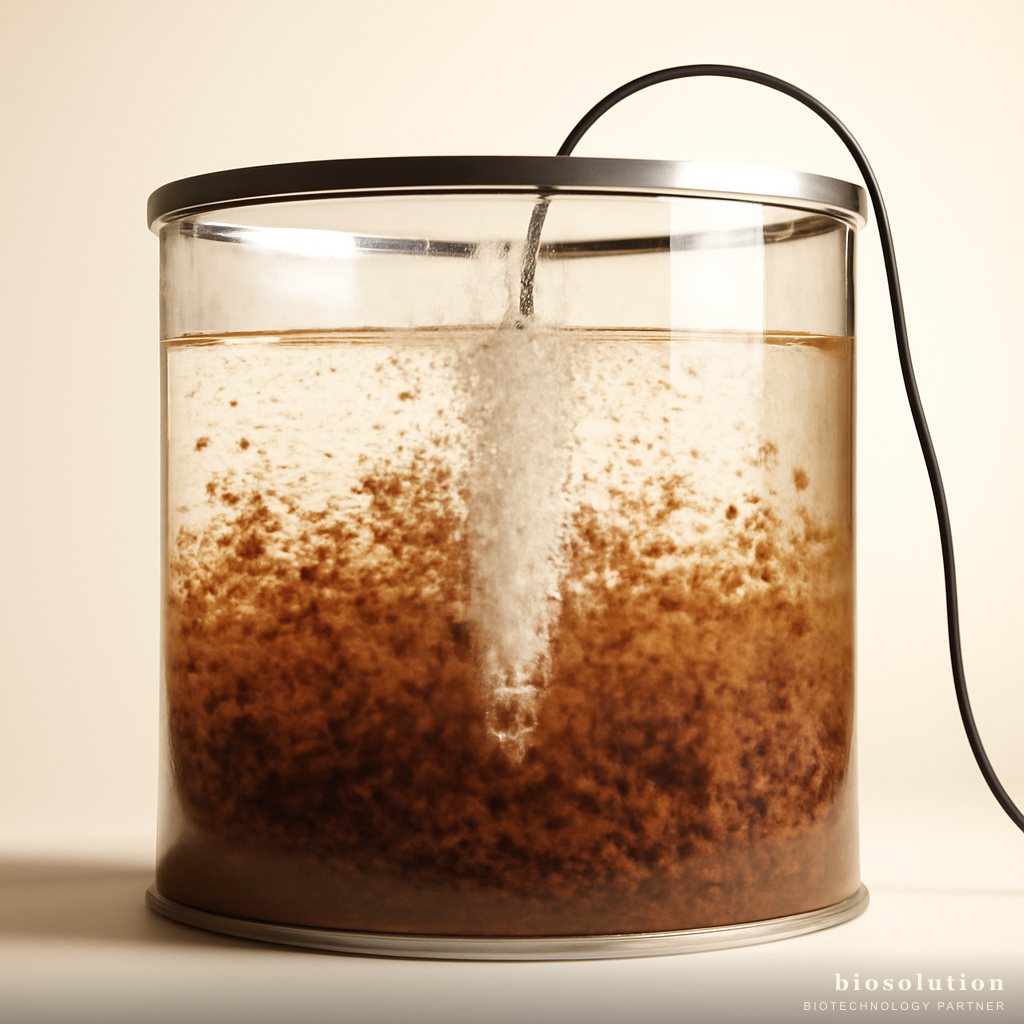
Pond bottom sludge forms from leftover feed, feces, dead plankton, and other organic particles that settle. In intensive aquaculture systems, sludge accumulation can reach 5-10 cm per cycle. The main impacts are:
- Increased ammonia: Anaerobic decomposition of sludge produces ammonia (NH₃), which is toxic to biota.
- Decreased dissolved oxygen: Sludge-decomposing bacteria consume large amounts of oxygen, causing hypoxia.
- pH fluctuations: Decomposition releases organic acids, lowering pH.
- Unstable salinity: Sludge hinders water circulation, causing salinity stratification.
Without intervention, sludge becomes a habitat for pathogens such as Vibrio spp. and parasites. Therefore, pond bottom sludge management must be a priority.
Mechanism of Pond Sludge Decomposer: Role of Bacillus subtilis and Bacillus licheniformis
Effective pond sludge decomposer products contain probiotic bacteria and extracellular enzymes. Two key strains are:
Bacillus subtilis
This gram-positive bacterium produces protease, amylase, and lipase enzymes that break down proteins, carbohydrates, and fats in sludge. Bacillus subtilis works aerobically, converting complex organic compounds into CO₂ and water, significantly reducing sludge volume.
Bacillus licheniformis
This strain excels in producing extracellular enzymes such as cellulase and chitinase, which degrade fiber and chitin from feed residue and molting. The synergy of these two bacteria creates a synergistic effect: B. subtilis initiates initial decomposition, B. licheniformis completes the breakdown of more complex compounds.
Extracellular Enzymes
These enzymes directly cut organic polymer chains into monomers easily absorbed by bacteria. With the right dosage, enzymes accelerate decomposition 2-3 times faster than using bacteria alone.
Pond Sludge Decomposer Formula: How It Works and Proper Dosage
The Pond Bottom Sludge Decomposer Formula product from Biosolution is specially designed for intensive farmers. Its composition contains Bacillus subtilis, Bacillus licheniformis, and extracellular enzymes in tablet form. Application method:
- Dosage: 1 tablet per 50 m² of pond bottom.
- Frequency: Every 14 days.
- Time: Morning, when dissolved oxygen begins to rise.
- Method: Spread tablets evenly at strategic points on the pond bottom.
The tablets will sink and slowly release bacteria and enzymes. Within 7-14 days, sludge will decompose, ammonia will drop, and water quality will improve.
Daily Water Parameter Monitoring: Ammonia, pH, Oxygen, Salinity
The use of pond sludge decomposers must be balanced with daily monitoring of water parameters. Here is a practical guide:
Ammonia (NH₃)
Ideal ammonia level < 0.1 mg/L. If it rises, immediately increase aeration or apply probiotics. Bacillus subtilis helps oxidize ammonia into nitrite, then nitrate.
pH
Optimal pH 7.5-8.5. Fluctuations >0.5 per day indicate disturbance. Decomposing sludge releases acids, so pH can drop. Dolomite lime can be used as a buffer.
Dissolved Oxygen (DO)
Minimum DO 4 mg/L. Aerobic decomposition requires oxygen. Ensure aerators run 24 hours, especially at night.
Salinity
Stable salinity according to species needs. Sludge hinders circulation, causing higher salinity at the bottom. Water mixing helps homogenization.
Advantages of Using Sludge Decomposer Without Pond Draining
Conventional method (pond draining) requires pumps, labor, and 3-7 days. With pond sludge decomposer:
- Cost saving: No need to rent pumps or buy high-dose lime.
- Time efficient: Just spread tablets every 2 weeks.
- Environmentally friendly: No sludge waste discharged into rivers.
- Stable water quality: Controlled decomposition prevents ammonia spikes.
Case Study: Intensive Farmer Successfully Reduces Ammonia by 60%
A vaname shrimp farmer in Lampung applied the Pond Bottom Sludge Decomposer Formula for one cycle (90 days). Results:
- Ammonia dropped from 0.8 mg/L to 0.3 mg/L within 14 days.
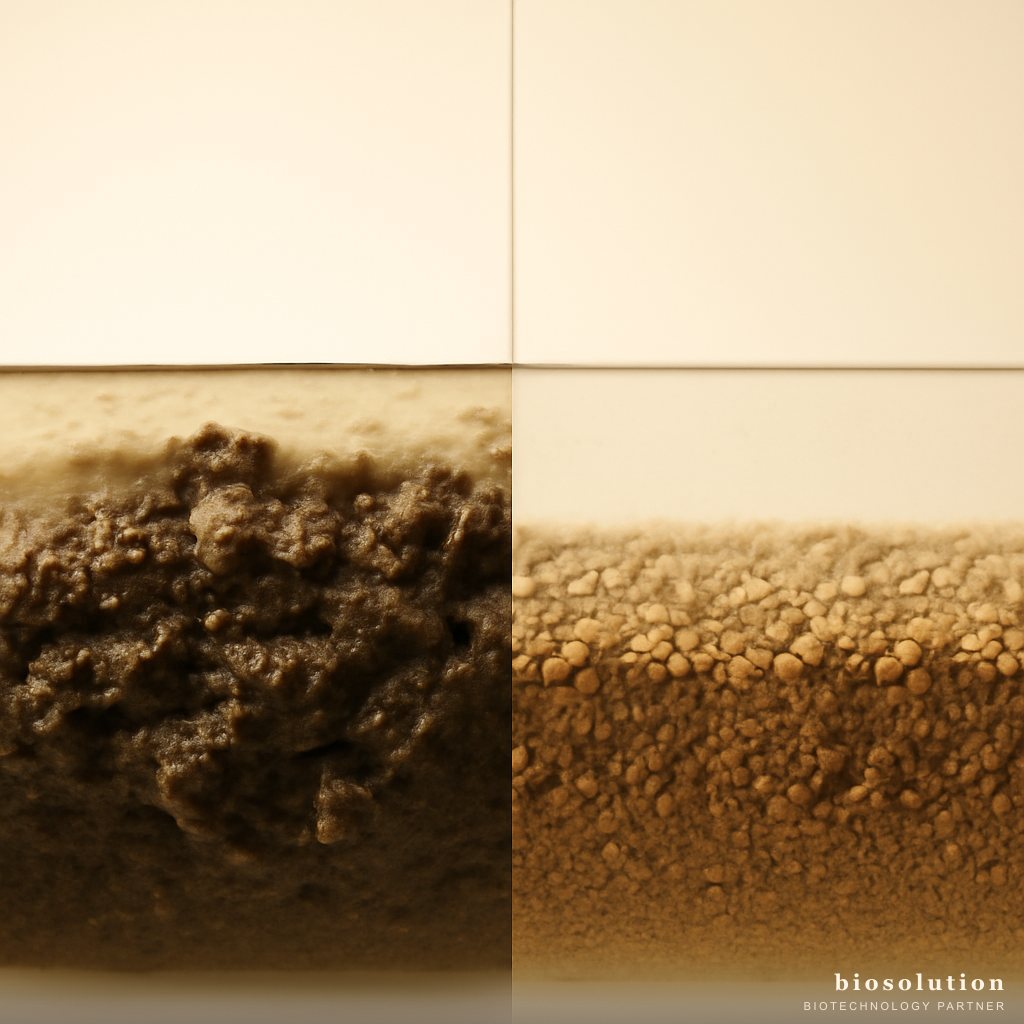
- Sludge reduced by 40% without draining.
- Survival rate increased by 15%.
The farmer also diligently monitored pH and DO every morning and afternoon. This combination resulted in a more optimal harvest.
Product Recommendations and How to Purchase
For farmers who want to try, the Pond Bottom Sludge Decomposer Formula is available in 1 kg packaging (200 tablets). For consultation on dosage and application schedule according to pond area, contact the Biosolution technical team via WhatsApp. Also get related products such as water probiotics and vitamins to support biota health.
Conclusion
Pond bottom sludge is no longer a problem if managed properly. Pond sludge decomposer based on Bacillus subtilis and Bacillus licheniformis can decompose sludge without draining, as long as it is balanced with daily monitoring of ammonia, pH, oxygen, and salinity. With superior products from Biosolution, intensive farmers can save operational costs while increasing productivity. Don't hesitate to free consultation or see pond sludge decomposer product for your pond solution.
This article is supported by data from the Ministry of Marine Affairs and Fisheries KKP and research from Brawijaya University on aquaculture probiotics.