Pond Bottom Sludge Decomposer: A No-Drain Solution for Intensive Farmers
Organic sludge accumulating at the pond bottom is a nightmare for intensive shrimp and fish farmers. Feed residue, feces, and dead plankton form sludge that, if left untreated, produces ammonia, nitrite, and hydrogen sulfide—toxins for cultured biota. However, routine pond draining is not only troublesome but also costly and halts the production cycle. This is where probiotic-based pond bottom sludge decomposers become crucial. By utilizing Bacillus subtilis and Bacillus licheniformis bacteria, we can decompose organic sludge without needing to drain the pond. This article will thoroughly discuss the mechanism, application methods, and advantages of aquaculture probiotics as a smart solution for pond bottom management.
Why Is Pond Bottom Sludge Dangerous?
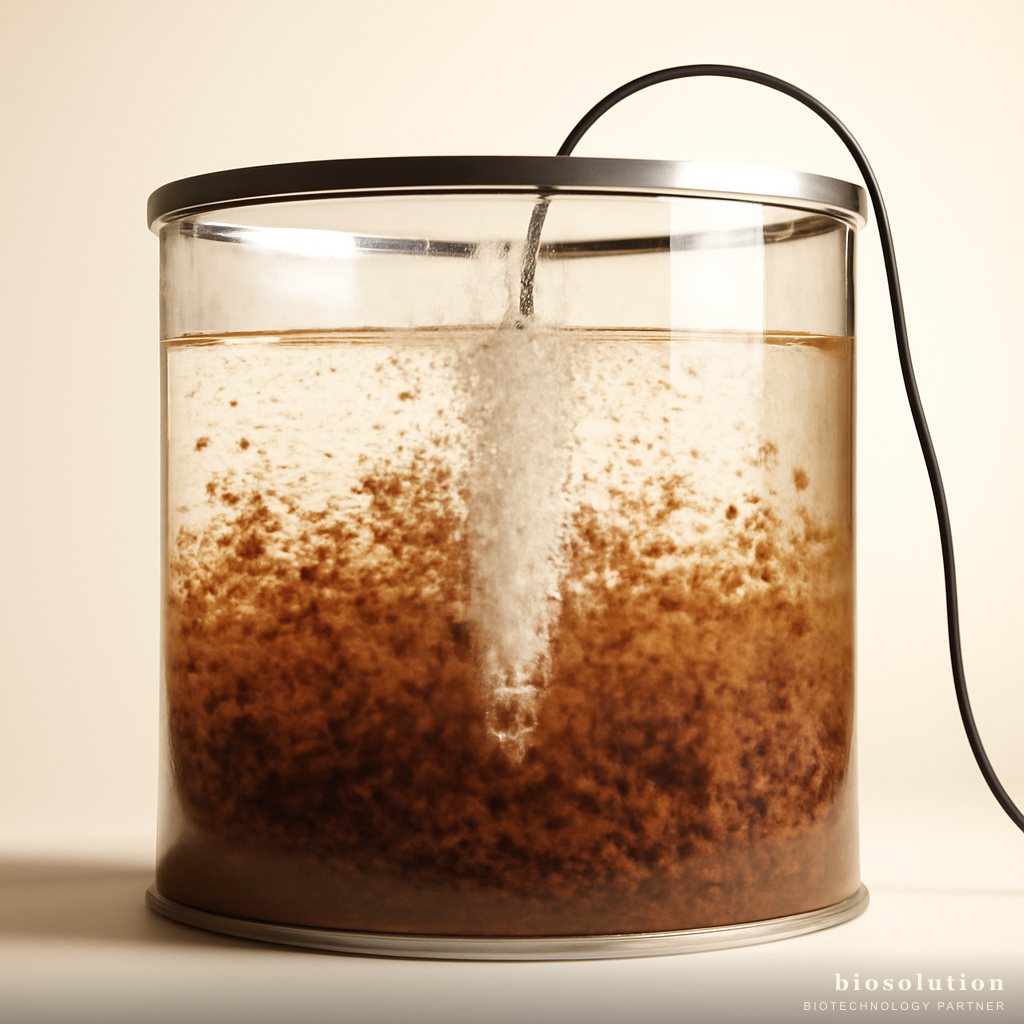
Pond bottom sludge is not just dirt. The accumulation of organic matter creates an anaerobic environment at the bottom. Anaerobic decomposition produces toxic compounds such as ammonia (NH3) and hydrogen sulfide (H2S), which are highly toxic to fish and shrimp. Additionally, sludge becomes a breeding ground for pathogenic bacteria like Vibrio spp. If not managed, water quality deteriorates drastically, appetite decreases, and the risk of mass mortality increases.
Data from the Ministry of Marine Affairs and Fisheries shows that organic matter accumulation at the pond bottom can reach 1-2 cm per cycle in intensive farming. Without intervention, sludge thickness will continue to increase, triggering plankton blooms and dissolved oxygen fluctuations. Farmers who still rely on manual draining must incur costs for pumps, labor, and lose at least 1-2 weeks of production time per cycle. This is clearly inefficient.
Mechanism of Probiotic Pond Bottom Sludge Decomposer
Aquaculture probiotics for sludge decomposition work through two main mechanisms: enzymatic decomposition and beneficial bacterial competition. Products like the Pond Bottom Sludge Decomposer Formula from Biosolution contain Bacillus subtilis and Bacillus licheniformis, which are Gram-positive bacteria that produce extracellular enzymes. The enzymes protease, amylase, lipase, and cellulase can break down proteins, carbohydrates, fats, and fibers into simple molecules such as amino acids, sugars, and fatty acids. This process occurs aerobically, so no toxic compounds are produced.
Role of Bacillus subtilis
Bacillus subtilis is known as an excellent organic decomposer. This bacterium produces protease enzymes that hydrolyze proteins into peptides and amino acids, as well as amylase that breaks down starch. Additionally, B. subtilis produces natural antibiotics like subtilin that suppress the growth of pathogenic bacteria. At the pond bottom, these bacteria form spores that are resistant to extreme conditions, allowing them to survive and become active when environmental conditions improve.
Role of Bacillus licheniformis
Bacillus licheniformis complements the work of B. subtilis by producing large amounts of extracellular enzymes, including alkaline protease and keratinase. This bacterium is highly efficient in degrading complex organic materials such as chitin from shrimp exoskeletons and feed residue. The synergy of these two strains accelerates sludge decomposition by 2-3 times compared to natural decomposition.
Advantages of the No-Drain Pond Bottom Sludge Decomposer Formula
Compared to conventional methods, using probiotic sludge decomposers offers several benefits:
- No need to drain the pond – Sludge is decomposed biologically, water remains clear, and the production cycle is uninterrupted.
- Significant ammonia reduction – With reduced organic matter, ammonia and nitrite concentrations are controlled.
- Cost savings – No costs for pumps, additional labor, or production downtime.
- Easy application – Simply scatter tablets on the pond bottom, no special equipment needed.
- Environmentally friendly – No harmful chemicals used, safe for biota and workers.
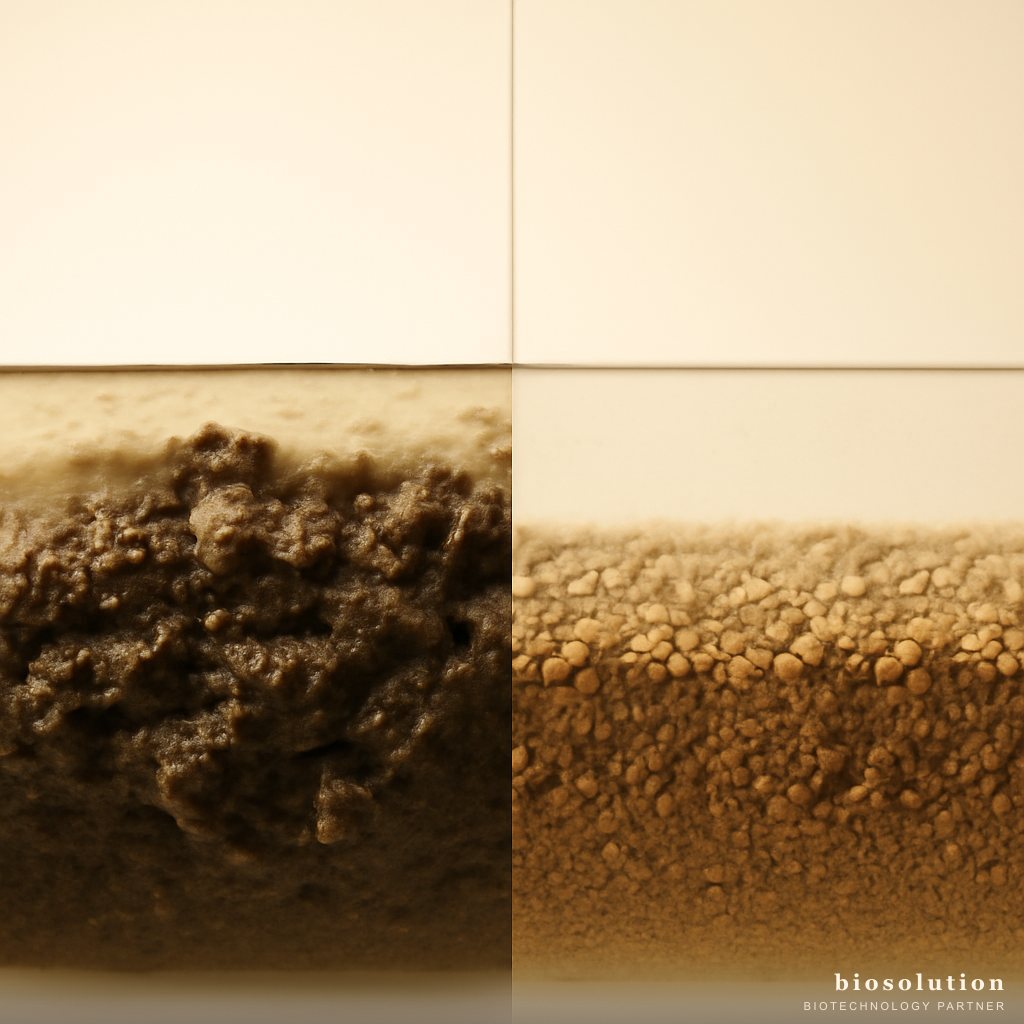
Based on field trials, regular probiotic application can reduce sludge thickness by up to 60% within one cultivation cycle. This means more stable water quality and increased productivity.
Proper Application of Probiotic Tablets
For optimal results, probiotic application must be done correctly. Here is a practical guide:
- Dosage: 1 tablet per 50 m² of pond bottom area. For a 2000 m² pond, 40 tablets are needed.
- Method: Scatter tablets evenly at strategic points, especially in feed accumulation areas and drainage channels.
- Frequency: Every 14 days. This gives bacteria time to grow and decompose sludge.
- Time: Morning, when water temperature is still low and dissolved oxygen is high enough. Avoid application during rain or extreme weather.
Ensure aeration is running well so that aerobic bacteria get enough oxygen. If the pond has an aerator, run it for 1-2 hours after application to help distribute the probiotics.
Case Study: Field Effectiveness
A vaname shrimp farmer in Banyuwangi experienced thick sludge reaching 5 cm after two cycles without draining. Water quality was poor with ammonia at 2 ppm, and shrimp were often stressed. After using the Pond Bottom Sludge Decomposer Formula at a dose of 1 tablet per 50 m² every 14 days, within 4 weeks the sludge reduced to 2 cm. Ammonia dropped to 0.5 ppm, and shrimp survival rate increased by 15%. The farmer reported no need to drain the pond until harvest, saving around IDR 3 million per cycle.
FAQ About Pond Bottom Sludge Decomposer
Is the probiotic safe for shrimp/fish?
Yes, Bacillus subtilis and Bacillus licheniformis are non-pathogenic bacteria commonly used in aquaculture. They do not harm cultured biota; in fact, they help improve digestive health if ingested. This product is registered with the Ministry of Marine Affairs and Fisheries and is safe for all types of fish and shrimp.
How long does it take for sludge to start decomposing?
Changes are usually visible within 7-14 days after the first application. Sludge will appear looser and water color becomes clearer. Ammonia reduction can be detected after 3-5 days. For maximum results, apply regularly every 14 days.
Is water change necessary after using probiotics?
No. Probiotics work biologically without requiring water changes. In fact, by suppressing ammonia, you can reduce the frequency of water changes. However, regularly monitor water quality.
Can it be combined with feed probiotics?
Highly recommended. Combining pond bottom probiotics with feed probiotics creates synergy: feed probiotics improve digestion and immunity of shrimp, while bottom probiotics manage waste. The result is a healthier pond environment and optimal productivity.
How should probiotic tablets be stored?
Store in a cool, dry place, away from direct sunlight. Ideal storage temperature is 15-30°C. Avoid exposure to water or moisture. Once opened, tablets should be used promptly.
Conclusion
Managing pond bottom sludge without draining is no longer a dream. By utilizing aquaculture probiotics containing Bacillus subtilis and Bacillus licheniformis, farmers can effectively decompose organic waste, suppress ammonia, and save operational costs. The Pond Bottom Sludge Decomposer Formula from Biosolution offers a practical tablet solution that is easy to apply. Simply scatter 1 tablet per 50 m² every 14 days, and enjoy a cleaner pond without draining. For further consultation or orders, contact our team via WhatsApp at 0811-XXXXXXX or visit the product page Pond Bottom Sludge Decomposer Formula.