Pond Bottom Sludge Decomposer Without Draining: Microbes vs Chemicals
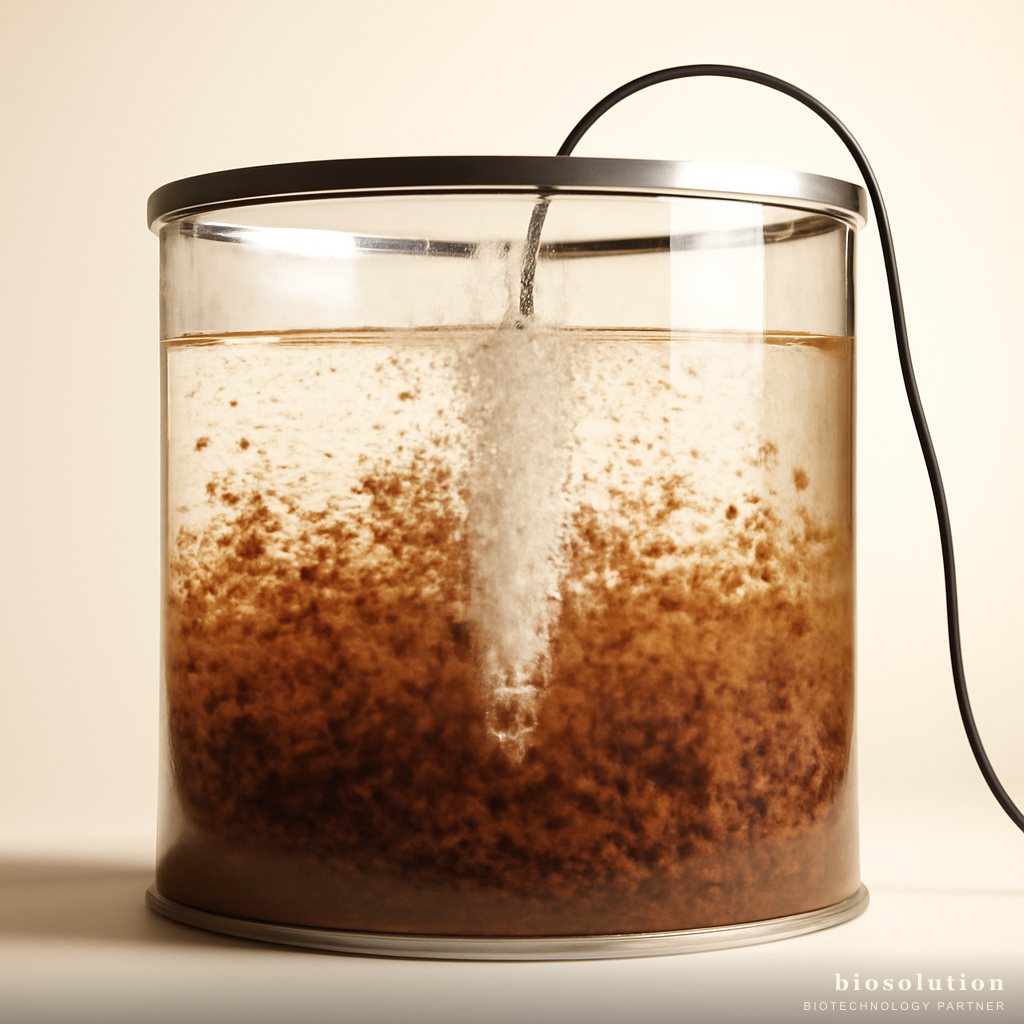
Organic sludge that settles at the bottom of ponds is a classic problem for intensive farmers. Accumulation of leftover feed, feces, and dead plankton forms sludge that, if left unchecked, can trigger ammonia spikes and pathogens. So far, common solutions are pond draining or the use of chemicals. However, both have significant drawbacks: high costs, risk of stress to aquatic life, and waste that pollutes the environment. This is where microbial-based pond bottom sludge decomposers become a more efficient alternative. This article will explore the cost comparison between chemical and microbial methods, and why Biosolution's Pond Bottom Sludge Decomposer Formula is worth considering for farmers who want to manage sludge without draining.
Cost of Chemical Methods: Expensive and Risky
The use of chemicals such as chlorine, alum, or zeolite to precipitate sludge does show quick results. However, the costs incurred are substantial. For a 1-hectare pond, the cost of purchasing chlorine can reach IDR 2-3 million per application, with a frequency of every 2-3 weeks. Not to mention labor costs for spreading and mixing. Additionally, chemical residues can kill beneficial plankton, degrade water quality, and cause shrimp or fish stress. In the long run, chemical use actually increases water management costs and the risk of crop failure. This method also does not biologically decompose sludge, only precipitates it, so the sludge volume remains high and still requires draining.
Microbial Solution: Lower Cost, Broader Benefits
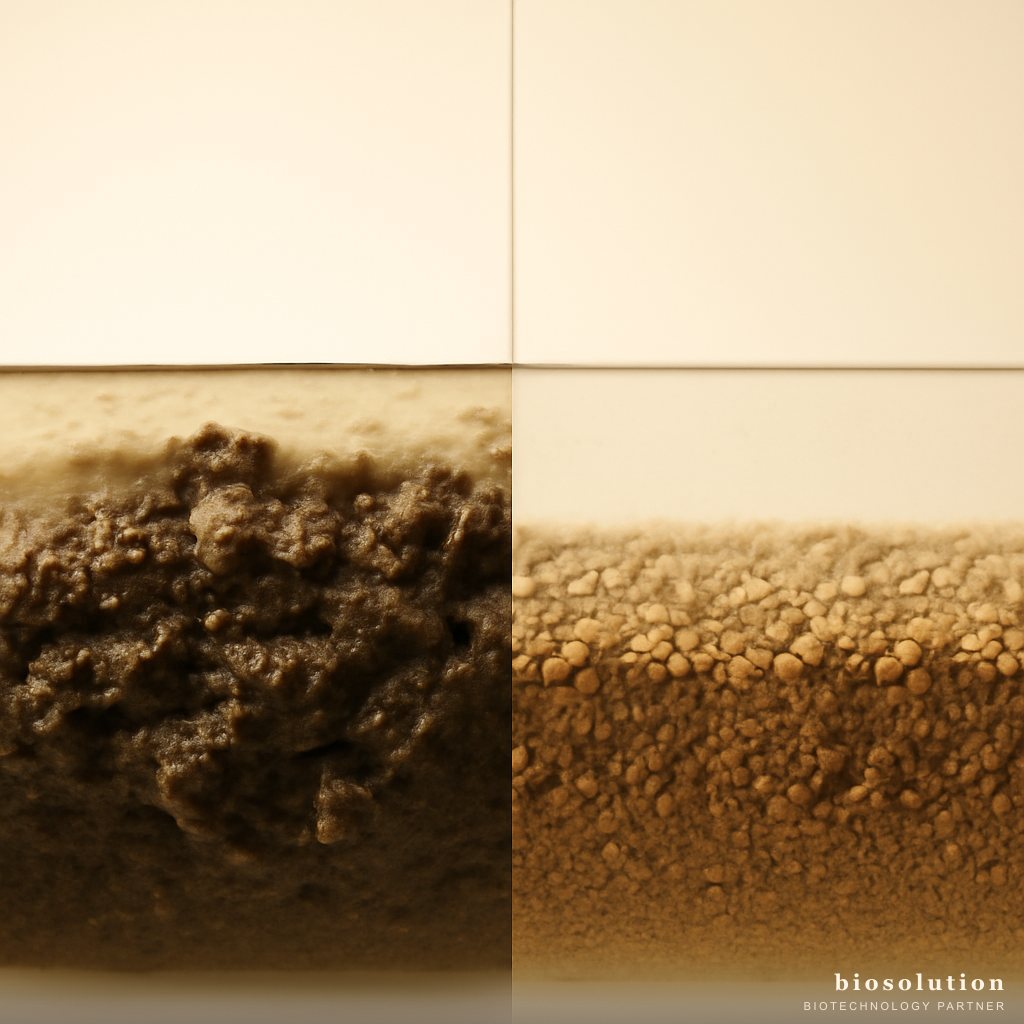
Unlike chemicals, microbial-based pond bottom sludge decomposers work naturally. Products like Biosolution's Pond Bottom Sludge Decomposer Formula contain Bacillus subtilis and Bacillus licheniformis that can decompose organic matter into harmless compounds. The extracellular enzymes produced accelerate sludge breakdown, so sludge is gradually reduced. The cost per application for a 1-hectare pond is only around IDR 500,000 – 700,000 (1 tablet per 50 m², application every 14 days). That means monthly costs are only IDR 1-1.4 million, 50-70% cheaper than chemicals. Moreover, microbes leave no toxic residues, instead improving water quality by lowering ammonia and nitrite.
Annual Operational Cost Comparison
Let's calculate a simulated annual cost for a 1-hectare pond. With the chemical method: application every 3 weeks (17 times a year) x IDR 2.5 million = IDR 42.5 million per year. Not including draining costs done 2-3 times a year (around IDR 5-10 million per drain). Total could reach IDR 60-70 million per year. Meanwhile, with microbes: application every 14 days (26 times a year) x IDR 600,000 = IDR 15.6 million per year. No need for draining because sludge decomposes naturally. Savings reach 70-80%! Not to mention the benefits of increased productivity due to more stable water quality, resulting in lower FCR (Feed Conversion Ratio) and higher survival rate.
How the Pond Bottom Sludge Decomposer Formula Works
Biosolution's Pond Bottom Sludge Decomposer Formula comes in easy-to-apply tablet form. Simply spread 1 tablet per 50 m² of pond bottom in the morning, repeat every 14 days. The tablets will sink and start working at the bottom. Bacillus subtilis and Bacillus licheniformis will produce protease, amylase, and lipase enzymes that break down proteins, carbohydrates, and fats in the sludge. This decomposition process converts sludge into CO2 and water, as well as nutrients that can be utilized by plankton. As a result, ammonia and H2S decrease drastically, dissolved oxygen increases, and pond biota become healthier. No need to drain the pond, so the cultivation cycle can be longer and more efficient.
Additional Advantages: Environmentally Friendly and Practical
Besides lower cost, microbial sludge decomposers are also environmentally friendly. No hazardous chemicals pollute surrounding waters. Pond waste becomes easier to treat because its organic content is already decomposed. In terms of practicality, tablet application is very easy: no special tools needed, just manual spreading. Farmers do not have to bother draining ponds, which requires a lot of water and labor. Thus, pond productivity and profitability increase.
Conclusion
Switching to a microbial-based pond bottom sludge decomposer without draining is a smart decision for intensive farmers. Operational costs are up to 70% more efficient, water quality is better, and harvest results are more optimal. Biosolution's Pond Bottom Sludge Decomposer Formula offers a practical, economical, and environmentally friendly solution. For more information, consult your pond needs via WhatsApp or see product details on the product page.
FAQ
Is this product safe for shrimp and fish?
Yes, this product uses natural probiotic bacteria that are safe for pond biota. Bacillus subtilis and Bacillus licheniformis are not pathogenic and actually help suppress harmful bacteria. This product has been tested in many ponds in Indonesia.
How long until sludge starts to decrease after application?
Changes are usually visible after 2-3 weeks of regular application. Sludge will decompose slowly, water color improves, and ammonia odor reduces. For maximum results, apply every 14 days according to dosage.
Does it need to be combined with other products?
For optimal results, it is recommended to use water probiotics like Biopond to maintain pond water quality. However, this product is effective enough as a standalone sludge decomposer.
What is the correct application method?
Spread tablets evenly over the entire pond surface at a dose of 1 tablet per 50 m². Do this in the morning when water temperature is still stable. Repeat every 14 days during the cultivation cycle.
Can this product be used in freshwater and brackish water ponds?
Yes, this product is suitable for both freshwater and brackish water ponds. The bacteria inside are tolerant to salinity up to 30 ppt. Ensure salinity is not too extreme for best results.