Pond Bottom Sludge Decomposition: 3 Pond Sludge Decomposer Formulas Without Draining
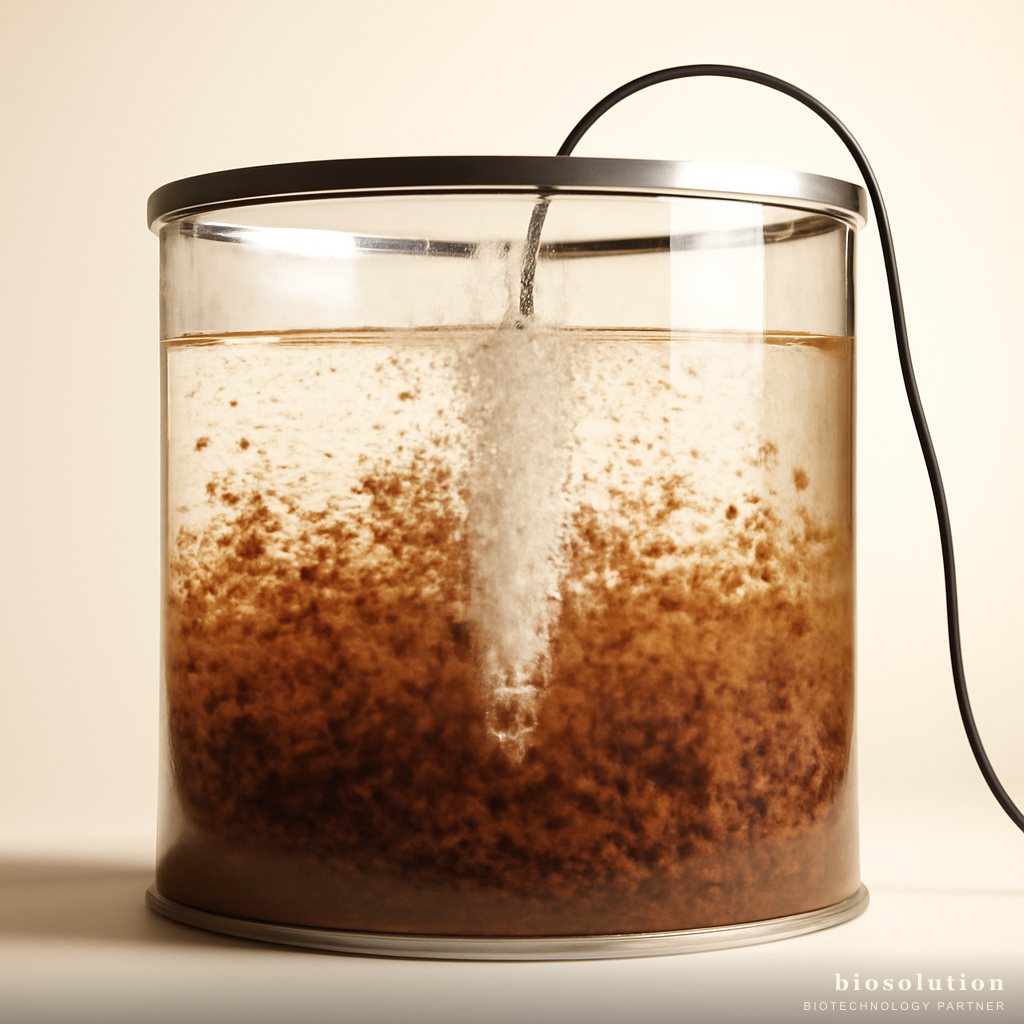
Pond bottom sludge is an accumulation of uneaten feed, feces, and dead plankton that settles on the pond bottom. In intensive aquaculture, this organic sludge buildup can trigger increased ammonia, reduce dissolved oxygen, and become a pathogen medium. Many farmers rely on pond draining to clean the sludge, but this method is costly and disrupts the production cycle. An innovative solution is now available: organic pond bottom sludge decomposer without draining using probiotic bacteria and extracellular enzyme formulas. This article presents a case study of an intensive pond that successfully applied 3 pond sludge decomposer formulas, complete with technical data and field results.
Case Study: Intensive Shrimp Pond in East Java
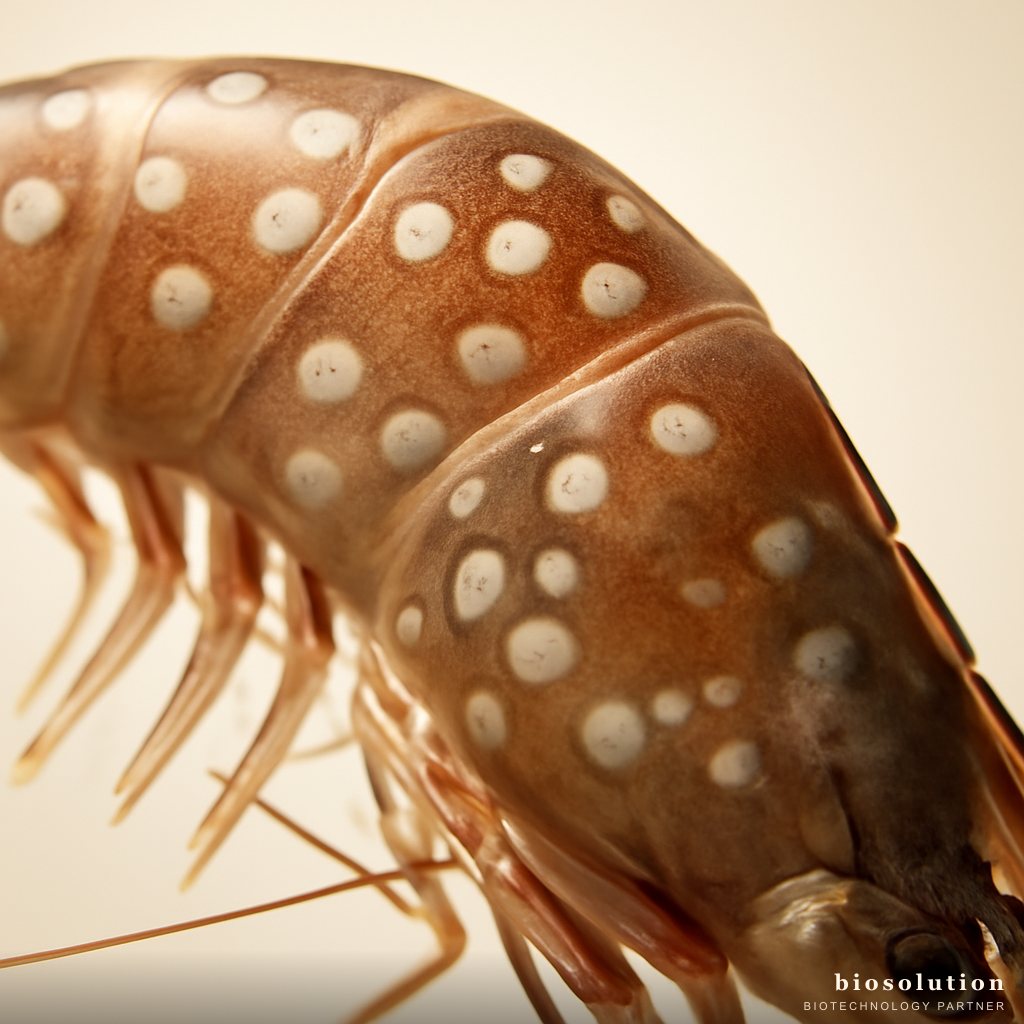
An intensive vaname shrimp pond in East Java with an area of 2,000 m² experienced sludge buildup of 15-20 cm after 60 days of rearing. Total ammonia nitrogen (TAN) reached 8 mg/L, far above the safe threshold (<1 mg/L). The farmer decided not to drain the pond because it would halt production and require high costs. Instead, they applied a pond bottom sludge decomposer formula containing Bacillus subtilis, Bacillus licheniformis, and extracellular enzymes.
Application Method
The product used was sludge decomposer tablets at a dose of 1 tablet per 50 m² of pond bottom. Tablets were evenly distributed at strategic points in the morning, repeated every 14 days. The first application was on day 60, then monitoring was conducted weekly.
Results Achieved
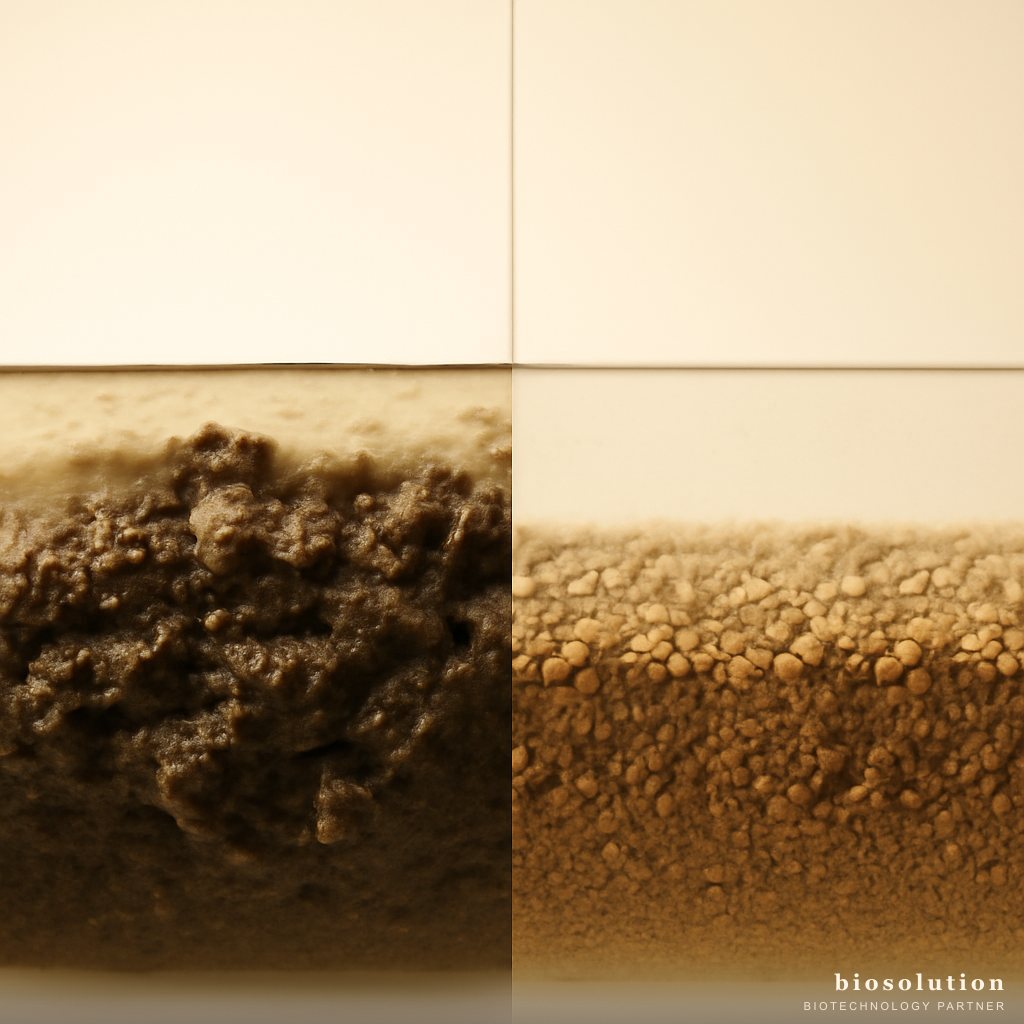
After 4 weeks (2 applications), sludge thickness decreased from 15-20 cm to 5-8 cm. Total ammonia nitrogen (TAN) dropped from 8 mg/L to 1.2 mg/L. Dissolved oxygen (DO) increased from 3.5 mg/L to 5.2 mg/L. Shrimp condition improved, with survival rate (SR) increasing by 12% compared to the previous cycle. The farmer saved operational costs up to 30% because no pond draining was needed and water use was more efficient.
Mechanism of Sludge Decomposition by Bacteria and Enzymes
The success of sludge decomposition without draining depends on the synergistic activity of probiotic bacteria and extracellular enzymes. Bacillus subtilis is known as an organic decomposer capable of breaking down proteins, carbohydrates, and complex fats into simple compounds. Bacillus licheniformis excels in producing extracellular enzymes such as protease, amylase, and lipase that accelerate the hydrolysis of organic material.
Role of Extracellular Enzymes
Extracellular enzymes work outside bacterial cells, cutting large molecules into smaller fragments that are easily absorbed by bacteria. This process reduces sludge viscosity and triggers mineralization. Sludge that was initially dense and odorous becomes more liquid and odorless. Additionally, bacterial activity suppresses the growth of pathogenic bacteria through competition and production of antimicrobial compounds.
Healthier Nitrogen Cycle
With sludge decomposition, ammonia trapped in sediment is gradually released and immediately utilized by nitrifying bacteria. This prevents toxic ammonia spikes. Studies show that regular application of Bacillus can reduce ammonia concentrations by 60-70% within 2-4 weeks.
3 Proven Effective Pond Sludge Decomposer Formulas
Based on research and field experience, there are three main formulas effective for decomposing pond bottom sludge without draining.
Formula A: Bacillus subtilis + Bacillus licheniformis + Protease Enzyme
This formula is the most common and has been tested in various ponds. The combination of Bacillus subtilis and Bacillus licheniformis provides a synergistic effect: one strain degrades organic matter, the other produces complementary enzymes. Extra protease enzyme is added to accelerate the breakdown of proteins dominant in sludge.
Formula B: Bacillus subtilis + Bacillus licheniformis + Lipase Enzyme
For ponds with high fat content (due to fatty feed), the addition of lipase enzyme helps break down fats that are often difficult to degrade. Sludge becomes easier to decompose and does not form a waterproof layer.
Formula C: Bacillus subtilis + Bacillus licheniformis + Cellulase Enzyme
In ponds with many plant residues or cellulose-rich plankton, cellulase enzyme is needed to break down fiber. This formula is suitable for freshwater ponds dominated by algae.
The product Pond Bottom Sludge Decomposer Formula from Biosolution uses the refined Formula A, with a minimum bacterial concentration of 10^8 CFU/g and measurable enzyme activity. Each tablet contains all three active components for more practical application.
Economic and Operational Benefits Without Draining
Implementing sludge decomposer without draining provides significant financial advantages.
Cost Savings
Pond draining costs include water pumps, electricity, labor, and sludge disposal. For a 2,000 m² pond, draining costs can reach 5-10 million rupiah per cycle. With sludge decomposer products, application costs are only about 1-2 million rupiah per cycle (14 tablets per application, 4-5 applications per cycle).
Increased Productivity
Without draining, the production cycle is uninterrupted. Shrimp or fish do not experience stress from drastic environmental changes. Harvests are more uniform and mortality rates decrease. Some farmers report an increase in harvest weight of up to 15%.
Environmental Sustainability
Decomposed sludge becomes dissolved nutrients that can be utilized by phytoplankton, so water quality remains stable. Liquid waste discharged during harvest has lower organic content, reducing pollution impact.
Proper Application Guide for Maximum Results
For optimal sludge decomposition, consider the following:
Application Time
Application should be done in the morning when water temperature is still low (25-30°C) and dissolved oxygen is sufficient. Avoid application during heavy rain or extreme weather.
Dosage and Frequency
Standard dose is 1 tablet per 50 m² of pond bottom. For thick sludge (>15 cm), the dose can be increased to 1 tablet per 40 m² at the first application. Frequency is every 14 days, but if sludge is very thick, weekly applications for the first 2-3 times can accelerate results.
Monitoring
Monitor sludge thickness using a measuring stick or simple tool. Also measure water quality parameters (ammonia, nitrite, DO, pH) regularly. Decreased ammonia and increased DO are indicators of success.
Combination with Water Probiotics
For better results, combine with water probiotics containing Lactobacillus and Nitrobacter. Water probiotics help break down nitrogen compounds in the water column, while tablets work on the bottom. More information on integrated solutions can be seen on the aqua solutions page.
Conclusion
Pond bottom sludge is no longer a nightmare for intensive farmers. With the application of sludge decomposer formulas based on Bacillus subtilis, Bacillus licheniformis, and extracellular enzymes, organic pond bottom sludge decomposition without draining becomes a reality. The case study in East Java proves that ammonia drops drastically, operational costs are saved, and productivity increases. This technology not only saves costs but also supports more environmentally friendly aquaculture.
For farmers who want to switch to this method, make sure to choose products with standardized bacterial and enzyme concentrations. The Pond Bottom Sludge Decomposer Formula product from Biosolution is ready to help you. Consult your pond conditions with our technical team via WhatsApp for appropriate dosage and application schedule recommendations.
FAQ
How long does it take for pond bottom sludge to decompose after application?
Under normal conditions, sludge 10-15 cm thick begins to show reduction after 2-3 weeks (1-2 applications). Thicker sludge (20-30 cm) requires 4-6 weeks. Optimal results are achieved with regular applications every 14 days and supported by good water quality.
Is this product safe for shrimp and fish?
Yes, Bacillus subtilis and Bacillus licheniformis are safe probiotics widely used in aquaculture. The extracellular enzymes produced are also non-toxic. This product does not disturb cultured biota if used according to dosage.
Can it be used in freshwater and brackish water ponds?
This product is formulated for both types of water. Bacillus spp. are tolerant to salinity up to 30 ppt. However, for freshwater ponds with high cellulose sludge, it is recommended to choose a formula with additional cellulase enzyme.
Do I need to stop feeding during application?
No. Tablet application is done alongside normal aquaculture activities. Ensure aeration continues to distribute bacteria and enzymes.
How should this product be stored?
Store in a cool, dry place at temperatures below 30°C, avoid direct sunlight. Tablets are hygroscopic, so ensure the packaging is tightly sealed. Shelf life is 12 months from production.