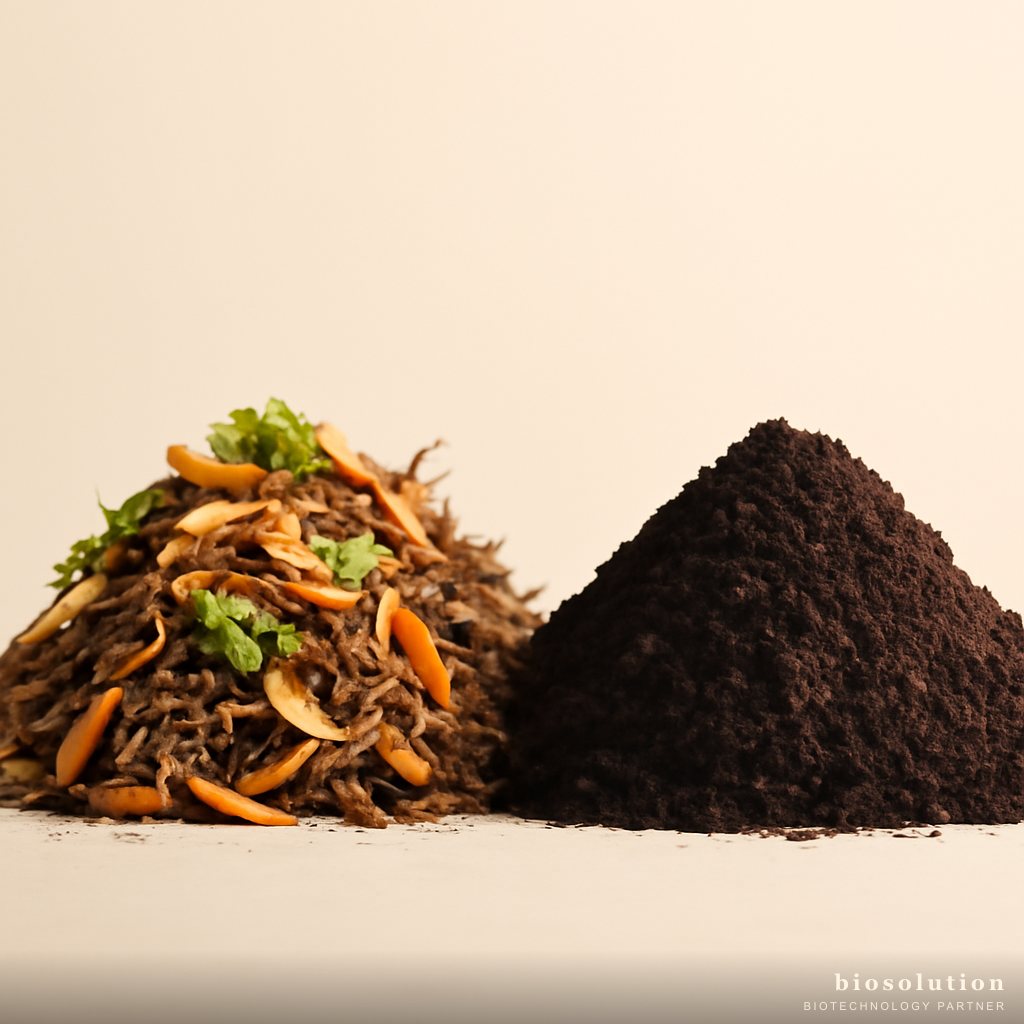
Post-Fire Biofertilizer: Restore Soil with Superior Microbes
Land fires leave deep wounds on the soil. High temperatures burn organic matter, kill soil microbes, and damage soil structure, making it difficult to replant. This is where post-fire biofertilizer becomes a smart solution. By utilizing superior microbes such as Azotobacter sp., Azospirillum sp., and Bacillus megaterium, scorched soil can be naturally restored. This article thoroughly explores the working mechanisms of biofertilizers in improving soil structure, increasing porosity, and restoring fertility to post-fire land.
Why Does Post-Fire Soil Need Biofertilizer?
Land fires not only burn vegetation but also alter the physical, chemical, and biological properties of soil. Surface soil temperatures can reach 500 °C, burning organic matter and killing most soil microorganisms. As a result, the soil becomes compacted, loses macropores, and is prone to erosion. Cation exchange capacity (CEC) drops drastically, causing nutrients to leach easily.
Post-fire biofertilizer acts as a rehabilitation agent. The microbes within it can gradually restore soil functions. For example, Azotobacter sp. and Azospirillum sp. fix nitrogen from the air, converting it into ammonia that plants can absorb. Meanwhile, Bacillus megaterium solubilizes phosphate and potassium bound in the soil, making them available to roots. Without biofertilizer, soil recovery could take years.
Research from the Soil Research Institute shows that applying biofertilizer to post-fire land can increase soil bacterial populations up to 10-fold within 30 days. Soil structure begins to re-form due to the production of extracellular polysaccharide compounds (EPS) by bacteria. EPS acts as a natural glue that binds soil particles into stable aggregates.
The Role of Microbes in Improving Soil Structure
Azotobacter sp.: Nitrogen Fixer and EPS Producer
Azotobacter sp. is an aerobic bacterium capable of fixing N₂ from the air. Besides providing nitrogen for plants, this bacterium produces EPS that forms soil granules. EPS increases the stability of soil aggregates, so the soil does not easily break down when exposed to rainwater. On barren post-fire land, EPS helps reduce surface erosion.
Azospirillum sp.: Root Stimulant and Nitrogen Fixer
Azospirillum sp. lives around the root zone (rhizosphere) and produces phytohormones such as auxins and cytokinins. These hormones stimulate the growth of lateral roots and root hairs, enabling roots to reach more water and nutrients. In damaged soil, improving the root system is crucial for accelerating vegetation cover.
Bacillus megaterium: Phosphate and Potassium Solubilizer
Bacillus megaterium produces phosphatase enzymes and organic acids that solubilize inorganic phosphate and potassium from soil minerals. Phosphate and potassium are macronutrients that often limit plant growth in marginal lands. By solubilizing them, this bacterium increases nutrient availability without the need for excessive chemical fertilizers.
Mechanisms of Biofertilizer in Increasing Soil Porosity
Post-fire soil porosity is very low because soil particles fuse due to heating. Biofertilizer works through three main mechanisms:
EPS Production: Bacteria such as Azotobacter secrete EPS that binds soil particles to form aggregates. These aggregates create macro- and micropores that allow air and water to enter.
Root Growth: Azospirillum stimulates plant roots to penetrate hard soil layers. Growing roots leave small channels that become pathways for water and air.
Enzymatic Activity: Bacillus megaterium produces enzymes that break down complex organic compounds into humus. Humus increases the soil's water-holding capacity up to 20-fold.
As a result, soil that was once hard and cracked becomes loose and easy to till. Total porosity increases, improving drainage and aeration. Plants can then root more deeply.
Application of Biosolution's Soil Structure Improvement Formula
Biosolution has a flagship product, Soil Structure Improvement Formula, specially formulated for damaged soil, including post-fire land. This product contains three superior bacterial strains: Azotobacter sp., Azospirillum sp., and Bacillus megaterium. Application is easy:
- Method: Drench or spray onto soil during tillage.
- Dosage: 10 ml per liter of water.
- Frequency: Every 30 days, 3 times per season.
- Best time: Early rainy season or after soil tillage.
This product can improve soil structure and porosity, increase water-holding capacity, improve CEC, and enhance nutrient availability. For severely damaged land, regular application for one growing season shows significant improvement.
View the Soil Structure Improvement Formula product for more complete information.
Regenerative Agriculture: Returning to Nature with Microbes
Post-fire biofertilizer aligns with the principles of regenerative agriculture, which aims to naturally restore soil ecosystems. Regenerative agriculture not only aims to produce harvests but also to improve soil health, water cycles, and biodiversity. Soil microbes are the key to this process.
By using biofertilizer, farmers do not need to rely on synthetic chemical fertilizers that damage soil in the long term. Microbes work synergistically with plants to form a mutualistic symbiosis. Plants provide root exudates as food for bacteria, while bacteria provide nutrients and protect plants from pathogens.
Post-fire land rehabilitated with biofertilizer will become a healthy and productive ecosystem again. The soil is no longer barren but becomes a home for millions of microbes, worms, and other soil organisms. This is the essence of regenerative agriculture: restoring, not just exploiting.
Conclusion
Land fires are not the end of soil fertility. With post-fire biofertilizer containing Azotobacter sp., Azospirillum sp., and Bacillus megaterium, the soil can recover. These microbes improve soil structure, increase porosity, and restore nutrient availability. Biosolution's Soil Structure Improvement Formula is the right choice for land rehabilitation. Start your soil recovery now.
Consult your land needs with Biosolution's expert team via WhatsApp. Click here to view the product or contact us directly.