Post-Sex Reversal Pond Management for Monosex Tilapia: Choose the Right Probiotic for Optimal Water Quality
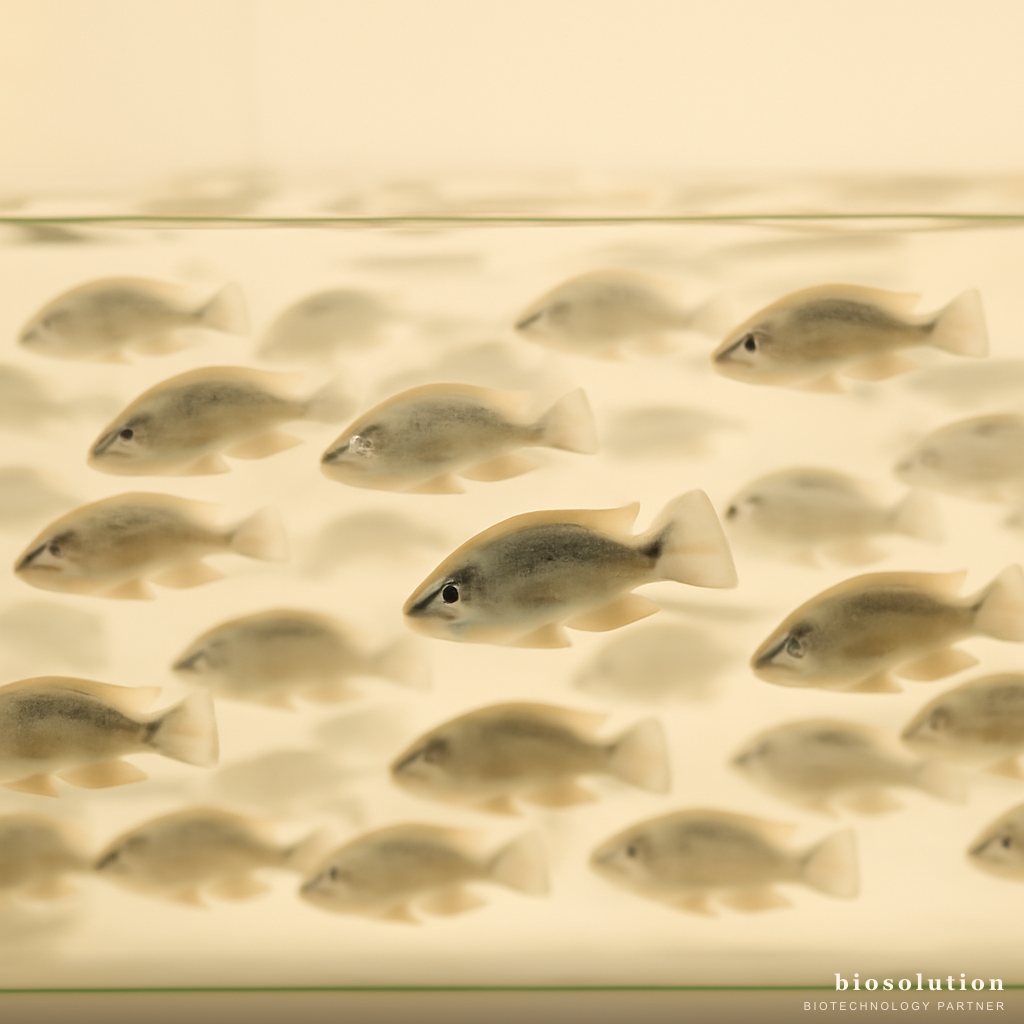
Sex reversal of monosex tilapia has become a standard practice in hatcheries to produce male tilapia populations that grow faster and more uniformly. However, success does not stop at the laboratory bench. Post-sex reversal pond management is a determining factor in whether the monosex tilapia seed can achieve maximum growth potential. One of the most critical aspects is maintaining water quality, and this is where the role of aquaculture probiotics becomes very important. This article will discuss how to choose the right probiotic for post-sex reversal pond management of male monosex tilapia, focusing on the Biosolution Tilapia Pond Probiotic Formula product.
Why Is Post-Sex Reversal Pond Management for Monosex Tilapia Crucial?
The sex reversal process for monosex tilapia involves administering the hormone methyltestosterone in larval feed, which can cause physiological stress and increase susceptibility to disease. After treatment, the monosex tilapia seed is transferred to grow-out ponds that must have optimal conditions for high growth and survival. Some main challenges include:
- Ammonia and Nitrite Accumulation: High stocking density in post-sex reversal ponds often leads to accumulation of uneaten feed and feces, triggering increases in ammonia and nitrite. Both compounds are toxic to fish, especially in the early growth phase.
- Dissolved Oxygen Fluctuations: Decomposition of organic matter by pathogenic bacteria can lower dissolved oxygen levels, causing oxidative stress and mortality.
- Pathogenic Bacteria Growth: Poor water conditions become a breeding ground for bacteria such as Aeromonas and Edwardsiella, which can cause disease in still-vulnerable monosex tilapia.
Therefore, post-sex reversal pond management for monosex tilapia must focus on stabilizing water quality and suppressing pathogens. Aquaculture probiotics offer a natural and effective solution to these problems.
The Role of Aquaculture Probiotics in Restoring Tilapia Pond Water Quality
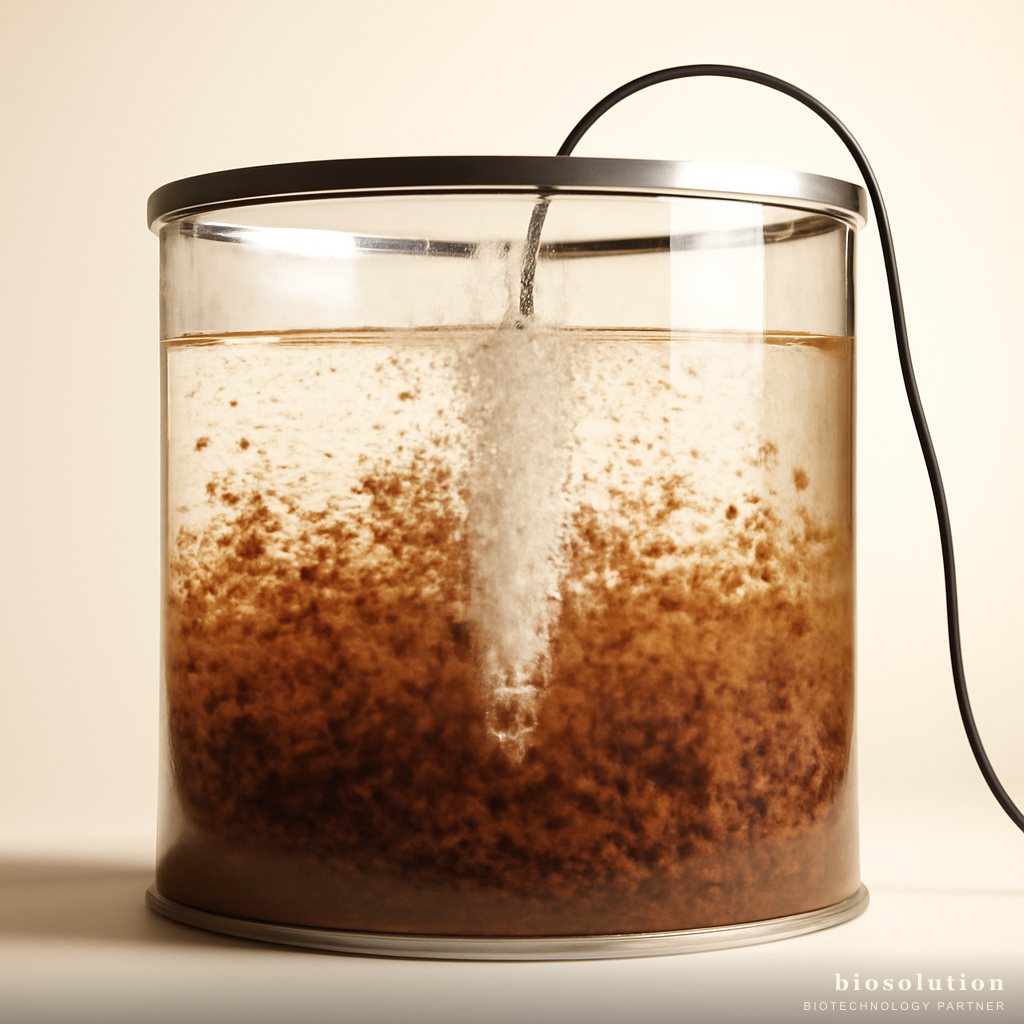
Aquaculture probiotics are live microorganisms that, when applied to ponds, provide health benefits to fish by improving water quality and microbial balance. Unlike chemicals that only suppress symptoms, probiotics work biologically through competition and degradation mechanisms.
The main mechanisms of aquaculture probiotics include:
- Nitrification: Nitrifying bacteria such as Nitrosomonas and Nitrobacter oxidize ammonia into nitrite, then nitrite into nitrate, which is much less toxic. This is very important in post-sex reversal pond management for monosex tilapia because ammonia is often the main killer.
- Organic Matter Decomposition: Bacillus subtilis bacteria produce enzymes that break down uneaten feed, feces, and other organic matter, reducing pollution load and preventing the formation of toxic gases like H₂S.
- Competitive Exclusion: Probiotics occupy the same ecological niches as pathogens, thereby inhibiting the growth of harmful bacteria through competition for nutrients and space.
- Immune Stimulation: Some probiotics also stimulate the non-specific immune system of fish, increasing resistance to disease.
By applying aquaculture probiotics regularly, water quality in post-sex reversal ponds for monosex tilapia can be maintained within optimal ranges: ammonia <0.02 ppm, nitrite <0.1 ppm, pH 7-8, and dissolved oxygen >5 ppm.
Criteria for Choosing Aquaculture Probiotics for Post-Sex Reversal Pond Management
Not all aquaculture probiotics are suitable for post-sex reversal conditions. Here are criteria to consider:
1. Specific Bacterial Content for Tilapia Ponds
Probiotics should contain bacterial strains proven effective in freshwater environments with tropical temperatures (28-32°C). Nitrosomonas and Nitrobacter are top choices for nitrification, while Bacillus subtilis excels in organic decomposition. The Biosolution Tilapia Pond Probiotic Formula contains all three strains in concentrations suitable for tilapia ponds.
2. Appropriate Dosage and Application Frequency
Post-sex reversal pond management for monosex tilapia requires periodic probiotic application. The recommended dosage is 2 L per 1000 m³ of water every 7 days. Morning application is better because water temperature is still stable and dissolved oxygen is high, allowing probiotic bacteria to work optimally.
3. Stability and Shelf Life
Liquid probiotics must have adequate shelf life (at least 6 months) and remain viable under normal storage conditions. Ensure the product has clear labeling and an expiration date.
4. Compatibility with Aeration Systems
Probiotics require oxygen to work aerobically. Post-sex reversal ponds should be equipped with adequate aeration (paddlewheels or blowers) to support the activity of nitrifying bacteria and Bacillus.
5. Free from Pathogens or Harmful Substances
Ensure the chosen aquaculture probiotic has been tested free from pathogenic bacteria such as Vibrio or Aeromonas. Biosolution products are manufactured to high quality standards and have passed safety tests.
Case Study: Application of Biosolution Tilapia Pond Probiotic Formula
As an example of implementation, a tilapia hatchery in West Java applied the Biosolution Tilapia Pond Probiotic Formula for 4 weeks after monosex tilapia sex reversal. The results showed:
- Ammonia Reduction: Ammonia levels dropped from 0.5 ppm to 0.01 ppm within 7 days.
- Increased Dissolved Oxygen: From 3.2 mg/L to 5.8 mg/L.
- Decreased Mortality: Seed mortality rate fell from 15% to 3%.
- More Uniform Growth: Average weight of monosex tilapia increased by 20% compared to the control without probiotics.
This success is inseparable from the synergy between Nitrosomonas, Nitrobacter, and Bacillus subtilis working holistically. Nitrosomonas oxidizes ammonia to nitrite, then Nitrobacter oxidizes nitrite to nitrate. Meanwhile, Bacillus subtilis decomposes organic matter, reduces pollution load, and produces compounds that stimulate fish growth.
Water Quality Monitoring and Evaluation Strategy
Post-sex reversal pond management for monosex tilapia is incomplete without routine monitoring. Parameters to measure daily include:
- Ammonia (NH₃): Use a test kit or spectrophotometer. If >0.1 ppm, immediately increase probiotic dosage and aeration.
- Nitrite (NO₂): Levels >0.5 ppm indicate incomplete nitrification. Ensure sufficient Nitrobacter population.
- pH: Ideal 7-8. pH fluctuations affect probiotic effectiveness.
- Dissolved Oxygen (DO): Minimum 4 ppm. If low, reduce stocking density or increase aeration.
- Temperature: 28-32°C. Temperatures outside this range inhibit bacterial activity.
With monitoring data, adjustments to probiotic dosage and frequency can be made precisely. As an external reference, you can refer to the Tilapia Farming Guidelines from the Ministry of Marine Affairs and Fisheries for water quality standards.
Conclusion
Post-sex reversal pond management for male monosex tilapia requires special attention to water quality. The right aquaculture probiotic, such as the Biosolution Tilapia Pond Probiotic Formula, offers an effective solution with Nitrosomonas, Nitrobacter, and Bacillus subtilis working synergistically. With regular application of 2 L per 1000 m³ of water every 7 days, you can maintain ammonia, nitrite, and oxygen stability and reduce mortality. For optimal results, combine with good aeration and regular water parameter monitoring. If you would like to discuss further about probiotics for tilapia ponds, feel free to contact the Biosolution technical team via WhatsApp or see product details at Tilapia Pond Probiotic Formula.
FAQ
1. What is monosex tilapia sex reversal?
Monosex tilapia sex reversal is a technique to produce a male tilapia population by administering the hormone methyltestosterone to larvae. The goal is faster and more uniform growth, as male tilapia grow larger than females.
2. When is the best time to apply probiotics after sex reversal?
Probiotic application should begin immediately after the seed is transferred to the grow-out pond, i.e., on the first day. Continue every 7 days to maintain optimal water quality during the rearing period.
3. Are probiotics safe for monosex tilapia seed?
Yes, aquaculture probiotics like the Tilapia Pond Probiotic Formula contain non-pathogenic bacteria that are safe for fish. In fact, probiotics help reduce stress and increase the seed's resistance to disease.
4. What is the recommended probiotic dosage for tilapia ponds?
The recommended dosage is 2 L of Tilapia Pond Probiotic Formula per 1000 m³ of water, applied every 7 days in the morning. The dosage can be adjusted if water conditions worsen, for example after rain or high stocking density.
5. Can probiotics replace aeration?
No. Probiotics require oxygen to work, especially nitrifying bacteria and Bacillus. Aeration is still necessary to maintain dissolved oxygen levels of at least 4 ppm. Probiotics and aeration complement each other in post-sex reversal pond management.