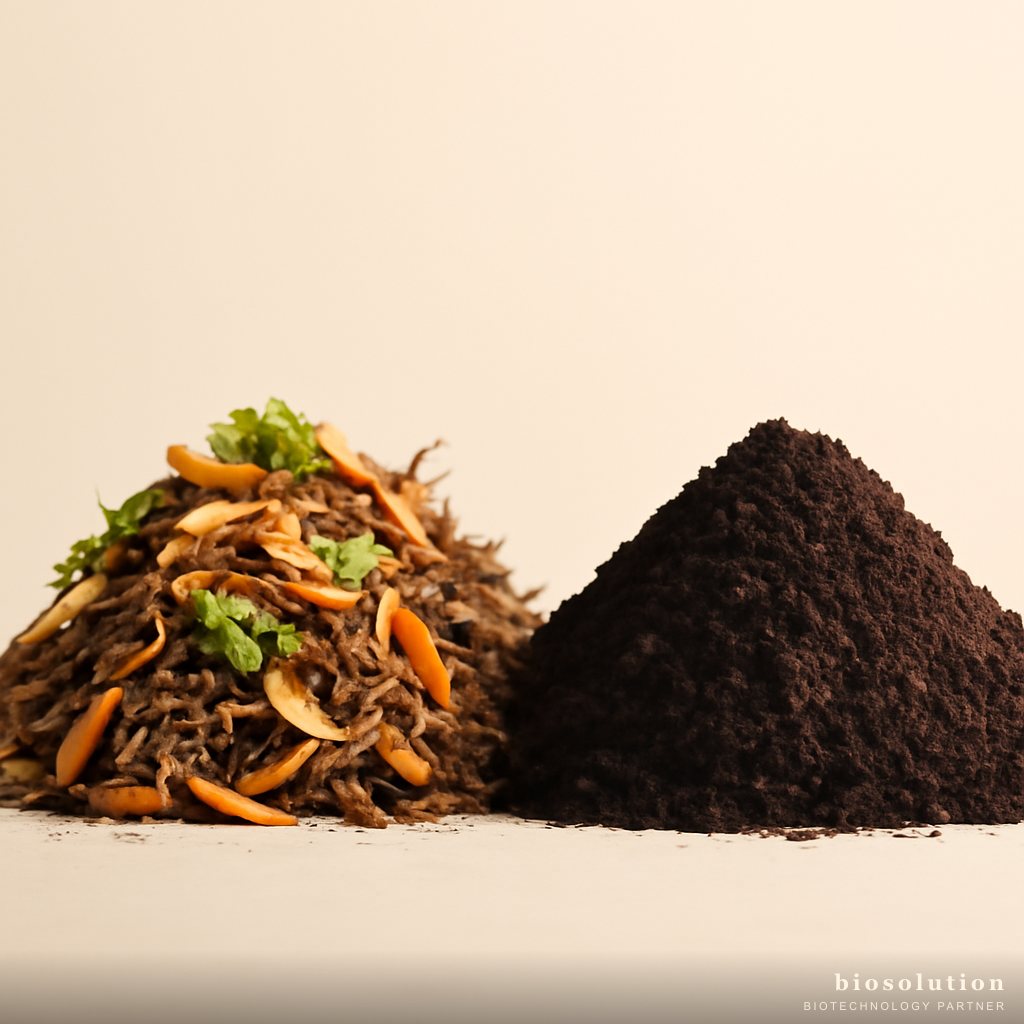
Potato Biofertilizer: Higher Yields in the Highlands
Potato farmers in the highlands, such as Dieng, face unique challenges: low temperatures, high humidity, and soil that is often saturated with chemical fertilizers. This is where potato biofertilizer comes as a smart solution. By utilizing beneficial microorganisms, biofertilizers not only increase nutrient availability but also improve soil health naturally. This article will thoroughly discuss the criteria for selecting the best biofertilizer for highland potatoes, complete with recommendations for proven products.
Why is Biofertilizer Important for Highland Potatoes?
Highland potatoes (altitude >1000 m above sea level) require consistent nutrition throughout the growing cycle. Unfortunately, excessive use of chemical fertilizers damages soil structure and suppresses natural microbial populations. Biofertilizers contain microorganisms such as Lactobacillus acidophilus, phosphate-solubilizing bacteria, and PGPR (Plant Growth Promoting Rhizobacteria) that work synergistically with plant roots.
The Role of PGPR in Increasing Potato Production
PGPR are bacteria that live in the rhizosphere and provide many benefits. In potato plants, PGPR produce growth hormones such as auxins and gibberellins, which stimulate root and tuber formation. Additionally, PGPR solubilize phosphate bound in the soil, making it available to plants. Data from various studies show that PGPR application can increase potato tuber weight by 20-30%.
Advantages of Biofertilizer Over Chemical Fertilizers
Chemical fertilizers provide quick results, but their long-term effects are detrimental: soil becomes hard, organic content decreases, and production costs swell. In contrast, biofertilizers improve soil aggregates, increase water retention, and induce plant resistance to diseases. For highland potatoes, which are susceptible to bacterial wilt and nematodes, biofertilizers serve as an effective natural shield.
Criteria for the Best Biofertilizer for Highland Potatoes
Not all biofertilizers are suitable for highland potatoes. Here are the criteria to consider:
1. Contains a Superior Microbial Consortium
Quality biofertilizers must contain at least 3-5 mutually supportive microbial strains. For example, a combination of Bacillus subtilis (phosphate solubilizer), Pseudomonas fluorescens (siderophore producer), and Azotobacter (nitrogen fixer). A PGPR consortium like this is more effective than a single strain.
2. High Organic Matter Content
Microbes need organic matter as an energy source. Good biofertilizers are usually enriched with humic acid, fulvic acid, or seaweed extract. These materials also act as natural chelators that aid nutrient absorption.
3. Registered with the Ministry of Agriculture
Legal biofertilizers must have a registration number from the Ministry of Agriculture of the Republic of Indonesia. This ensures the product has been tested for safety and effectiveness. Avoid products without distribution permits as they may contain contaminants or pathogenic microbes.
4. Stable at Low Temperatures
Highlands have cold night temperatures (12-18°C). The microbes in the biofertilizer must remain active at these temperatures. Products with encapsulation formulas or organic carriers are usually more stable.
Formula POC Kualitas Umbi: The Right Solution for the Tubering Phase
One product that meets the above criteria is Formula POC Kualitas Umbi from Biosolution. This product is specifically designed for the potato tubering phase, when the plant begins to form tubers. Here are its composition and benefits:
Superior Composition
- PGPR Consortium: Triggers the production of cytokinin and gibberellin hormones, and increases the availability of micronutrients. PGPR also produces enzymes that break down complex organic compounds in the soil.
- Seaweed Extract: Rich in natural cytokinins, auxins, and micronutrients such as zinc, boron, and manganese. Seaweed extract also contains betaine which helps plants cope with low-temperature stress.
- Humic and Fulvic Acids: Act as carriers that bind nutrients and release them slowly. Humic acid also stimulates root hair growth, optimizing nutrient absorption.
Application Method
- Method: Foliar spray or drench at the base of the stem.
- Dosage: 3-5 ml per liter of water.
- Frequency: Every 7-10 days, starting when the plant is 30-40 days after planting (tuber initiation phase).
- Time: Morning before 10 AM to avoid evaporation and UV rays that can damage microbes.
Proven Results
Based on field trials in the Dieng highlands, application of Formula POC Kualitas Umbi resulted in:
- 15-25% increase in tuber weight per plant.
- Up to 30% reduction in flower/fruit drop.
- More uniform tuber quality with large size.
- Longer shelf life due to adequate calcium and boron content.
Case Study: Dieng Farmer Succeeds with Biofertilizer
Mr. Budi, a potato farmer in Dieng Kulon Village, has been using biofertilizer for two growing seasons. Previously, he relied on high doses of NPK chemical fertilizers, but yields stagnated and the soil began to harden. After switching to Formula POC Kualitas Umbi combined with organic base fertilizer, his harvest increased from 20 tons/ha to 25 tons/ha. "The tubers are bigger, the skin is smooth, and they don't rot easily when stored," he said.
Tips for Optimal Biofertilizer Application
- Do not mix directly with chemical fungicides as they can kill microbes. If necessary, allow a 3-4 day interval.
- Use clean water (pH 6-7) to dissolve the biofertilizer. Water that is too acidic or alkaline can reduce microbial viability.
- Store in a cool place (temperature 15-25°C) and avoid direct sunlight. Shelf life is usually 6-12 months.
- Apply regularly according to dosage. Do not exceed the dosage as it can cause microbial imbalance.
Conclusion
Potato biofertilizer is a long-term investment for sustainable agriculture. By choosing the right biofertilizer—containing a PGPR consortium, organic matter, and officially registered—highland farmers can significantly increase crop yields. Formula POC Kualitas Umbi from Biosolution is one of the best options that has been field-tested. For further consultation, contact the Biosolution team via WhatsApp or visit the product page Formula POC Kualitas Umbi.
FAQ
1. What is potato biofertilizer? Potato biofertilizer is a product containing living microorganisms such as PGPR, phosphate-solubilizing bacteria, and nitrogen fixers that benefit potato plants. These microbes help increase nutrient availability, stimulate root growth, and induce plant resistance to diseases.
2. How does PGPR work on potato plants? PGPR works by producing growth hormones (auxins, cytokinins, gibberellins) that stimulate lateral root and tuber formation. Additionally, PGPR solubilizes phosphate, fixes nitrogen, and produces siderophores that bind iron, depriving pathogens of iron.
3. Is biofertilizer safe for the environment? Very safe. Biofertilizers come from natural microorganisms that leave no chemical residues. Their use actually improves soil structure, increases soil microbial biodiversity, and reduces water pollution from chemical fertilizer runoff.
4. What is the dosage of biofertilizer for potatoes? Dosage depends on the product. For Formula POC Kualitas Umbi, the recommended dosage is 3-5 ml per liter of water, sprayed every 7-10 days. Follow the instructions on the packaging for optimal results.
5. When is the best time to apply biofertilizer? The best time is in the morning before 10 AM or in the afternoon after 4 PM. Avoid application during rain or direct sunlight as microbes are sensitive to UV rays and extreme temperatures.