Premium Gourami Pond: Water Quality Management Strategy Per Cultivation Phase
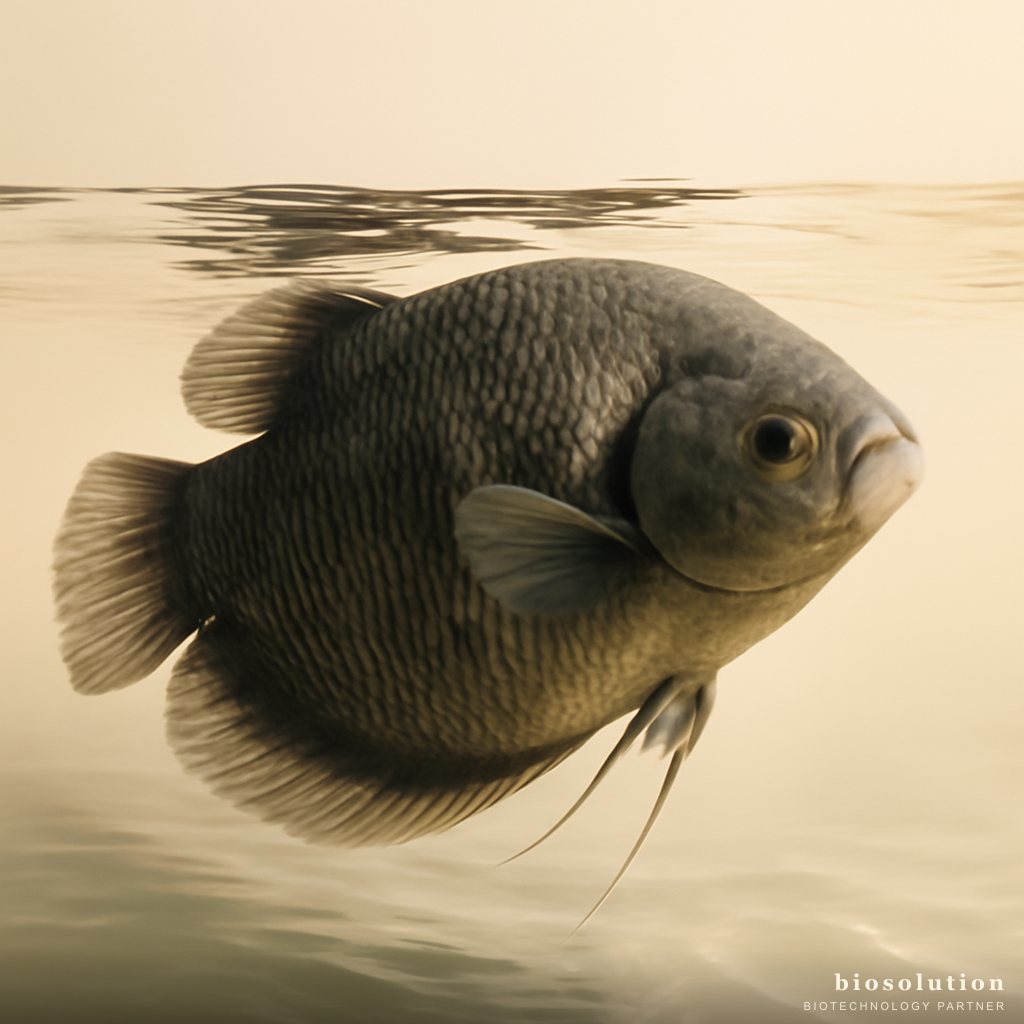
Cultivating premium gourami demands extra attention to pond water quality. Gourami (Osphronemus goramy) is known for its long rearing period, reaching 8–12 months until premium consumption size of 500–800 grams. During this period, water quality changes dynamically as fish biomass increases and feed residue accumulates. Without proper management, the productivity of premium gourami ponds can decline drastically. Fortunately, with the application of premium gourami pond probiotics such as Biosolution's Gourami Pond Probiotic Formula, farmers can maintain ideal water conditions in every cultivation phase. This article reviews water management strategies per phase, complete with scientific data and application recommendations.
Why Is Water Quality a Determining Factor for Premium Gourami Pond Success?
Premium gourami has higher quality standards compared to ordinary gourami. These fish require an environment with dissolved oxygen (DO) above 4 mg/L, pH 6.5–8.0, temperature 25–30°C, and total ammonia <0.5 mg/L. In intensive cultivation systems, organic waste from feed residue and feces accumulates, triggering a spike in toxic ammonia (NH3). Ammonia comes from protein decomposition and fish excretion. In alkaline conditions (high pH), NH3 is more toxic. Therefore, water management cannot be generalized; each phase has different challenges.
Pond Preparation Phase: Creating a Stable Initial Ecosystem
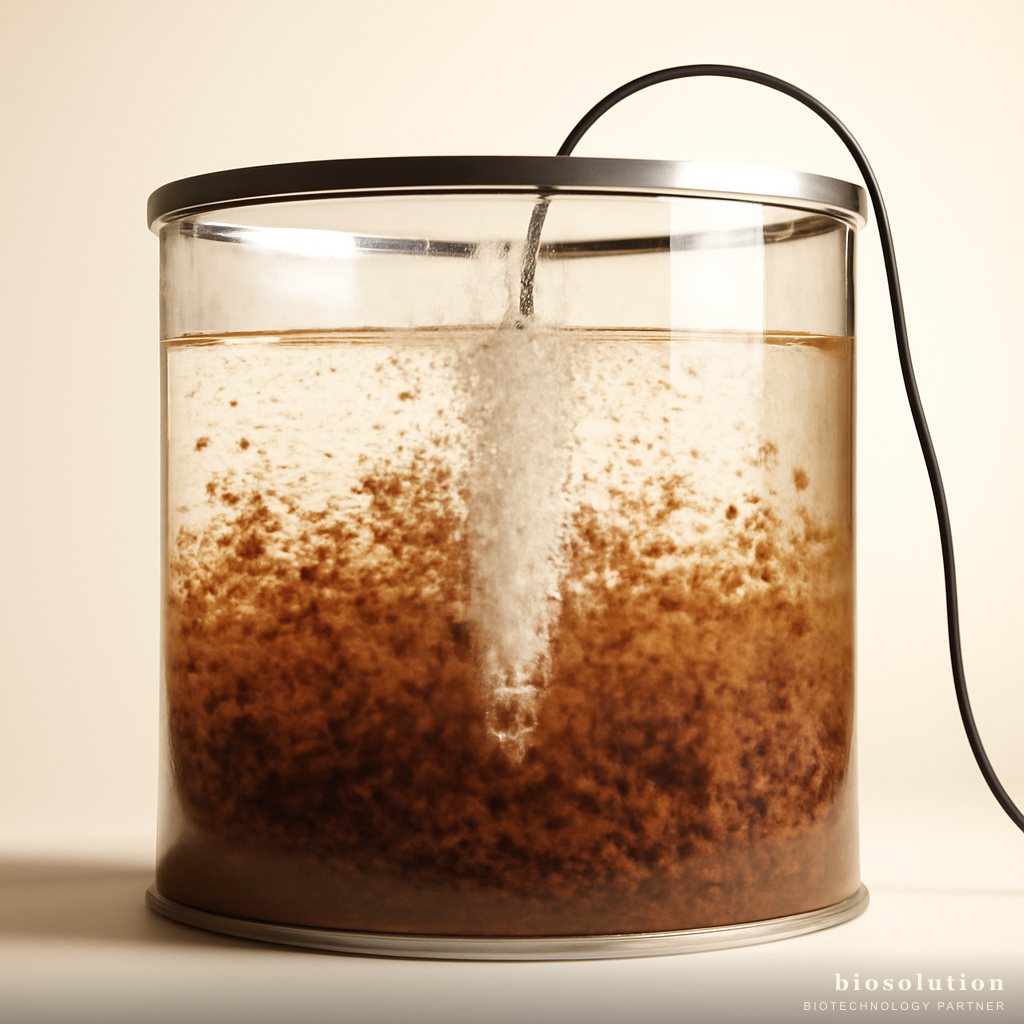
Before stocking fingerlings, the pond must be sterilized and conditioned. Liming (dose 100–200 g/m²) and initial fertilization (manure 500 g/m²) are commonly done. However, for premium gourami ponds, a crucial step is inoculating beneficial bacteria. Gourami Pond Probiotic Formula contains Bacillus subtilis as a pond decomposer and Nitrosomonas sp. for ammonia oxidation. Initial application at a dose of 2 L per 1000 m³ of water, applied in the morning, helps form biofilm and the nitrogen cycle from the start. This prevents ammonia spikes when fingerlings are stocked.
Early Rearing Phase (0–3 Months): Maintaining Water Stability
In this phase, gourami fingerlings are 5–10 cm in size, biomass is still low. However, the feed given (usually pellets with 30–35% protein) begins to produce waste. The key is to prevent ammonia accumulation. Nitrosomonas sp. in the probiotic works to oxidize ammonia into nitrite, then nitrite-oxidizing bacteria (Nitrobacter) convert nitrite into relatively non-toxic nitrate. Probiotic application every 10 days at a dose of 2 L/1000 m³ of water keeps ammonia concentrations low. Water parameters such as pH and alkalinity need to be monitored; if pH drops drastically, apply liming as needed.
Growth Phase (4–6 Months): Anticipating Increased Organic Load
Entering the 4th month, gourami start eating actively and growing quickly. Biomass increases, so the organic load also rises. Bacillus subtilis plays a role in decomposing feed residue and feces into simple compounds. This aerobic decomposition process requires oxygen, therefore ensure sufficient aeration (DO >4 mg/L). In this phase, the frequency of probiotic application can be increased to every 7 days if water quality begins to decline (e.g., dark green water color or foul odor). Ammonia and nitrite measurements should be done weekly.
Final Grow-Out Phase (7–10 Months): Optimization Towards Premium Harvest
This is a critical phase leading to premium gourami harvest. Fish are already 400–700 grams in size, feed consumption is high, and organic waste is maximal. Without management, ammonia can spike to >1 mg/L, causing stress and disease susceptibility. Premium gourami pond probiotics are still applied routinely every 10 days. Additionally, perform siphoning or partial water changes (20–30%) every 2 weeks. The combination of probiotics and water circulation results in premium water quality that supports stable gourami growth and firm flesh.
Specific Role of Bacteria in Premium Gourami Pond Probiotics
Bacillus subtilis is a Gram-positive bacterium that produces protease, amylase, and lipase enzymes. These enzymes break down organic polymers (proteins, carbohydrates, fats) into monomers that are easily absorbed by other microorganisms. Thus, the accumulation of organic sludge on the pond bottom is reduced. Nitrosomonas sp. is a chemoautotrophic bacterium that oxidizes ammonia (NH3) into nitrite (NO2-). These two bacteria work synergistically: Bacillus cleans organic matter, Nitrosomonas breaks down ammonia. As a result, water quality is maintained, fish growth is stable, and the risk of diseases such as red spot or Aeromonas bacterial infection decreases.
Case Study: Probiotic Application in Premium Gourami Ponds
A trial in a 500 m² premium gourami pond with a stocking density of 10 fish/m² (size 10 cm) showed encouraging results. The pond treated with Gourami Pond Probiotic Formula every 10 days had an average ammonia level of 0.2 mg/L during rearing, while the control pond (without probiotics) reached 0.8 mg/L in the 6th month. Survival rate in the probiotic pond reached 95%, while the control was 85%. Average harvest weight was 650 grams in 9 months, 15% higher than the control. This data confirms that premium gourami pond probiotics are not just a supplement, but a technical necessity.
Conclusion
Water quality management per cultivation phase is the key to success for premium gourami ponds. From pond preparation, early rearing, growth, to final grow-out, each phase has challenges that can be overcome with proper probiotic application. Biosolution's Gourami Pond Probiotic Formula, containing Bacillus subtilis and Nitrosomonas sp., provides an integrated solution to maintain premium water quality, stable gourami growth, and premium grade harvest. For further consultation on dosage and application schedule according to your pond conditions, contact the Biosolution team via WhatsApp.
FAQ
What is the probiotic dosage for premium gourami ponds?
The recommended dose is 2 L per 1000 m³ of water, applied every 10 days in the morning. During high organic load phases, frequency can be increased to every 7 days. Ensure adequate aeration for optimal aerobic bacterial activity.
Is the probiotic safe for gourami fingerlings?
Yes, the probiotic contains non-pathogenic bacteria that are safe for fish. In fact, in the early phase, probiotics help establish pond microbial balance, making fingerlings more stress-resistant. The initial application can be done 2 days before stocking fingerlings.
How to measure probiotic effectiveness?
Monitor water quality parameters such as ammonia, nitrite, pH, and DO regularly. If ammonia and nitrite remain low (<0.5 mg/L) and water color is stable (bright green or clear brown), the probiotic is working effectively. Uniform fish growth is also an indicator.
When is the best time to apply probiotics?
Morning (07:00–09:00) is the best time because water temperature is still low and dissolved oxygen is high. Avoid application during heavy rain or turbid water as suspended particles can bind bacteria and reduce effectiveness.
Should it be combined with water changes?
Yes, partial water changes of 20–30% every 2 weeks are still recommended to reduce nitrate accumulation and maintain water freshness. Probiotics and water changes are a synergistic combination for premium water quality.