Probiotic Feed for Vaname Shrimp for Gut Health and FCR
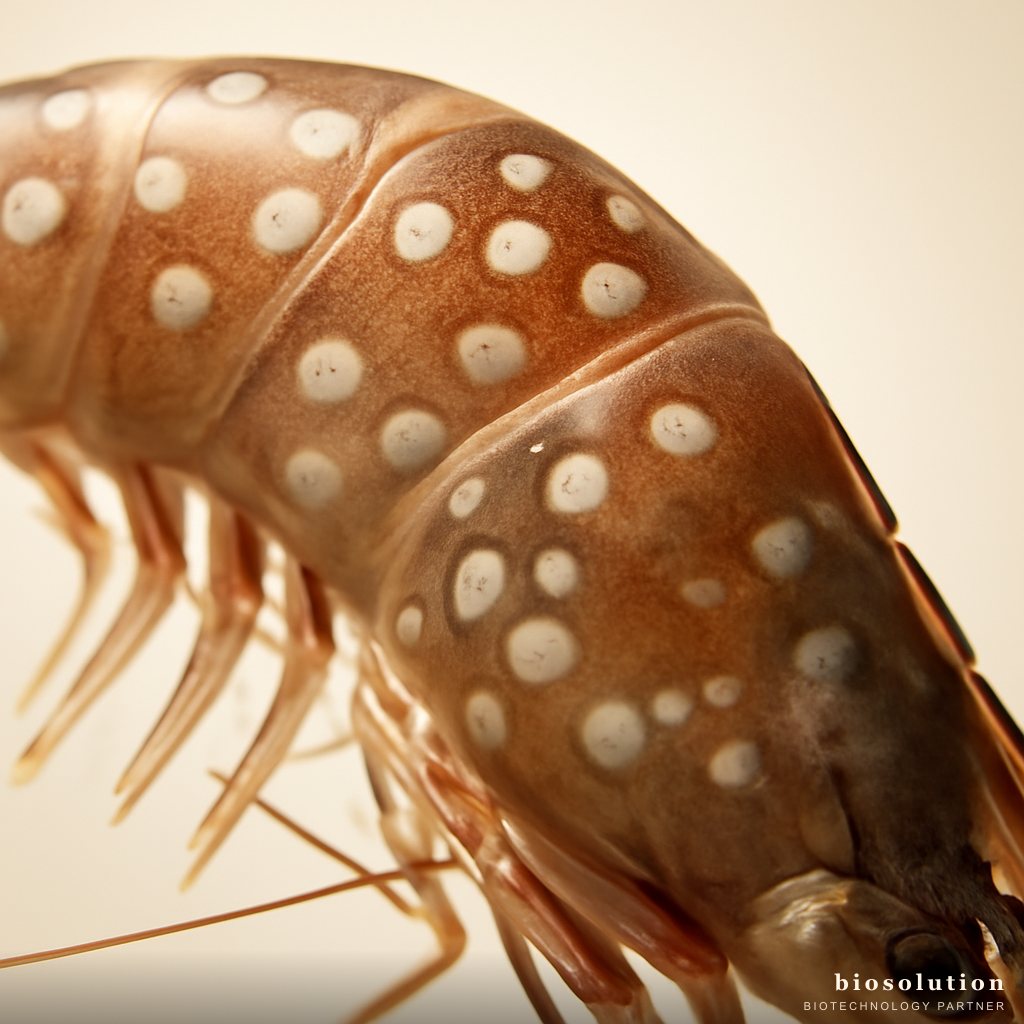
Probiotic feed for vaname shrimp is now a mainstay solution for intensive shrimp ponds to improve gut health and feed efficiency (FCR). By using the Vaname Shrimp Probiotic Feed Formula from Biosolution, farmers can optimize shrimp growth while reducing mortality risk during critical periods. This article will thoroughly discuss how to apply probiotic feed for vaname shrimp, from dosage per hectare, frequency of administration, to proper timing.
Why Gut Health and FCR Matter for Vaname Shrimp?
Digestive tract health (gut health) is the main foundation of vaname shrimp productivity. A healthy gut allows optimal nutrient absorption, so the feed given can be efficiently converted into meat. A low FCR (Feed Conversion Ratio)—ideally below 1.5—indicates that shrimp can utilize feed well. Conversely, gut health disorders such as Vibrio bacterial infection or gut microflora dysbiosis can increase FCR to 2.0 or higher, resulting in wasted feed costs and slower growth.
Probiotic feed for vaname shrimp plays a role in balancing gut microflora, suppressing pathogens, and stimulating digestive enzyme production. Thus, gut health is maintained and FCR improves. Data from Biosolution shows that routine use of the Vaname Shrimp Probiotic Feed Formula can improve FCR efficiency by 8–12%.
Composition of Vaname Shrimp Probiotic Feed Formula
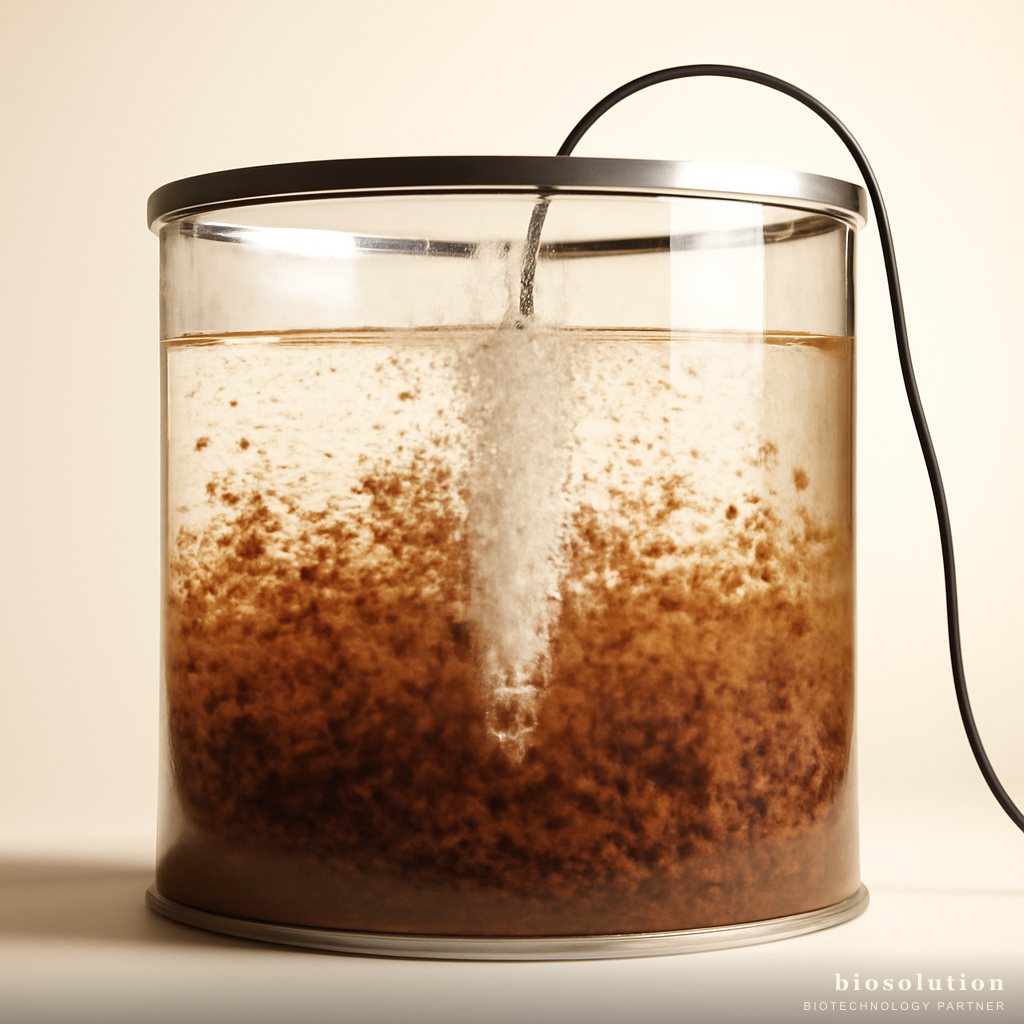
The Vaname Shrimp Probiotic Feed Formula contains three superior bacterial strains that work synergistically:
Lactobacillus plantarum
This lactic acid bacterium produces lactic acid in the shrimp gut, lowering gut pH and inhibiting the growth of pathogenic bacteria such as Vibrio. Additionally, L. plantarum produces bacteriocins that directly kill harmful bacteria.
Bacillus coagulans
This spore-forming bacterium is resistant to high temperatures during feed pellet manufacturing. B. coagulans spores germinate in the shrimp gut and produce lactic acid and enzymes that aid digestion.
Bacillus subtilis
This strain is known for producing extracellular enzymes such as protease, amylase, and lipase that break down proteins, carbohydrates, and fats in feed. B. subtilis also has strong anti-Vibrio activity, protecting the gut from infection.
These three strains are formulated at high concentrations to ensure effectiveness when applied to feed.
How to Apply Vaname Shrimp Probiotic Feed Formula
Proper application is key to the success of probiotic feed for vaname shrimp. Here is a complete guide based on Biosolution's recommendations:
Dosage per Kilogram of Feed
The recommended dosage is 5 ml per kg of feed. This amount is equivalent to 5 liters of probiotic for every 1 ton of feed. Use accurate measuring tools, such as a syringe or measuring cup, to avoid overdose or underdose.
Frequency of Administration
Probiotics should be given every time feed is provided. There are no days off or reduced frequency, because the probiotic bacterial colony needs to be continuously renewed in the shrimp's digestive tract. This consistency maintains gut microflora balance at all times.
Application Timing
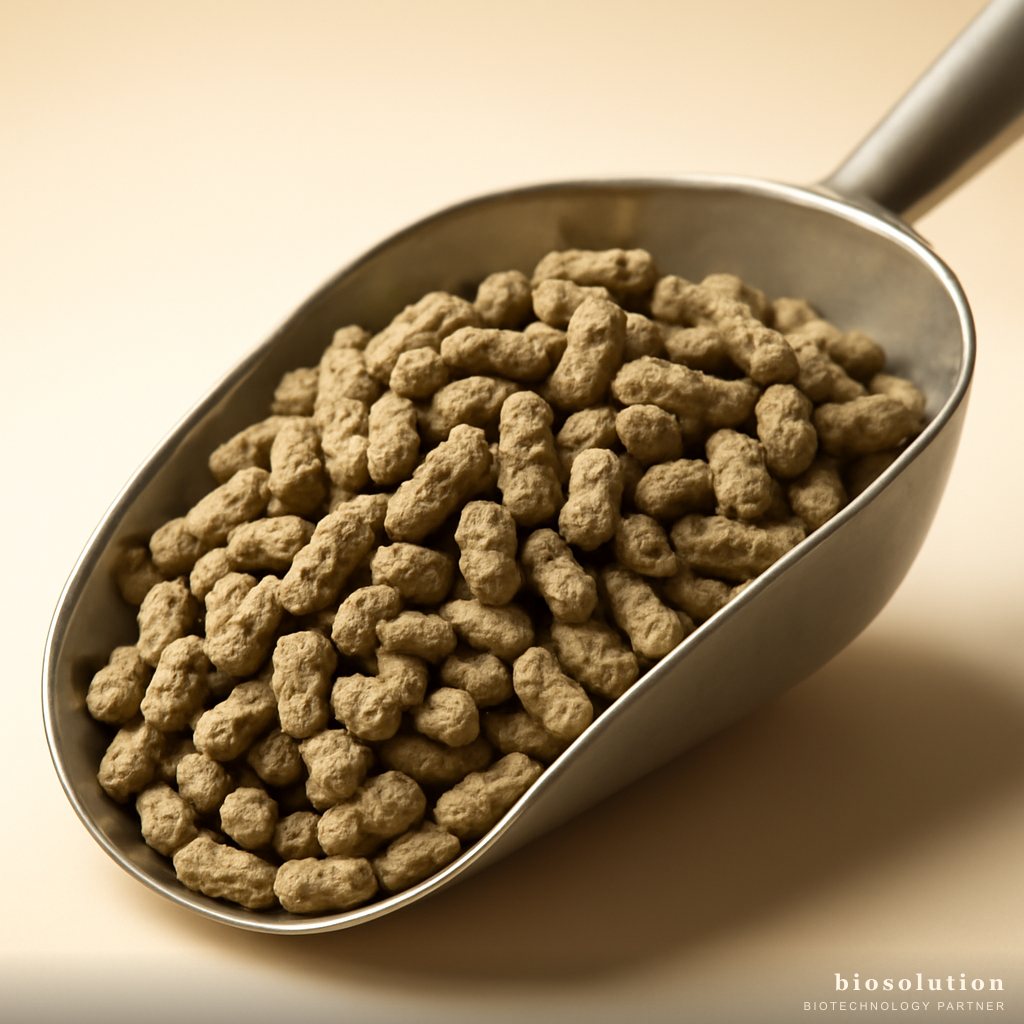
The best time to mix probiotics is during top dressing of feed. Top dressing is the process of adding additives to the surface of feed pellets just before spreading. The steps:
- Prepare feed in a clean container.
- Spray or pour the probiotic according to the dosage evenly over the pellets.
- Stir gently until the probiotic is evenly coated.
- Let stand for 5–10 minutes to allow the probiotic to absorb, then spread into the pond.
Avoid mixing probiotics long before feeding, as bacteria can die if exposed to air for too long. Application should ideally be done no more than 30 minutes before feed is spread.
Dosage Adjustment for Critical Conditions
When shrimp are stressed (e.g., extreme weather changes, high stocking density, or early water intake), the dosage can be increased to 7–10 ml per kg of feed for 3–5 days. This helps strengthen immunity and prevent pathogen outbreaks.
Proven Benefits of Routine Application
Farmers who consistently apply the Vaname Shrimp Probiotic Feed Formula report several tangible benefits:
- FCR improves by 8–12%: This means that for every kilogram of shrimp meat produced, feed requirements are reduced by 8–12%.
- Shrimp immunity improves: Survival rate (SR) increases, especially when facing environmental stress.
- Faster growth: Shrimp reach harvest size sooner, making the cultivation cycle more efficient.
- Reduces mortality during critical periods: Deaths during post-larval and early grow-out phases decrease significantly.
These benefits are supported by field data from intensive ponds in East Java and Lampung, where routine probiotic use resulted in an average FCR of 1.3–1.4 compared to controls of 1.6–1.8.
Comparison with Other Commercial Probiotics
On the market, many probiotic feed products for vaname shrimp contain only one strain or low concentrations. The Vaname Shrimp Probiotic Feed Formula excels because:
- Contains three synergistic strains with different roles.
- Bacillus coagulans and B. subtilis are in spore form, resistant to the pelleting process.
- Low dosage (5 ml/kg) yet effective due to high concentration (>10^9 CFU/ml).
- Officially registered with the Ministry of Marine Affairs and Fisheries (KKP) and tested in various ponds.
Case Study: Intensive Pond in Banyuwangi
An intensive vaname shrimp pond in Banyuwangi with an area of 1 hectare applied the Vaname Shrimp Probiotic Feed Formula for one cycle (90 days). Monitored parameters included FCR, SR, and average harvest weight. Results:
- FCR: 1.28 (control 1.55)
- SR: 92% (control 78%)
- Average weight: 18 grams (control 16 grams)
The pond saved about 15% on feed costs and shortened the harvest period by 7 days. This success was due to disciplined probiotic application at every feeding.
Tips for Storing Probiotic Feed
To maintain probiotic quality, store the product in a cool, dry place (temperature 4–30°C). Avoid direct sunlight exposure. After opening, use within 30 days for optimal results. Do not freeze or heat the product above 40°C as it can damage the bacteria.
Conclusion
Probiotic feed for vaname shrimp is a smart investment to improve gut health and FCR efficiency. By following proper application guidelines—dosage 5 ml/kg, frequency every feeding, and top dressing timing—farmers can experience real benefits in shrimp growth and survival. Biosolution's Vaname Shrimp Probiotic Feed Formula, with a combination of Lactobacillus plantarum, Bacillus coagulans, and Bacillus subtilis, is the right choice for intensive ponds.
For more information or technical consultation, contact the Biosolution team via WhatsApp. See product details Vaname Shrimp Probiotic Feed Formula and find complete solutions for your shrimp farming.
FAQ
What is probiotic feed for vaname shrimp?
Probiotic feed for vaname shrimp is a supplement containing beneficial bacteria mixed into the feed to maintain the health of the shrimp's digestive tract. Bacteria such as Lactobacillus plantarum, Bacillus coagulans, and Bacillus subtilis help balance gut microflora, improve nutrient absorption, and suppress pathogens like Vibrio. As a result, FCR improves and shrimp growth is more optimal.
What is the correct probiotic dosage per kg of feed?
The recommended dosage is 5 ml per kg of feed. For stress or critical conditions, the dosage can be increased to 7–10 ml per kg of feed for 3–5 days. Use accurate measuring tools and mix during top dressing, no more than 30 minutes before feed is spread.
Is probiotic safe for shrimp and the environment?
Yes, the probiotics used are non-pathogenic bacteria that have been tested safe. Biosolution products are registered with KKP and leave no harmful residues. Using probiotics actually reduces the need for antibiotics, making them more environmentally friendly.
When is the best time to give probiotics to shrimp?
The best time is every feeding, especially during top dressing. Routine application maintains a stable probiotic population in the gut. Avoid mixing probiotics long before feeding as it can reduce bacterial viability.
How should probiotics be stored to remain effective?
Store probiotics in a cool, dry place (temperature 4–30°C), away from direct sunlight. After opening, use within 30 days. Do not freeze or heat the product above 40°C to maintain bacterial quality.