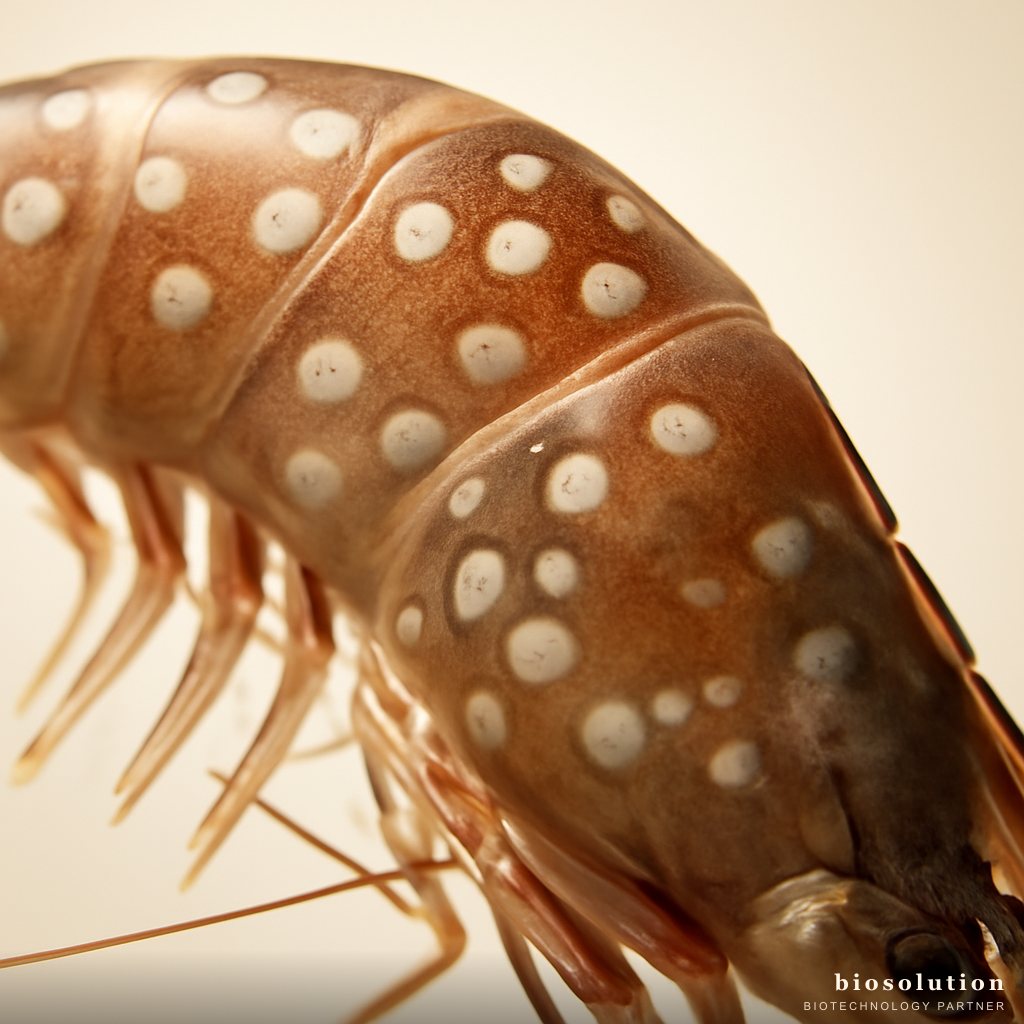
Polyculture Milkfish Pond Probiotics: Key to Monitoring Ammonia, pH, Oxygen, and Salinity
Polyculture farming of milkfish with shrimp is increasingly popular due to land efficiency and increased income. However, the main challenge faced by farmers is water quality fluctuations that can trigger stress, disease, and mass mortality. Daily monitoring of water parameters such as ammonia, pH, dissolved oxygen, and salinity is key to success. This is where the role of polyculture milkfish pond probiotics becomes a biological solution that not only improves water quality but also supports the synergistic growth of milkfish and shrimp.
Why is Daily Water Parameter Monitoring Important?
Water quality is a determining factor for the success of polyculture ponds. The most critical parameters include:
Ammonia (NH3)
Ammonia comes from leftover feed, feces, and metabolism of aquatic organisms. At high concentrations (>0.1 mg/L for NH3), ammonia is toxic, damages gills, and inhibits growth. Daily ammonia monitoring allows early detection and rapid intervention.
pH
Water pH affects ammonia toxicity and microbial activity. The ideal range for milkfish-shrimp polyculture is 7.5–8.5. Low pH (<6.5) increases toxic ammonia, while high pH (>9) can cause stress.
Dissolved Oxygen (DO)
A minimum of 4 mg/L oxygen is required for fish and shrimp respiration. Polyculture increases oxygen demand due to higher density. Daily DO monitoring prevents hypoxia that triggers mass mortality.
Salinity
Milkfish tolerate salinity of 0–35 ppt, while vaname shrimp are optimal at 15–25 ppt. Drastic salinity fluctuations can disrupt osmoregulation. Daily monitoring ensures stability.
Polyculture Milkfish Pond Probiotics: How They Work to Improve Water Quality
Biosolution's polyculture milkfish pond probiotic contains three superior bacteria: Bacillus subtilis, Nitrosomonas sp., and Nitrobacter sp.. They work synergistically to break down pollutants and maintain pond ecosystem balance.
Role of Bacillus subtilis
Bacillus subtilis is a decomposer bacterium that produces protease, amylase, and lipase enzymes. These enzymes break down leftover feed, feces, and organic matter into simple compounds, reducing sludge accumulation and preventing excess ammonia formation. Additionally, Bacillus subtilis produces antimicrobial compounds that suppress pathogenic bacteria such as Vibrio.
Role of Nitrosomonas sp. and Nitrobacter sp.
Both are nitrifying bacteria that oxidize ammonia to nitrite (by Nitrosomonas sp.) and nitrite to nitrate (by Nitrobacter sp.). Nitrate is far less toxic than ammonia and can be utilized by phytoplankton. This process naturally lowers ammonia levels, reducing the need for water changes.
Dosage and Application
This product is applied by direct broadcasting into the pond at a dose of 3 L per hectare every 10 days in the morning. Consistent application ensures optimal bacterial populations for processing organic waste.
Daily Monitoring Strategy: Ammonia, pH, Oxygen, Salinity
Effective Monitoring Steps
- pH and DO Measurement: Use digital meters in the morning and afternoon. Record daily fluctuations.
- Ammonia Test: Use commercial test kits or spectrophotometers. Take water samples at representative points.
- Salinity Check: A simple refractometer is sufficient. Perform after rain or during tides.
- Record Data: Create a daily logbook to detect trends.
Corrective Actions
- If ammonia >0.1 mg/L: Immediately apply polyculture milkfish pond probiotics or reduce feed.
- If pH <7.5: Gradually add dolomite lime.
- If DO <4 mg/L: Increase aeration or reduce density.
- If salinity changes drastically: Adjust with gradual water exchange.
Benefits of Using Probiotics in Milkfish and Shrimp Polyculture
More Consistent Growth
With stable water quality, milkfish and shrimp do not experience physiological stress. As a result, growth is more uniform and feed conversion ratio (FCR) is more efficient. Reports from several ponds show an increase in harvest weight of up to 15%.
Increased Harvest Yields
Probiotics help reduce mortality due to diseases such as vibriosis and myxosporea. Additionally, the availability of natural feed (phytoplankton and zooplankton) increases due to a healthy nutrient cycle.
Supporting Sustainable Polyculture
Polyculture requires ecological balance. Probiotics accelerate the nitrogen cycle, reduce waste, and create a suitable environment for both species. This reduces the risk of crop failure.
Case Study: Implementation of Monitoring and Probiotics in a Polyculture Pond
A 2-hectare pond in East Java implemented daily monitoring and application of polyculture milkfish pond probiotics. Initial parameters showed ammonia of 0.3 mg/L and pH of 8.0. After routine application for 2 months, ammonia dropped to 0.05 mg/L, DO stabilized at 5 mg/L, and salinity was maintained at 20 ppt. Milkfish harvest reached 1.2 tons/hectare and shrimp 0.8 tons/hectare, a 20% increase compared to the previous cycle.
Conclusion
Daily monitoring of water parameters (ammonia, pH, oxygen, salinity) is a mandatory practice for successful polyculture milkfish farming. The use of polyculture milkfish pond probiotics containing Bacillus subtilis, Nitrosomonas sp., and Nitrobacter sp. significantly helps reduce ammonia, improve water quality, and increase harvest yields. With a dose of 3 L per hectare every 10 days, this probiotic is an effective and environmentally friendly biological solution.
For more information or consultation, contact our technical team via WhatsApp. Or see the product Polyculture Milkfish Pond Probiotic Formula to start transforming your pond.