Why Probiotics for Polyculture Milkfish Ponds Are Increasingly Needed?
Polyculture farming of milkfish (Chanos chanos) together with vaname or tiger shrimp is becoming a trend among Indonesian fish farmers. This system utilizes different ecological niches: milkfish as plankton feeders and shrimp as detritus feeders, thus increasing land productivity. However, the biggest challenge is the decline in water quality due to the accumulation of leftover feed and feces. High levels of ammonia (NH₃) and nitrite (NO₂⁻) can trigger oxidative stress, suppress the immune system, and cause mass mortality. This is where the role of probiotics for polyculture milkfish ponds becomes crucial. By applying Bacillus subtilis and nitrifying bacteria such as Nitrosomonas sp. and Nitrobacter sp., the degradation of organic matter and the nitrogen cycle proceed faster, creating a stable environment for both commodities.
Understanding the Mechanism of Probiotics in Polyculture Ponds
Decomposition of Organic Matter by Bacillus subtilis
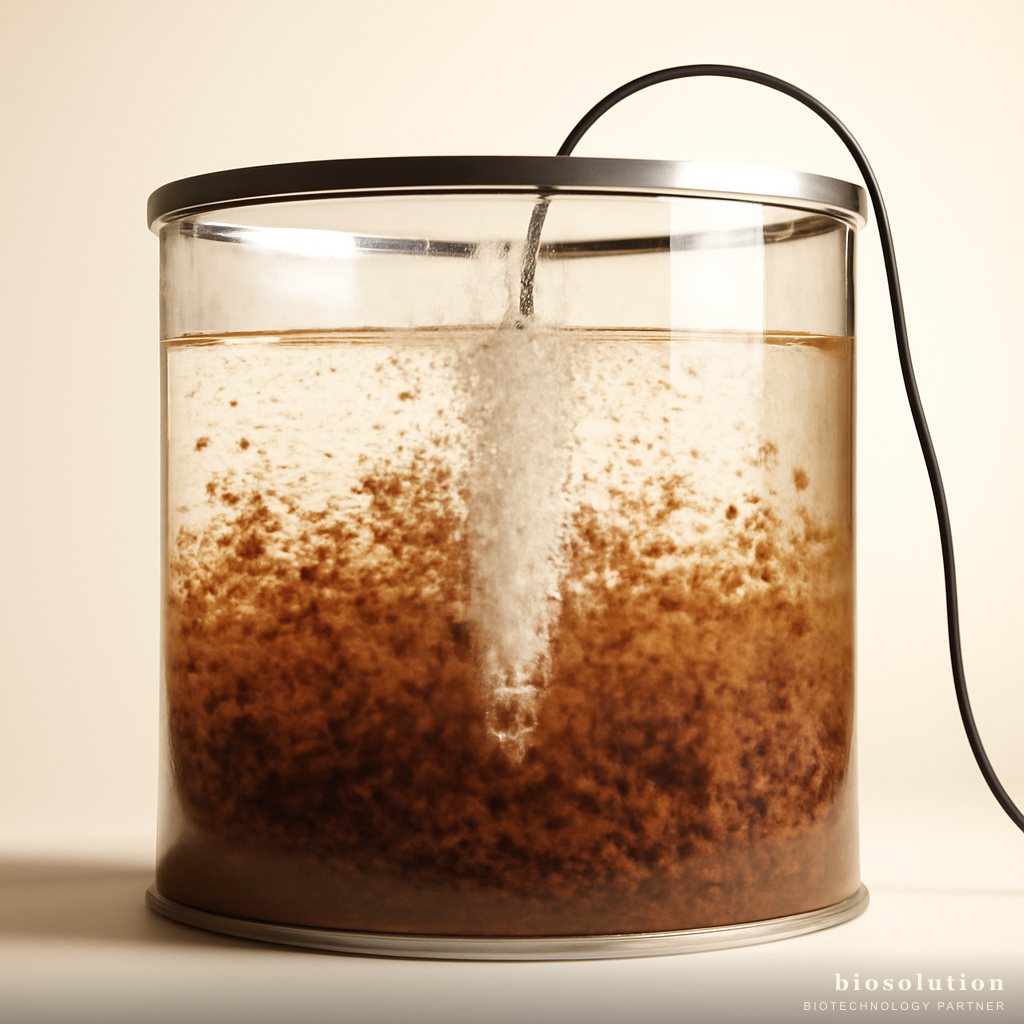
Bacillus subtilis contained in Biosolution's Milkfish Pond Probiotic Formula acts as the main decomposer. This bacterium produces extracellular enzymes such as protease, amylase, and lipase that break down proteins, carbohydrates, and fats from leftover feed and feces into simple compounds. Thus, organic sludge at the pond bottom is reduced, preventing the formation of toxic gases like H₂S. Additionally, Bacillus subtilis also produces antimicrobial compounds (bacteriocins) that suppress the growth of pathogenic bacteria such as Vibrio spp., the main cause of disease in shrimp.
Efficient Nitrogen Cycle
Another advantage of probiotics for polyculture milkfish ponds is their ability to oxidize ammonia and nitrite. Nitrosomonas sp. converts ammonia (NH₃) into nitrite (NO₂⁻), then Nitrobacter sp. oxidizes nitrite into nitrate (NO₃⁻), which is much less toxic. Nitrate is then utilized by phytoplankton as a nutrient, thus maintaining plankton stability. This process is very important because milkfish and shrimp have different tolerances to ammonia; shrimp are more sensitive. With regular application, ammonia concentrations can be suppressed below 0.1 mg/L, safe for both species.
Negative Impacts If Not Using Probiotics
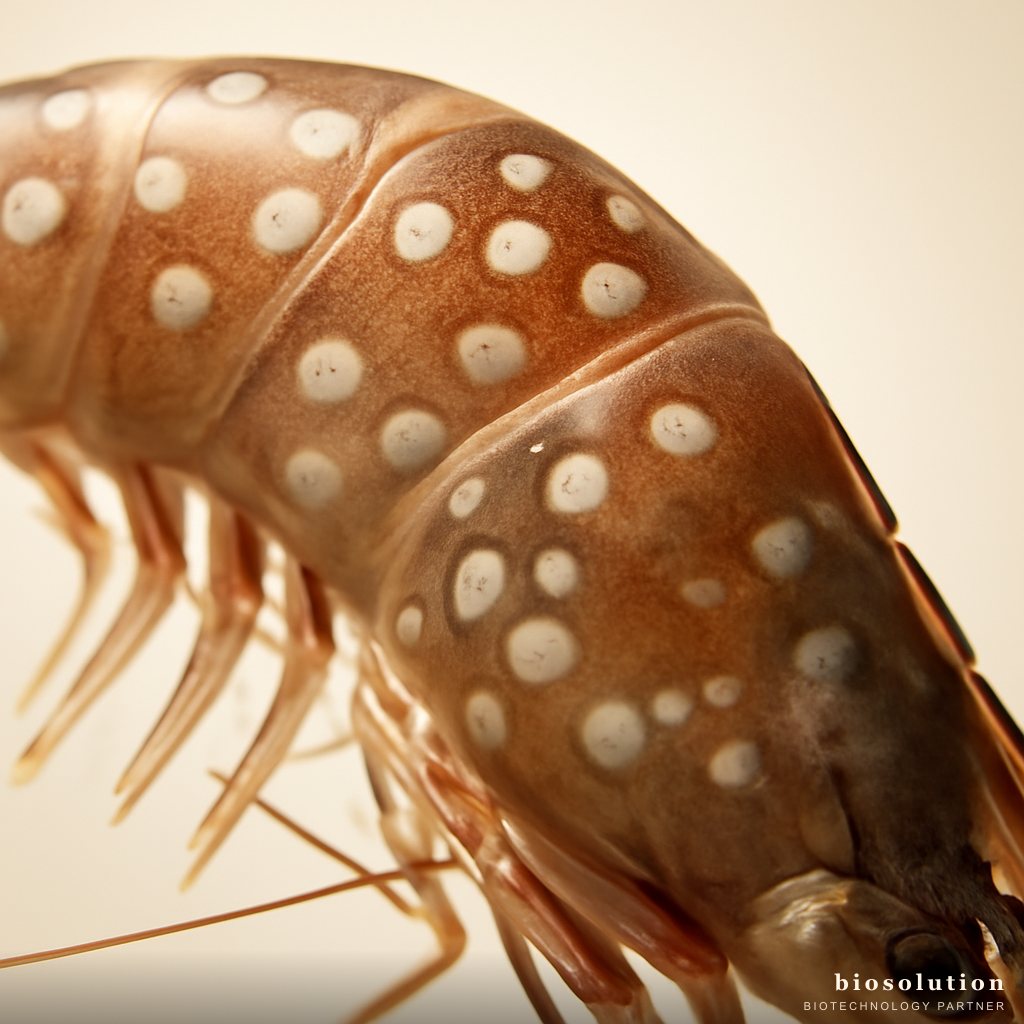
Without probiotics, polyculture ponds are prone to "crash" due to ammonia buildup. Early symptoms usually include decreased appetite, turbid greenish water color (dead plankton bloom), and a foul odor. In shrimp, white or reddish spots may appear due to stress. Milkfish, which are more tolerant, eventually experience slow growth and a swollen FCR (Feed Conversion Ratio). Economic losses can reach 30-50% of total production. Therefore, the use of probiotics for polyculture milkfish ponds is no longer an option but a necessity.
Proper Probiotic Application Method
Dosage and Frequency
Based on Biosolution's recommendation, the dosage of Milkfish Pond Probiotic Formula is 3 liters per hectare every 10 days. Application is done in the morning when water temperature is still low (27-30°C) so that bacteria are not immediately killed by UV rays. Before spreading, the probiotic should be diluted with pond water at a 1:10 ratio and then evenly distributed over the entire pond surface. For optimal results, application should begin at the start of seed stocking.
Success Indicators
After 3-5 days of application, positive changes are usually observed: increased water clarity (30-40 cm), reduced ammonia odor, and increased appetite of milkfish and shrimp. If measured using a test kit, ammonia levels will drop drastically. To monitor effectiveness, conduct routine measurements every week.
Case Study: Successful Polyculture with Probiotics
In Sidoarjo Regency, a farmer named Mr. Budi implemented a milkfish-vaname shrimp polyculture system on 2 hectares. Before using probiotics, he often lost shrimp in the 4th week due to high nitrite. After switching to Biosolution's Milkfish Pond Probiotic Formula, shrimp survival increased from 60% to 85%, while milkfish reached consumption size (500 grams) in 4 months. Total harvest increased by 40% compared to the previous season. This success story shows that probiotics for polyculture milkfish ponds are not just a supplement but a long-term investment.
Conclusion
The application of probiotics for polyculture milkfish ponds with shrimp is a smart strategy to increase productivity and sustainability of farming. With the content of Bacillus subtilis, Nitrosomonas sp., and Nitrobacter sp., Biosolution's Milkfish Pond Probiotic Formula is able to decompose organic waste, suppress ammonia, and maintain the balance of the pond microbiome. As a result, the growth of milkfish and shrimp is more optimal, mortality is low, and farmers' profits increase. Don't delay any longer, immediately consult your pond needs with the Biosolution team via WhatsApp or see product details Milkfish Pond Probiotic Formula for more information.
FAQ
1. Is the probiotic for polyculture milkfish ponds safe for shrimp?
Yes, this probiotic is safe because it consists of non-pathogenic bacteria that actually help suppress harmful bacteria like Vibrio. Bacillus subtilis is not harmful to shrimp; in fact, it improves the digestive tract if ingested. Make sure to follow the recommended dosage.
2. How long does it take to see the effects of probiotics after application?
Initial effects are usually seen within 3-5 days, indicated by a decrease in ammonia odor, clearer water, and increased appetite. For significant changes in water parameters, regular application for at least 2-3 times is required.
3. Can probiotics be mixed with lime or fertilizer?
It is best not to mix directly because lime can change pH and kill bacteria. Apply probiotics at least 24 hours after liming. For fertilizer, allow a 2-3 hour gap so that bacteria do not compete for nutrients.
4. Do probiotics work in low salinity ponds?
Yes, the Bacillus subtilis and nitrifying bacteria strains in this product have been adapted for salinities of 5-30 ppt. At salinities below 5 ppt, effectiveness decreases slightly, but they still provide benefits.
5. How to store opened probiotics?
Store in a cool, dry place, away from direct sunlight. Close tightly after use. Under good conditions, liquid probiotics can last up to 6 months. Do not freeze.