Sex Reversal Nile Monosex: 7 Common Probiotic Pond Mistakes Post-SR
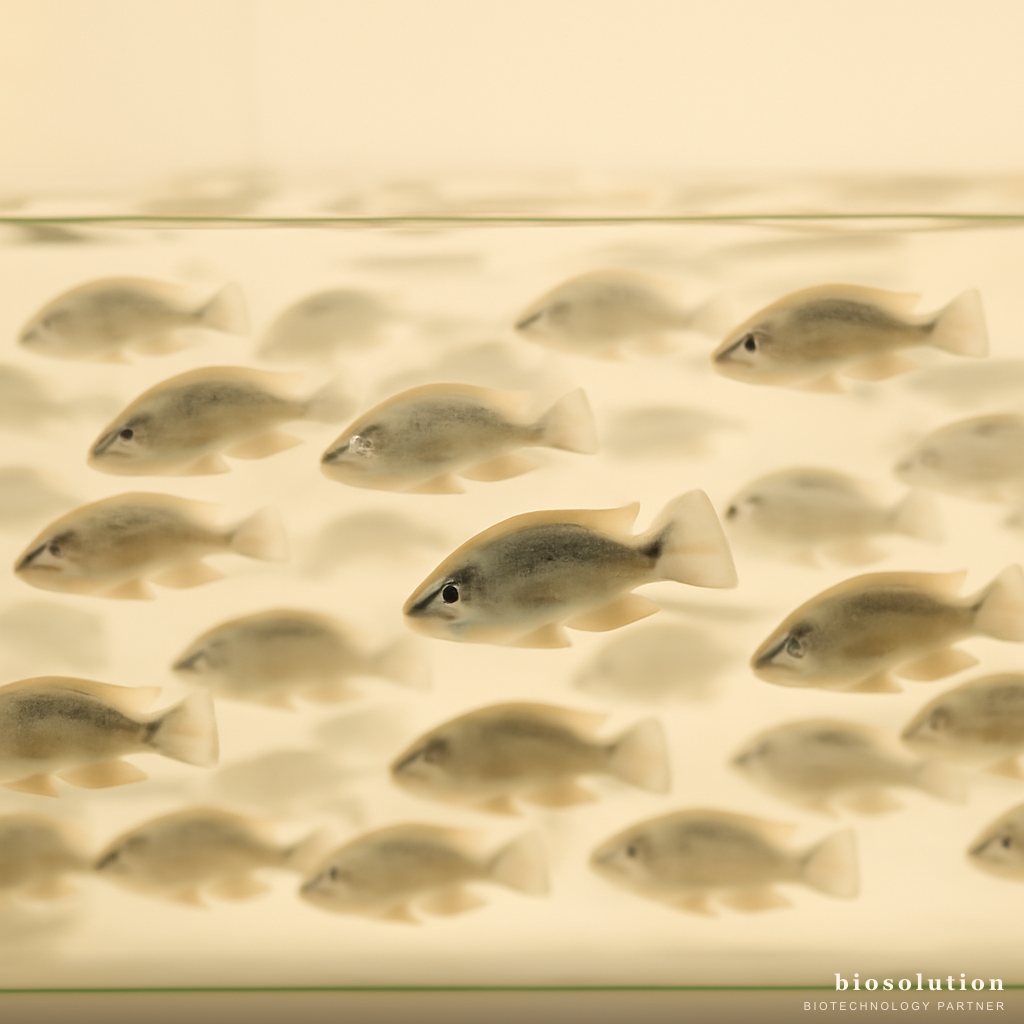
The sex reversal program for male monosex tilapia (SR) is a major investment for hatcheries. However, SR success does not end when the fry are male. Post-SR pond management, especially probiotic use, often becomes a weak point. Many farmers make mistakes that actually reduce fry performance, increase mortality, and waste costs. This article discusses 7 common mistakes in using probiotics for pond management after sex reversal of male monosex tilapia, and how the Biosolution Tilapia Pond Probiotic Formula can be the right solution.
1. Incorrect Probiotic Dosage: Too Little or Too Much
The most common mistake is using an inappropriate probiotic dosage. Many think "the more the better," but probiotic bacteria are living organisms that need balance. Excessive dosage can cause nutrient competition with phytoplankton or even bacterial death due to lack of natural food. Conversely, too small a dosage provides no significant effect.
The Biosolution Tilapia Pond Probiotic Formula has a tested dosage: 2 L per 1000 m³ of water, applied every 7 days in the morning. This dosage ensures optimal populations of Nitrosomonas sp., Nitrobacter sp., and Bacillus subtilis to process ammonia, nitrite, and organic matter. Do not reduce or increase the dosage without consultation.
2. Incorrect Application Timing: Afternoon or During Rain
Many farmers apply probiotics at random times, such as in the afternoon or during rain. In fact, probiotic bacteria need morning sunlight for phytoplankton photosynthesis and stable water temperature. Morning application (07:00-09:00) gives bacteria time to adapt before water temperature rises. Application during rain can wash away bacteria before they can work.
3. Not Managing Organic Matter Before Probiotics
Probiotics are not instant cleaners. If the pond has thick organic sludge buildup, probiotics will be overwhelmed. Bacillus subtilis is a decomposer, but it takes time. Before spreading probiotics, manage bottom sludge through drying or liming. Only then apply probiotics regularly to maintain balance.
4. Ignoring Basic Water Parameters
Probiotics work optimally at pH 6.5-8.5 and temperature 26-30°C. Many farmers do not check pH or temperature before application. If pH is too low (<6) or temperature too cold (<20°C), bacteria are inactive. Ensure water parameters are suitable before applying probiotics. If necessary, correct pH with dolomite lime.
5. Applying Probiotics Together with Antibiotics or Disinfectants
Antibiotics and disinfectants like chlorine or formalin are bactericidal. If given together or too close to probiotics, the beneficial bacteria will die. Allow a minimum 48-hour gap between antibiotic/disinfectant application and probiotics. For post-SR ponds, avoid antibiotics unless absolutely necessary.
6. Not Stirring the Pond
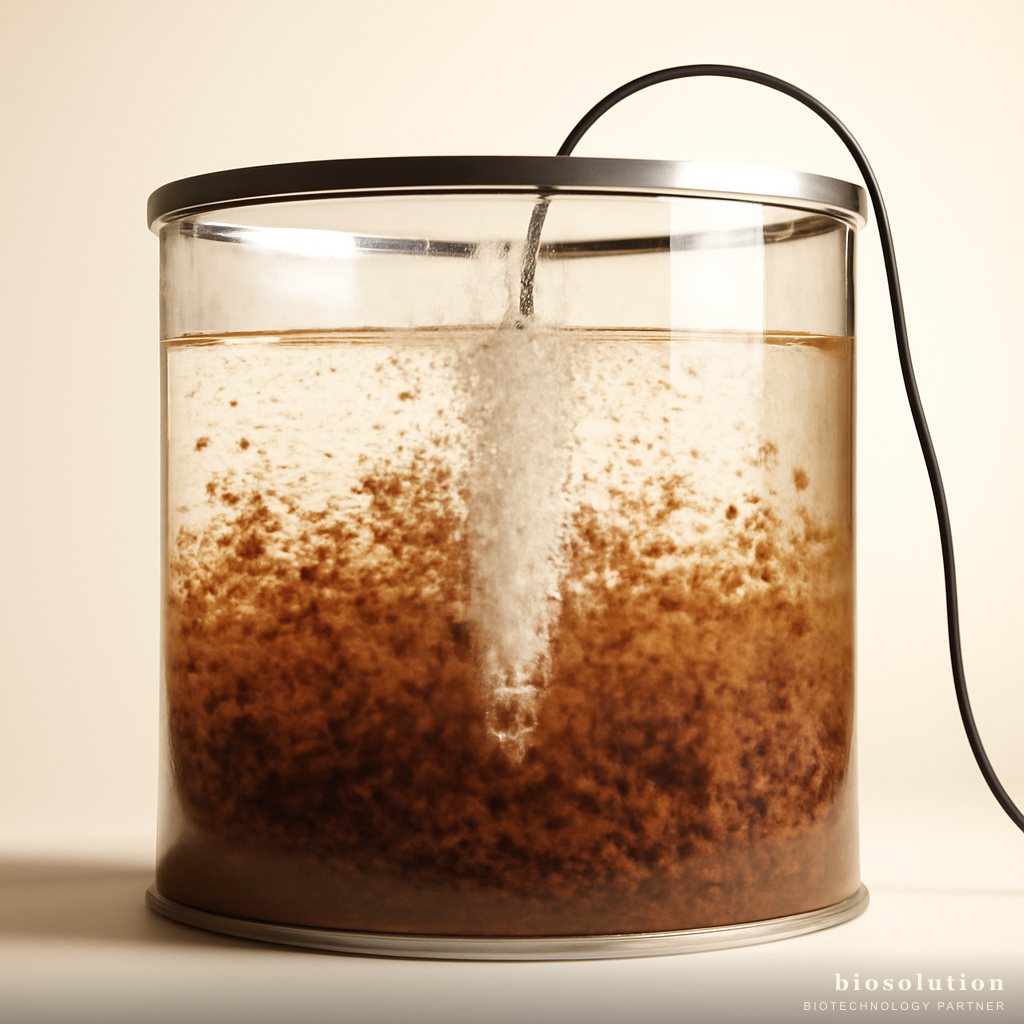
Probiotics are liquid spread on the surface. Without stirring, bacteria concentrate on the surface and do not reach the pond bottom where ammonia and nitrite accumulate. Use a paddlewheel or aerator to distribute probiotics evenly. If unavailable, sprinkle probiotics at several points and let natural circulation occur.
7. Stopping Probiotics After Water Looks Clear
Many stop probiotics once the pond water looks clear. In fact, stable water quality results from continuous bacterial activity. If probiotics are stopped, bacterial populations decline and ammonia can spike. Apply regularly every 7 days throughout the cultivation cycle.
Why Is the Biosolution Tilapia Pond Probiotic Formula Effective?
This formula contains three superior bacteria: Nitrosomonas sp. which oxidizes ammonia to nitrite, Nitrobacter sp. which oxidizes nitrite to nitrate (less toxic), and Bacillus subtilis which decomposes leftover feed and feces. This combination creates a complete nitrogen cycle, keeping water quality stable. Benefits: more consistent tilapia growth, reduced oxygen mortality, and higher stocking density.
Conclusion
Pond management after sex reversal of male monosex tilapia requires special attention to probiotic use. Avoid the 7 mistakes above: incorrect dosage, wrong application timing, not managing organic matter, ignoring water parameters, applying with antibiotics, no stirring, and stopping too early. Use the Biosolution Tilapia Pond Probiotic Formula at a dosage of 2 L per 1000 m³ every 7 days in the morning. For further consultation, contact our technical team via WhatsApp.
FAQ
1. Can probiotics be used together with vitamins?
Yes, probiotics and vitamins can be given together. Vitamins are usually given through feed, while probiotics are spread in the water. Ensure there are no antibiotics in the vitamins.
2. How long after probiotic application does pond water improve?
Improvement is usually seen within 3-7 days. Ammonia and nitrite will decrease, and water color becomes bright green (healthy phytoplankton). If no change occurs, check water parameters and dosage.
3. Are probiotics safe for SR tilapia fry?
Very safe. The bacteria in the Tilapia Pond Probiotic Formula are non-pathogenic and actually reduce stress on fry by maintaining water quality.
4. Can probiotics be used in earthen ponds?
Yes, but dosage may need adjustment because earthen ponds have natural bacterial populations. Consultation with a Biosolution technician is recommended.
5. Is water change necessary after probiotic application?
No. Probiotics actually reduce the frequency of water changes by biologically processing waste. Change water only if nitrate levels are very high (>100 ppm).