Stable Biofloc Maintenance: 7 Common Mistakes When Using Probiotics
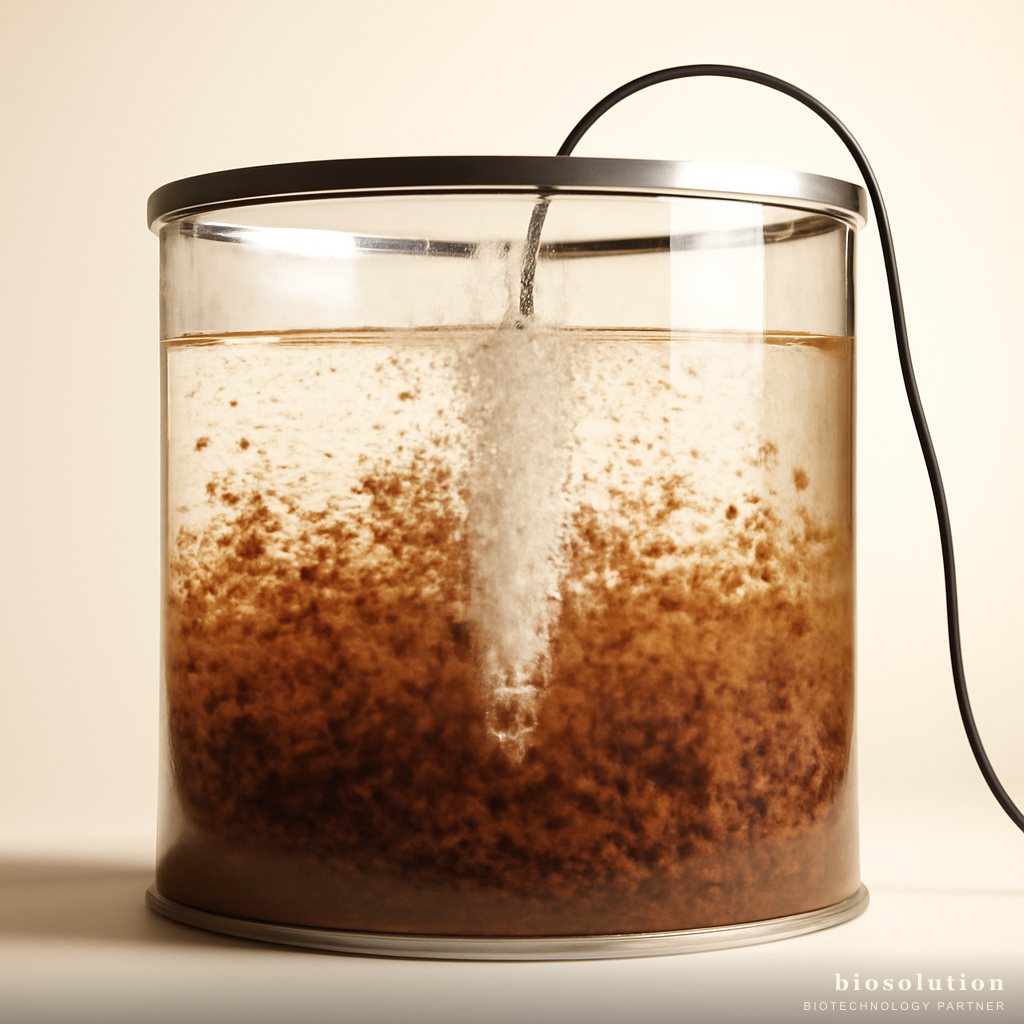
Biofloc systems offer great potential for intensive aquaculture with high stocking densities. However, the biggest challenge farmers face is maintaining stable biofloc maintenance to avoid crashes. A biofloc system crash can occur suddenly, leading to mass mortality and huge losses. One of the main causes is improper probiotic use. This article will discuss 7 common mistakes farmers make when maintaining biofloc with probiotics, and how Biosolution's solutions can help you avoid them.
1. Not Understanding the Role of Heterotrophic vs. Autotrophic Bacteria
The first mistake is failing to distinguish between heterotrophic (floc-forming) and autotrophic (nitrifying) bacteria. In a biofloc system, the balance between these two groups is crucial. Heterotrophic bacteria, such as Bacillus subtilis, are responsible for forming flocs and breaking down organic matter. Meanwhile, autotrophic bacteria, like Nitrosomonas sp. and Nitrobacter sp., convert ammonia into nitrite and then nitrate. If farmers focus only on one type, the system can become unbalanced. For example, too many heterotrophs can cause ammonia accumulation because nitrification is inhibited. Conversely, autotroph dominance prevents optimal floc formation. Biosolution's Biofloc System Maintenance Formula contains all three bacteria in a balanced formulation, supporting comprehensive stable biofloc maintenance.
2. Incorrect Probiotic Dosage
The second mistake is improper probiotic dosing. Many farmers think more probiotics are better. However, overdosing can cause flocs to become overactive, drastically increasing oxygen consumption and eventually leading to a crash. Conversely, too low a dose is ineffective at controlling ammonia. According to Biosolution product data, the recommended dose is 2 L per 1000 m³ every 7 days. This dosage is based on the balance between bacterial population and organic load. Farmers should use measuring tools or follow manufacturer guidelines. Never guess the dosage, as the risk of crash is very high.
3. Infrequent or Unscheduled Application
Stable biofloc maintenance requires consistency. Probiotics are not a one-time cure but a routine maintenance practice. A common mistake is applying probiotics only when problems arise, such as high ammonia levels. By then, the system is already under stress, and probiotics may not work optimally. A schedule of application every 7 days, as recommended by Biosolution, aims to maintain bacterial populations at ideal levels. With routine application, autotrophic bacteria can continuously convert ammonia before it accumulates, and heterotrophs keep flocs active. Successful farmers typically mark their calendars and never miss a schedule.
4. Ignoring Basic Water Quality Parameters (pH, Temperature, DO)
Probiotics are living organisms that require optimal environmental conditions. The fourth mistake is ignoring basic water quality parameters. Nitrifying bacteria like Nitrosomonas sp. and Nitrobacter sp. work best at pH 7.0-8.5, temperature 25-30°C, and dissolved oxygen (DO) above 4 ppm. If pH is too acidic or alkaline, or DO is low, probiotics will not be effective. Bacteria may even die. Before adding probiotics, ensure water parameters are within the ideal range. Make corrections first, such as liming to raise pH or increasing aeration for DO. Probiotic products are not a substitute for good water management.
5. Mixing Probiotics with Chemicals Simultaneously
Some farmers mix probiotics with disinfectants or other chemicals to save time. This is a fatal mistake. Chlorine, formalin, or antibiotics can kill probiotic bacteria. Even high concentrations of table salt can inhibit bacterial growth. If you need to use chemicals for treatment, do so separately with a minimum interval of 24-48 hours. Give probiotics time to work before adding other substances. Biosolution's Biofloc System Maintenance Formula is formulated without harmful chemicals, making it safe for routine use without risk of interaction.
6. Not Monitoring Floc Development and Water Quality
The sixth mistake is failing to monitor regularly. Stable biofloc maintenance is not just about adding probiotics but also observing system responses. Farmers should routinely measure ammonia, nitrite, nitrate, and floc volume (using an Imhoff cone). If flocs are too abundant or too scarce, or if ammonia starts to rise, it indicates a problem. With monitoring, you can adjust probiotic dosage or frequency. Biosolution recommends daily data recording for evaluation. Do not wait until visual symptoms like fish mortality appear, as the system is already critical by then.
7. Using Probiotic Products Not Specific to Biofloc
Finally, many farmers use general probiotics intended for conventional ponds or wastewater treatment. Such products may lack sufficient nitrifying bacteria or contain strains unsuitable for biofloc systems. As a result, flocs do not form optimally, and ammonia remains uncontrolled. Specialized biofloc products, like Biosolution's Biofloc System Maintenance Formula, contain Bacillus subtilis for floc maintenance, Nitrosomonas sp. for nitrification, and Nitrobacter sp. for nitrate formation. These three strains work synergistically to maintain system stability. Do not choose products arbitrarily; ensure their composition matches biofloc needs.
Conclusion
Stable biofloc maintenance is an ongoing process that requires understanding and precision. By avoiding the 7 mistakes above, you can minimize crash risks and increase aquaculture productivity. The key is using the right probiotics with correct dosage, frequency, and application method, while always monitoring water quality. Biosolution's Biofloc System Maintenance Formula is specifically designed to help farmers maintain biofloc system stability. For further consultation on dosage and application schedules tailored to your pond conditions, contact Biosolution's technical team via WhatsApp. We are ready to help you achieve optimal aquaculture results.
References: