Stable Biofloc Maintenance: Complete Guide for Active Biofloc Farmers
Stable biofloc maintenance is a major challenge in biofloc systems. Fluctuations in water quality, bacterial imbalance, and accumulation of toxic compounds can cause a costly system crash. This article will discuss Q&A on maintaining a stable and sustainable biofloc system, and how Biosolution's biofloc maintenance formula can be your reliable solution.
Why Can a Biofloc System Crash?
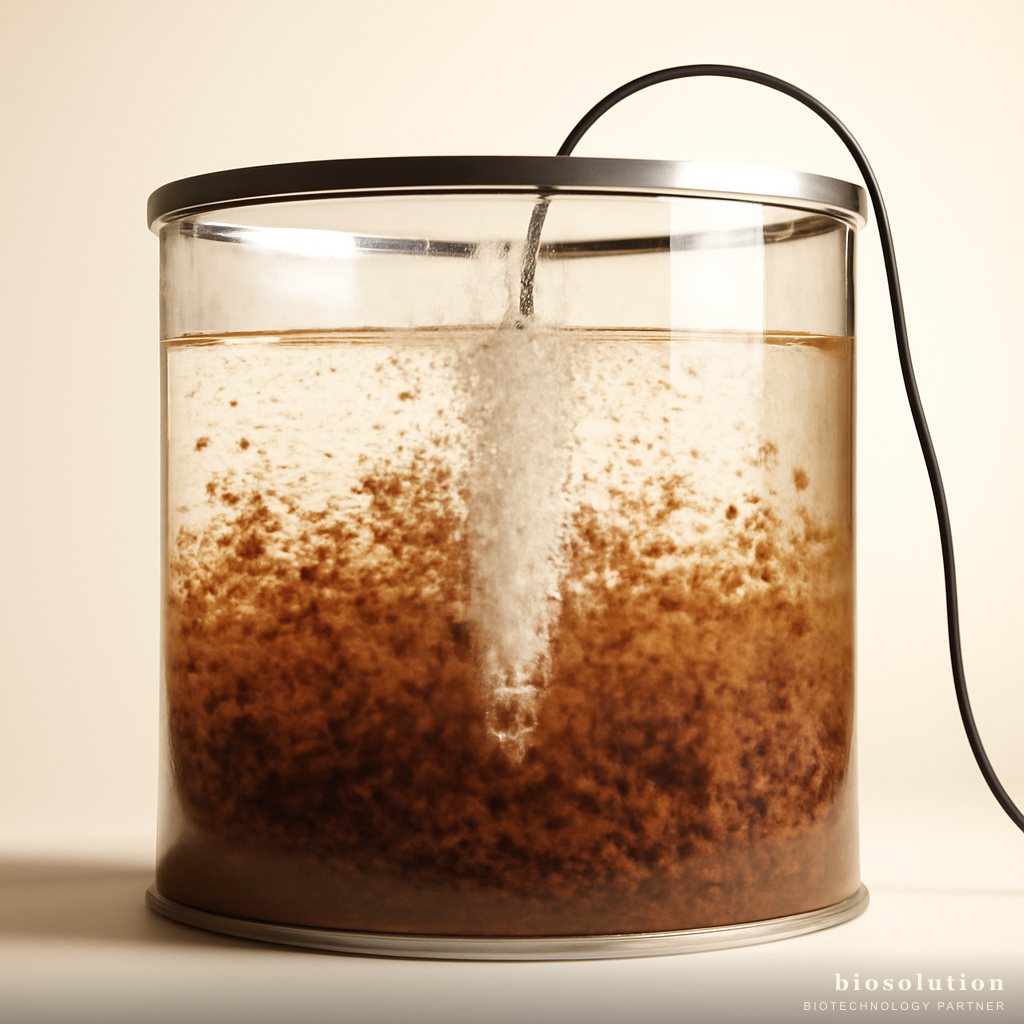
Biofloc crash occurs when flocs disintegrate, ammonia levels spike, or oxygen drops drastically. Main causes include:
- Overfeeding: Excess feed increases organic load, triggering uncontrolled growth of heterotrophic bacteria.
- pH fluctuations: pH too low (<7) or high (>8) inhibits nitrifying bacteria activity.
- Oxygen deficiency: Dissolved oxygen below 4 mg/L causes aerobic bacteria to die, flocs become anaerobic and produce toxic gases.
- Excessive floc density: Overly dense flocs reduce oxygen and nutrient transfer efficiency.
- Pathogenic bacteria dominance: If Vibrio or other bacteria dominate, flocs can collapse.
How to Maintain Floc Stability?
Key Parameters to Monitor
| Parameter | Ideal Range | Check Frequency |
|---|---|---|
| pH | 7.5 - 8.5 | 2x daily |
| Dissolved oxygen | >5 mg/L | 3x daily |
| TAN (Total Ammonia Nitrogen) | <1 mg/L | 1x daily |
| Nitrite (NO2) | <0.5 mg/L | 1x daily |
| Nitrate (NO3) | <100 mg/L | 2x weekly |
| Alkalinity | >100 mg/L CaCO3 | 1x weekly |
| Floc volume (Imhoff cone) | 10-30 mL/L | 1x daily |
Role of Bacteria in Maintaining Balance
Heterotrophic bacteria like Bacillus subtilis break down organic matter into CO2 and biomass, while nitrifying bacteria (Nitrosomonas and Nitrobacter) oxidize ammonia to nitrate. Biosolution's Biofloc System Maintenance Formula contains these three bacteria in high concentrations, so routine application every 7 days at a dose of 2 L per 1000 m³ can maintain a balanced bacterial population and stable flocs.
What Is the Biofloc Maintenance Formula and How Does It Work?
The Biofloc System Maintenance Formula is a bacterial inoculant product specifically designed to maintain the stability of biofloc systems. Its contents:
- Bacillus subtilis: Heterotrophic bacteria that degrade feed residue and feces, and produce extracellular enzymes that strengthen the floc matrix.
- Nitrosomonas sp.: Nitrifying bacteria that oxidize ammonia (NH3) to nitrite (NO2).
- Nitrobacter sp.: Nitrifying bacteria that oxidize nitrite to non-toxic nitrate (NO3).
Application method: sprinkle directly into the biofloc system in the morning every 7 days. A dose of 2 L per 1000 m³ is sufficient to maintain a healthy bacterial population. With routine use, flocs remain stable, ammonia levels are controlled, and stocking density can be maintained high.
How to Address Early Signs of Crash?
If you notice flocs starting to clump, cloudy water, or unpleasant odor, immediately:
- Stop feeding: Reduce or stop feeding for 1-2 days.
- Increase aeration: Raise dissolved oxygen to >6 mg/L.
- Apply maintenance formula: Immediately sprinkle Biofloc Maintenance Formula at a dose of 2 L per 1000 m³.
- Add molasses: Provide additional carbon (C:N ratio 15:1) to promote heterotrophic bacterial growth.
- Perform partial siphoning: Remove excess bottom sludge (maximum 10% of water volume).
Case Study: Successful Stable Biofloc Maintenance in Shrimp Ponds
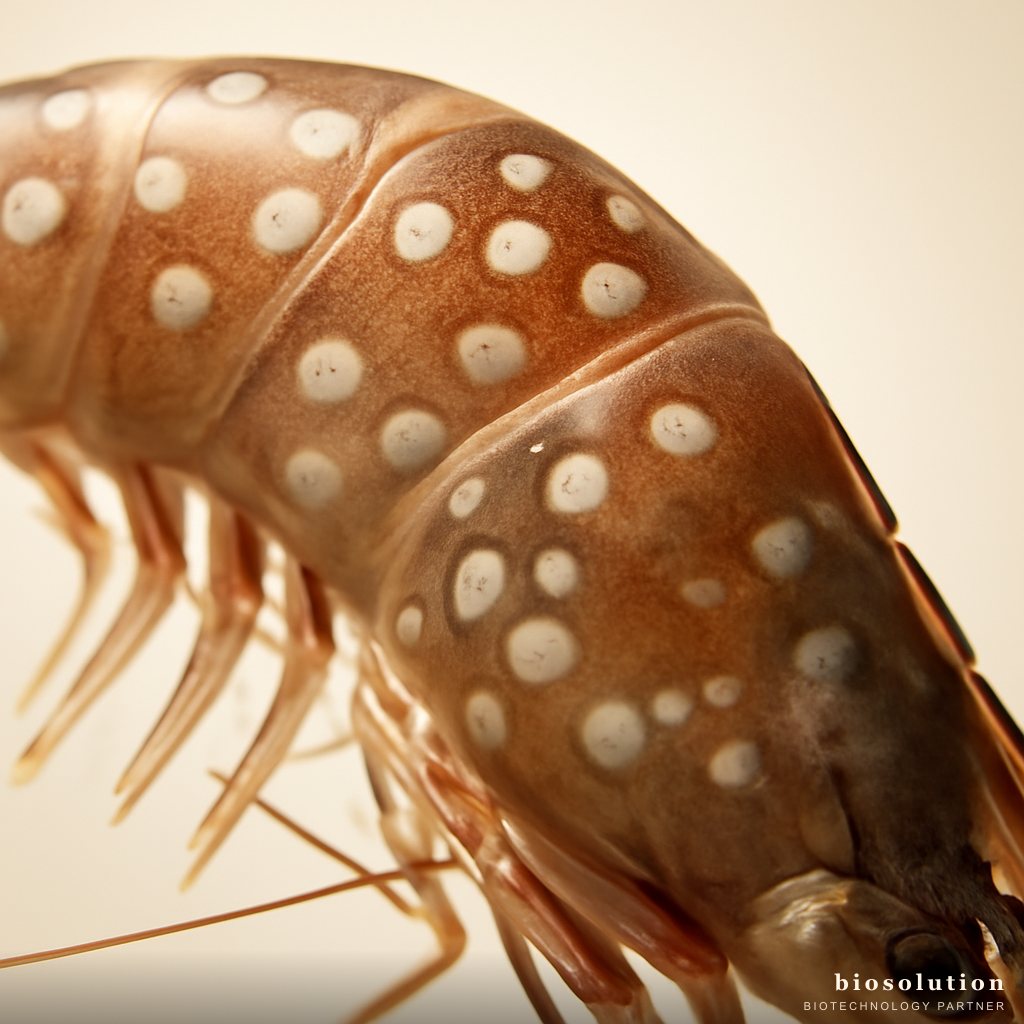
A vaname shrimp farmer in East Java used a biofloc system with a stocking density of 500 shrimp/m³. After 60 days, he began experiencing floating flocs and ammonia increasing to 2 mg/L. He then applied the Biofloc Maintenance Formula every 7 days. Within 2 weeks, floc volume returned to 20 mL/L, ammonia dropped to 0.5 mg/L, and shrimp became active again. Harvest achieved 90% survival rate.
Recommended Stable Biofloc Maintenance Schedule
| Day | Activity |
|---|---|
| Every day | Check water parameters (pH, DO, temperature, TAN) |
| Every 7 days | Apply Biofloc Maintenance Formula dose 2 L/1000 m³ |
| Every 14 days | Check floc volume with Imhoff cone |
| Every 30 days | Check nitrate and alkalinity |
| As needed | Siphon sludge, increase aeration, add carbon |
Conclusion
Stable biofloc maintenance requires routine monitoring and timely intervention. By using Biosolution's Biofloc System Maintenance Formula containing Bacillus subtilis, Nitrosomonas sp., and Nitrobacter sp., you can maintain bacterial balance, prevent crash, and achieve sustainable aquaculture. For further consultation, contact the Biosolution team via WhatsApp.
This article is compiled based on technical data of Biosolution products and references from FAO and the Ministry of Marine Affairs and Fisheries.