Stimulating Flowers and Fruits: Field Trial Results of the Generative Trigger POC Formula
Every fruit farmer dreams of trees that bloom profusely and bear abundant fruit. However, plants often face obstacles such as flower drop, small fruit, or unsynchronized generative phases. This is where the role of stimulating flowers and fruits becomes crucial. One proven solution is the Flower & Fruit Trigger POC Formula from Biosolution. This article presents field trial results that demonstrate the product's effectiveness in significantly increasing fruit crop productivity.
Why Does the Generative Phase Need to Be Stimulated?
The generative phase is a critical period in the plant life cycle. During this phase, plants allocate energy for flower formation, fruit set, and fruit ripening. Unfortunately, many factors hinder this process, such as micronutrient deficiencies, environmental stress, or hormonal imbalances. Plants lacking nutrients during the generative phase tend to produce fewer flowers, have easily dropped fruit, or suboptimal fruit size.
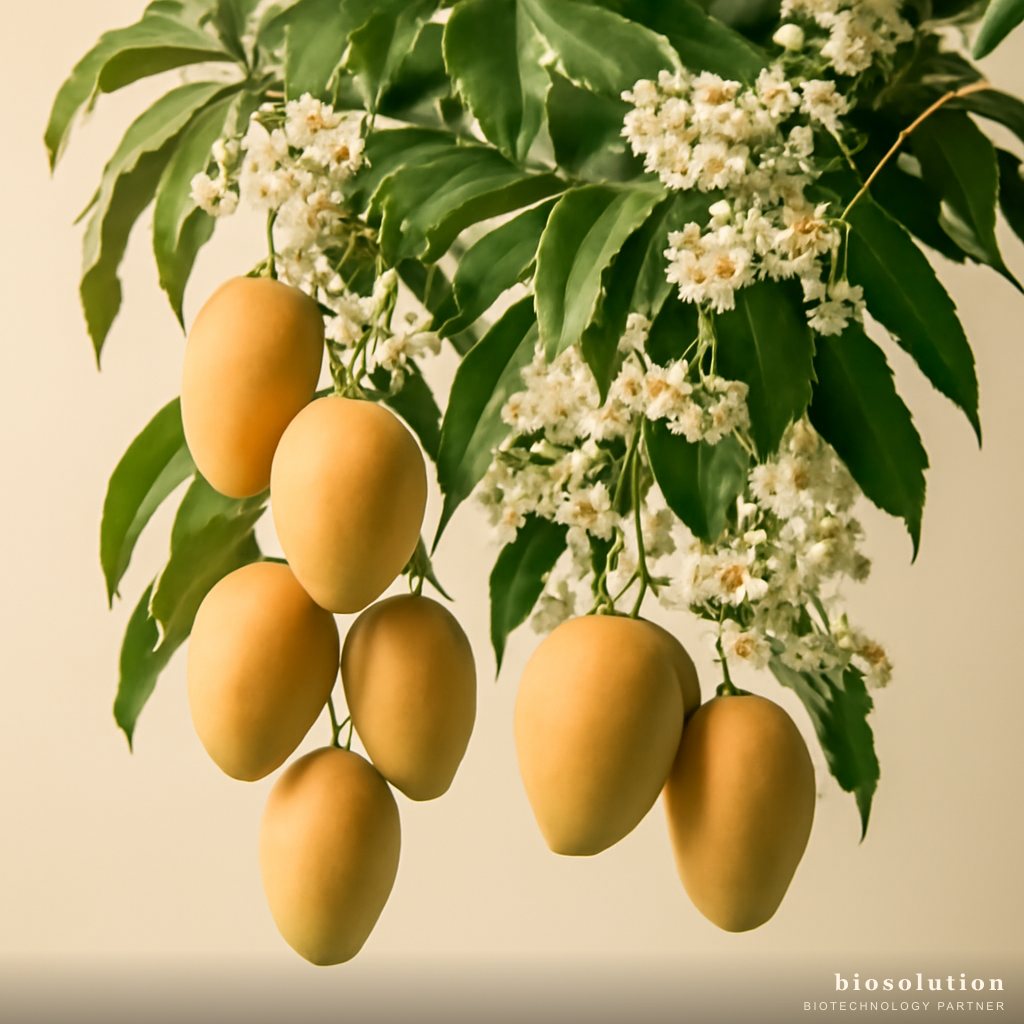
According to data from the Ministry of Agriculture, potential yield losses due to flower and fruit drop in mango plants can reach 40% if not properly managed. Therefore, appropriate intervention is essential. The Flower & Fruit Trigger POC Formula is a solution that combines a consortium of PGPR, seaweed extract, and humic and fulvic acids to ensure plants receive the necessary nutrients and hormones.
Composition and Mechanism of Action of the Flower & Fruit Trigger POC Formula
This product is specifically formulated for the generative phase. Here are the main components and their roles:
### PGPR Consortium (Plant Growth-Promoting Rhizobacteria)
This consortium of beneficial bacteria works by producing growth hormones such as cytokinins and gibberellins, as well as increasing the availability of micronutrients in the rhizosphere. PGPR also helps suppress soil pathogens, resulting in healthier roots and more optimal nutrient uptake.
### Seaweed Extract
Seaweed extract is rich in natural cytokinins, auxins, and various micronutrients such as zinc, boron, and manganese. Cytokinins play a direct role in stimulating cell division in flower buds, while boron is important for pollen viability and fruit set.
### Humic and Fulvic Acids
Both act as natural chelating agents that aid nutrient absorption. Fulvic acid also acts as a carrier that transports nutrients to target tissues, thereby increasing fertilization effectiveness.
The product's mechanism of action is synergistic: PGPR triggers endogenous hormone production, seaweed extract provides exogenous hormones, and humic/fulvic acids ensure all nutrients are well absorbed. As a result, plants enter the generative phase more uniformly, flowers are less prone to drop, and fruit develops optimally.
Performance Data from Field Trials
Field trials were conducted on three main fruit crops: mango, citrus, and papaya. Here are the recorded results:
- Yield weight per tree increased by 15–25% in all test crops. In mango, the average fruit weight also increased by 10%.
- Flower and fruit drop reduced by up to 30% compared to the control. In citrus, the number of fruits surviving to harvest increased significantly.
- Better fruit quality in terms of size, color, and taste. Organoleptic tests showed higher sweetness levels in treated fruit.
- Longer shelf life due to improved calcium and boron content, so fruit does not soften quickly.
These data are supported by research from IRRI showing that application of PGPR and seaweed extract can increase crop yields by up to 20% under optimal conditions.
Proper Application Methods for Maximum Results
For optimal results, follow these application guidelines:
- Method: Foliar spray (leaves) or soil drench (roots). For best results, a combination of both is recommended.
- Dosage: 3–5 ml per liter of water. For mature plants, use sufficient spray volume until leaves are evenly wet.
- Frequency: Every 7–10 days, starting when early signs of flower formation appear (e.g., panicle emergence in mango).
- Time: Morning before 10 AM or afternoon after 4 PM to avoid evaporation.
Ensure the spray tank is free from chemical pesticide residues. If mixing with other products, perform a compatibility test first.
Farmer Testimonials and Real Results
Mr. Budi, a citrus farmer in Malang, was amazed by the results. "After using this POC Formula, my citrus trees bloomed profusely and the fruit didn't drop much. This harvest increased by almost 20%," he said. Similarly, Mrs. Sari, a papaya farmer in Lampung, stated, "My papaya fruits are bigger and sweeter. Their shelf life is also longer, so they don't rot quickly."
Conclusion
Stimulating flowers and fruits is not just a matter of luck, but the result of proper nutrient management. The Flower & Fruit Trigger POC Formula has been scientifically and empirically proven to increase yield weight by 15-25%, reduce flower/fruit drop by up to 30%, and improve harvest quality. With its safe organic composition, this product is suitable for farmers looking to transition to sustainable agriculture.
Interested in trying? Consult your needs with the Biosolution team via WhatsApp or see the product directly at Flower & Fruit Trigger POC Formula for more information.