Stimulating Mango Flowering with POC Flower & Fruit Trigger: Application Schedule per Growth Phase
Mango is one of Indonesia's leading fruit commodities with increasing market demand throughout the year. However, the seasonal nature of mango flowering often poses a challenge for farmers to meet off-season market demand. One effective solution is to stimulate mango flowering with a liquid organic fertilizer (POC) specifically formulated for the generative phase. The POC Flower & Fruit Trigger Formula from Biosolution is designed to help farmers promote uniform flowering, reduce drop, and improve harvest quality. This article will discuss the POC application schedule per growth phase for maximum results.
Why Stimulate Off-Season Mango Flowering?
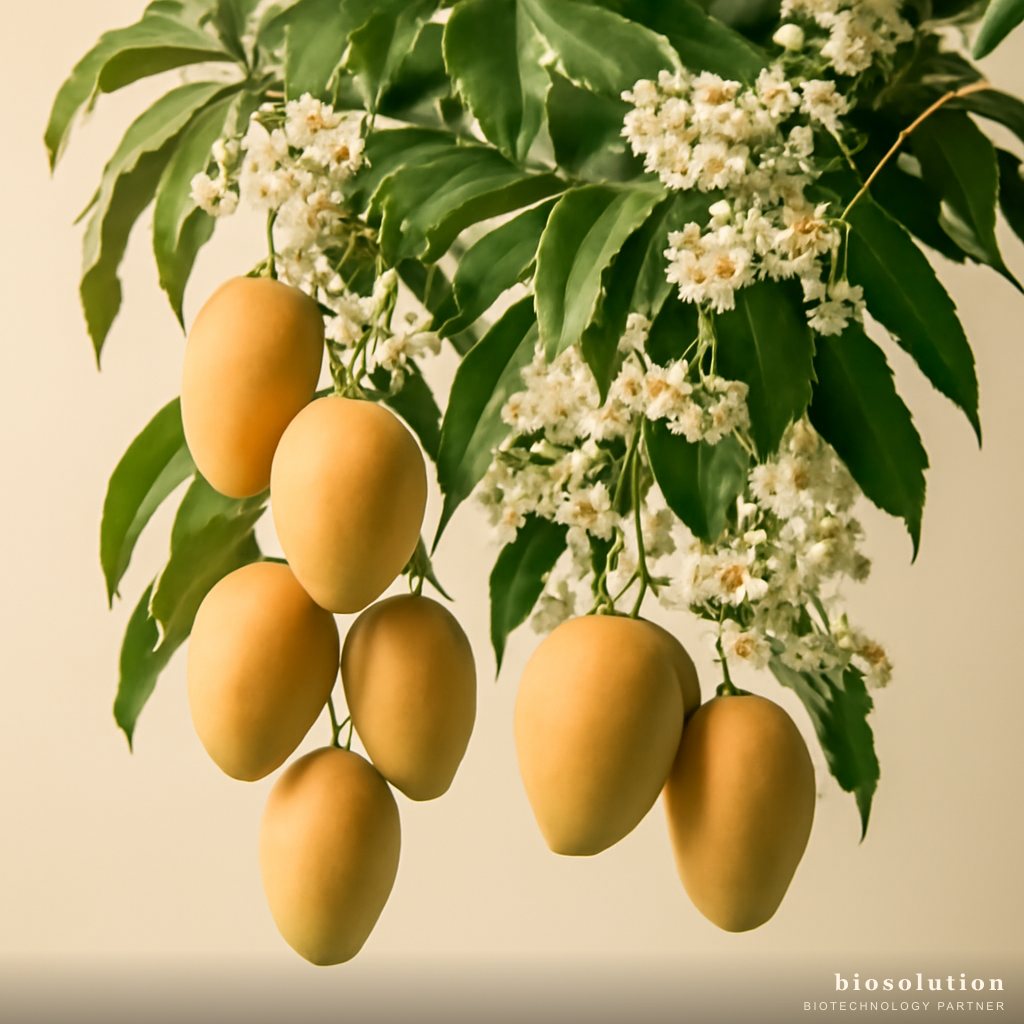
Natural mango flowering generally occurs once a year during the dry season. By stimulating off-season mango flowering, farmers can harvest earlier or out of season, resulting in higher selling prices. Other benefits include even distribution of harvest throughout the year, reduced risk of crop failure due to extreme weather, and maximized land productivity. However, success requires proper inputs during the generative phase, including nutrients and growth hormones. This is where the POC Flower & Fruit Trigger becomes crucial.
Superior Composition of POC Flower & Fruit Trigger Formula
This product contains three main components that work synergistically to stimulate flowering:
PGPR Consortium (Plant Growth Promoting Rhizobacteria)
PGPR are beneficial bacteria that live in the rhizosphere. They produce growth hormones such as auxins, gibberellins, and cytokinins that stimulate flowering. Additionally, PGPR enhance the availability of micronutrients like zinc (Zn) and boron (B), which are essential for flower initiation. With regular application, PGPR help mango plants enter the generative phase more quickly and uniformly.
Seaweed Extract
Seaweed is rich in natural cytokinins, hormones that promote cell division and flower bud differentiation. Moreover, seaweed extract contains micronutrients such as manganese (Mn), zinc (Zn), and iron (Fe), which play roles in chlorophyll formation and metabolic enzymes. This combination prepares the plant for the reproductive phase.
Humic and Fulvic Acids
Humic and fulvic acids act as carriers or nutrient transporters, making nutrients more easily absorbed by roots and leaves. They also stimulate root growth, increase soil cation exchange capacity, and improve soil structure. Healthy roots that actively absorb nutrients are a prerequisite for optimal flowering.
Application Schedule of POC Flower & Fruit Trigger per Growth Phase
POC application must be adjusted to the mango growth phase. Here is the recommended schedule for stimulating off-season mango flowering:
Late Vegetative Phase (4–6 weeks before planned flowering)
During this phase, the plant is still focused on leaf and stem growth. The goal is to prepare the plant for the transition to generative. Spray POC at a dose of 3 ml per liter of water every 7 days. Focus on young leaves and shoot tips. The PGPR in POC will begin triggering hormone production that directs the plant toward flowering.
Flower Initiation Phase (2–4 weeks before flower emergence)
This is a critical phase. Increase the dose to 5 ml per liter of water, spray every 7 days. Seaweed extract provides cytokinins that stimulate flower bud differentiation. Ensure even application across the canopy, especially parts exposed to sunlight. If there are signs of drought, drench the soil with POC at 5 ml/liter to ensure roots receive PGPR.
Flower Emergence and Blooming Phase
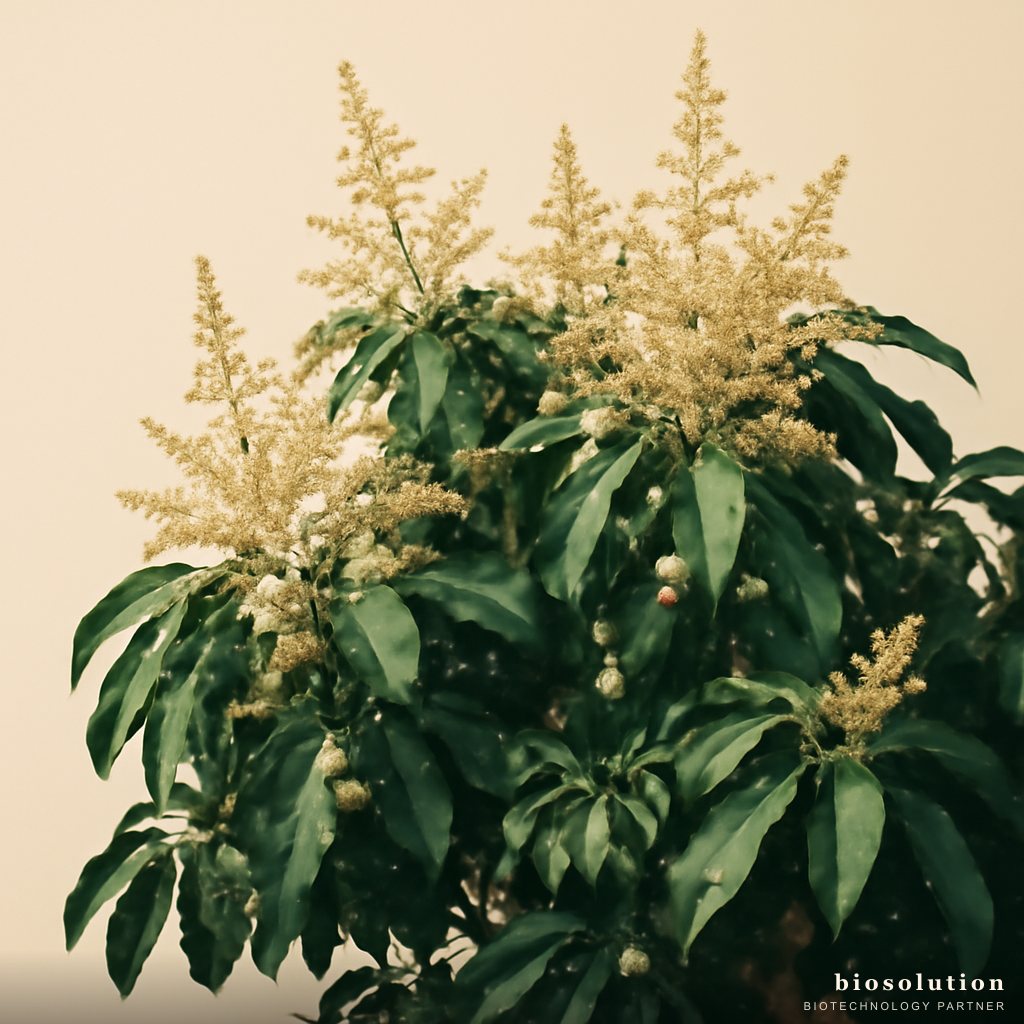
After flowers begin to appear, maintain application at 5 ml/liter every 7–10 days. Avoid spraying during full bloom to reduce the risk of damage. Focus on leaves around the flowers. Humic acid helps maintain nutrient availability for perfect flower development. During this phase, POC also reduces flower drop (up to 30% less).
Fruit Formation and Ripening Phase
As fruits start to form, continue applying POC at 5 ml/liter every 10 days. The PGPR and humic acid content help maintain fruit quality, increase harvest weight by 15–25%, and extend shelf life. Reduce frequency if fruits are nearing maturity to avoid excessive organic compound accumulation.
Proper Application Technique
Application is done via foliar spray or soil drench. The best time is in the morning before 10 AM, when leaf stomata are still wide open. Ensure the water used is clean and pH neutral. For optimal results, combine with adequate irrigation, base fertilization, and pest and disease control. This product is safe for organic farming programs and leaves no harmful residues.
Performance Data of POC Flower & Fruit Trigger
Based on field trials, regular application of this POC shows:
- Increase in yield per tree by +15–25%
- Reduction in flower/fruit drop by up to −30%
- More uniform and synchronized flowering
- Better fruit quality: size, taste, and shelf life improved
Conclusion
Stimulating off-season mango flowering with Biosolution's POC Flower & Fruit Trigger is a precise strategy to increase productivity and profitability. By following the application schedule per phase—late vegetative, flower initiation, blooming, and fruit formation—farmers can maximize harvest potential. The PGPR consortium, seaweed extract, and humic acid work synergistically to promote flowering, reduce drop, and improve fruit quality. For more information or free consultation, contact the Biosolution team via WhatsApp. Also get the POC Flower & Fruit Trigger Formula directly from our product page.