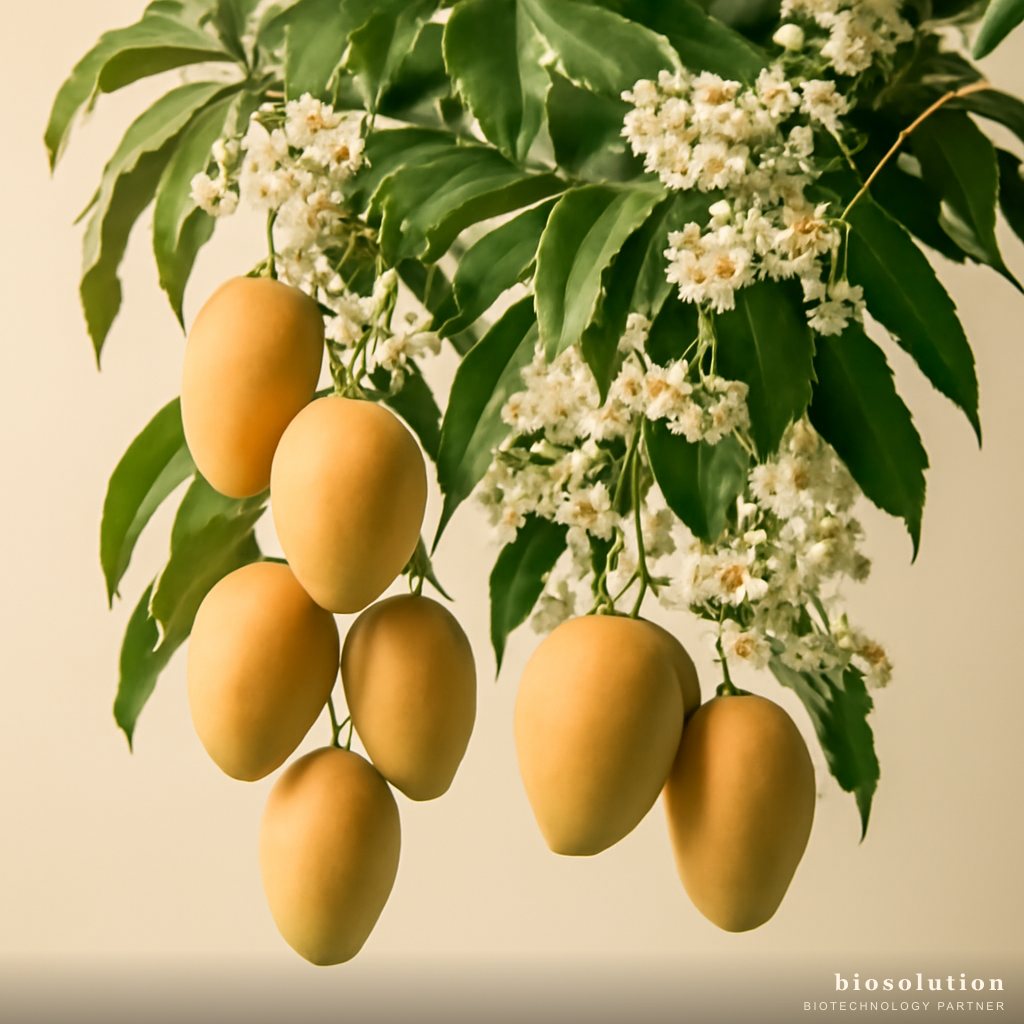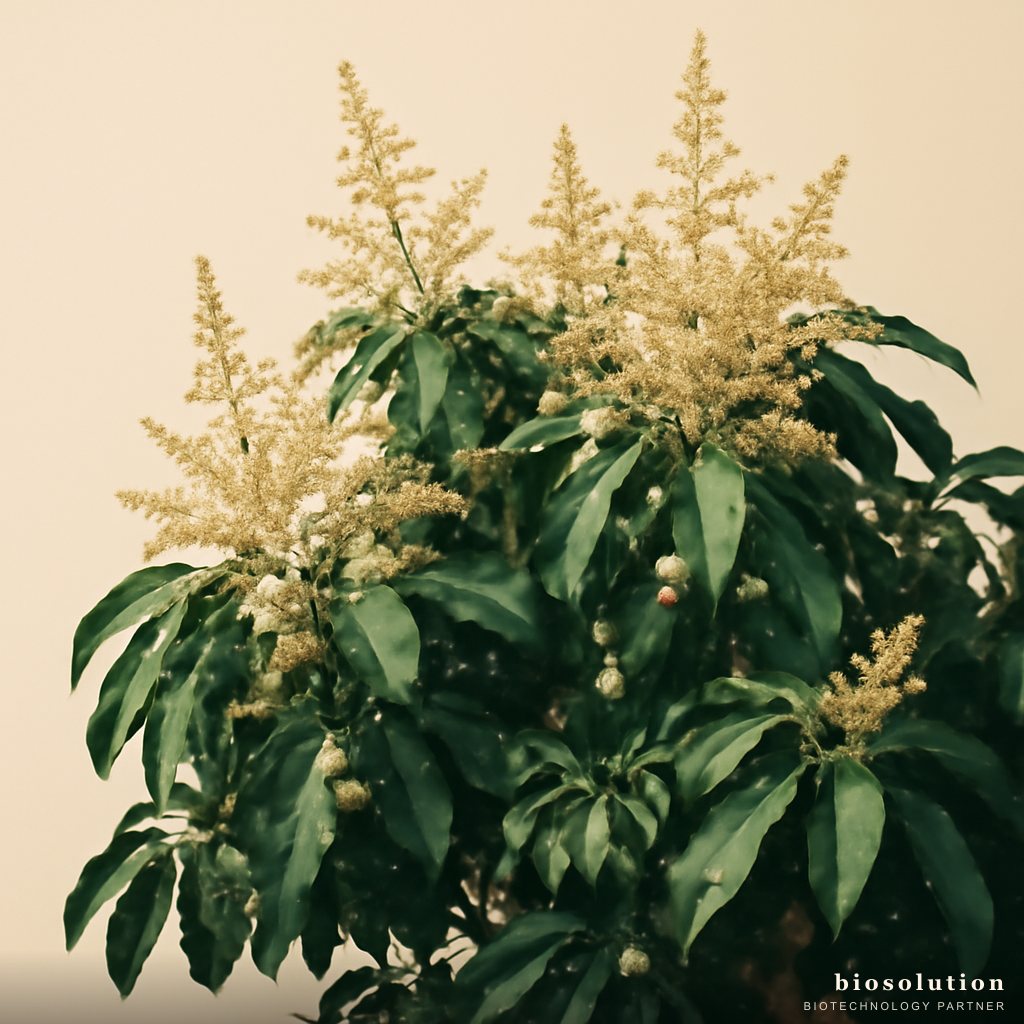
Stimulating Mango Flowers: 3 POC Formulas for Flower and Fruit Induction for Early Harvest
Mango farmers often face problems of non-synchronized flowering or even failure to bloom, especially when trying to grow off-season. In fact, off-season mango prices can surge 2–3 times. So far, many farmers rely on chemical fertilizers to stimulate mango flowers, but the results are often suboptimal and even damage soil health. So, is there a more effective and environmentally friendly way?
The solution is a biological approach using POC (Liquid Organic Fertilizer) flower and fruit inducer. With a PGPR consortium, seaweed extract, and humic acid, this POC naturally triggers flowering hormones and provides the micronutrients needed by plants. This article will discuss why chemical fertilizers often fail, how POC works, and application guidelines for earlier mango harvest.
Why Chemical Fertilizers Are Less Effective for Stimulating Off-Season Mango Flowers?
Chemical fertilizers, especially those high in nitrogen, actually promote vegetative growth (leaves and stems) thus inhibiting flowering. Mangoes require water stress and a specific carbon-nitrogen (C/N) ratio to initiate flowering. Chemical fertilizers also do not provide natural hormones like cytokinins and gibberellins that play a role in the generative phase transition. As a result, farmers often fail to stimulate mango flowers off-season even after applying fertilizer at the recommended dosage.
Moreover, excessive use of chemical fertilizers causes soil degradation, reduces beneficial microbial populations, and makes plants susceptible to diseases. In fact, soil microbes like PGPR (Plant Growth-Promoting Rhizobacteria) help solubilize phosphate, produce hormones, and enhance plant resistance. Without these microbes, fertilizer effectiveness drops drastically.
A report from FAO (Food and Agriculture Organization) emphasizes the importance of sustainable agricultural practices that integrate organic and biological fertilizers to increase long-term productivity. Therefore, switching to POC flower and fruit inducer is a smart step to stimulate mango flowers naturally and sustainably.
How POC Flower and Fruit Inducer Works in Stimulating Mango Flowers
Biosolution's POC flower and fruit inducer contains three main components that work synergistically:
1. PGPR Consortium: Triggering Flowering Hormones
PGPR such as Bacillus spp. and Pseudomonas spp. produce phytohormones like cytokinins, gibberellins, and auxins. Cytokinins trigger cell division in flower meristems, while gibberellins accelerate flower stalk elongation. PGPR also help solubilize phosphate, which is essential for flower formation. With regular application, PGPR colonize the rhizosphere and stimulate mango flower induction naturally.
2. Seaweed Extract: Natural Source of Cytokinins
Seaweed extract contains natural cytokinins (zeatin) and micronutrients like zinc, boron, and manganese that are crucial for flowering. Cytokinins from seaweed have been shown to increase flower number and reduce flower drop in fruit plants. Micronutrients like boron play a role in pollen viability and fruit set.
3. Humic and Fulvic Acids: Enhancing Nutrient Uptake
Humic and fulvic acids act as carriers that bind micronutrients and release them slowly to plants. They also stimulate root growth, enabling plants to absorb more water and nutrients. Healthy roots support synchronized and strong flowering.
Application Guide for POC to Stimulate Off-Season Mango Flowers
For maximum results, follow this application guide:
- Dosage: 3–5 ml per liter of water. For mature trees, spray 2–3 liters per tree.
- Method: Foliar spray or soil drench. Spray all leaf surfaces, especially the underside.
- Frequency: Every 7–10 days, starting 1–2 months before target flowering.
- Timing: Morning before 10 AM or afternoon after 4 PM to avoid evaporation.
- Combination: For optimal results, combine with light pruning and irrigation management (mild water stress) 2–3 weeks before application.
Trial results show that using POC flower and fruit inducer can increase yield per tree by 15–25% and reduce flower/fruit drop by up to 30%. With regular application, stimulating off-season mango flowers becomes easier, and harvest can be advanced by 2–3 weeks compared to normal season.
Case Study: Success of Mango Farmers in East Java
Mr. Budi, a mango farmer in Probolinggo, East Java, struggled for 3 years to stimulate mango flowers during the dry season. He often used chemical fertilizers and pesticides, but only 30% of trees flowered. After switching to Biosolution's POC flower and fruit inducer, he applied 5 ml/liter of water every 10 days for 2 months. As a result, 85% of trees flowered synchronously and harvest was advanced by 3 weeks. Fruit weight per tree increased by 20% and the fruit tasted sweeter.
Mr. Budi's story proves that the biological approach is not only effective but also more cost-effective in the long run. He no longer needs to buy expensive chemical fertilizers, and his soil has become more fertile.
Advantages of POC Flower and Fruit Inducer Compared to Other Products
Biosolution's POC flower and fruit inducer has several advantages:
- Organic and safe: Suitable for organic farming and certification. Leaves no chemical residues.
- Easy to apply: Just spray or drench, no special equipment needed.
- Proven results: Data shows 15–25% yield increase and 30% drop reduction.
- Multi-purpose: Besides mangoes, effective for other fruit crops like durian, rambutan, and citrus.
With its PGPR consortium, seaweed extract, and humic acid content, this POC is a complete solution for stimulating mango flowers naturally and sustainably.
Conclusion
Stimulating off-season mango flowers for earlier harvest is no longer a dream. By switching from chemical fertilizers to biologically-based POC flower and fruit inducer, farmers can trigger synchronized flowering, reduce drop, and improve harvest quality. The PGPR consortium, seaweed extract, and humic acid work synergistically to provide natural hormones and micronutrients needed by plants. Regular application every 7–10 days at a dosage of 3–5 ml/liter of water yields optimal results. For more information or consultation, contact the Biosolution team via WhatsApp or see the product POC Flower & Fruit Inducer Formula.
FAQ
1. Is POC flower and fruit inducer safe for the environment?
Yes, this POC is 100% organic and contains no synthetic chemicals. The PGPR consortium actually improves soil health and increases microbial biodiversity. This product is safe for organic certification and does not contaminate groundwater.
2. How long after application do results start to show?
Usually within 2–3 weeks after regular application, flower buds begin to appear. Synchronized flowering is visible after 4–6 weeks, depending on weather conditions and mango variety. Early harvest can be advanced by 2–4 weeks from the normal season.
3. Can it be used together with chemical fertilizers?
It is best to avoid mixing with high-dose chemical fertilizers as they can disrupt PGPR activity. If you want to use chemical fertilizers, apply them alternately with a minimum 3-day interval. However, for best results, use this POC as a replacement for chemical fertilizers.
4. Is this product suitable for all mango varieties?
Yes, POC flower and fruit inducer can be used for all mango varieties, such as gedong, arumanis, manalagi, and harumanis. Dosage and application frequency should be adjusted according to tree size and field conditions.
5. How to store diluted POC?
Diluted POC should be used within 24 hours. If not finished, store in a cool, dark place and use within 2–3 days. Avoid direct sunlight.