Sugarcane Biofertilizer: Boost Sugar Yield with More Efficient Costs
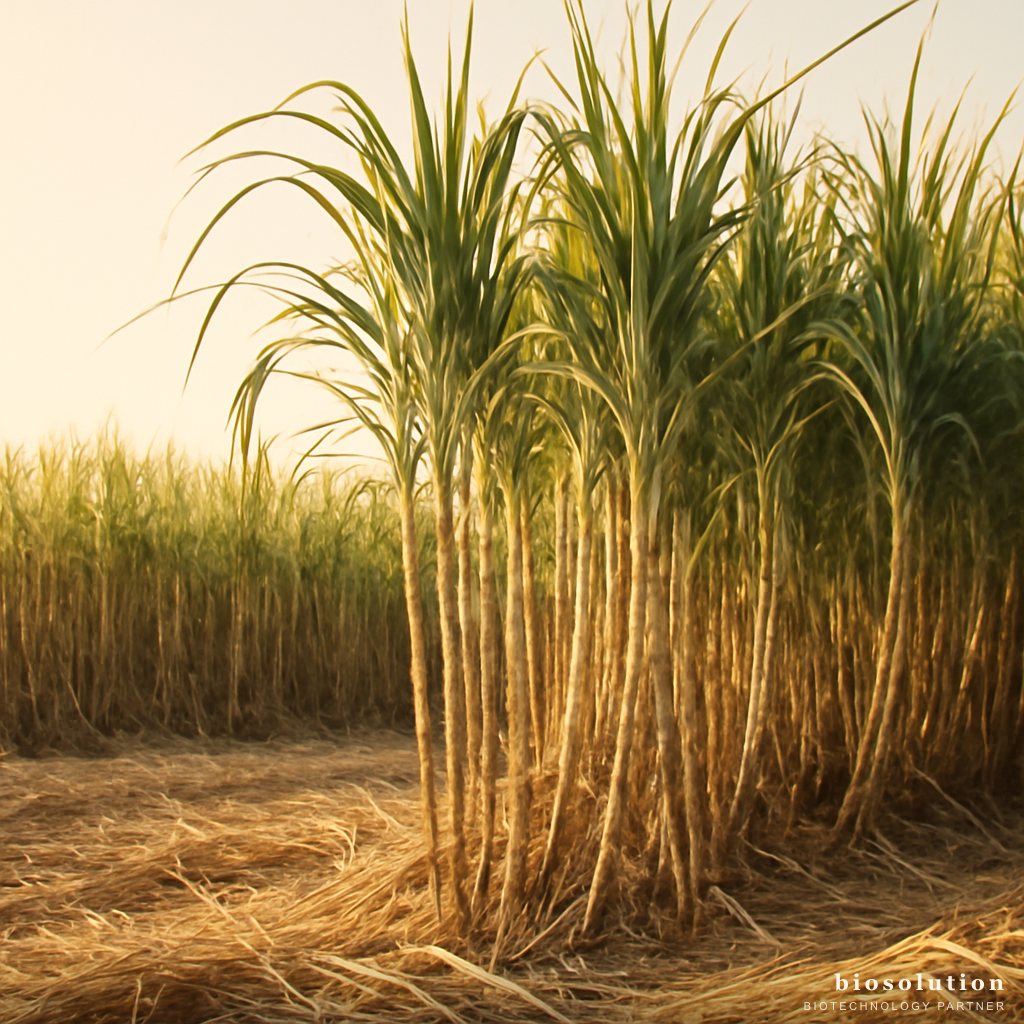
Biofertilizer for sugarcane is now a strategic choice for plantations aiming to increase sugar yield without inflating production costs. With a formula based on superior microbes such as Rhizobium sp., Bacillus subtilis, and Azospirillum sp., biofertilizer not only enriches the soil but also optimizes nutrient uptake naturally. This article thoroughly examines the cost comparison between conventional and biofertilization systems, and how its application on large areas can reduce expenses by up to 30%.
Why Biofertilizer for Sugarcane is Key to Increasing Sugar Yield?
Sugar yield is determined by sucrose accumulation in sugarcane stalks, which is highly influenced by balanced nutrient availability throughout growth. Synthetic chemical fertilizers release nutrients quickly, but often cause nitrogen leaching and phosphorus fixation that are not optimally absorbed. On the other hand, biofertilizer works gradually with the help of soil microbes.
Microbes like Azospirillum sp. can fix associative nitrogen from the air, providing up to 20-40 kg N per hectare per season. Bacillus subtilis dissolves bound phosphorus into forms available to plants, increasing P fertilization efficiency by up to 30%. As a result, sugarcane plants are healthier, stalks are fuller, and sugar content increases.
Research at the University of Jember shows that biofertilizer application on sugarcane can increase yield by 1.2-1.8 percentage points compared to chemical controls. That is, if the initial yield is 8%, it can rise to 9.2-9.8%.
Cost Comparison: Chemical Fertilizer vs Biofertilizer for Sugarcane
Chemical Fertilizer Cost per Hectare
Conventional sugarcane fertilization typically requires 300-400 kg Urea, 200-250 kg SP-36, and 150-200 kg KCl per hectare per season. With average subsidized fertilizer prices (Rp2,250/kg Urea, Rp2,400/kg SP-36, Rp3,000/kg KCl), the total chemical fertilizer cost reaches:
- Urea: 350 kg × Rp2,250 = Rp787,500
- SP-36: 225 kg × Rp2,400 = Rp540,000
- KCl: 175 kg × Rp3,000 = Rp525,000 Total: Rp1,852,500 per hectare (excluding application costs for 2-3 tractor rentals).
Biofertilizer Cost per Hectare
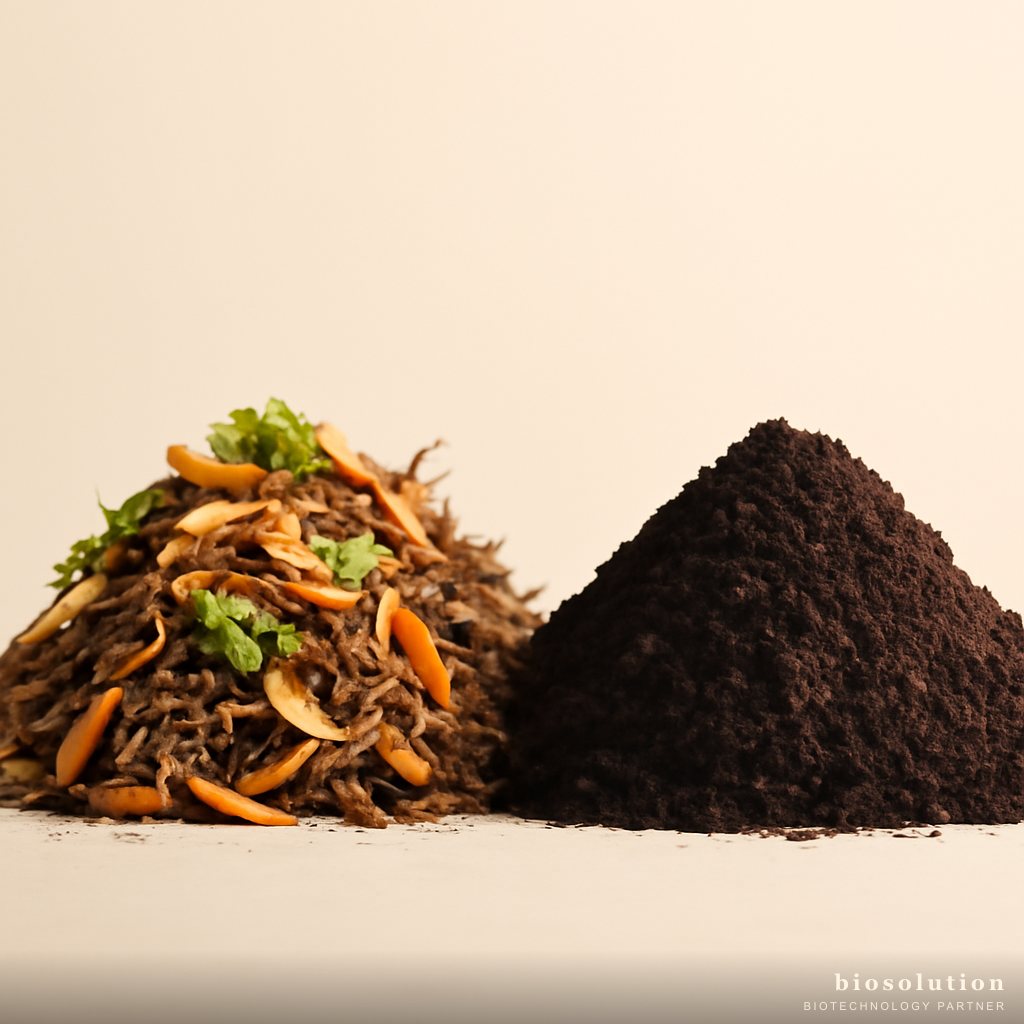
Biosolution's Formula Pupuk Hayati Granul Lahan Luas is applied at a dose of 150-200 kg per hectare, enough for 1-2 times per season. The price per kg of granules is around Rp15,000-20,000 (depending on volume). Thus:
- Dose 175 kg × Rp17,500 = Rp3,062,500 per hectare.
Although it appears more expensive, it should be noted that biofertilizer can reduce chemical fertilizer doses by up to 50%. For example, Urea only 175 kg, SP-36 112 kg, KCl 87 kg. The chemical fertilizer cost becomes:
- Urea: 175 kg × Rp2,250 = Rp393,750
- SP-36: 112 kg × Rp2,400 = Rp268,800
- KCl: 87 kg × Rp3,000 = Rp261,000 Total: Rp923,550
Total fertilizer cost (chemical + bio) = Rp923,550 + Rp3,062,500 = Rp3,986,050 per hectare.
Total Cost Efficiency
If previously the full chemical fertilizer cost was Rp1,852,500, with bio it becomes Rp3,986,050, meaning an increase of Rp2,133,550. However, this increase is offset by increased yield and production. Assuming sugarcane production of 80 tons/ha and a yield increase of 1.5%, the additional sugar produced = 80 tons × 1.5% = 1.2 tons of sugar. With white crystal sugar price at Rp12,000/kg, additional revenue = 1,200 kg × Rp12,000 = Rp14,400,000. Net profit after deducting additional fertilizer cost = Rp14,400,000 - Rp2,133,550 = Rp12,266,450 per hectare. Clearly more profitable.
Working Mechanism of Formula Pupuk Hayati Granul Lahan Luas
This product contains five superior microbial strains with synergistic roles:
- Rhizobium sp.: Fixes nitrogen in legume plants (if intercropped), but also aids decomposition of organic matter.
- Bacillus subtilis: Solubilizes phosphate and produces growth hormones like IAA, and produces antibiotics to suppress pathogens.
- Azospirillum sp.: Fixes associative nitrogen in the sugarcane rhizosphere, providing N without excessive application.
- Pseudomonas fluorescens: Produces siderophores that bind iron, causing pathogens to lack Fe and inhibiting their growth.
- Trichoderma sp.: Degrades chitin in fungal pathogen cell walls and accelerates decomposition of organic matter.
This combination creates a nutrient-rich, healthy rhizosphere environment that supports extensive sugarcane root growth. Granule application with a size of 2-4 mm allows even distribution using a spreader machine, suitable for large areas.
Case Study: Application in East Java Sugarcane Plantation
A sugarcane plantation in Malang applied Formula Pupuk Hayati Granul on a 50-hectare area. A dose of 175 kg/ha was applied during soil tillage. Chemical fertilizer was reduced by 40% (Urea 210 kg/ha, SP-36 135 kg/ha, KCl 105 kg/ha). Results:
- Sugarcane production: 82 tons/ha (up 8% from previous average of 76 tons/ha).
- Yield: 9.2% (previously 7.8%).
- Fertilizer cost per hectare: Rp3.2 million (down 12% due to chemical reduction).
- Additional revenue: approximately Rp13.5 million per hectare.
This success shows that investment in biofertilizer provides a significant return on investment (ROI) within one growing season.
Proper Application Method of Biofertilizer Granules for Sugarcane
Application of biofertilizer granules is very practical. Here is a guide from Biosolution:
- Timing: During soil tillage or early rainy season, before planting.
- Dose: 100-250 kg per hectare, adjusted to soil conditions and production targets.
- Method: Spread evenly on the soil surface using a spreader machine or manually, then mix with soil to a depth of 10-15 cm.
- Frequency: Enough 1-2 times per growing season. For low-fertility land, a second application at 2 months of age.
Ensure granules are not exposed to direct sunlight for too long. Store in a shaded, dry place. Product shelf life reaches 24 months at room temperature.
Advantages of Granular Biofertilizer Compared to Liquid for Large Areas
Although liquid biofertilizer is also effective, for large-scale sugarcane plantations, granules have several advantages:
- Faster application: With a spreader machine, 1 hectare only takes 15-20 minutes, while liquid requires spraying and large water volumes.
- Gradual nutrient release: Granules coat microbes with organic material that protects them from drought and UV light, so viability remains high.
- Labor saving: No need to prepare a solution, just spread and cover.
- Increases soil C-organic: The organic matter content of granules improves soil structure and water holding capacity.
Conclusion
Biofertilizer for sugarcane, especially Biosolution's Formula Pupuk Hayati Granul Lahan Luas, has been proven to significantly increase sugar yield with more efficient costs when calculated overall. The cost comparison shows that although the price per kg is higher, the reduction in chemical fertilizer and increased harvest yields provide a net profit of up to Rp12 million per hectare. With easy application and support from five superior microbial strains, this product is an ideal solution for sugarcane plantations aiming to increase productivity and profitability sustainably.
For more information and free consultation on the right dosage according to your land conditions, contact the Biosolution team via WhatsApp at +62-xxx-xxxx-xxxx or visit the product page Formula Pupuk Hayati Granul Lahan Luas and Formula Pupuk Hayati 5-in-1 Liquid.
FAQ
1. Can biofertilizer completely replace chemical fertilizer? Biofertilizer does not completely replace chemical fertilizer, but can reduce its dose by up to 50%. The microbes in biofertilizer help provide nutrients already in the soil and increase uptake efficiency, thus reducing the need for chemical fertilizer. For optimal results, combine with low-dose chemical fertilizer as recommended.
2. How long does it take to see the effect of biofertilizer on sugarcane? Initial effects such as more root growth and greener leaf color are usually seen 2-3 weeks after application. The increase in sugar yield is only measurable at harvest, about 9-12 months after planting, depending on variety and land conditions.
3. Is biofertilizer safe for the environment? Very safe. Biofertilizer uses natural microbes that leave no harmful chemical residues. In fact, this product improves soil health by increasing beneficial microbial populations and organic matter content.
4. How to store granular biofertilizer? Store in a shaded, dry, and cool place (temperature 20-30°C). Avoid direct sunlight and high humidity. With proper storage, shelf life reaches 24 months from production.
5. Can it be mixed with chemical fertilizer during application? Yes, but it is best not to mix directly in the same container because chemical salts can reduce microbial viability. Apply chemical fertilizer first, then spread biofertilizer separately, or leave a few days gap.