Sugarcane Biofertilizer: Boosting Sugar Yield with the Best Biofertilizer
Biofertilizer for sugarcane to increase sugar yield is becoming an increasingly popular solution among sugarcane plantations in Indonesia. With the national sugar production target continuously being pushed, efficiency and harvest quality are key. Biofertilizer not only enriches the soil but also affects sucrose accumulation in sugarcane stalks. This article will review the criteria for selecting the best biofertilizer, the mechanisms for increasing yield, and product recommendations.
Why is Biofertilizer Important for Sugarcane?
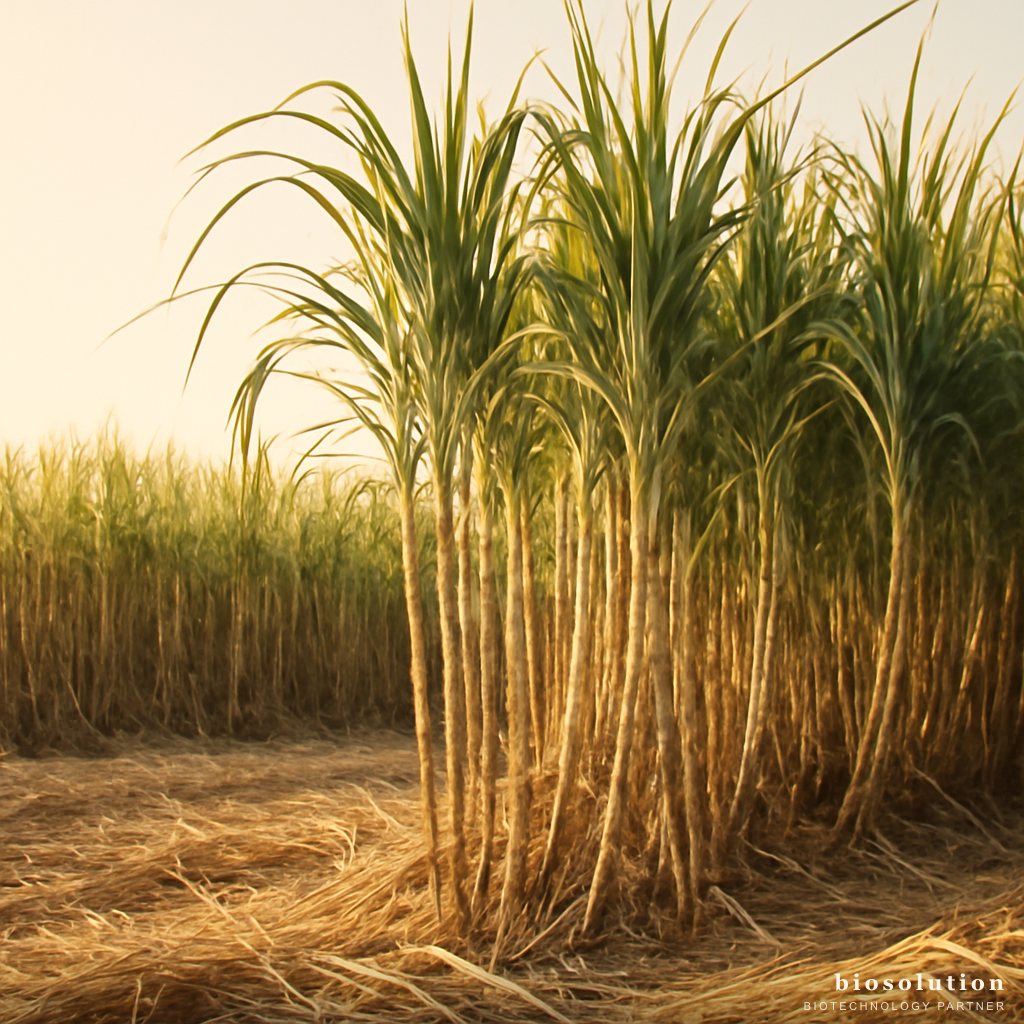
Sugarcane (Saccharum officinarum) is a C4 plant that requires large amounts of nutrients, especially nitrogen, phosphorus, and potassium. Excessive use of chemical fertilizers can actually reduce juice quality by increasing water content and suppressing sugar accumulation. This is where the role of biofertilizer becomes crucial.
Improving Nutrient Availability
Microorganisms in biofertilizer can fix nitrogen from the air, solubilize bound phosphorus, and produce phytohormones that stimulate root growth. With healthier roots, nutrient uptake becomes optimal, and the plant can focus energy on sugar formation.
Improving Soil Structure
Sugarcane plantation soils that are continuously cultivated tend to be compact and low in organic matter. Biofertilizer helps soil aggregation, improves aeration, and water holding capacity. A good rhizosphere environment supports beneficial microbial activity and suppresses pathogens.
Suppressing Disease Attack
Some strains in biofertilizer, such as Trichoderma sp. and Pseudomonas fluorescens, are antagonistic to soil-borne fungal pathogens. Healthy plants produce better quality juice.
Criteria for Selecting Biofertilizer for Sugarcane
Not all biofertilizers are suitable for sugarcane. Here are the criteria to consider:
Superior Microbial Content
Choose products with at least three types of synergistic microbes. For example, a combination of N-fixers, P-solubilizers, and biological agents. Ensure a minimum concentration of 10⁸ CFU/g or CFU/ml.
Long Shelf Life
Granular biofertilizers generally have a longer shelf life than liquid ones. Products with a shelf life of 12–24 months are more practical for large plantation stocks.
Ease of Application
For large areas, granular biofertilizer is easier to apply with spreader machines or manually. Uniform granule size (2–4 mm) facilitates even distribution.
Certification and Field Trials
Choose products that are registered with the Ministry of Agriculture and have field trial data. Certification guarantees quality and safety for plants and the environment.
Best Biofertilizer: Formula Pupuk Hayati Granul Lahan Luas
Biosolution presents Formula Pupuk Hayati Granul Lahan Luas, specially formulated for large-scale sugarcane plantations. This product contains five superior microbes:
- Rhizobium sp.: N₂ fixer in legumes, but also aids the N cycle in sugarcane fields.
- Bacillus subtilis: Phosphate solubilizer and natural antibiotic producer.
- Azospirillum sp.: Associative N₂ fixer living around sugarcane roots.
- Pseudomonas fluorescens: Antagonist to soil-borne pathogens such as Fusarium.
- Trichoderma sp.: Biocontrol of fungal pathogens and decomposer of organic matter.
Product Advantages
- High concentration: 10⁹ CFU/g, ensuring sufficient microbial population even when applied to large areas.
- 24-month shelf life: Suitable for seasonal plantation stocks.
- Granule size 2–4 mm: Ideal for centrifugal spreaders or drop spreaders.
- Dosage 100–250 kg/ha: Efficient and economical.
- Gradual nutrient release: Reduces nutrient leaching and increases fertilization efficiency.
Application Method
Apply during soil preparation or at the start of the rainy season. Spread granules evenly around the root zone or planting rows, then cover lightly with soil. Frequency is sufficient 1–2 times per growing season.
Mechanisms for Increasing Sugar Yield
Biofertilizer increases sugar yield through several mechanisms:
Optimizing Photosynthesis
Adequate nitrogen and phosphorus availability increases Rubisco enzyme activity and chlorophyll synthesis. More efficient photosynthesis produces sucrose that is translocated to the stalks.
Reducing Abiotic Stress
Microbes such as Azospirillum produce phytohormones (auxins, cytokinins) that help plants tolerate drought. Non-stressed sugarcane can still accumulate sugar.
Suppressing Stalk Diseases
Diseases like pokahbung and fusarium reduce stalk quality. Biological agents suppress pathogens so stalks remain healthy and sugar content is optimal.
Case Study: Comparison with Chemical Fertilizers
Research in East Java showed that applying granular biofertilizer to sugarcane increased sugar yield by 0.5–1.2 units compared to conventional chemical fertilization. Additionally, fertilization costs can be reduced by 20–30% because chemical fertilizer doses are lowered. Phosphate-solubilizing microbes also increase P uptake efficiency by up to 40%.
Tips for Applying Biofertilizer to Sugarcane
- Combine with organic fertilizer: Manure or compost provides substrate for microbes.
- Avoid mixing with chemical fungicides: Can kill microbes. Allow at least 7 days interval.
- Apply during cloudy weather: Excessive UV light can reduce microbial viability.
- Conduct soil tests: To determine the exact dosage and type of microbes needed.
Conclusion
Biofertilizer for sugarcane to increase sugar yield is a profitable long-term investment. By choosing the right biofertilizer, such as Biosolution's Formula Pupuk Hayati Granul Lahan Luas, plantations can obtain high-quality harvests while maintaining soil fertility. This product meets key criteria: high concentration, long shelf life, ease of application, and supported by scientific data.
For further consultation on dosage and application methods suitable for your land conditions, contact the Biosolution team via WhatsApp. We are ready to help you achieve optimal sugar yield.
This article was reviewed by the Biosolution R&D team. More information about the product can be seen at formula pupuk hayati granul and related products.