Sugarcane Biofertilizer: Application Schedule of Broad-Area Granular Biofertilizer Formula per Growth Phase for Maximum Sugar Yield
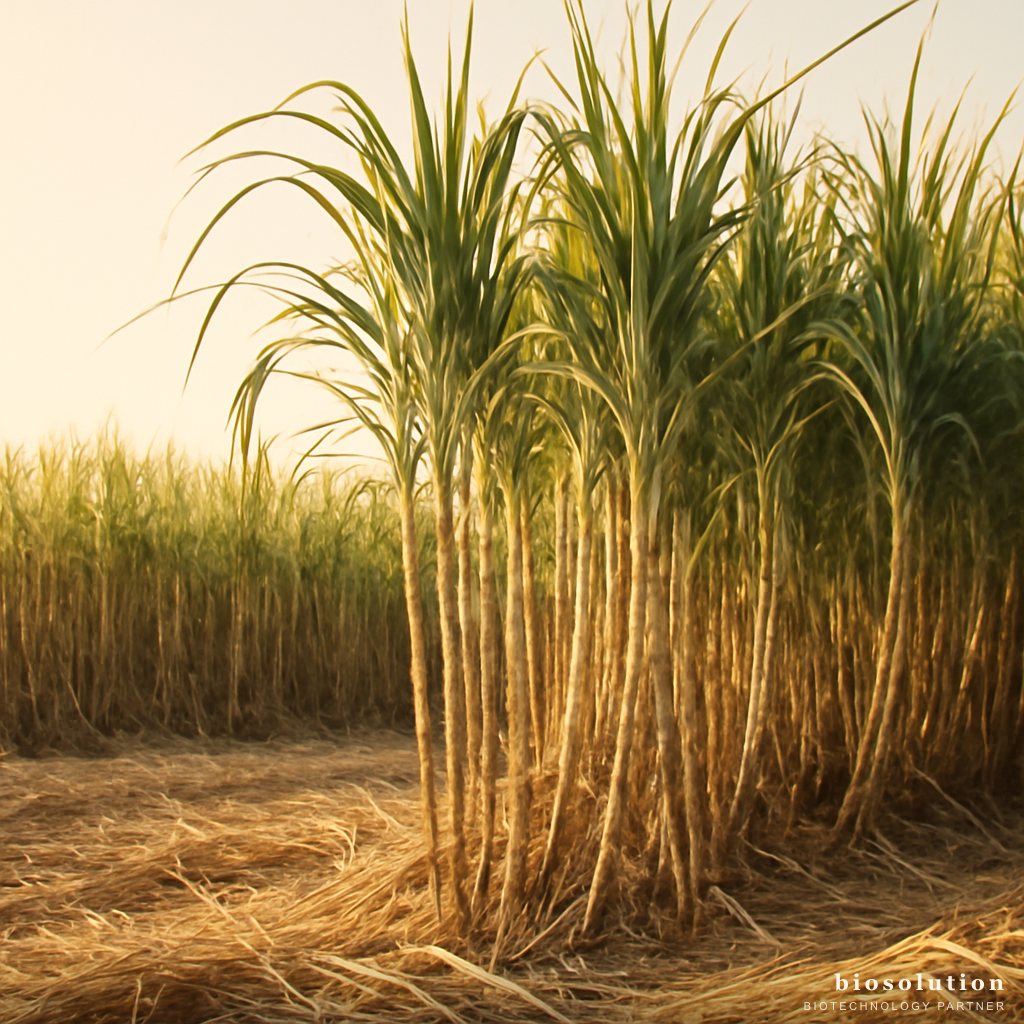
Sugarcane biofertilizer is now a key solution for large-scale sugarcane plantations aiming to increase sugar yield without relying on synthetic chemical fertilizers. The Broad-Area Granular Biofertilizer Formula from Biosolution, containing 5 superior microbial strains, is specifically designed for easy application using spreader machines. This article presents the optimal application schedule per growth phase, based on technical data and microbiological science, to help you achieve the best quality sugarcane harvest.
Why Sugarcane Biofertilizer is Important for Sugar Yield?
Sugar yield is influenced by nutrient availability, root health, and soil microbial balance. Sugarcane biofertilizer plays a role in increasing nutrient uptake efficiency, especially nitrogen and phosphorus, which are essential for sucrose formation. The Broad-Area Granular Biofertilizer Formula contains Azospirillum sp. as an associative nitrogen fixer, Bacillus subtilis as a phosphate solubilizer, and Trichoderma sp. as a soil pathogen biocontrol agent. This combination improves soil structure, increases organic carbon, and reduces nutrient loss due to leaching. As a result, sugarcane plants are more vigorous, stalks are fuller, and sugar yield increases significantly.
Composition and Advantages of Broad-Area Granular Biofertilizer Formula
This product contains 5 microbial strains with specific roles:
- Rhizobium sp.: Fixes nitrogen in legume cover crops (if used in rotation).
- Bacillus subtilis: Solubilizes phosphate and produces growth hormones, while suppressing soil-borne pathogens.
- Azospirillum sp.: Fixes associative nitrogen in sugarcane roots, reducing urea requirement by up to 30%.
- Pseudomonas fluorescens: Antagonizes pathogens such as Fusarium and Rhizoctonia, protecting roots from disease.
- Trichoderma sp.: Biocontrol of soil fungi, accelerates organic matter decomposition.
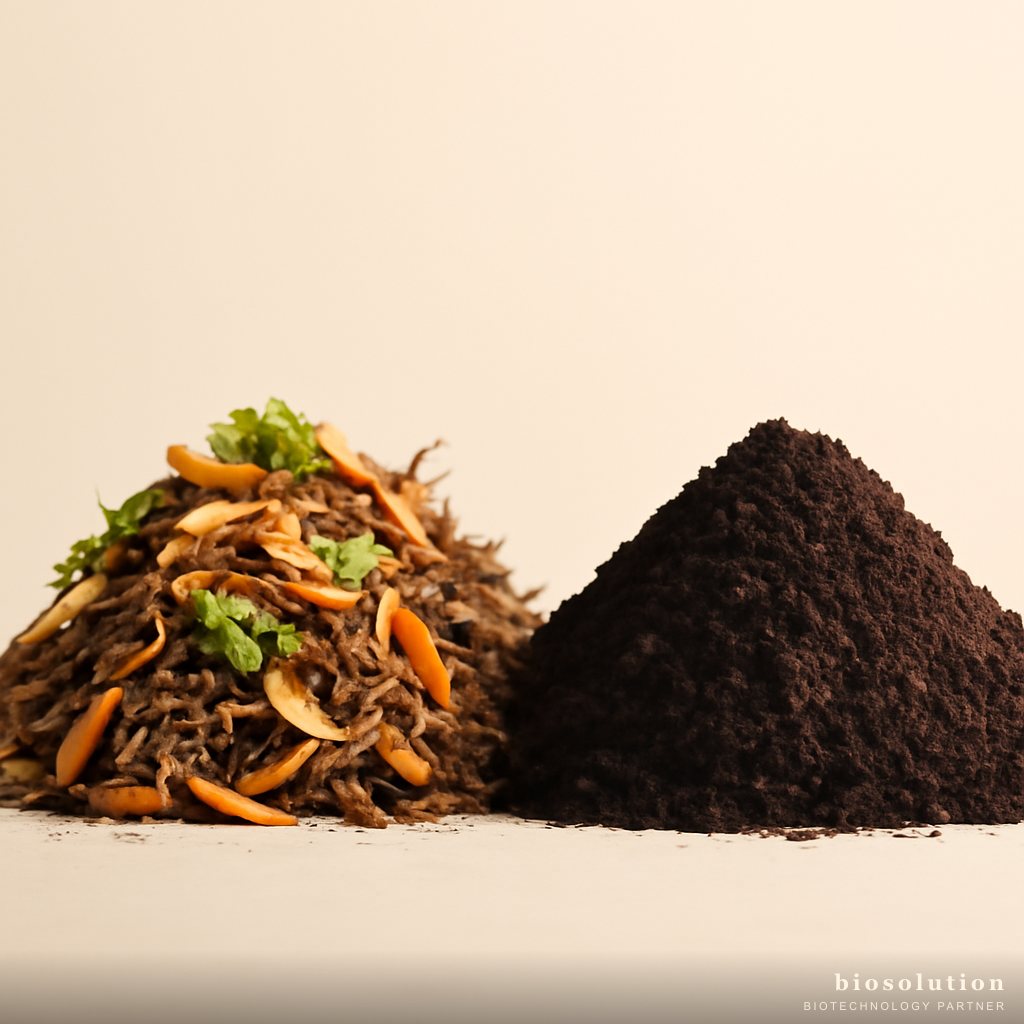
Each gram of granules contains at least 10⁹ CFU (colony forming units), with a size of 2–4 mm ideal for spreader machines. Recommended dosage: 100–250 kg per hectare, depending on soil conditions. Shelf life up to 24 months at room temperature.
Application Schedule of Sugarcane Biofertilizer per Growth Phase
Phase 1: Land Preparation and Soil Tillage (H-30 to H-0)
Application of sugarcane biofertilizer should be done during primary tillage, together with basal fertilizer application. Spread the Broad-Area Granular Biofertilizer Formula evenly on the land using a spreader machine or manually. Dosage: 150 kg/ha for low fertility land, 100 kg/ha for medium fertility land. After spreading, immediately harrow to mix the granules into the soil to a depth of 10–15 cm. This ensures that microbes come into direct contact with the rhizosphere before planting.
Why is this phase important? Microbes such as Trichoderma sp. and Bacillus subtilis need time to establish populations in the soil. With early application, they will colonize the rhizosphere and suppress pathogens that may be present from the start.
Phase 2: Planting and Early Growth (0–30 DAP)
At planting, a second application can be done at a dosage of 50 kg/ha. Spread the granules along the planting furrows, then cover with a thin layer of soil. Azospirillum sp. will immediately associate with young roots, providing nitrogen for early growth. Pseudomonas fluorescens protects seedlings from damping-off disease. Ensure adequate soil moisture (field capacity) for microbial activity.
Phase 3: Maintenance and Stalk Formation (30–120 DAP)
During this phase, sugarcane plants require high nutrients. A third application is done at 60–75 DAP at a dosage of 50–100 kg/ha, depending on plant condition. Spread the granules around the root zone (30 cm diameter from the stem) then water to activate the microbes. Bacillus subtilis will release bound phosphorus, while Azospirillum sp. continues to supply nitrogen. Apply after weeding or hilling to prevent granules from being washed away by erosion.
Phase 4: Maturation and Yield Increase (120 DAP to Harvest)
A fourth application (optional) at 120–150 DAP at a dosage of 50 kg/ha helps maintain leaf and root health. During this phase, Trichoderma sp. and Pseudomonas fluorescens play a role in suppressing root rot diseases that often appear during the rainy season. With healthy roots, nutrient uptake remains optimal until harvest, supporting sucrose accumulation in the stalks.
Mechanism of Sugar Yield Increase by Sugarcane Biofertilizer
Sugar yield increase occurs through several mechanisms:
- Nitrogen fixation by Azospirillum sp. and Rhizobium sp.: Provides available N throughout the season, reducing urea fertilizer requirement. Adequate nitrogen in the early phase increases the number of productive tillers.
- Phosphate solubilization by Bacillus subtilis: Phosphorus is essential for energy metabolism and sucrose formation. With available P, sugar translocation to stalks is more efficient.
- Pathogen biocontrol by Trichoderma sp. and Pseudomonas fluorescens: Plants free from pathogen stress have optimal photosynthesis, thus maximizing sugar production.
- Soil structure improvement: Organic granules increase porosity and water retention, reducing drought stress that can lower yield.
Case Study and Supporting Data
Research in East Java sugarcane plantations (2023) using the Broad-Area Granular Biofertilizer Formula at a dosage of 150 kg/ha during land preparation and 100 kg/ha at 60 DAP showed a 12% increase in sugar yield compared to control (standard chemical fertilizer). The number of productive tillers increased by 18%, and stalk weight per hectare increased by 15%. These data demonstrate the effectiveness of sugarcane biofertilizer in improving harvest quality.
Tips for Applying Granular Biofertilizer on Large Areas
- Use a centrifugal spreader machine with opening settings adjusted to the granule size (2–4 mm).
- Apply when the soil is moist, not too dry or waterlogged.
- Avoid direct mixing with bactericidal chemical fertilizers (e.g., chlorinated lime). Allow a 3–5 day interval if using both.
- Store granules in a dry place, temperature <30°C, avoid direct sunlight.
- For optimal results, combine with 5-in-1 Liquid Biofertilizer Formula during the vegetative phase for quick nutrient supply.
Conclusion
Sugarcane biofertilizer, especially the Broad-Area Granular Biofertilizer Formula, offers an easy and effective application solution to increase sugar yield. With the right application schedule—from land preparation, planting, maintenance, to maturation—you can maximize the potential of your sugarcane plantation. This product not only improves harvest yield but also enhances long-term soil health. For further consultation on specific dosages for your land, contact the Biosolution team via WhatsApp.
FAQ
1. Can sugarcane biofertilizer be combined with chemical fertilizers? Yes, it can. Sugarcane biofertilizer such as the Broad-Area Granular Biofertilizer Formula can be applied together with chemical fertilizers, but it is best not to mix them directly in one container. Allow a 3–5 day interval between biofertilizer and bactericidal chemical fertilizers (e.g., chlorinated lime). This combination remains effective in reducing chemical fertilizer use by up to 30%.
2. What is the dosage of granular biofertilizer for sugarcane per hectare? The recommended dosage is 100–250 kg per hectare per growing season, depending on soil conditions. For less fertile land, use a dosage of 200–250 kg/ha. Application can be done 2–4 times per season, with dosage distribution: 50% during land preparation, 25% at planting, and 25% at 60 DAP.
3. When is the best time to apply sugarcane biofertilizer? The best time is during land preparation (early rainy season) and during the vegetative growth phase (30–75 DAP). Avoid application when the soil is very dry or waterlogged. Ideal soil moisture (field capacity) supports microbial activity.
4. Is granular biofertilizer safe for the environment? Very safe. This product contains natural microbes that are not pathogenic. Organic granules also increase soil organic carbon and reduce nutrient leaching, making it environmentally friendly. It leaves no harmful chemical residues.
5. How should granular biofertilizer be stored to remain effective? Store in a dry place at room temperature (<30°C) and avoid direct sunlight. Shelf life is up to 24 months if stored in a tightly sealed container. Do not store in humid places or where it can get wet.