Traditional Tiger Shrimp Pond Probiotics: 3 Powerful Formulas for Better Harvests
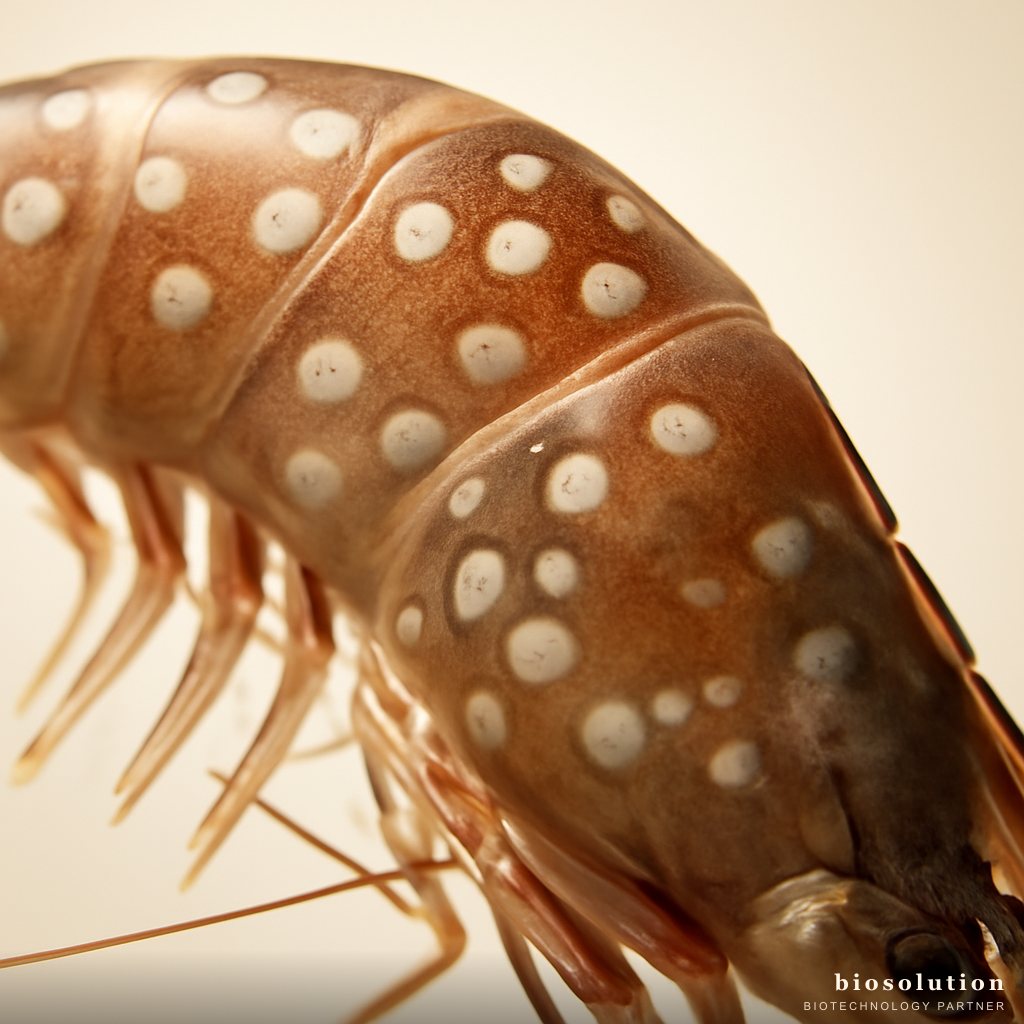
Traditional tiger shrimp (Penaeus monodon) farming remains a mainstay for many farmers in Indonesia. However, challenges such as disease outbreaks, declining water quality, and high mortality often hinder productivity. This is where the role of traditional tiger shrimp pond probiotics becomes crucial. By utilizing beneficial bacteria, farmers can create a stable pond environment without drastically altering the traditional system. This article presents three field-tested probiotic formulas, complete with success case studies.
Why Are Probiotics Important for Traditional Tiger Shrimp Ponds?
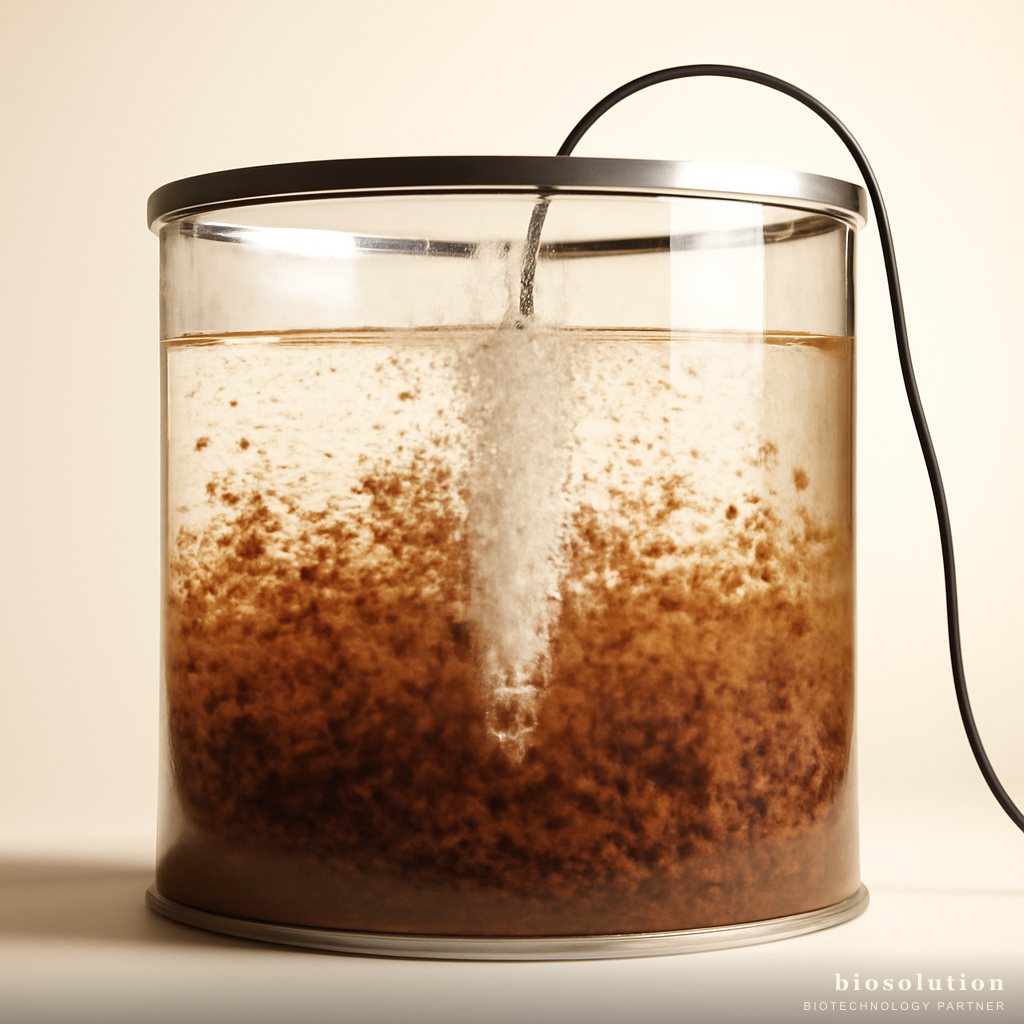
Traditional ponds generally rely on tidal seawater for circulation. This condition makes water parameters such as ammonia, nitrite, and organic matter easily fluctuate. Without proper management, the risk of shrimp death due to stress or Vibrio infection increases. Probiotics work by breaking down leftover feed and waste, oxidizing toxic compounds, and naturally suppressing pathogenic bacteria. Routine use of probiotics has been shown to reduce mortality rates by up to 30% and increase harvest weight.
Mechanism of Probiotic Action
Probiotics contain bacteria that synergize with each other. Bacillus subtilis acts as a decomposer of organic matter and produces antimicrobial compounds that inhibit Vibrio. Meanwhile, Nitrosomonas sp. oxidizes ammonia into nitrite, and Nitrobacter sp. oxidizes nitrite into safer nitrate. As a result, water quality is maintained, shrimp are less stressed, and growth is optimal.
Formula 1: Bacillus subtilis – Decomposer & Anti-Vibrio
The first formula focuses on Bacillus subtilis, a Gram-positive bacterium capable of producing protease, amylase, and lipase enzymes to break down organic waste. Its advantage is that it also produces subtilisin and antimicrobial peptides effective against Vibrio harveyi and V. parahaemolyticus.
Case Study: Pond in Situbondo
Mr. Slamet, a farmer in Situbondo, applied Bacillus subtilis probiotic at a dose of 3 L per hectare every 10 days. Previously, his pond often experienced sudden deaths in shrimp aged 40-50 days. After three cycles of use, survival rate increased from 45% to 72%. Water quality also became more stable, with ammonia levels dropping from 0.8 mg/L to 0.2 mg/L.
Application Method
Application is done in the morning by evenly spreading the probiotic over the entire pond surface. Ensure sufficient aeration so that the bacteria can spread optimally. Avoid simultaneous use with chemical disinfectants.
Formula 2: Nitrosomonas & Nitrobacter – Ammonia-Nitrite Controllers
The second formula combines Nitrosomonas sp. and Nitrobacter sp. to manage the nitrogen cycle. These two bacteria are very important in traditional ponds that often experience ammonia spikes due to overfeeding.
Case Study: Pond in Banyuwangi
Mrs. Dewi from Banyuwangi manages three traditional pond plots. After using the Nitrosomonas-Nitrobacter combination probiotic, nitrite levels that had reached 1.5 mg/L dropped to 0.1 mg/L within 7 days. Her tiger shrimp appeared more active and had increased appetite. Harvest yield increased by 25% compared to the previous cycle.
Dosage and Frequency
A dose of 3 L per hectare every 10 days is quite effective. For ponds with high organic load, frequency can be increased to once every 7 days. Morning application yields better results because water temperature is still low and dissolved oxygen is high.
Formula 3: Three-Strain Combination – Comprehensive Solution
The third formula is a mixture of all three bacteria: Bacillus subtilis, Nitrosomonas sp., and Nitrobacter sp. The synergy of the three provides dual benefits: organic decomposition, ammonia-nitrite control, and pathogen suppression. Products like Tiger Shrimp Pond Probiotic Formula are already formulated in optimal ratios.
Case Study: Pond in Lampung
Mr. Joko, a farmer in Lampung, applied the combination formula at a dose of 3 L/ha every 10 days. As a result, water quality remained stable throughout the cycle, with no need for water changes. Mortality dropped from 35% to 12%, and harvest size was more uniform. The tiger shrimp produced met organic export standards due to being free of chemical residues.
Proper Probiotic Application Guide
For optimal results, follow these steps:
- Pond Preparation: Dry and lime the pond bottom before stocking. Ensure water pH is 7.5-8.5.
- Application Time: Morning (06:00-08:00) when water temperature is 28-30°C.
- Dosage: 3 L per hectare every 10 days, or as per product recommendation.
- Spreading Method: Dilute probiotic with pond water (1:10) then spread evenly.
- Monitoring: Measure ammonia, nitrite, pH, and dissolved oxygen weekly.
Conclusion
The application of traditional tiger shrimp pond probiotics has proven effective in improving water quality, reducing mortality, and increasing harvest yields. The three formulas discussed – Bacillus subtilis, Nitrosomonas-Nitrobacter combination, and the mixture of all three – provide solutions tailored to pond needs. For maximum results, use tested products like Tiger Shrimp Pond Probiotic Formula. Consult our team for dosage and schedule suitable for your pond conditions. Contact us via WhatsApp for further discussion.
FAQ
What are traditional tiger shrimp pond probiotics?
Traditional tiger shrimp pond probiotics are beneficial bacterial supplements added to pond water to improve water quality, break down organic waste, and suppress pathogens. Suitable for traditional systems without intensive aeration.
What is the recommended probiotic dosage?
The general dosage is 3 L per hectare every 10 days. For ponds with high ammonia issues, frequency can be increased to once every 7 days. Morning application yields the best results.
Are probiotics safe for tiger shrimp?
Yes, probiotics contain natural bacteria that are not pathogenic. They actually help suppress harmful bacteria like Vibrio. Use according to dosage does not cause side effects.
Can probiotics be used together with chemical medications?
It is best to avoid simultaneous use with disinfectants or antibiotics. Allow a minimum of 3 days after chemical application. Consult an expert for specific case handling.
How long does it take to see results from probiotic use?
Improvement in water quality is usually visible within 3-7 days. Reduction in mortality and increased shrimp growth become apparent after 2-3 weeks of routine use.