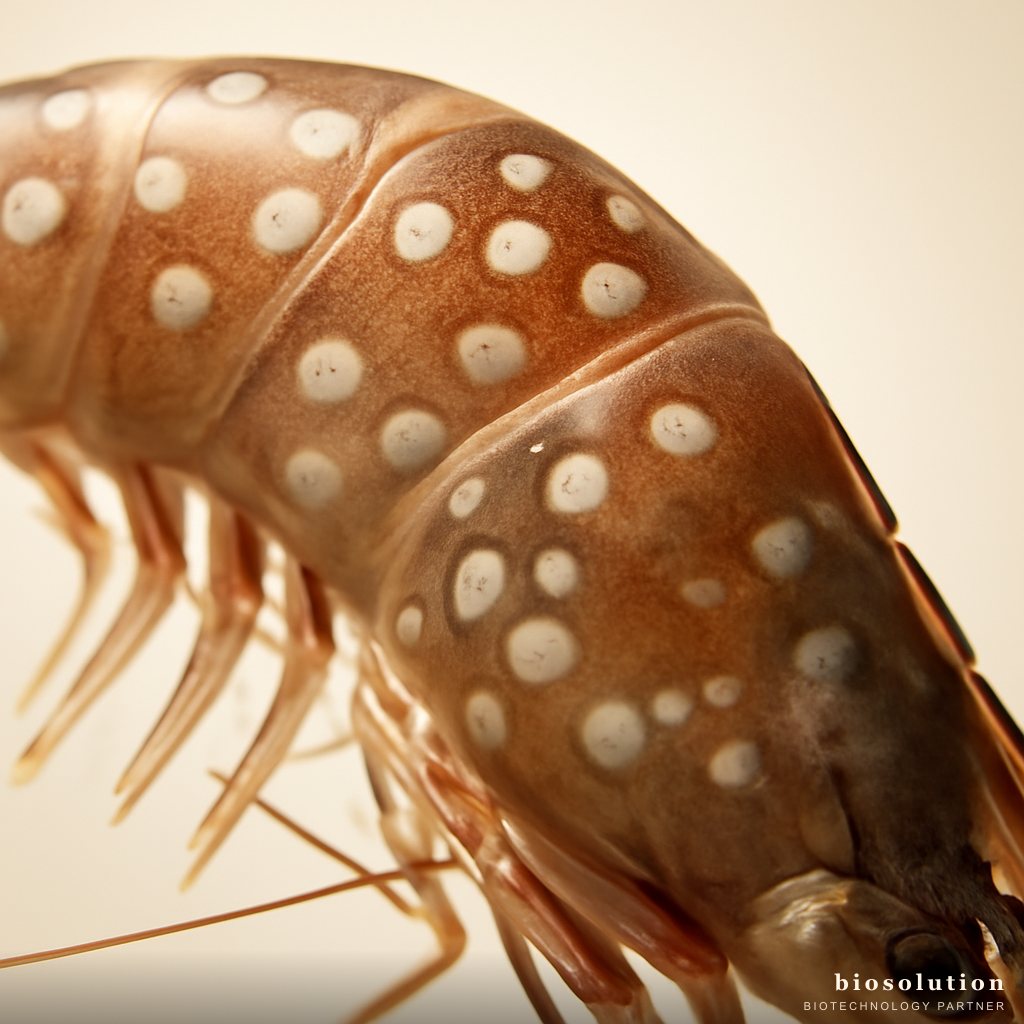
Traditional Tiger Shrimp Pond Probiotics: Key to Sustainable Aquaculture
Traditional tiger shrimp (Penaeus monodon) pond aquaculture faces serious challenges: declining water quality due to organic waste accumulation, Vibrio bacterial disease outbreaks, and fluctuating environmental parameters. Traditional tiger shrimp pond probiotics offer a natural solution that not only increases productivity but also supports sustainable aquaculture principles. By utilizing beneficial bacteria, farmers can maintain pond ecosystem balance without relying on harmful chemicals. This article will answer common questions about probiotic use in tiger shrimp ponds, from mechanisms of action to expected results.
What Are Pond Probiotics and How Do They Work?
Pond probiotics are consortia of beneficial bacteria added to pond water to improve water quality, suppress pathogens, and enhance shrimp health. In traditional tiger shrimp ponds, probiotics work through several mechanisms:
Decomposition of Organic Matter
Bacteria such as Bacillus subtilis produce enzymes that break down uneaten feed, feces, and dead plankton into simple compounds. This process reduces organic waste load, prevents sludge buildup, and suppresses the growth of pathogenic bacteria that use organic matter as a substrate.
Nitrogen Cycle
Ammonia (NH₃) and nitrite (NO₂⁻) are toxic compounds for shrimp. Nitrosomonas sp. oxidizes ammonia to nitrite, then Nitrobacter sp. oxidizes nitrite to nitrate (NO₃⁻), which is relatively non-toxic. Thus, probiotics keep ammonia and nitrite levels safe, allowing tiger shrimp to grow optimally.
Antagonism Against Pathogens
Bacillus subtilis also produces antimicrobial compounds such as subtilin that inhibit the growth of Vibrio spp., the cause of vibriosis, which is often fatal to tiger shrimp. Competitive exclusion also occurs, where probiotic bacteria dominate space and nutrients, preventing pathogen development.
Why Are Probiotics Important for Traditional Tiger Shrimp Ponds?
Traditional ponds generally have low stocking densities (5-15 shrimp/m²) and rely on natural feed. However, without good management, water quality can easily deteriorate. Several reasons why probiotics are crucial:
- Stable Water Quality: Probiotics help maintain pH, dissolved oxygen, and alkalinity within optimal ranges. Tiger shrimp require pH 7.5–8.5, oxygen >4 mg/L, and ammonia <0.1 mg/L.
- Reduced Mortality: By suppressing pathogens and improving the environment, probiotics lower the risk of death due to stress and disease.
- Better Harvests: Shrimp living in a healthy environment grow faster, have more efficient feed conversion, and better meat quality.
- Suitable for Organic Export: Many international markets require antibiotic-free and chemical-free products. Probiotics are a natural solution that meets organic standards.
How to Apply Probiotics Correctly?
Probiotic application must be done routinely and consistently. Based on the Tiger Shrimp Pond Probiotic Formula product from Biosolution, here are the guidelines:
- Method: Direct broadcast into the pond.
- Dosage: 3 liters per hectare.
- Frequency: Every 10 days.
- Time: Morning (07:00–09:00) when water temperature is not too high and oxygen is still sufficient.
Ensure the probiotic is mixed evenly with pond water before broadcasting. Avoid simultaneous use with disinfectants or antibiotics as they can kill probiotic bacteria.
What Benefits Do Farmers Experience?
Farmers who have used probiotics report several positive changes:
- More stable water quality: Ammonia and nitrite levels drop drastically within 1-2 weeks of routine application.
- Bright green water color: Indicates healthy phytoplankton bloom, not pollution.
- More active shrimp: Increased appetite, more agile movement, and bright body color.
- Reduced mortality: Sudden death cases due to vibriosis decrease by up to 50%.
- Increased harvest: Shrimp size is more uniform, average weight increases, and selling price is higher due to premium quality.
How Do Probiotics Support Sustainable Aquaculture?
Sustainable aquaculture prioritizes ecological, social, and economic balance. Probiotics contribute to:
- Ecology: Reduce water pollution, maintain natural microbial biodiversity, and leave no harmful residues.
- Social: Farmers do not need to use antibiotics that pose risks to human health and the environment.
- Economic: Lower operational costs due to easier water management, more stable harvests, and products can be sold at premium prices.
According to FAO, probiotic use in aquaculture is one of the best practices for achieving sustainable fisheries production.
Are There Side Effects of Probiotic Use?
Probiotics specifically formulated for shrimp ponds are generally safe. However, some points need attention:
- Overdose: Excessive dosage can cause a drop in dissolved oxygen due to increased bacterial respiration. Follow recommended dosage.
- Product quality: Use probiotics from trusted manufacturers with guaranteed viable bacterial counts.
- Pond condition: If the pond is already heavily polluted, probiotics need to be combined with other measures such as partial water exchange.
Conclusion
Traditional tiger shrimp pond probiotics are a smart solution to increase productivity while preserving the environment. Through organic decomposition, nitrogen cycling, and pathogen antagonism, probiotics help farmers achieve better harvests without chemicals. Routine application with proper dosage, such as the Tiger Shrimp Pond Probiotic Formula product, has proven effective. For further consultation, contact the Biosolution team via WhatsApp.
FAQ
1. Can probiotics be used together with lime or dolomite?
Yes, probiotics can be used together with lime. However, ensure the water pH is not too high (>9) as it can inhibit probiotic bacterial growth. It is best to apply lime 1-2 days before or after probiotics.
2. How long does it take to see results after probiotic application?
Water quality improvement is usually visible within 3-7 days after the first application. Ammonia and nitrite reduction can be detected within 1-2 weeks. For effects on shrimp health, significant results are seen after 1-2 culture cycles.
3. Are probiotics safe for tiger shrimp intended for export?
Very safe. Probiotics leave no harmful residues, so tiger shrimp products meet international food safety standards such as EU and Japan. In fact, probiotics support organic certification.
4. Can probiotics completely replace antibiotic use?
Probiotics can reduce the need for antibiotics, but if a serious disease outbreak occurs, antibiotics may still be necessary. Probiotics are more preventive than curative. Antibiotic use must follow veterinary prescription.
5. How to store probiotics correctly?
Store probiotics in a cool, dry place, away from direct sunlight. Ideal storage temperature is 4-30°C. Do not freeze. Ensure the package is tightly sealed after use.