Vibriosis in Vaname Shrimp Ponds: A Case Study of Treatment with Anti-Vibrio Formula
Vibriosis in vaname shrimp ponds is one of the most detrimental bacterial diseases in intensive ponds. Attacks by Vibrio spp., especially Vibrio harveyi and Vibrio parahaemolyticus, can cause mass mortality within days. For farmers, this condition is a nightmare that demands a quick and precise response. This article thoroughly examines a case study of an intensive vaname pond that successfully overcame a vibriosis outbreak using Anti-Vibrio Formula for Vaname Shrimp Ponds (Emergency) from Biosolution. Field data, the mechanism of action of probiotics, and tangible results will be discussed in a technical-journalistic manner.
Why is Vibriosis a Serious Threat in Intensive Ponds?
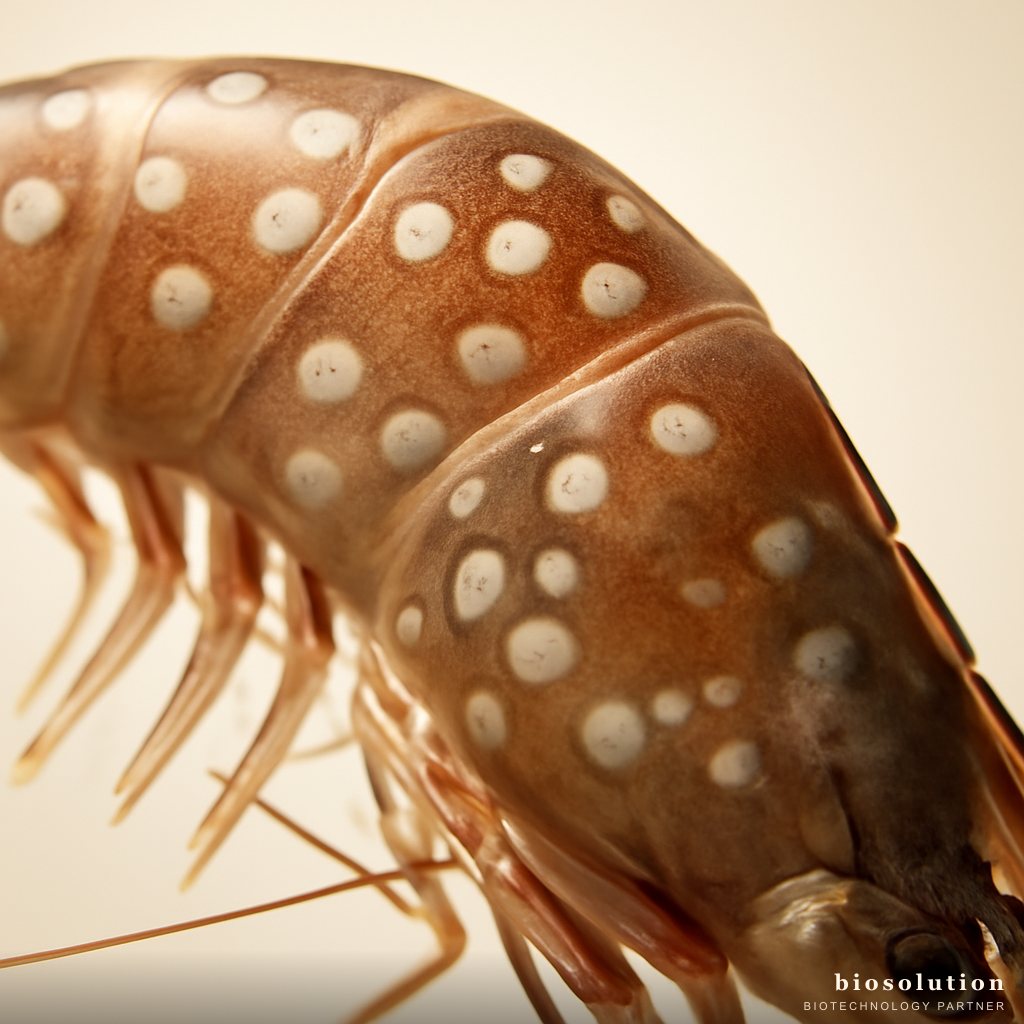
Intensive vaname shrimp ponds have high stocking densities, reaching 150-300 shrimp/m². This condition creates an environment prone to pathogen outbreaks. Vibrio spp. are opportunistic; when water quality declines—high ammonia, low oxygen, or excess organic matter—these bacteria multiply rapidly. Symptoms of vibriosis include pale hepatopancreas, muscle necrosis, and sudden death. Economic losses can reach tens of millions of rupiah per cycle if not addressed.
Conventional approaches using antibiotics are increasingly restricted due to residues and resistance. Therefore, probiotic-based biosecurity solutions have become the primary choice. Biosolution presents the Anti-Vibrio Formula containing two superior Bacillus strains with proven anti-Vibrio mechanisms in the field.
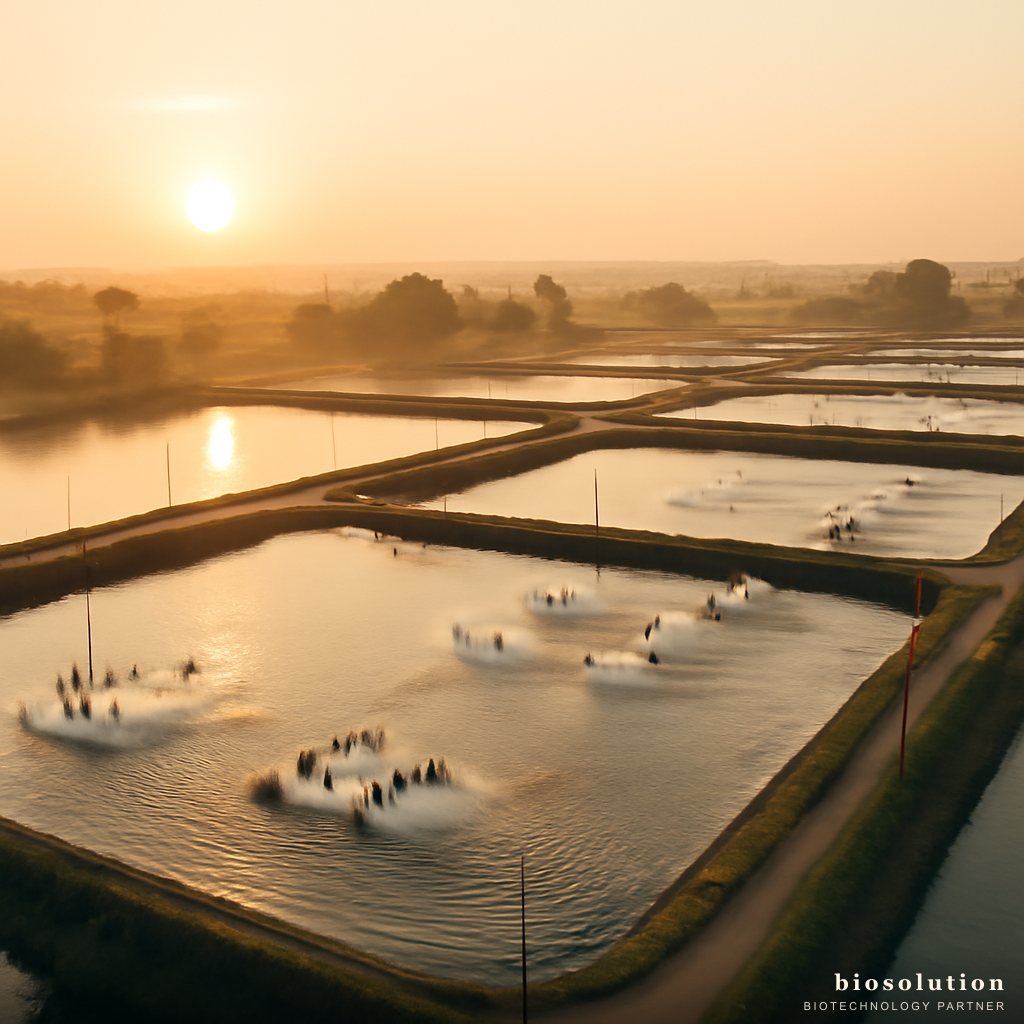
Case Study: Intensive Vaname Pond in East Java
Pond Profile
- Location: Situbondo Regency, East Java
- Area: 0.5 hectares per plot (2 plots)
- Stocking density: 200 shrimp/m²
- Shrimp age at incident: DOC 45
- System: Intensive with paddlewheel aeration
Outbreak Timeline
In the 6th week of rearing, the farmer observed shrimp swimming abnormally, a drastic decrease in appetite, and carcasses found at the bottom. Laboratory tests showed total Vibrio reached 10⁴ CFU/mL, far above the safe threshold (10³ CFU/mL). Diagnosis: acute vibriosis.
Intervention with Anti-Vibrio Emergency Formula
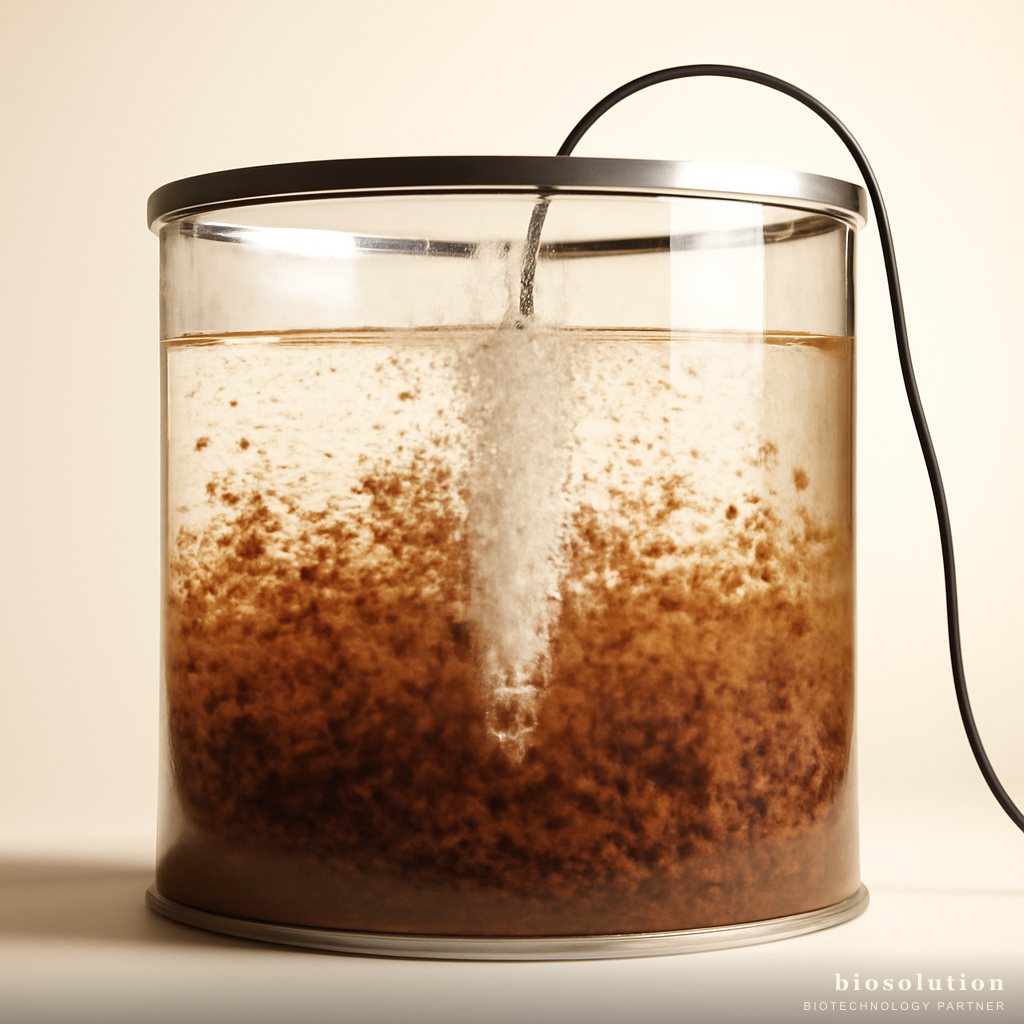
The farmer immediately applied Anti-Vibrio Formula for Vaname Shrimp Ponds (Emergency) at a dose of 10 L per hectare. The product was broadcast directly in the morning. After 48 hours, evaluation and reapplication were performed on plots still showing symptoms.
Results Achieved
- Total Vibrio reduction: From 10⁴ CFU/mL to <10² CFU/mL within 72 hours.
- Mortality: Decreased from 5% per day to <0.5% per day.
- Shrimp recovery: Appetite returned to normal within 3 days, shrimp became active again.
- Water quality: Ammonia and COD decreased significantly due to probiotic activity.
The farmer successfully saved >90% of the population and continued harvesting with satisfactory results.
Mechanism of Action of the Anti-Vibrio Formula
This formula relies on two Bacillus strains with synergistic roles:
Bacillus subtilis (10x Concentration)
This strain is produced at a concentration 10 times that of standard probiotics. Bacillus subtilis produces antibacterial compounds such as subtilin and surfactin that directly inhibit Vibrio growth. Additionally, it competes for nutrients and space, thereby suppressing pathogen populations.
Bacillus licheniformis
This strain is known for producing extracellular enzymes (protease, amylase, lipase) that degrade organic matter in ponds. By reducing the accumulation of feed residue and feces, B. licheniformis creates an environment that does not support Vibrio growth. It also produces antibiotic compounds that enhance the anti-Vibrio effect.
The combination provides a rapid knockdown effect and sustainable environmental recovery.
Comparison with Conventional Methods
| Parameter | Antibiotics | Probiotic Anti-Vibrio Formula |
|---|---|---|
| Speed of action | 24-48 hours | 48-72 hours (knockdown) |
| Resistance | High risk | Does not cause resistance |
| Residue | Present, harmful to consumers | No residue |
| Environmental impact | Negative (kills beneficial bacteria) | Positive (improves water quality) |
| Long-term cost | Expensive (repeated doses) | Efficient (1-2 applications) |
Application Recommendations for Intensive Ponds
Based on the case study and technical data, here are guidelines for using the Anti-Vibrio Formula:
Emergency Condition (Acute Vibriosis)
- Dose: 10 L/ha, broadcast directly.
- Time: Morning, when dissolved oxygen is optimal.
- Repeat after 48 hours if no significant improvement.
Prevention (Routine)
For ponds with a history of vibriosis, preventive application can be done every 2 weeks at a dose of 5 L/ha. This product can also be combined with Probiotic Formula for Vaname Shrimp Ponds for long-term water quality maintenance.
Conclusion
Vibriosis in vaname shrimp ponds is no longer an insurmountable threat. With a probiotic approach based on Bacillus subtilis and Bacillus licheniformis, farmers can reduce mortality, improve water quality, and avoid the risk of antibiotic resistance. The case study in Situbondo proves that the Anti-Vibrio Emergency Formula can drastically reduce total Vibrio within 72 hours and restore pond productivity.
For further consultation on handling vibriosis in your pond, contact the Biosolution technical team via WhatsApp. Also, get complete product information on the Anti-Vibrio Formula for Vaname Shrimp Ponds page.
External reference: FAO - Vibriosis in Shrimp Aquaculture