Vibriosis in Vaname Shrimp Ponds: Cost Comparison of Chemical vs Microbial Treatment
Vibriosis in vaname shrimp ponds is one of the most detrimental bacterial diseases for intensive farmers. Vibrio spp., especially V. harveyi and V. parahaemolyticus, can cause mass mortality within days. So far, many farmers rely on chemicals such as antibiotics and disinfectants to control vibriosis. However, the chemical approach is not only expensive but also risks resistance and residues. An increasingly popular alternative is the use of microbial probiotics, such as Bacillus subtilis and Bacillus licheniformis, which naturally suppress Vibrio populations. This article thoroughly examines the cost comparison between chemical and microbial treatment of vibriosis, so you can make wiser decisions for your pond.
Why Vibriosis is a Scourge in Intensive Ponds?
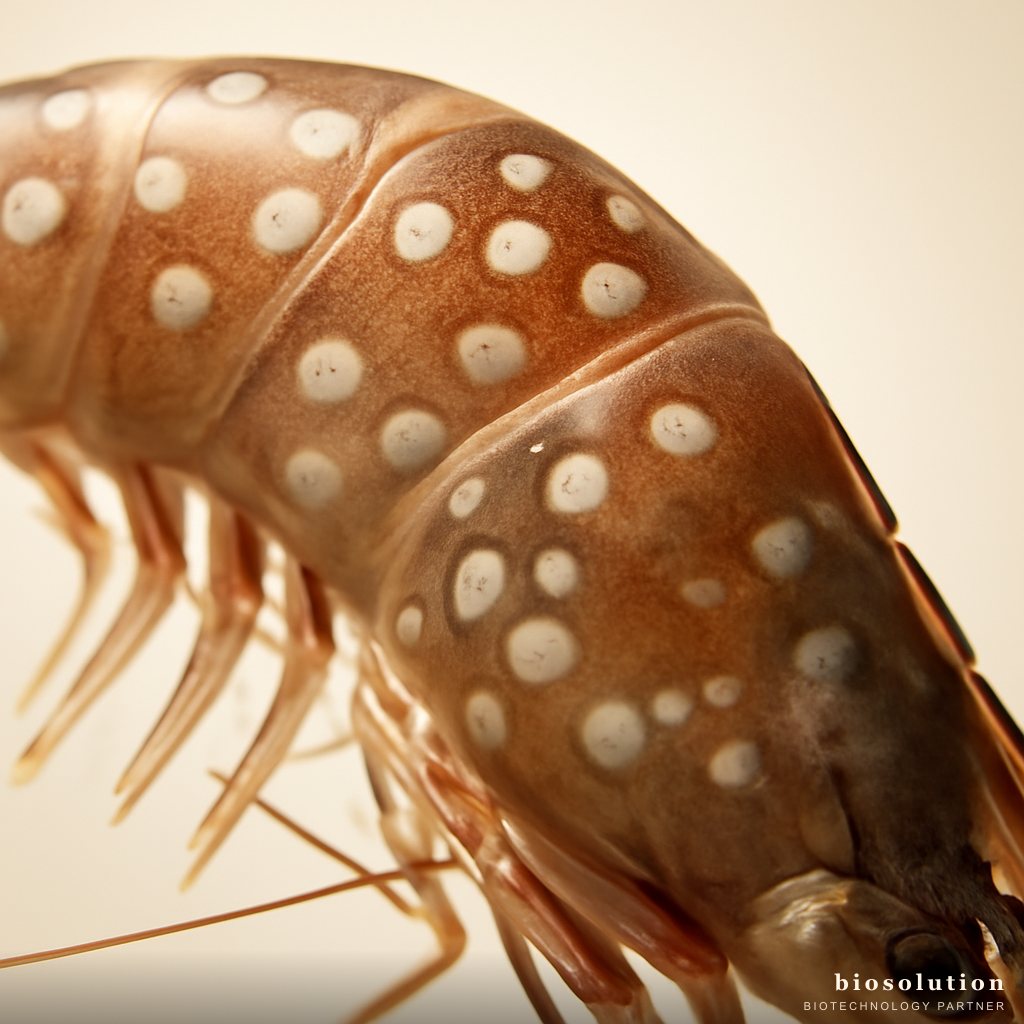
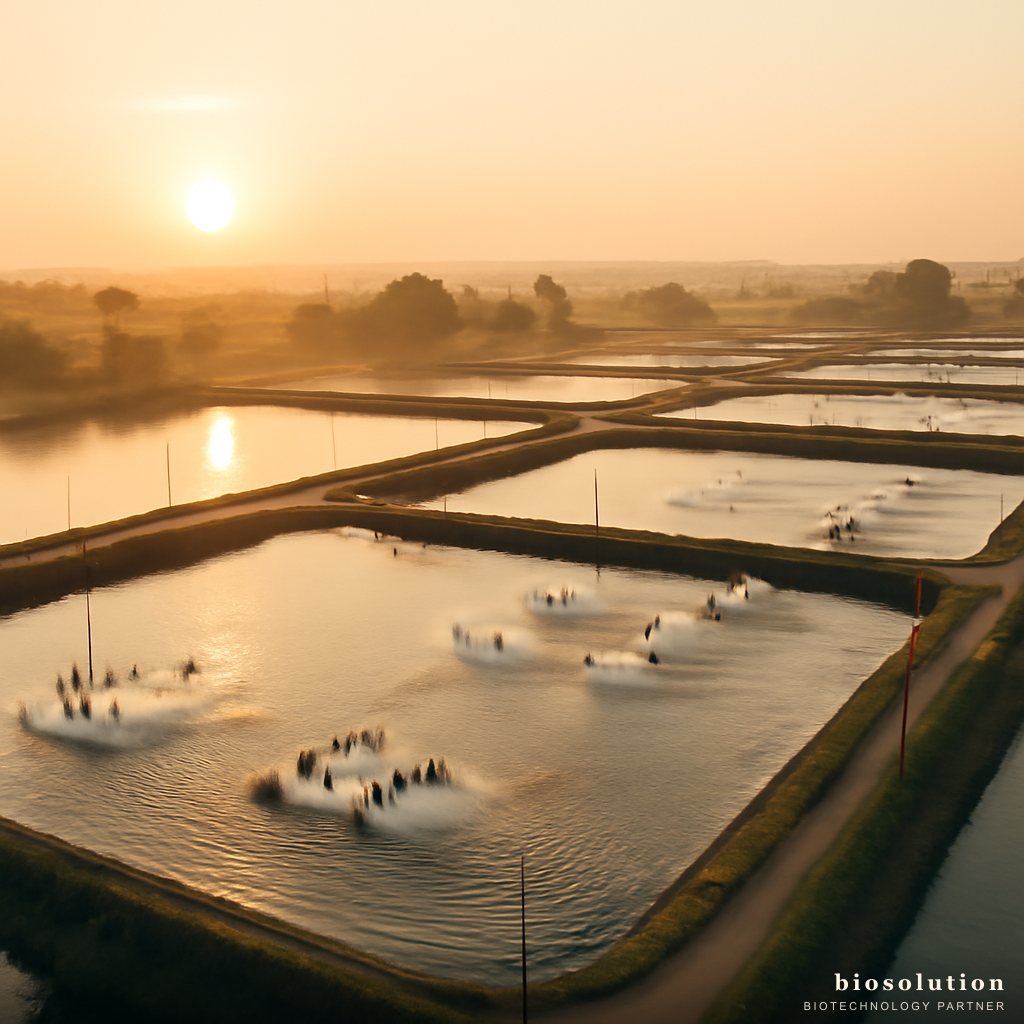
Intensive vaname shrimp ponds have high stocking densities, excess feed, and accumulation of organic matter, which become a fertile medium for Vibrio. These bacteria are opportunistic; when environmental conditions worsen (e.g., decreased oxygen, salinity fluctuations, or increased ammonia), Vibrio proliferates rapidly and infects shrimp. Symptoms of vibriosis include dullness, red spots on the body, necrosis on gills, and sudden death. Economic losses due to vibriosis can reach tens of millions of rupiah per cycle due to decreased survival rate (SR) and treatment costs.
The chemical approach, such as using antibiotics like oxytetracycline or chloramphenicol, is effective in the short term but expensive and has side effects. Moreover, continuous antibiotic use triggers bacterial resistance, requiring higher doses. Disinfectants like formalin or chlorine are also often used, but they can kill plankton and beneficial bacteria, disrupting the pond ecosystem balance. Consequently, production costs soar without guaranteed long-term success.
Cost Comparison: Chemical vs Microbial
Direct Product Costs
Chemicals:
- Antibiotics (e.g., oxytetracycline): IDR 150,000–300,000 per kg, dosage 2-5 g/kg feed, for 5-7 days. For a 1 ha pond, medication costs about IDR 2-5 million per cycle.
- Disinfectants (37% formalin): IDR 50,000–100,000 per liter, dosage 5-10 ppm, applied 2-3 times per cycle. Total cost IDR 1-3 million.
- Total chemical cost per cycle: IDR 3-8 million, excluding labor costs and losses from shrimp mortality.
Microbial Probiotics (Anti-Vibrio Pond Formula):
- Product price: IDR 250,000–400,000 per liter (estimated).
- Dosage: 10 L per hectare for shock treatment, single application, repeat after 48 hours if necessary.
- Cost per application: IDR 2.5-4 million per hectare. One cycle usually requires 1-2 applications, total IDR 2.5-8 million.
- However, probiotics also provide long-term benefits: improved water quality, increased appetite, and higher SR.
Indirect Costs
Losses from mortality:
- With chemicals, average SR is 60-70% due to stress and residues. If stocking 100,000 shrimp, selling price IDR 30,000/kg, size 50 shrimp/kg, potential revenue: (70,000 harvested / 50) × 30,000 = IDR 42 million. With SR 60%: (60,000/50)×30,000 = IDR 36 million. Difference IDR 6 million per cycle.
- With probiotics, SR can reach 80-90% due to a healthier environment. Potential revenue: (85,000/50)×30,000 = IDR 51 million. Difference IDR 9 million compared to chemicals (SR 70%).
Environmental recovery costs:
- Chemicals often leave residues that inhibit plankton and nitrifying bacteria growth. Farmers need to spend extra on water recovery probiotics (e.g., IDR 1-2 million).
- Probiotics actually improve water quality, reduce the need for additional aeration, and lower water management costs.
Long-Term Effectiveness
Repeated chemical use leads to Vibrio resistance, requiring higher doses. Treatment costs can increase by 20-50% per cycle. In contrast, probiotics like Bacillus subtilis and Bacillus licheniformis do not cause resistance; they work through competition for space and nutrients, and produce antibiosis compounds that naturally suppress Vibrio. With routine application, Vibrio populations remain low, making prevention cheaper than treatment.
Mechanism of Anti-Vibrio Probiotics
The product Emergency Anti-Vibrio Formula for Vaname Shrimp Ponds contains two superior bacterial strains:
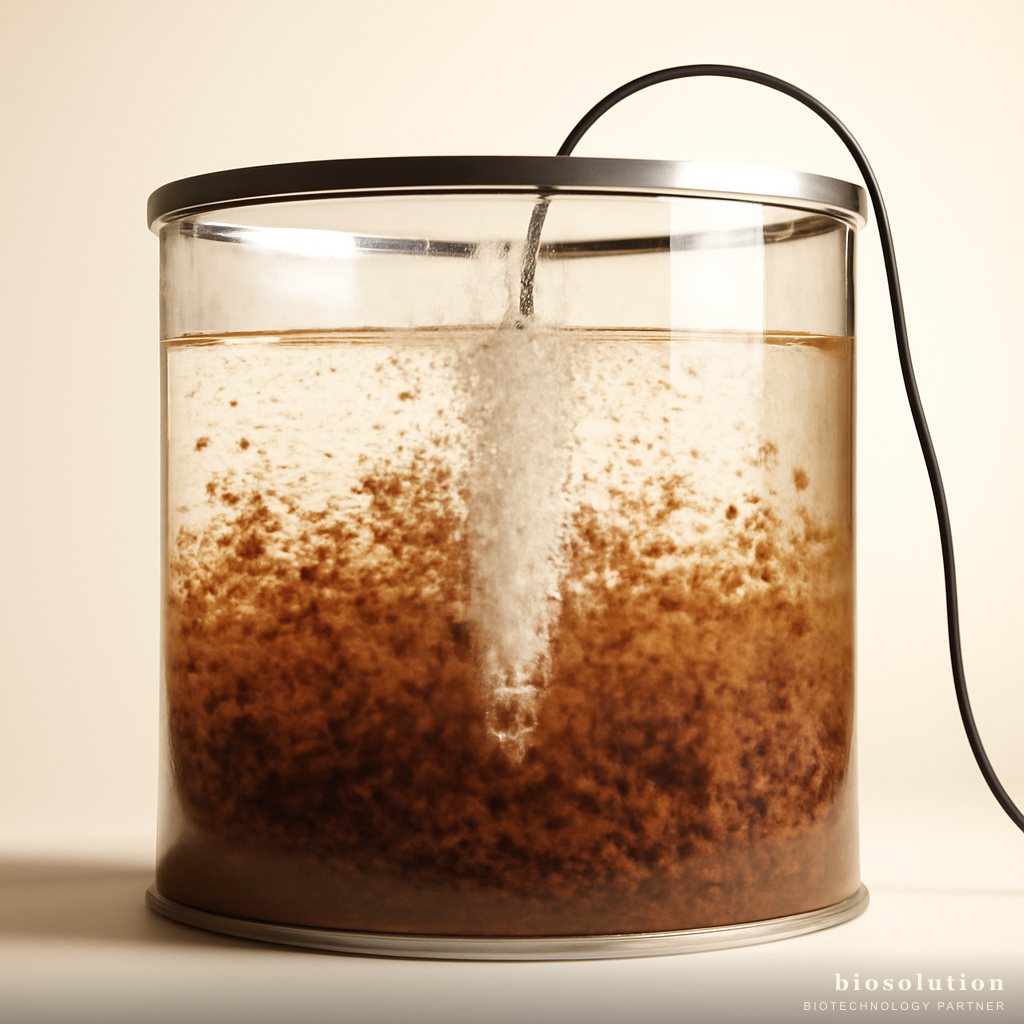
- Bacillus subtilis (10x): This strain has a high concentration and can produce antimicrobial compounds such as subtilin and surfactin that directly inhibit Vibrio growth. In pond conditions, B. subtilis also competes for nutrients and oxygen, preventing Vibrio from thriving.
- Bacillus licheniformis: This strain produces protease, amylase, and lipase enzymes that degrade organic matter like feed residue and feces. With reduced organic matter, Vibrio habitat is limited. Additionally, B. licheniformis produces antibiosis compounds that synergize with B. subtilis.
The combination of these two strains provides a rapid knockdown effect on Vibrio (within 24-48 hours) while restoring water quality. The product is applied by direct broadcasting into the pond in the morning, at a dosage of 10 L per hectare. If necessary, application can be repeated after 48 hours. Its advantage is its emergency grade, designed for outbreak situations, thus saving healthy shrimp.
Case Study: Cost Efficiency in Intensive Ponds
A farmer in Lampung with a 1-hectare pond experienced a vibriosis outbreak at DOC 45. SR was estimated to drop from 90% to 60% if untreated. He compared two options:
Chemical Option:
- Bought antibiotics (IDR 4 million) and disinfectants (IDR 2 million). Total IDR 6 million.
- After treatment, final SR 65%, harvest 1,300 kg, price IDR 30,000/kg → revenue IDR 39 million.
- Treatment cost + loss from low SR: IDR 6 million + (25% SR difference × 2,000 kg × IDR 30,000 = IDR 15 million) → total loss IDR 21 million.
Probiotic Option:
- Bought 10 L of Anti-Vibrio Formula (IDR 3.5 million). Single application.
- Final SR 85%, harvest 1,700 kg, revenue IDR 51 million.
- Treatment cost IDR 3.5 million, no additional loss. Total profit IDR 12 million higher than chemical option.
From this study, it is evident that using probiotics is not only cheaper in the short term but also yields better harvests. For prevention, farmers can also use Vaname Shrimp Pond Probiotic Formula routinely to maintain pond microbial balance.
Tips for Choosing the Right Anti-Vibrio Product
- Identify the dominant Vibrio species: Perform a quick test or send samples to a lab. Products containing Bacillus are generally effective against V. harveyi and V. parahaemolyticus.
- Check concentration and viability: Ensure the product has sufficient live cells (at least 10^9 CFU/mL). The Anti-Vibrio Pond Formula has a high concentration (10x) making it effective for emergency conditions.
- Apply at the right time: Morning is best because water temperature is still low and oxygen is sufficient. Avoid application during rain or intense heat.
- Combine with pond management: Reduce feed during outbreaks, increase aeration, and circulate water. Probiotics work optimally if the environment supports them.
For more information about anti-vibrio products, you can read the related article How to Overcome Vibrio in Vaname Shrimp on our website. Feel free to consult for free with our technical team via WhatsApp for dosage recommendations tailored to your pond conditions.
Conclusion
Handling vibriosis in vaname shrimp ponds using microbial probiotics is proven to be more economical than chemicals, both in direct and indirect costs. With higher SR, better water quality, and no risk of resistance, the microbial approach is a sustainable solution. The Emergency Anti-Vibrio Formula for Vaname Shrimp Ponds offers rapid knockdown effectiveness at a competitive cost. Switch to natural solutions for healthier ponds and maximum profits.
FAQ
What is vibriosis in vaname shrimp?
Vibriosis is a disease caused by Vibrio spp. bacteria, especially V. harveyi and V. parahaemolyticus. Symptoms include lethargic shrimp, reddish body, black spots, and sudden death. This disease often occurs in intensive ponds with poor water quality.
How to treat vibriosis with probiotics?
Probiotics like Bacillus subtilis and Bacillus licheniformis work by competing with Vibrio, producing antibiosis compounds, and improving water quality. Application is done by broadcasting probiotics directly into the pond, at the recommended dosage.
Are probiotics cheaper than antibiotics?
Yes, in the long term, probiotics are cheaper because they do not cause resistance, increase survival rate, and reduce the need for repeated treatments. Initial costs may be similar, but harvest yields are higher.
How long does it take to see effects from the Anti-Vibrio Pond Formula?
A decrease in Vibrio population is usually observed within 24-48 hours after application. Healthy shrimp will show improved appetite and activity. If needed, reapplication can be done after 48 hours.
Is this product safe for the environment?
Very safe. Bacillus are natural bacteria that do not leave harmful residues. This product actually helps degrade organic matter and improve water quality, making it environmentally friendly.