WSSV White Spot Disease in Shrimp: Risk Management Strategy with Anti-Vibrio Probiotics
WSSV (White Spot Syndrome) or white spot disease in vaname shrimp (Litopenaeus vannamei) remains a major threat in intensive ponds. This virus can cause up to 100% mortality within days, especially when environmental conditions deteriorate and Vibrio populations increase. However, WSSV risk can be managed through biosecurity approaches and the use of appropriate aquaculture probiotics. This article thoroughly discusses strategies to suppress WSSV risk using the Vaname Shrimp Pond Anti-Vibrio Formula (Emergency) from Biosolution, specifically designed for rapid response when early symptoms appear.
Why is WSSV a Serious Threat in Vaname Ponds?
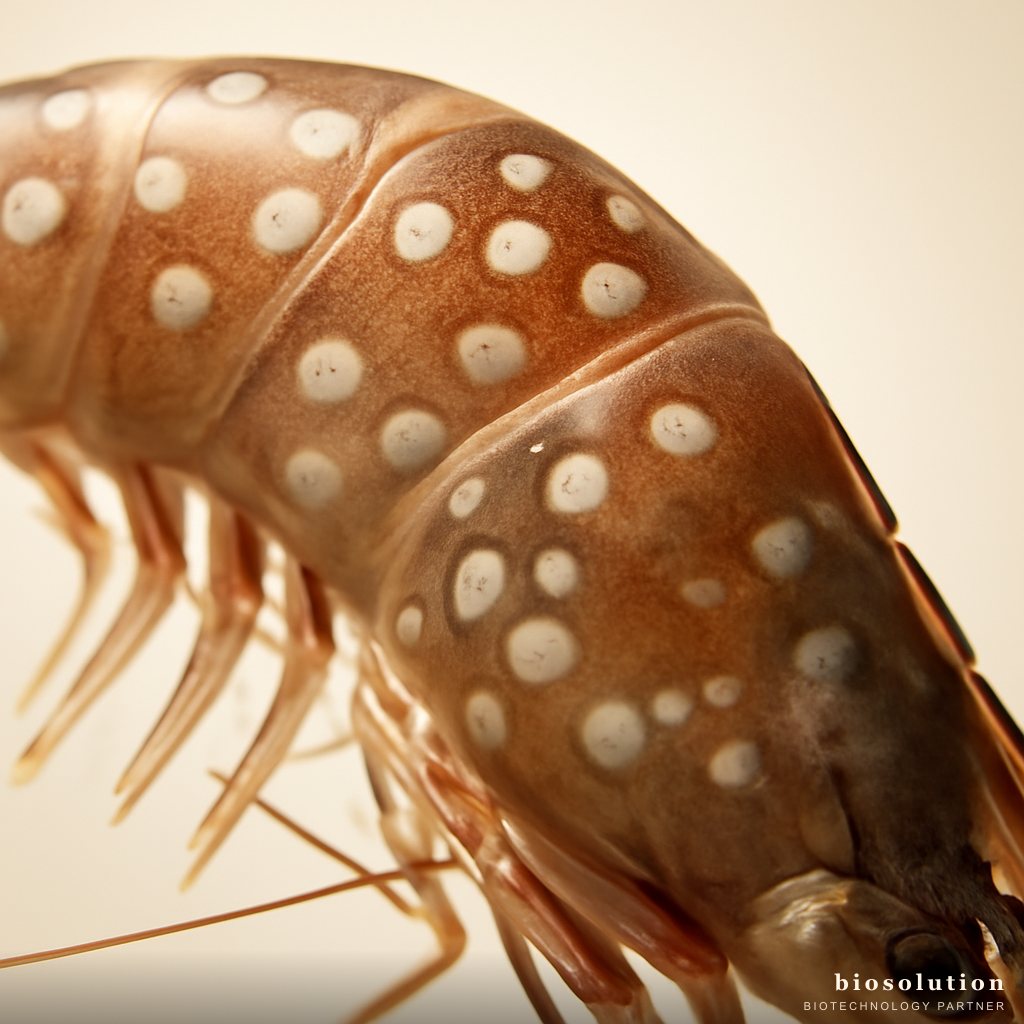
WSSV is caused by the White Spot Syndrome Virus (WSSV), a double-stranded DNA virus from the family Nimaviridae. The virus attacks ectodermal and mesodermal tissues, including gills, cuticle, and digestive organs. Typical symptoms are white spots on the carapace and body of the shrimp, accompanied by decreased appetite, sluggish swimming, and sudden death. According to data from the Food and Agriculture Organization (FAO), WSSV has caused billions of dollars in global economic losses since it first emerged in Asia in the 1990s.
What makes WSSV dangerous is its ability to persist in the pond environment, especially in sediment and carrier organisms such as crabs and wild crustaceans. Additionally, triggering factors like environmental stress (salinity fluctuations, extreme temperatures, high ammonia levels) and secondary infections by Vibrio spp. exacerbate mortality rates. Therefore, WSSV risk management cannot rely solely on passive biosecurity but requires a proactive strategy that strengthens shrimp immunity and suppresses opportunistic pathogens.
The Role of Vibrio in Triggering WSSV Outbreaks
Vibrio, especially Vibrio harveyi and Vibrio parahaemolyticus, are known as opportunistic bacteria that worsen WSSV infection. Research from Bogor Agricultural University (IPB) shows that shrimp infected with WSSV have higher total Vibrio populations in pond water compared to healthy ponds. These bacteria produce proteolytic enzymes and toxins that damage shrimp tissue, accelerate virus penetration, and suppress immune responses.
Under normal conditions, shrimp have a fairly effective non-specific immune system against Vibrio. However, when WSSV infects, the immune system becomes disrupted, allowing Vibrio to multiply uncontrollably. This is what causes mass mortality in a short time. Therefore, WSSV control strategies must include suppressing Vibrio populations in the pond environment, especially when early symptoms are detected.
Anti-Vibrio Pond Formula: A Quick Solution to Suppress WSSV Risk
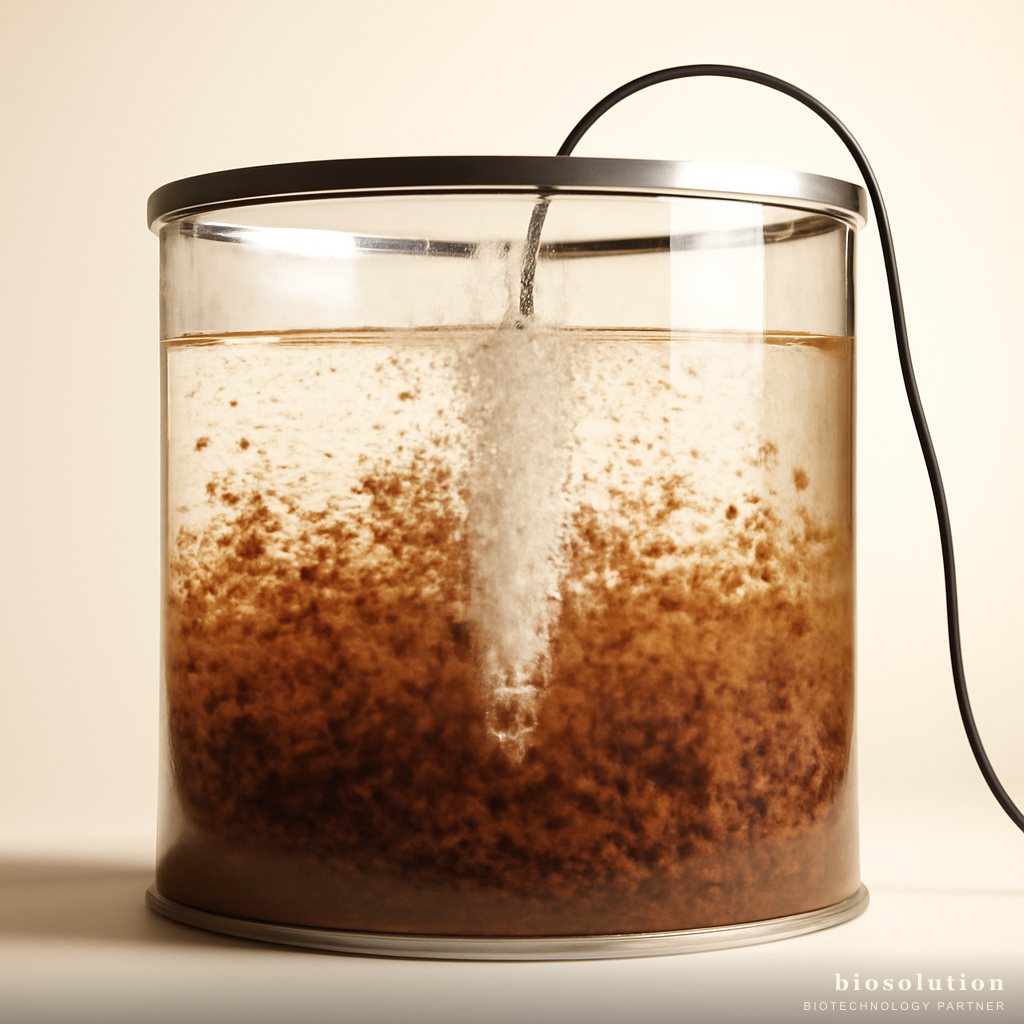
Biosolution presents the Vaname Shrimp Pond Anti-Vibrio Formula (Emergency) as a high-concentration aquaculture probiotic product designed for emergency response when WSSV symptoms begin to appear. This product contains two superior bacterial strains:
- Bacillus subtilis (10x) : This strain is cultured at 10 times the concentration of regular probiotics, enabling rapid knockdown of Vibrio. B. subtilis produces antimicrobial compounds such as subtilin and surfactin that inhibit Vibrio growth.
- Bacillus licheniformis : Works synergistically with B. subtilis by producing extracellular enzymes (protease, lipase, amylase) that degrade Vibrio biofilms and improve water quality. Additionally, B. licheniformis triggers shrimp immune responses through activation of blood cells (hemocytes).
The combination of these two Bacillus species effectively suppresses pathogenic Vibrio populations in pond water within 24-48 hours, giving shrimp time to recover and their immune system to work more optimally.
Mechanisms of Probiotics in Managing WSSV Risk
Aquaculture probiotics like the Anti-Vibrio Formula work through several direct and indirect mechanisms to reduce WSSV risk:
1. Competitive Exclusion
Regularly applied Bacillus spp. will dominate the pond environment, outcompeting Vibrio for nutrients and space. By suppressing Vibrio populations, probiotics reduce the chance of secondary infections that worsen WSSV.
2. Production of Antibacterial Compounds
B. subtilis produces cyclic lipopeptides like surfactin that disrupt Vibrio cell membranes, causing lysis and bacterial death. These compounds are bactericidal against Vibrio but safe for shrimp and the environment.
3. Immunostimulation
Bacillus cell wall components (peptidoglycan, lipoteichoic acid) and their metabolites can trigger non-specific immune responses in shrimp, including increased phenoloxidase activity, lysozyme, and hemocyte phagocytosis. Shrimp with better immunity are more capable of suppressing WSSV replication.
4. Water Quality Improvement
B. licheniformis degrades organic matter (feed residue, feces) that serves as a nutrient source for Vibrio. Thus, probiotics create an environment less supportive of Vibrio growth.
Application Guide for Anti-Vibrio Pond Formula (Emergency)
For rapid response when WSSV symptoms appear (e.g., white spots on shrimp, decreased appetite, sluggish swimming), apply the Anti-Vibrio Formula at a shock dose:
- Dosage : 10 liters per hectare (for water depth of 1-1.5 meters)
- Method : Broadcast evenly directly into the pond
- Time : Morning (when dissolved oxygen is optimal and temperature is not too high)
- Frequency : Single application; repeat after 48 hours if no improvement
This product is emergency grade, so it is not recommended for routine use. For long-term prevention, use Vaname Shrimp Pond Probiotic Formula regularly according to maintenance dosage.
Integrative Strategy: Biosecurity + Probiotics
Probiotics are not a magic cure for WSSV, but an effective risk management tool when combined with strict biosecurity practices. Here are steps to implement:
- Quarantine post-larvae : Ensure post-larvae are WSSV-free through PCR testing before stocking.
- Water management : Sterilize incoming water; avoid using water from contaminated sources.
- Quality feed : Feed with immunostimulants (e.g., beta-glucan, vitamin C) helps strengthen shrimp.
- Regular monitoring : Monitor clinical symptoms and water parameters (temperature, salinity, pH, ammonia, nitrite) daily.
- Preventive probiotic application : Use Vaname Shrimp Pond Probiotic Formula regularly to maintain pond microbial balance and suppress Vibrio.
Conclusion
WSSV remains a serious threat to vaname shrimp farming, but its risk can be managed through an integrated approach. Bacillus-based aquaculture probiotics like the Vaname Shrimp Pond Anti-Vibrio Formula (Emergency) from Biosolution offer a quick solution to suppress Vibrio populations when early WSSV symptoms appear. Through mechanisms of competitive exclusion, antibacterial compound production, immunostimulation, and water quality improvement, this probiotic helps reduce mass mortality. However, remember that prevention is better than cure. Implement strict biosecurity, regular monitoring, and preventive probiotics for optimal results.
For further consultation on WSSV risk management strategies for your pond, contact the Biosolution technical team via WhatsApp. Get dosage recommendations and application schedules tailored to your pond conditions.
FAQ
What is the difference between the Emergency Anti-Vibrio Formula and regular probiotics?
The Emergency Anti-Vibrio Formula contains Bacillus subtilis at 10 times the concentration of standard probiotics, enabling Vibrio knockdown within 24-48 hours. Regular probiotics are more suitable for routine maintenance, not emergency response.
Is the Anti-Vibrio Formula safe for shrimp already infected with WSSV?
This product is safe because the Bacillus used is not pathogenic to shrimp. However, its effectiveness is highest when applied at early symptoms. In advanced infections, probiotics help reduce mortality from secondary Vibrio infections but do not kill the virus.
How long does the effect of the Anti-Vibrio Formula last in the pond?
The Vibrio suppression effect typically lasts 3-5 days after application. If environmental conditions remain poor, repeat application after 48 hours. For long-term prevention, continue with regular probiotics.
Can the Anti-Vibrio Formula be used together with disinfectants?
Not recommended. Disinfectants like chlorine or formalin will kill the probiotics. Wait at least 48 hours after disinfectant application before applying probiotics.
Where can I buy the Anti-Vibrio Pond Formula?
This product is available at authorized Biosolution distributors throughout Indonesia. For more information, contact the sales team via WhatsApp or visit our product page.