7 Common Mistakes in Applying Eco-Friendly Biopesticides
Eco-friendly biopesticides have become a key solution in sustainable agriculture, especially with growing awareness of the negative impacts of chemical pesticides. However, many farmers have not achieved optimal results due to application errors. This article discusses 7 common mistakes when applying entomopathogenic biopesticides, particularly those containing Beauveria bassiana and Metarhizium anisopliae, and how to correct them. By understanding these mistakes, you can maximize the efficacy of products like Broad-Spectrum Biological Insecticide Formula and support sustainable agriculture.
1. Incorrect Application Timing
One of the most fatal mistakes is spraying biopesticides during the day when temperatures are high and humidity is low. Spores of Beauveria bassiana and Metarhizium anisopliae are highly sensitive to UV light and drought. Research from IRRI shows that relative humidity above 70% is required for spore germination. Ideally, application should be done in the late afternoon or early morning when dew is still present. Avoid spraying during heavy rain as spores will be washed off. Ensure environmental conditions support spore attachment and infection of pests.
2. Wrong Dosage and Concentration
Many farmers think "the more, the better," leading to overdosing that causes waste and potential phytotoxicity. Conversely, too low a dose fails to reach the infection threshold. For liquid products, the recommended dose is 2–3 ml per liter of water, or 3–5 g/L for WP formulations. Measure accurately using measuring tools. Do not mix with chemical pesticides before compatibility testing, as some chemicals can kill spores. Follow the instructions on the label of Broad-Spectrum Biological Insecticide Formula for best results.
3. Poor Spraying Technique
Uneven spraying allows pests to escape contact with spores. Use a spray nozzle that produces fine droplets (200-300 microns) and spray all parts of the plant, especially the underside of leaves where pests often hide. Walking speed and spray pressure must be consistent. For tall plants, use adequate spraying equipment to ensure canopy penetration. Remember, biopesticides work through direct contact, so every inch of the plant surface must be covered.
4. Ignoring Pest Condition
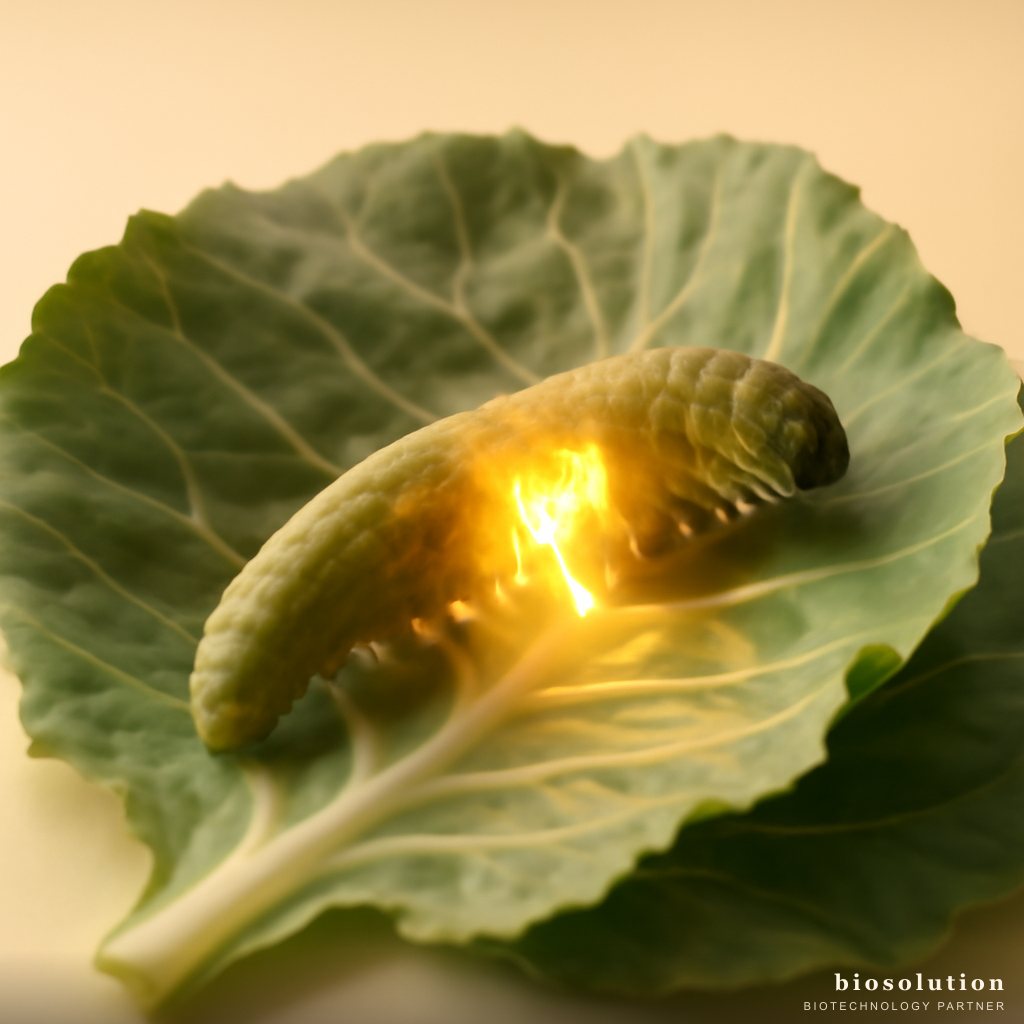
Eco-friendly biopesticides are most effective on early instar larvae (1-3). Adult pests or eggs are more resistant. Conduct regular population monitoring to determine the right application time. If the population is already high, repeated applications every 7-10 days may be necessary. Do not wait until pests cause severe damage; preventive application is better. Also, ensure the target pest is within the product's spectrum, e.g., Beauveria bassiana is effective against soft-bodied insects like caterpillars and aphids, while Metarhizium anisopliae targets beetles and cutworms.
5. Improper Storage and Handling
Entomopathogenic spores are living organisms that require special storage conditions. Do not expose the product to direct sunlight or temperatures above 30°C. Store in a cool, dry place, ideally in a refrigerator (4-10°C). Once opened, use within a short time as directed. Do not store spray mixtures for more than 24 hours as spores will lose viability. Check the expiration date and ensure the product is in good condition (not clumped or foul-smelling).
6. Not Integrating with IPM
Biopesticides are not a standalone solution. Long-term success requires an Integrated Pest Management (IPM) approach. This means combining with other techniques such as crop rotation, use of resistant varieties, natural enemies, and field sanitation. Also, avoid using broad-spectrum chemical pesticides that can kill beneficial insects. With IPM integration, you reduce selection pressure for pest resistance and maintain ecosystem balance. Products like Broad-Spectrum Biological Insecticide Formula are designed to be IPM-compatible.
7. Minimal Monitoring and Evaluation
After application, many farmers do not monitor to evaluate effectiveness. Fungal infection takes 3-7 days to show symptoms (pests become stiff and covered with mycelium). If no change occurs after 7 days, there may be errors in environmental factors or dosage. Record results of each application for future improvement. Use yellow traps or direct observation to monitor pest populations post-application.
Conclusion
Eco-friendly biopesticides are powerful tools in sustainable agriculture, but only if applied correctly. Avoid the 7 mistakes above to ensure biological pest control is effective, efficient, and environmentally friendly. With products like Broad-Spectrum Biological Insecticide Formula containing Beauveria bassiana and Metarhizium anisopliae, you can achieve 80-85% efficacy without chemical residues. For further consultation, contact our technical team via WhatsApp.
FAQ
1. Are eco-friendly biopesticides safe for bees and pollinators?
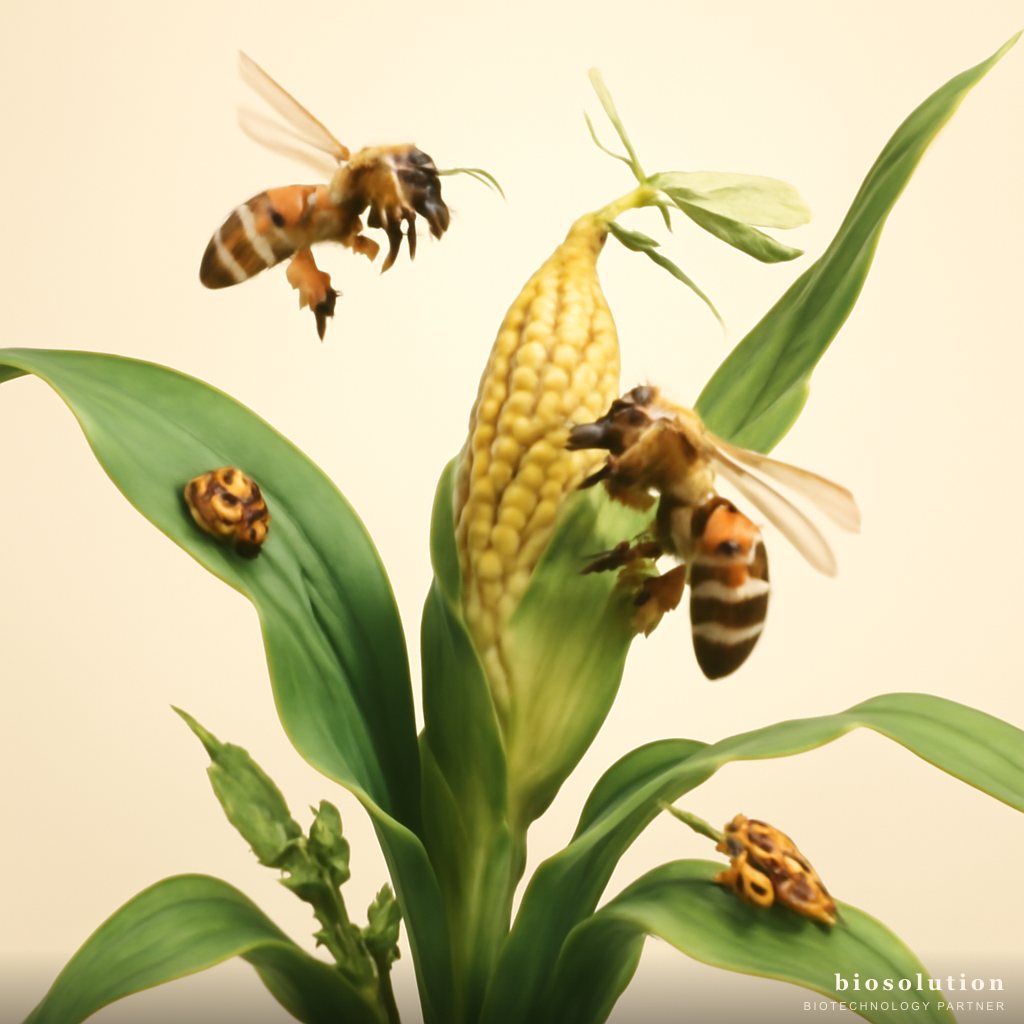
Yes, entomopathogenic biopesticides like Beauveria bassiana and Metarhizium anisopliae are relatively safe for adult pollinators because their main target is insect pests. However, avoid direct spraying on blooming flowers to minimize risk. Application in the late afternoon when bees are inactive is also recommended.
2. How long do biopesticides last in the field after spraying?
Spore viability in the field depends on weather conditions. Under high humidity and moderate temperatures (20-30°C), spores can survive up to 7-10 days. However, UV exposure and drought can shorten lifespan. Therefore, reapplication every 7-10 days is recommended when pest populations are still high.
3. Can biopesticides be mixed with foliar fertilizers?
It is best to avoid mixing with foliar fertilizers containing chemicals like copper or sulfur, as they can inhibit spore germination. If you want to mix, conduct a small-scale compatibility test first. Mix biopesticides with clean water and apply separately if in doubt.
4. Why don't pests die after biopesticide application?
Possible causes: (1) pests are resistant, (2) dosage too low, (3) environmental conditions unfavorable (low humidity), (4) pests are not the target of the product, or (5) product is expired. Evaluate these factors and reapply with correct dosage at the right time.
5. Can biopesticides be used on vegetables and fruits?
Yes, highly recommended. Eco-friendly biopesticides are safe for all food crops as they leave no harmful chemical residues. Follow correct dosage and application timing to avoid phytotoxicity. Products like Broad-Spectrum Biological Insecticide Formula have been tested on various commodities.