Biocontrol of Aphids and Whiteflies: Life Cycle, Symptoms, and Economic Threshold
Aphids and whiteflies are major pests of horticultural crops, causing direct damage by sucking plant sap and acting as virus vectors. Chemical control often leads to resistance and residue issues. Therefore, biocontrol using biological agents such as Verticillium lecani and Cordyceps spp. offers an effective and environmentally friendly solution. This article thoroughly examines the life cycles, symptoms, economic thresholds, and biocontrol strategies for aphids and whiteflies.
Understanding Aphids and Whiteflies
Aphids (family Aphididae) are small, soft-bodied insects measuring 1-3 mm. They have a unique life cycle: parthenogenetic reproduction (without mating) during the growing season, producing viviparous female offspring. A single mother can produce 50-100 nymphs in a week. Whiteflies (family Aleyrodidae) have white, waxy wings and a life cycle of egg–nymph–pupa–adult. First-instar nymphs are mobile, then settle and feed by sucking sap. Both pests have a wide host range, including chili, tomato, eggplant, cucumber, and ornamental plants.
Symptoms of Aphid Infestation
Aphid infestation causes leaf curling, yellowing, and stunted growth. They excrete honeydew, which promotes sooty mold growth, inhibiting photosynthesis. Typical symptoms: curled and sticky leaves. In severe infestations, plants become stunted and fail to produce fruit.
Symptoms of Whitefly Infestation
Whiteflies cause leaf yellowing, wilting, and drop. They also produce honeydew, leading to sooty mold. More dangerously, whiteflies are major vectors of geminiviruses (begomoviruses) such as yellow leaf curl virus in chili and tomato. Virus-infected plants show yellow mosaic, leaf curling, and abnormal fruit.
Economic Thresholds for Aphids and Whiteflies
The economic threshold is the pest population density at which control measures must be taken to prevent losses exceeding control costs. For aphids on chili, the economic threshold ranges from 2-5 insects per leaf (depending on plant stage). For whiteflies on tomato, the economic threshold is 5-10 adults per plant or 1-2 nymphs per leaf. Regular monitoring using yellow sticky traps or direct observation is recommended.
Biocontrol with Anti-Aphid & Whitefly Formula
Biosolution presents the Anti-Aphid & Whitefly Formula containing two superior biological agents: Verticillium lecani and Cordyceps spp. Verticillium lecani is an entomopathogenic fungus that infects soft-bodied insects (aphids and whiteflies) through contact. Mycelium penetrates the cuticle, produces toxins, and kills the pest within 3-5 days. Cordyceps spp. also infects soft-bodied insects through a similar mechanism, effective under high humidity. This product is safe for natural enemies and can be used in organic farming.
Mechanism of Action of Verticillium lecani
Verticillium lecani produces spores that attach to the pest's body. Under humid conditions (RH >70%), spores germinate and penetrate the cuticle using chitinase and protease enzymes. Inside the body, the fungus multiplies and produces toxic metabolites (e.g., vertilecanin) that paralyze the pest. Infected pests turn reddish-brown and become covered with white mycelium.
Mechanism of Action of Cordyceps spp.
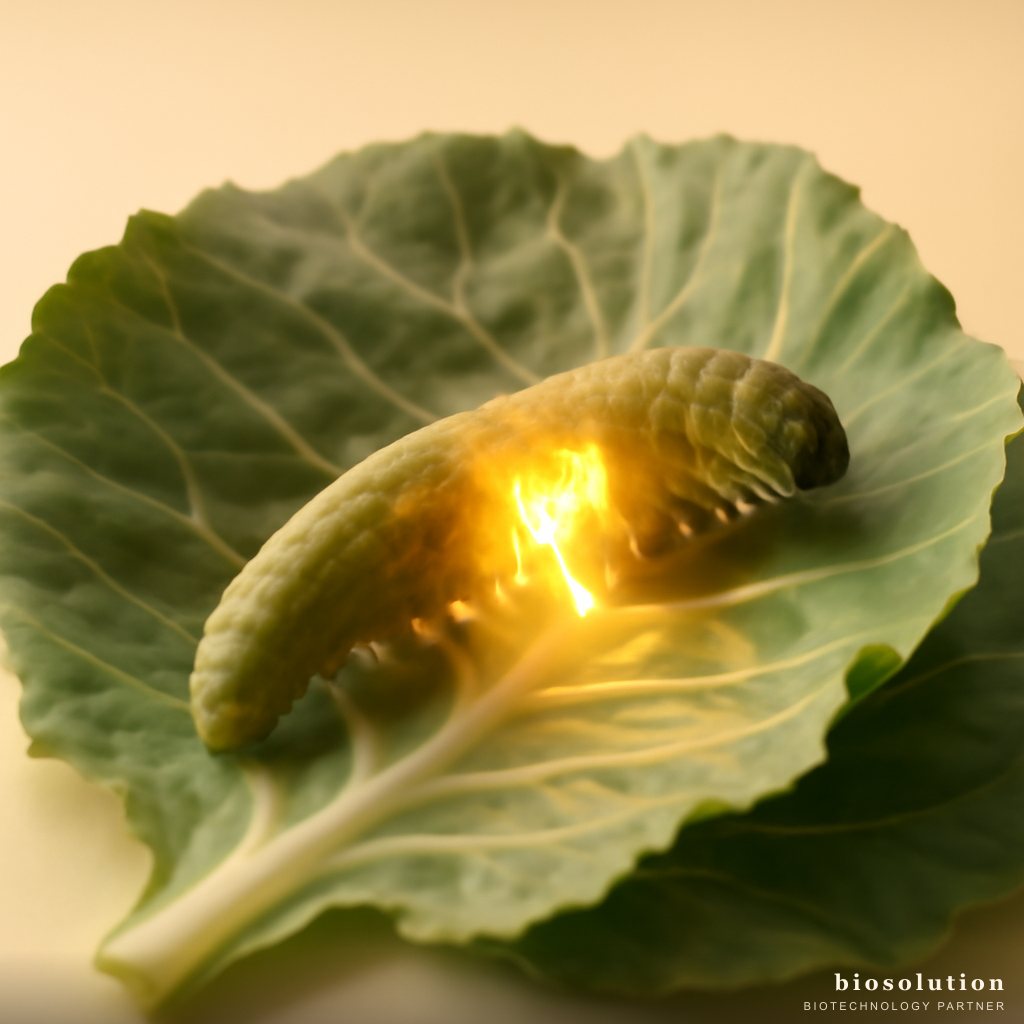
Cordyceps spp. also infects insects through the cuticle. Once inside, the fungus colonizes tissues and alters insect behavior (e.g., climbing to a high place before death). Then, stromata (fruiting bodies) emerge from the dead insect's body, releasing spores into the environment. Cordyceps effectively controls whitefly nymphs and adults.
Proper Application Method
The Anti-Aphid & Whitefly Formula should be applied using an under-leaf spray method, as pests tend to hide on the underside of leaves. Dosage: 3 ml per liter of water, sprayed evenly until wet. The best time is late afternoon when humidity is >70% (e.g., after rain or irrigation). Repeat every 5 days if the population remains high. Avoid application during intense sunlight, as spores are sensitive to UV rays.
Advantages of Biocontrol over Chemical Control
Biocontrol using the Anti-Aphid & Whitefly Formula offers many advantages: no harmful residues, no killing of natural enemies (predators and parasitoids), and reduced risk of pest resistance. Additionally, this product can extend the economic life of plants by suppressing virus transmission. In the long term, biocontrol is more cost-effective and sustainable.
Integration with Other Practices
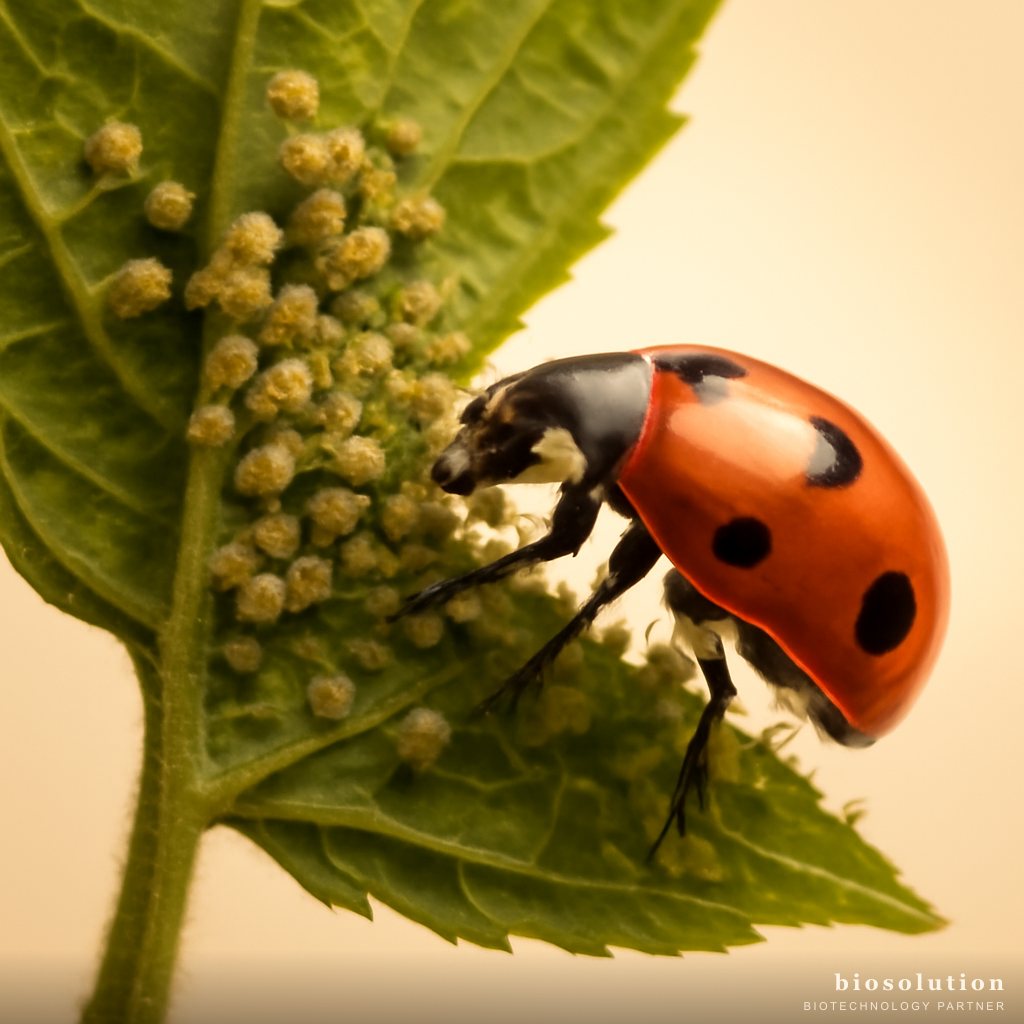
For optimal results, biocontrol should be integrated with healthy cultivation techniques: using silver plastic mulch to repel whiteflies, installing yellow traps, crop rotation, and conserving natural enemies such as Coccinellidae beetles (aphid predators) and the parasitoid Encarsia formosa (whitefly parasitoid). Regular monitoring with economic thresholds is key to success.
Conclusion
Aphids and whiteflies are serious pests in horticulture that require appropriate control. Understanding their life cycles, symptoms, and economic thresholds is crucial. Biocontrol using Verticillium lecani and Cordyceps spp. in the Anti-Aphid & Whitefly Formula has proven effective in controlling both pests while suppressing virus transmission. With proper application and integration with other practices, farmers can reduce dependence on chemical pesticides. For further consultation, contact the Biosolution team via WhatsApp.
FAQ
What is the difference between aphids and whiteflies?
Aphids are soft-bodied, wingless or winged, green/black, and give birth to live young (viviparous). Whiteflies have white, waxy wings, lay eggs, and first-instar nymphs are mobile. Both produce honeydew.
How do I determine the economic threshold for whiteflies?
On tomato, the economic threshold for whiteflies is 5-10 adults per plant or 1-2 nymphs per leaf. On chili, it is lower. Conduct regular monitoring with yellow sticky traps or direct counts under leaves.
Is the Anti-Aphid & Whitefly Formula safe for bees?
Yes, this product is safe for bees and pollinators because it only infects target insects (aphids and whiteflies). Spray in the late afternoon when bees are inactive.
How long does it take to see biocontrol effects?
Pest mortality begins to appear 3-5 days after application, depending on environmental conditions. The population will significantly decrease within 7-10 days with regular application.
Can this product be mixed with other pesticides?
It is best not to mix with chemical fungicides, as they can inhibit fungal growth. If necessary, apply with a minimum interval of 3 days.
For more information on other biopesticide products, visit the Bio solutions page.