Anti Bactrocera Fruit Fly: Biological Formula for Mango & Guava
The fruit fly Bactrocera spp. is a major pest of mango and guava in Indonesia. Its attacks not only reduce fruit quality but also cause economic losses of up to tens of percent. Farmers often rely on chemical pesticides, but resistance and residues become problems. Now, an effective biological control solution is available: anti Bactrocera fruit fly based on Metarhizium anisopliae. This formula not only suppresses fly populations but also helps fruit meet export standards. Let's thoroughly discuss this biological control strategy.
Understanding Bactrocera Fruit Fly and Its Impact on Mango & Guava
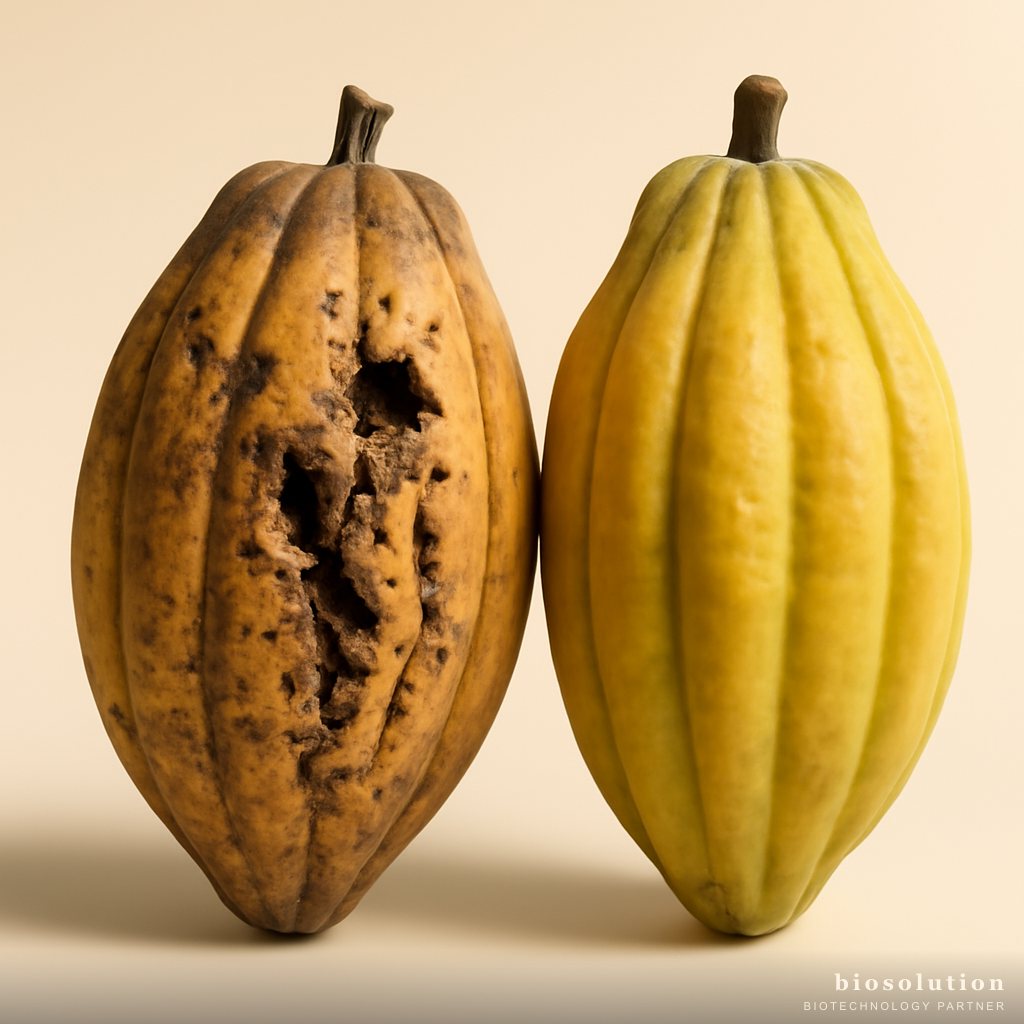
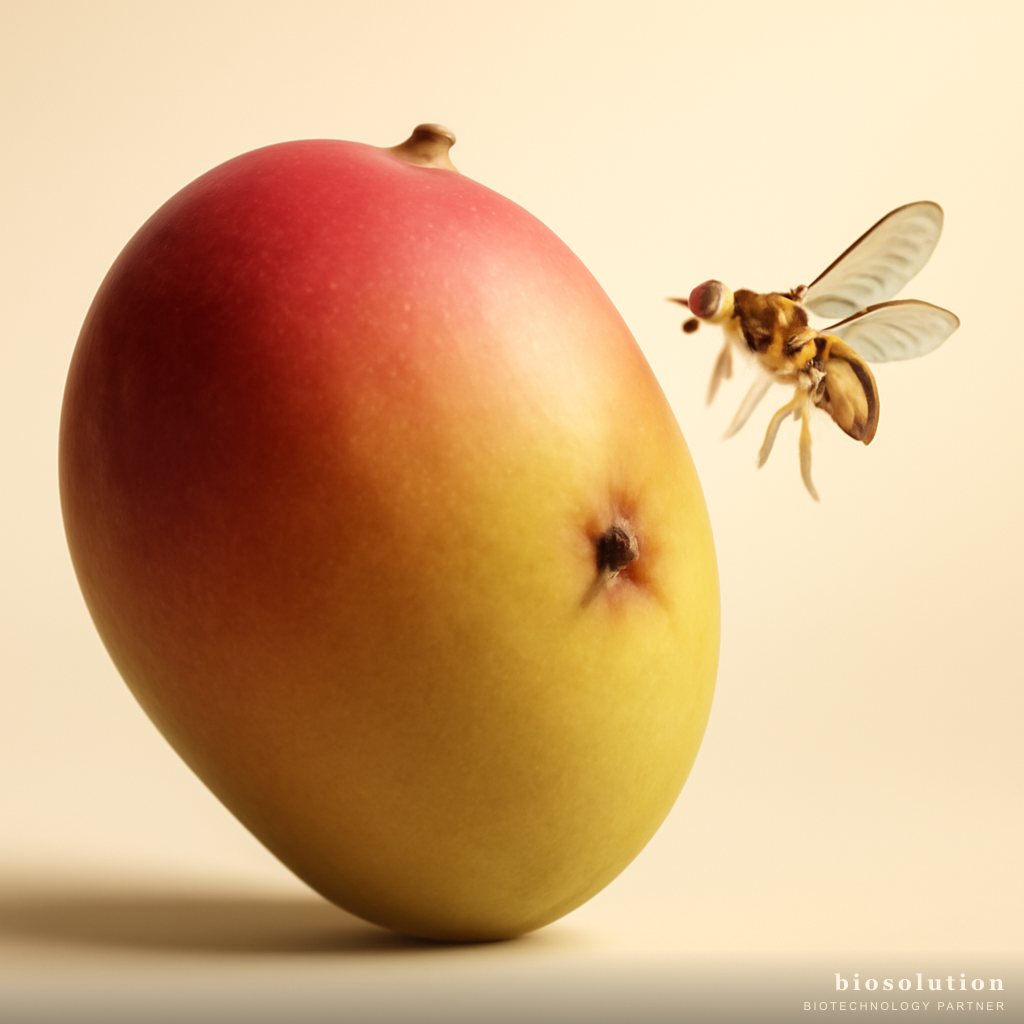
The fruit fly Bactrocera is an insect from the Tephritidae family that attacks tropical fruits. Females pierce the fruit skin to lay eggs, then larvae feed on the flesh, causing rot. In mango, severe attacks can render 60-80% of fruit inedible. In guava, fruit becomes spotted and pitted, reducing market value.
Adult fruit flies are active in the morning and evening. They are attracted to the aroma of ripe fruit. Their life cycle is short, about 30-40 days, so populations increase rapidly. Chemical control is often incomplete because larvae are protected inside the fruit. Therefore, a biological approach targeting the pupal stage in the soil is a smart strategy.
Anti-Fruit Fly Formula: Biological Solution Based on Metarhizium anisopliae
The Anti-Fruit Fly Formula is an innovative product from Biosolution containing the entomopathogenic fungus Metarhizium anisopliae. This fungus naturally infects and kills fruit fly pupae in the soil. Its mechanism is simple: fungal spores attach to the pupal cuticle, germinate, penetrate the body, and produce lethal toxins. Within days, pupae become mummified and unable to become adult flies.
The advantage of this formula is its high selectivity for fruit flies, safety for non-target insects, and no residue on fruit. With routine application every 30 days, fruit fly populations can be significantly suppressed.
How Metarhizium anisopliae Works
Metarhizium anisopliae works on the pupal stage in the soil around the tree's drip line. Infected pupae turn reddish and harden. The fungus also produces chitinase enzymes that degrade the cuticle. Soil moisture and optimal temperature (25-30°C) support infection. Therefore, application should be done in the morning or evening when the soil is moist.
Proper Application of Anti-Fruit Fly Formula
For optimal results, application of the Anti-Fruit Fly Formula must be done correctly:
- Dosage: Mix 5 ml of formula per liter of water. Apply 1 liter of solution per mature tree (around the drip line, radius 50-100 cm from the trunk).
- Frequency: Repeat every 30 days during the fruiting season. If infestation is severe, application can be accelerated to every 20 days.
- Time: Morning (06:00-09:00) or afternoon (15:00-17:00) when the soil is not too hot.
- Preparation: Ensure the soil is loose and free of weeds for better penetration. Do not apply to waterlogged soil.
Tips for Maximizing Control
- Orchard sanitation: Collect and destroy fallen infested fruit to reduce inoculum sources.
- Monitoring: Use petrogenol traps (methyl eugenol) to monitor adult fly populations. If catches are high, apply immediately.
- Combine with natural enemies: Parasitoids such as Biosteres spp. can help suppress adult flies.
- Rotate with other biological agents: To prevent resistance, alternate with Beauveria bassiana if needed.
Benefits of Anti-Fruit Fly Formula for Mango and Guava Farmers
1. Significantly Reduce Infestation
Field trials show a 70-85% reduction in infestation intensity after 3 months of routine application. Affected fruit decreases drastically, increasing harvest yield.
2. Help Meet Export Standards
Export destination countries like Japan, Korea, and the European Union have strict pesticide residue limits. With biological control, fruit is free of chemical residues, thus passing phytosanitary checks. Market value is also higher.
3. Reduce Dependence on Chemical Attractants
Some farmers use chemical attractants to lure and kill adult flies. However, these attractants are expensive and need frequent replacement. The biological formula reduces the need for attractants because fly populations are suppressed at the pupal stage.
4. Safe for Organic Farming
The active ingredient Metarhizium anisopliae is listed as a permitted biological agent for organic farming by SNI and IFOAM. Organic farmers can use it without worry.
Case Study: Successful Field Control
In the mango center of Indramayu, farmers using the Anti-Fruit Fly Formula for one growing season reported a reduction in fruit rot from 40% to 10%. Production costs were also lower because they did not need to buy chemical insecticides. Meanwhile, in a guava plantation in West Java, routine application every 30 days successfully suppressed fruit fly populations by 80% within 2 months.
Conclusion
Controlling Bactrocera fruit flies on mango and guava requires an integrated strategy. Anti Bactrocera fruit fly with Biosolution's Anti-Fruit Fly Formula offers an effective, safe, and environmentally friendly biological solution. With routine application every 30 days, farmers can enjoy quality harvests, free of residues, and ready for export. For further consultation, contact the Biosolution team via WhatsApp: Click here.