Anti Coffee Berry Borer CBB: Case Study of 80% Suppression of Hypothenemus hampei Attack
The coffee berry borer (CBB), Hypothenemus hampei, is the most damaging pest for specialty coffee farmers. CBB attacks not only reduce yield but also ruin the flavor of coffee beans, causing a drastic drop in coffee grade. In a case study at a specialty coffee plantation in West Java, the use of an anti-CBB formula based on entomopathogenic fungi successfully suppressed attacks by up to 80%. This article discusses a proven effective and environmentally friendly control strategy.
Why Coffee Berry Borer (CBB) is a Serious Threat to Specialty Coffee
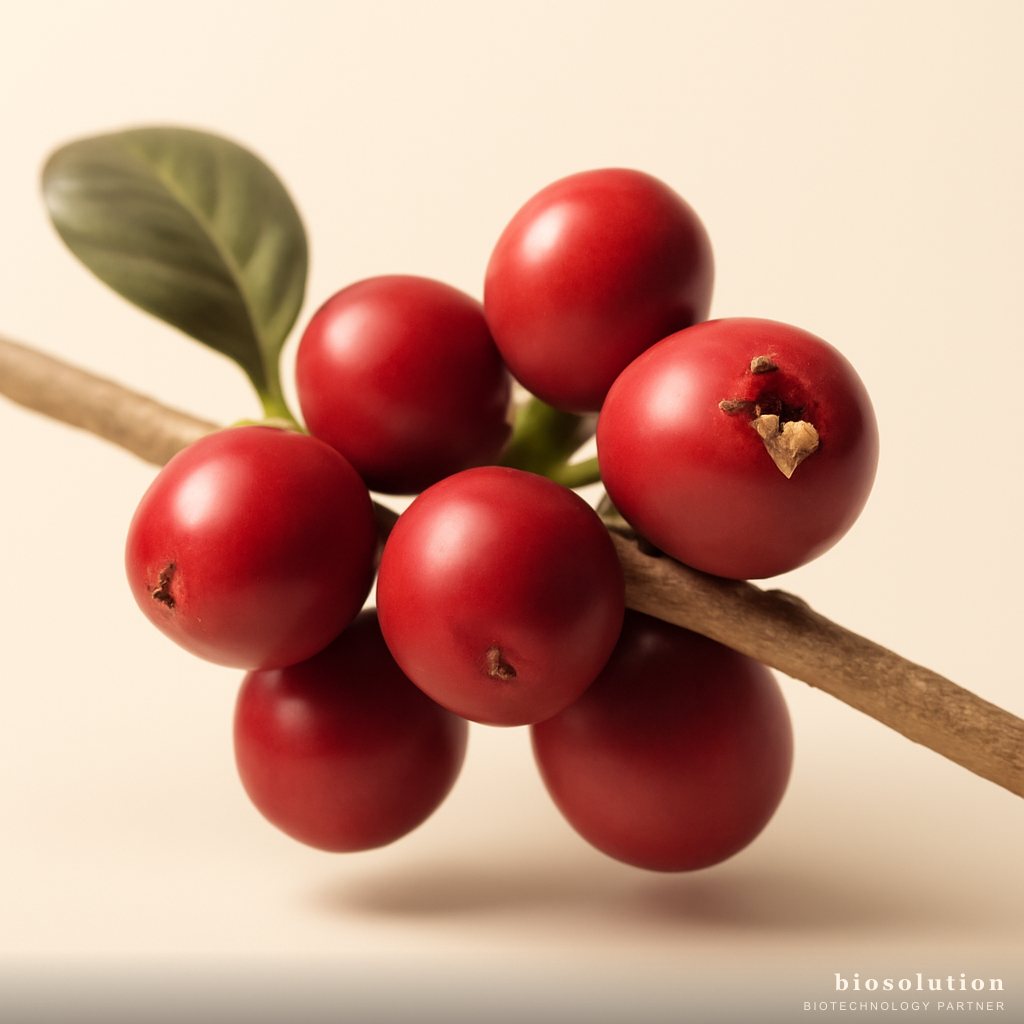
CBB is a small beetle (1.5–2 mm) that attacks coffee berries from the green to red stage. Females bore a hole into the berry and lay eggs inside the bean. Larvae then feed on the bean, causing physical damage and reducing flavor quality. For specialty coffee, which is judged on bean integrity and flavor profile, CBB attack can downgrade the grade from Specialty to Below Specialty. Economic losses can reach 50% if not controlled.
Chemical control is often ineffective because larvae are protected inside the berry. Moreover, pesticide residues become a serious issue for exporting specialty coffee to European and American markets with strict residue regulations. Therefore, a safe, effective, and sustainable anti-CBB solution is needed.
Mechanism of Anti-CBB Formula: Beauveria bassiana and Metarhizium anisopliae
The anti-CBB formula from Biosolution contains two superior entomopathogenic fungi: Beauveria bassiana and Metarhizium anisopliae. Both work synergistically to infect and kill CBB at various stages.
Beauveria bassiana is the main entomopathogen targeting adult CBB and larvae. Fungal spores attach to the insect cuticle, germinate, and penetrate the body. Inside, mycelia grow and produce toxins (beauvericin) that paralyze the insect's immune system. Within 3–7 days, the insect dies and its body becomes a source of new spores that infect other insects.
Metarhizium anisopliae acts as an effective supporter under high humidity conditions. This fungus also infects CBB and produces destruxin toxins. The combination of both fungi increases efficacy up to 80% because they have complementary temperature and humidity ranges.
Case Study: Specialty Coffee Plantation in West Java Successfully Suppresses CBB Attack by 80%
A specialty coffee plantation in Pangalengan District, Bandung, faced CBB attacks reaching 35% in the 2023 harvest season. The plantation owner, Mr. Andi, decided to switch from chemical pesticides to the anti-CBB formula from Biosolution. Application was done by spraying coffee trees when berries entered the green-red stage, at a dose of 3 ml per liter of water, every 14 days in the afternoon.
Results: After three applications, the CBB attack rate dropped drastically to only 7% – meaning an 80% suppression! Harvested coffee beans had specialty grade with minimal physical defects. Residue tests showed no chemical pesticide contamination, making the coffee ready for export to the European market.
Success factors: timely application (afternoon to avoid UV light), correct dosage, and consistent frequency. Farmers also practiced field sanitation by picking infested berries and disposing of them.
Proper Application of Anti-CBB Formula: Dosage, Timing, and Frequency
Based on field experience, here is the application guide for the anti-CBB formula:
- Dosage: 3 ml per liter of water. For one hectare (about 500 liters of water), 1.5 liters of formula is needed.
- Application time: Afternoon (3:00–5:00 PM) when temperature drops and humidity rises, fungal spores are more viable.
- Frequency: Every 14 days, starting when coffee berries are dark green to red. Stop 7 days before harvest for harvesting safety.
- Method: Spray evenly over the entire tree canopy, especially the underside of leaves and berries.
It is important to mix the formula with clean water (pH 6–7) and use a clean sprayer. Do not mix with chemical fungicides as they can kill the fungi.
Advantages of Anti-CBB Formula Compared to Chemical Pesticides
| Aspect | Biosolution Formula | Chemical Pesticides |
|---|---|---|
| Mechanism | Biological infection, persists in environment | Contact poison, resistance develops easily |
| Residue | None, safe for export | High residue, rejected by premium markets |
| Selectivity | Specific to CBB, safe for natural enemies | Kills non-target insects |
| Sustainability | Long-term CBB population control | Requires continuous reapplication |
| Cost | Cheaper in the long run | High cost due to resistance |
The anti-CBB formula also supports sustainable agriculture and maintains the coffee garden ecosystem.
Conclusion
Coffee berry borer (CBB) can be effectively controlled with an anti-CBB formula based on Beauveria bassiana and Metarhizium anisopliae. A case study in West Java proved up to 80% attack suppression with regular application. This solution is safe for farmers, the environment, and produces residue-free specialty coffee. For more information or consultation, contact the Biosolution team via WhatsApp. See the product Anti-Coffee Berry Borer Formula for full details.