Anti Coffee Berry Borer CBB: A Biological Solution for Chemically Resistant Coffee Pests
The coffee berry borer (CBB) pest caused by Hypothenemus hampei is a nightmare for specialty coffee farmers in Indonesia. These tiny insects can reduce coffee bean quality and cause loss of market value. Many farmers rely on chemical pesticides, but results are increasingly ineffective. The phenomenon of CBB resistance to synthetic insecticides has been proven in various coffee-producing countries. So, how can this pest be controlled sustainably? This article will discuss why chemical pesticides fail and how anti coffee berry borer CBB based on biological agents such as Beauveria bassiana and Metarhizium anisopliae is a smart solution to maintain the quality of your specialty coffee.
Why Chemical Pesticides Fail to Control Hypothenemus hampei?
Chemical pesticides indeed provide a quick effect in killing pests. However, repeated use with incorrect dosages triggers resistance in Hypothenemus hampei. A study by the International Coffee Organization (ICO) noted that CBB in several Latin American regions has developed resistance to organophosphates and pyrethroids. In Indonesia, a similar phenomenon is beginning to appear, especially in coffee plantations that intensively use pesticides.
The resistance mechanism of CBB occurs in two ways: first, genetic mutation of the insecticide target enzyme; second, increased activity of detoxification enzymes such as esterases and monooxygenases. As a result, the same pesticide dose is no longer able to kill the pest. Farmers tend to increase the dosage, which actually accelerates resistance and pollutes the environment.
Furthermore, chemical pesticides also kill natural enemies of CBB such as ants, spiders, and parasitoids. Without natural predators, CBB populations explode. For specialty coffee farmers, chemical pesticide residues on coffee beans become a serious issue because they can lower export grades. Destination countries like Japan and the European Union impose strict residue limits. Therefore, switching to biological control is not only about effectiveness but also compliance with export standards.
Mechanism of Action of Beauveria bassiana and Metarhizium anisopliae
The anti-CBB formula from Biosolution uses two superior entomopathogenic fungi: Beauveria bassiana and Metarhizium anisopliae. These fungi work synergistically to infect Hypothenemus hampei at various life stages.
Beauveria bassiana is a fungus that infects insects through direct contact. Fungal spores attach to the CBB cuticle, then germinate and penetrate the pest's body. Inside the body, the fungus produces toxins such as beauvericin that paralyze the pest's immune and digestive systems. Within 3-5 days, the pest dies and its body becomes a mummy covered with white mycelium. New spores then spread to other pests nearby.
Metarhizium anisopliae complements the action of Beauveria bassiana with a slightly different mode of action. This fungus is more effective under high humidity conditions and can infect pests hiding inside coffee berries. Metarhizium produces chitinase enzymes that degrade the cuticle, as well as destruxin toxins that accelerate death. The combination of these two fungi increases efficacy up to 85% in suppressing CBB populations in the field, based on trials in East Java coffee plantations.
Advantages of Anti-CBB Formula for Specialty Coffee
For specialty coffee farmers, maintaining coffee bean quality is a top priority. The anti-CBB formula from Biosolution offers several advantages that chemical pesticides do not have:
Maintains Specialty Coffee Grade
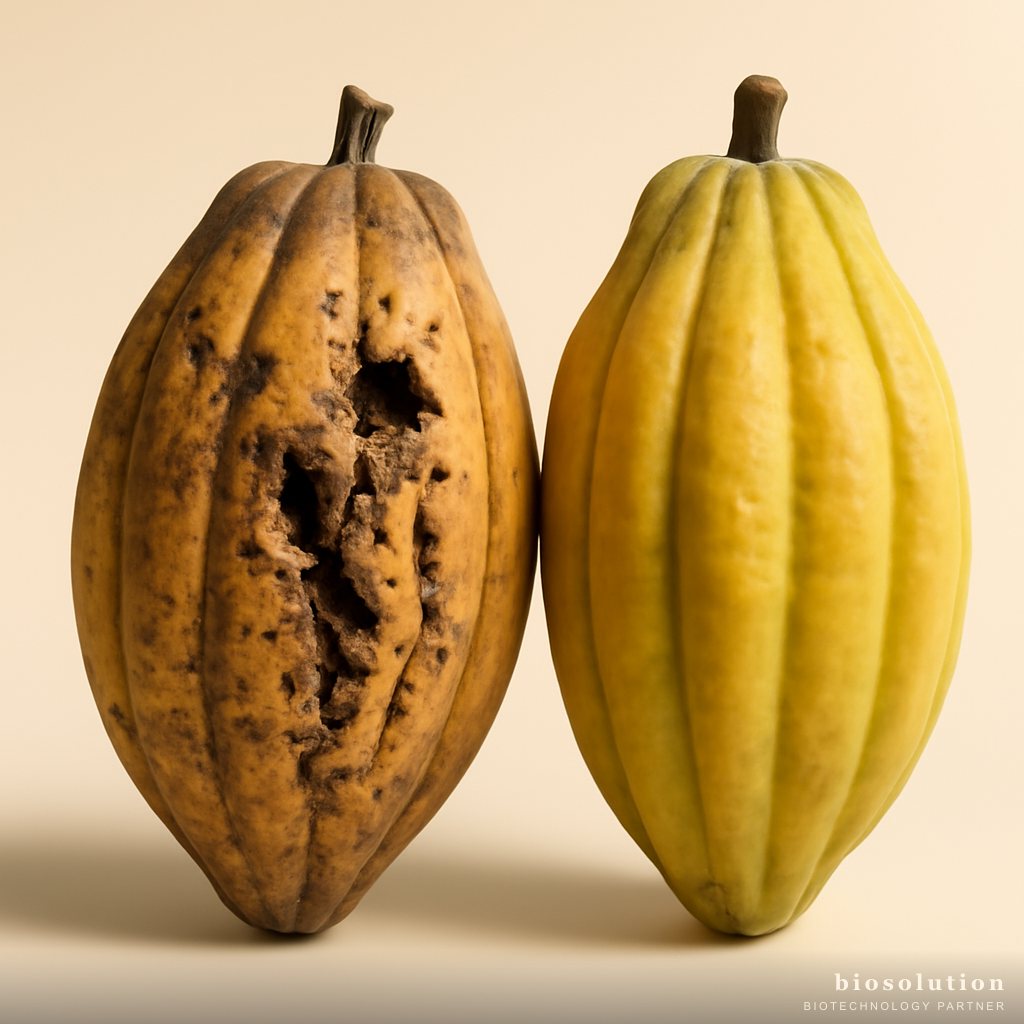
CBB attack causes coffee beans to become perforated, discolored, and have an unpleasant aroma. With regular application, this formula ensures coffee berries remain healthy until harvest. Whole and clean coffee beans will pass sorting and fetch premium prices in the specialty market.
Residue-Safe for Export
Because it uses biological agents, no harmful chemical residues remain on the coffee beans. This is a key selling point when penetrating strict export markets. Organic and fair trade certifications are also easier to obtain.
Harvesting Remains Safe After Application
Unlike chemical pesticides that have a pre-harvest interval, this biological formula is safe to apply until just before harvest. Farmers can harvest at any time without risk of poisoning.
Environmentally Friendly and Preserves Natural Enemies
Entomopathogenic fungi are selective, only infecting target insects. Populations of ants, spiders, and parasitoids are maintained, ensuring long-term ecosystem balance.
Effective Application Methods for Maximum Results
For the anti-CBB formula to work optimally, application must be done correctly. Here are technical guidelines from Biosolution:
- Application Timing: Spray during the green to red fruit stage, when CBB begins active attack. First application when fruit starts to form (2-3 months after flowering).
- Dosage: Mix 3 ml of formula per liter of water. Stir until evenly mixed.
- Frequency: Repeat every 14 days until harvest time.
- Spray Time: Apply in the afternoon (3:00-5:00 PM) to avoid UV rays that can damage fungal spores. Ensure no rain within 4-6 hours after spraying.
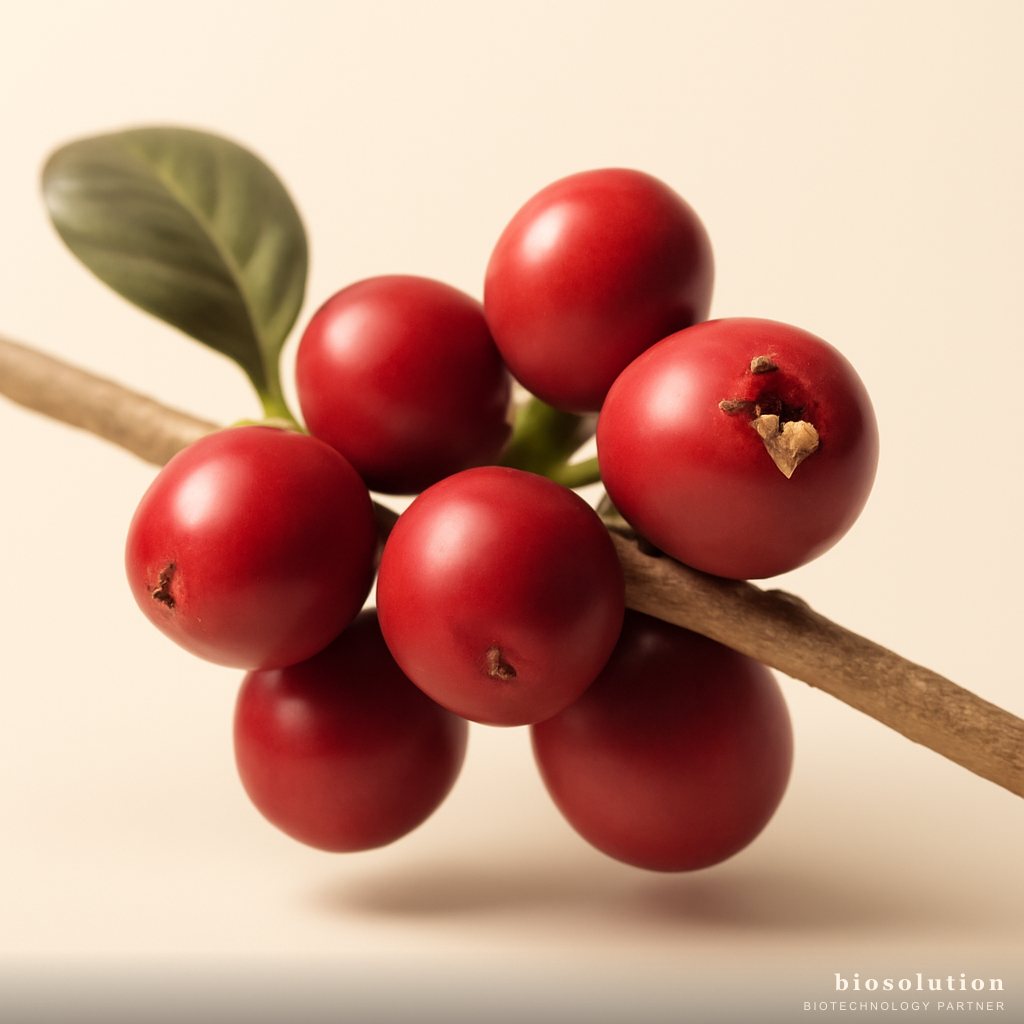
- Spray Technique: Spray evenly over the entire surface of coffee berries, especially the underside where CBB enters. Use sufficient spray volume until berries are evenly wet.
With consistent application, CBB populations will decrease drastically within 2-3 application cycles. Farmers who have adopted this method report a reduction in attack of up to 70% in one growing season.
Case Study: Success of Biological Control in Coffee Plantations
In an arabica coffee plantation in the Gayo highlands, Aceh, farmers faced severe CBB attacks. Continuous use of chemical pesticides actually made the pests more resistant. In 2024, they switched to the anti-CBB formula from Biosolution. After 3 months of regular application, fruit attack rates dropped from 35% to 12%. More encouragingly, the resulting coffee beans had minimal defects and passed residue tests for export to Europe. This success proves that biological control is not only effective but also economical in the long run.
Conclusion
The coffee berry borer pest (Hypothenemus hampei) is increasingly resistant to chemical pesticides, requiring smarter and more sustainable solutions. The anti-CBB formula from Biosolution containing Beauveria bassiana and Metarhizium anisopliae offers effective control that is environmentally safe and maintains specialty coffee quality. With proper application, farmers can reduce losses due to CBB and increase the market value of their coffee. Don't let pests ruin your harvest. Immediately consult with the Biosolution team via WhatsApp to get products and application guidance suitable for your land conditions. Together, let's realize pest-free Indonesian coffee that is globally competitive.
FAQ
What is the coffee berry borer CBB pest?
The coffee berry borer (CBB) pest is a small beetle, Hypothenemus hampei, that attacks coffee berries. Females bore holes into the fruit and lay eggs inside. Larvae feed on the coffee beans, causing quality damage and reduced yield. This pest is a major problem in all coffee-producing countries.
Why are chemical pesticides no longer effective?
Chemical pesticides lose effectiveness because CBB develops resistance due to repeated use. Additionally, chemical pesticides kill natural enemies of CBB, causing pest populations to explode. Chemical residues also threaten specialty coffee exports due to strict maximum residue limits.
How does Beauveria bassiana control CBB?
Beauveria bassiana is an entomopathogenic fungus that infects CBB through direct contact. Fungal spores attach to the cuticle, germinate, and penetrate the pest's body. Inside the body, the fungus produces toxins that paralyze and kill the pest within 3-5 days. Dead pests become a source of new spores to infect other pests.
Is this formula safe for humans and animals?
Yes, the anti-CBB formula only infects target insects. The fungi Beauveria bassiana and Metarhizium anisopliae are not harmful to humans, animals, or plants. This product is registered with the Ministry of Agriculture and is safe to use until just before harvest with no waiting period.
How much does routine application cost?
Application costs depend on land area and spray frequency. However, in general, biological control is cheaper in the long run compared to chemical pesticides because there is no need to increase dosage and no losses due to resistance. For pricing and product packages, please contact Biosolution customer service.