Anti Fusarium Wilt in Tomatoes: Biological Formula vs Synthetic Insecticides
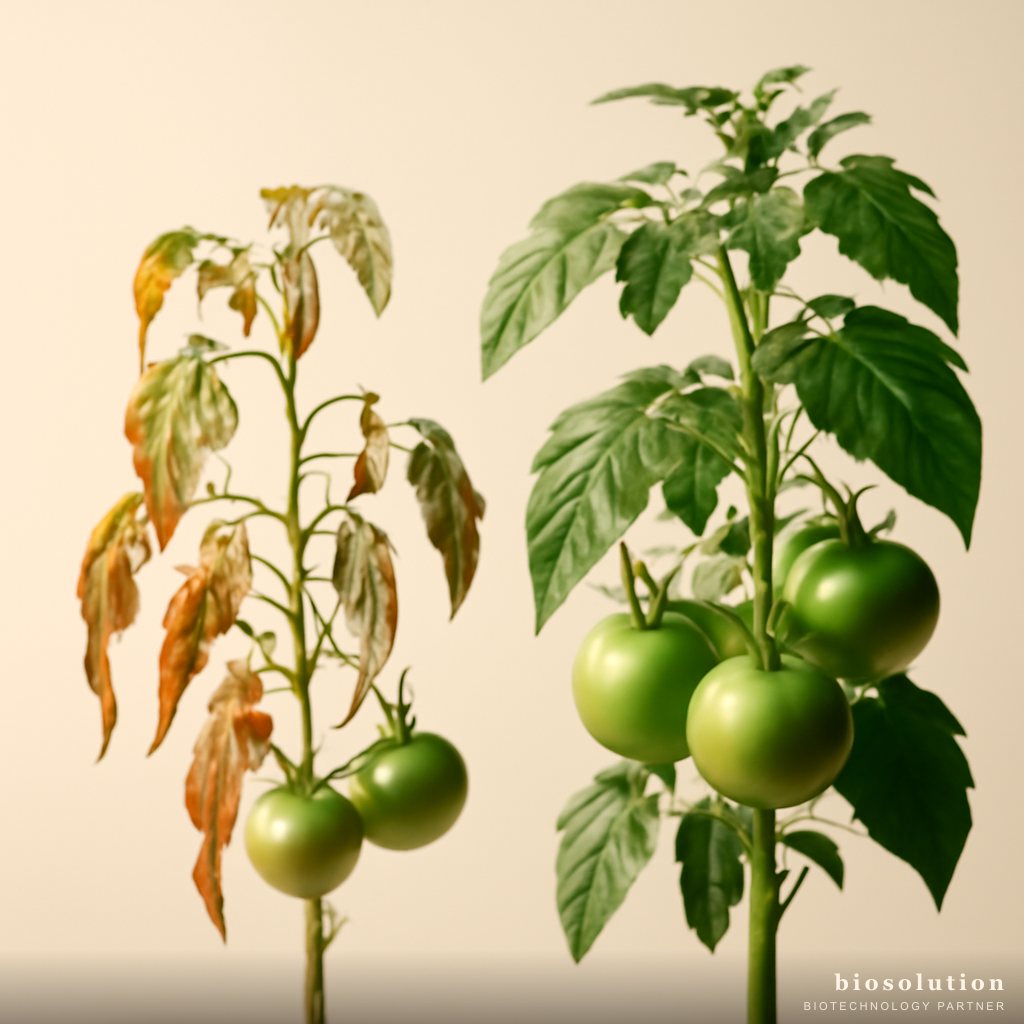
Fusarium wilt in tomatoes and chili peppers is a serious threat to horticultural farmers. This disease, caused by the fungus Fusarium oxysporum, can cause losses of up to 50% if not controlled. Many farmers rely on synthetic insecticides to address this issue, but their long-term efficacy is often disappointing. This article will compare the biological Anti-Fusarium Wilt Formula containing Trichoderma harzianum, Gliocladium virens, and Pseudomonas fluorescens with synthetic insecticides in controlling Fusarium wilt.
Why is Fusarium Wilt Difficult to Control?
Fusarium oxysporum is a soilborne pathogen that can survive as chlamydospores in the soil for years. The pathogen enters through the roots and clogs the xylem vessels, causing plants to wilt and die. Synthetic insecticides applied to the soil are often ineffective for several reasons:
- Pathogen resistance to certain active ingredients.
- Rapid degradation by soil microorganisms.
- Inability to reach pathogens inside plant tissues.
Moreover, excessive use of synthetic insecticides can kill beneficial microbes in the rhizosphere, actually worsening Fusarium attacks due to loss of natural competition.
Mechanism of Action of the Anti-Fusarium Wilt Formula
The Anti-Fusarium Wilt Formula contains three antagonistic microorganisms that work synergistically:
Trichoderma harzianum
This fungus is mycoparasitic against Fusarium oxysporum. Trichoderma coils around and penetrates Fusarium hyphae, then degrades its cell wall using chitinase and glucanase enzymes. Additionally, Trichoderma produces antibiotic compounds like gliotoxin that inhibit pathogen growth.
Gliocladium virens
Gliocladium works through antibiosis and nutrient competition. It produces gliovirin and viridin, which are fungistatic against Fusarium. By rapidly colonizing the rhizosphere, Gliocladium outcompetes the pathogen for carbon and nitrogen.
Pseudomonas fluorescens
This bacterium produces siderophores (pyoverdine) that bind iron ions (Fe3+) around the roots, depriving Fusarium of iron for growth. Pseudomonas also induces systemic resistance (ISR) in plants through the production of salicylic acid and ethylene.
Efficacy Comparison: Biological vs Synthetic
Disease Suppression Effectiveness
Research shows that applying the Anti-Fusarium Wilt Formula via root drench (5 ml/liter water every 14 days) can suppress Fusarium wilt incidence by 70-85% in tomatoes and chili peppers. In comparison, synthetic insecticides with active ingredients like carbendazim or mancozeb achieve only 40-60% suppression, and their effectiveness declines after several seasons due to resistance.
Impact on Soil Microflora
Broad-spectrum synthetic insecticides not only kill Fusarium but also beneficial microbes. In contrast, the Anti-Fusarium Wilt Formula actually increases the population of antagonistic microbes in the soil, creating suppressive soil that protects plants from other pathogen attacks.
Safety and Residue
For farmers looking to transition to organic farming or reduce chemical residues on produce, the Anti-Fusarium Wilt Formula is the right choice. This product is safe for humans, animals, and the environment, and leaves no harmful residues on tomato or chili fruits.
Proper Application Method
Apply the Anti-Fusarium Wilt Formula using the root drench method:
- Mix 5 ml of formula per liter of water.
- Drench 200-300 ml of solution per plant at planting and repeat every 14 days during the vegetative phase.
- Ensure the solution reaches the root zone.
For optimal results, apply preventively before wilt symptoms appear. If plants are already infected, increase the dose to 10 ml/liter and apply every 7 days.
Case Study: Chili Farmer in West Java
Mr. Sukirman, a chili farmer in Garut, complained about Fusarium wilt attacking his land for three consecutive growing seasons. After using synthetic insecticides, yields continued to decline. He then switched to the Anti-Fusarium Wilt Formula with root drench application. As a result, wilt incidence dropped drastically from 60% to 15%, and chili production increased by 40%. "My plants are healthier, roots are strong, and I no longer need to spray chemical pesticides every week," he said.
Additional Benefits of the Anti-Fusarium Wilt Formula
Besides suppressing Fusarium, this formula also:
- Improves soil structure and enhances microbial activity.
- Stimulates root and shoot growth through production of growth hormones (IAA) by Pseudomonas.
- Reduces the need for crop rotation, allowing farmers to plant tomatoes or chili peppers in the same field more frequently.
Conclusion
In the comparison between the biological Anti-Fusarium Wilt Formula and synthetic insecticides, the biological formula excels in long-term efficacy, safety, and positive impact on soil ecosystems. Synthetic insecticides may provide quick effects, but they are not sustainable and risk causing resistance. For farmers seeking an effective and environmentally friendly solution, the Anti-Fusarium Wilt Formula is the right choice. Get this product through the Anti-Fusarium Wilt Formula product page or consult with our team via WhatsApp for dosage recommendations.
FAQ
What is the Anti-Fusarium Wilt Formula?
The Anti-Fusarium Wilt Formula is a biological product containing Trichoderma harzianum, Gliocladium virens, and Pseudomonas fluorescens that work synergistically to control the fungus Fusarium oxysporum causing wilt in tomatoes and chili peppers. This product is applied via root drench to suppress soilborne pathogens and enhance plant resistance.
How does the Anti-Fusarium Wilt Formula work?
Its mechanisms include mycoparasitism by Trichoderma, antibiosis by Gliocladium, and iron competition by Pseudomonas. All three also induce systemic resistance in plants, making them more tolerant to pathogen attacks.
Is the Anti-Fusarium Wilt Formula safe for organic farming?
Yes, this product is safe for organic farming as it contains no synthetic chemicals. All microorganisms used are natural and leave no harmful residues on harvested produce.
What is the recommended dosage and application frequency?
The recommended dosage is 5 ml per liter of water, applied as a root drench of 200-300 ml per plant. Application frequency is every 14 days during the vegetative phase. If plants are already infected, the dose can be increased to 10 ml/liter with a 7-day interval.
Can the Anti-Fusarium Wilt Formula be used together with chemical pesticides?
It is best not to mix it with chemical fungicides or bactericides as they can kill the microorganisms in the formula. If chemical pesticides are necessary, allow a minimum interval of 3 days after applying the biological formula.