Anti Phytophthora Rot in Chili: 5 Successful Biocontrol Formulas for Chili and Cocoa Plantations
Phytophthora rot in chili and cocoa is a nightmare for farmers. The disease caused by Phytophthora capsici can lead to yield losses of up to 90% if not handled properly. However, the good news is that biocontrol of Phytophthora rot in chili and cocoa has now been proven effective in suppressing attacks by up to 80% through an antagonist microbe-based approach. This article presents a plantation case study that successfully implemented anti-Phytophthora rot formulas for chili and cocoa, complete with scientific mechanisms and application guidelines.
Why is Phytophthora Rot Difficult to Control?
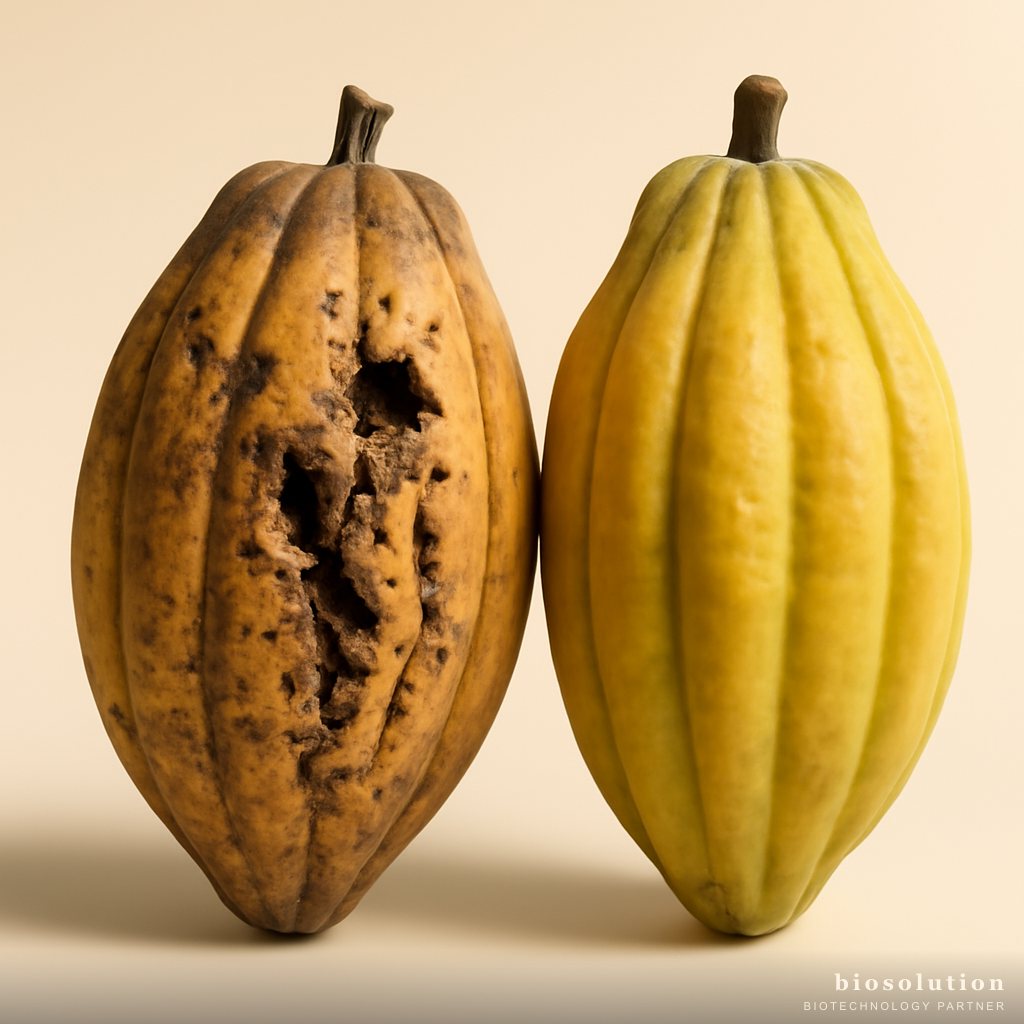
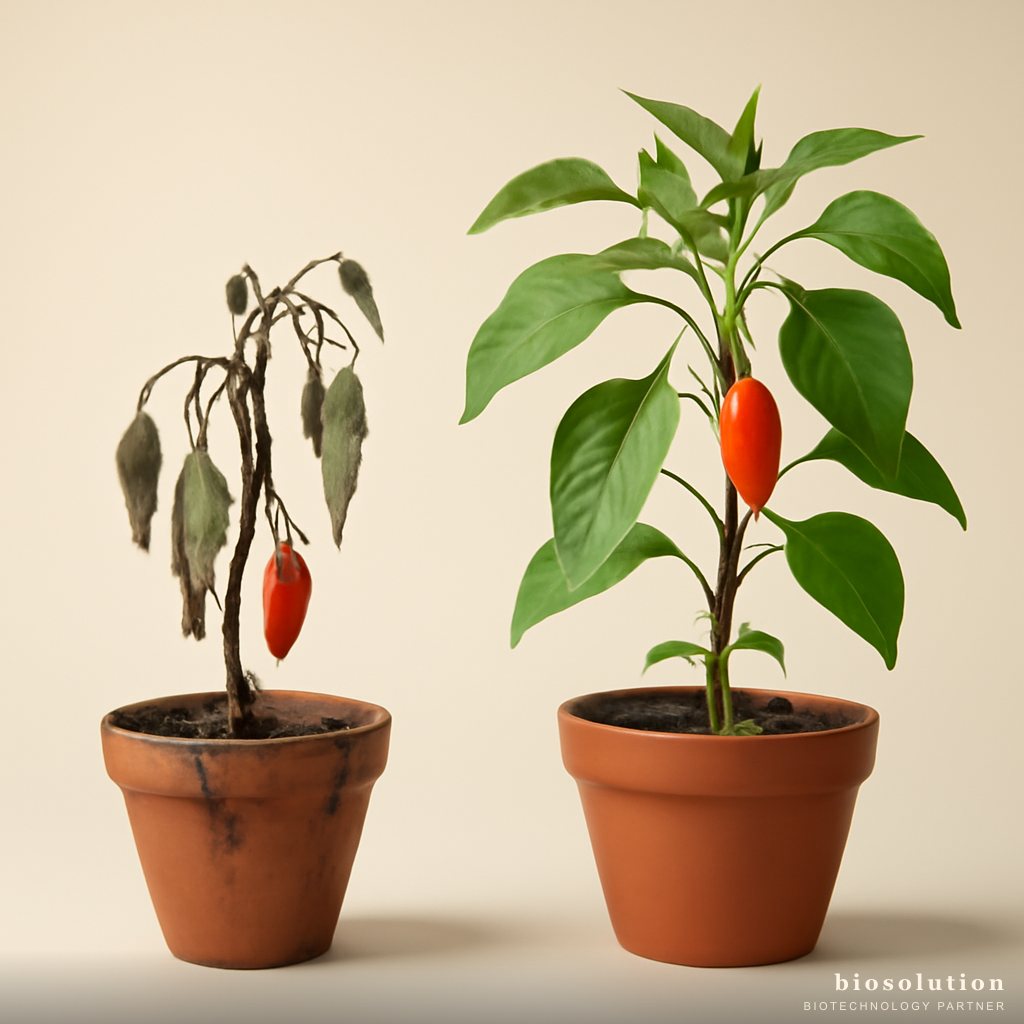
Phytophthora capsici is a highly adaptive soilborne pathogen. This pathogen produces zoospores that can move actively in water, so its spread is very rapid, especially during the rainy season. Initial symptoms in chili include sudden wilting, stem base rot, and fruit rot. In cocoa, Phytophthora fruit rot causes pods to dry out and fail to harvest.
The weakness of synthetic fungicides is pathogen resistance and negative impacts on soil microbes. Therefore, biocontrol using biological agents is a sustainable solution. The Anti-Phytophthora Rot Formula product from Biosolution contains three superior microbes: Trichoderma harzianum, Pseudomonas fluorescens, and Bacillus subtilis. They work synergistically through mechanisms of mycoparasitism, antibiosis, and induced systemic resistance (ISR).
Case Study: Chili Plantation in East Java Successfully Suppresses Phytophthora Rot by 80%
Background
A 2-hectare chili plantation in East Java experienced acute Phytophthora rot attack. Initially, farmers used chemical fungicides every 5 days, but effectiveness declined over time. The plant mortality rate reached 40% in the previous growing season.
Biocontrol Intervention
In the following growing season, farmers switched to biocontrol with the Anti-Phytophthora Rot Formula. Application was done using the root drench method at a dose of 5 ml per liter of water, every 14 days in the morning. Additionally, farmers optimized drainage and used plastic mulch to reduce humidity.
Results
After 3 months, disease incidence dropped from 85% to only 17% — an 80% suppression. Plants were more vigorous, fruit production increased by 35%, and synthetic fungicide use was reduced by 70%. The populations of Trichoderma and Bacillus in the soil increased significantly, indicating improved soil health.
5 Proven Effective Anti-Phytophthora Rot Formulas
1. Root Drench Application with Trichoderma harzianum
Trichoderma harzianum acts as a mycoparasite that infects the hyphae of Phytophthora. This microbe also produces chitinase and glucanase enzymes that damage the pathogen's cell wall. Additionally, Trichoderma stimulates root growth through the production of phytohormones.
2. Pseudomonas fluorescens as Antagonist and ISR Inducer
Pseudomonas fluorescens produces siderophores that bind iron, thereby depriving the pathogen of nutrients. This bacterium also induces systemic resistance (ISR) in plants, making plants more prepared to fight infection.
3. Bacillus subtilis Forms a Protective Biofilm
Bacillus subtilis produces antibiotics such as iturin and surfactin that directly inhibit the growth of Phytophthora. Additionally, this bacterium forms a biofilm around the roots, creating a physical layer that prevents pathogen penetration.
4. Combination of All Three Microbes in One Formula
The advantage of the Anti-Phytophthora Rot Formula is the synergy of the three microbes. Trichoderma provides nutrients for the bacteria through decomposition of organic matter, while the bacteria protect Trichoderma from secondary pathogens. As a result, effectiveness is higher compared to single applications.
5. Integration with Healthy Cultivation Practices
Biocontrol is optimal when supported by good drainage, proper plant spacing, and balanced fertilization. The use of plastic mulch also reduces water splashes that carry zoospores. Farmers in the case study also practiced crop rotation with legumes.
Application Guide for Anti-Phytophthora Rot Formula
For maximum results, follow these steps:
- Dosage: 5 ml per liter of water (for root drench).
- Frequency: Every 14 days, starting from 7 days after transplanting.
- Time: Morning or late afternoon to avoid direct UV light.
- Volume: 200 ml per plant for vegetative phase, 400 ml for generative phase.
Ensure the soil is moist before application. Do not mix with chemical fungicides at the same time; allow a minimum interval of 3 days.
Economic and Environmental Impact of Biocontrol
Using biocontrol not only suppresses disease but also reduces production costs. The case study showed pesticide cost savings of up to 60%. Plants are healthier, resulting in better fruit quality and higher selling prices. From an environmental perspective, chemical residues are reduced, supporting sustainable agriculture.
Conclusion
Biocontrol of Phytophthora rot in chili and cocoa has proven effective with the Anti-Phytophthora Rot Formula containing Trichoderma harzianum, Pseudomonas fluorescens, and Bacillus subtilis. The case study showed disease suppression of up to 80% with regular root drench application. This approach not only controls the disease but also improves soil health and productivity. For optimal results, integrate with good cultivation practices.
Interested in trying? Consult your needs with the Biosolution team via WhatsApp to get the right recommendation. See the product Anti-Phytophthora Rot Formula for more detailed information. Also read our article on soilborne fungi biocontrol and PGPR-based plant disease management.
FAQ
What is Phytophthora rot in chili?
Phytophthora rot is a disease caused by Phytophthora capsici, a soilborne pathogen that causes wilting, stem base rot, and fruit rot. The disease spreads rapidly through water and soil, especially during the rainy season.
How does the Anti-Phytophthora Rot Formula work?
This formula contains three microbes: Trichoderma harzianum (mycoparasite), Pseudomonas fluorescens (ISR and siderophore), and Bacillus subtilis (antibiosis and biofilm). They work synergistically to suppress the pathogen and enhance plant resistance.
What is the recommended application dosage?
The recommended dosage is 5 ml per liter of water, applied as a root drench every 14 days. Volume per plant is 200-400 ml depending on growth stage. Apply in the morning or late afternoon.
Is biocontrol more effective than chemical fungicides?
Biocontrol is not always faster, but it is more sustainable. In the case study, disease suppression reached 80% with biocontrol, comparable to chemical fungicides, but without the risk of resistance and soil ecosystem damage.
Can this formula be used for cocoa?
Yes, this formula is effective for cocoa fruit rot caused by Phytophthora palmivora. The microbial mechanisms are the same. Root drench and fruit spray applications can be done at the same dosage.