Anti Thrips Horticulture: Integrated Solution for Controlling Thrips on Onions, Chilies, and Tomatoes
Thrips (Thrips spp.) are major pests of horticultural crops, especially shallots, chilies, and tomatoes. These tiny insects not only damage leaf and fruit tissue but also act as vectors for deadly viruses such as Tomato spotted wilt virus (TSWV). Farmers often rely on chemical insecticides, but resistance and negative impacts on natural enemies drive the need for more sustainable approaches. Anti thrips horticulture based on biological agents is a smart solution within the framework of Integrated Pest Management (IPM).
Understanding Thrips and Their Impact on Horticulture
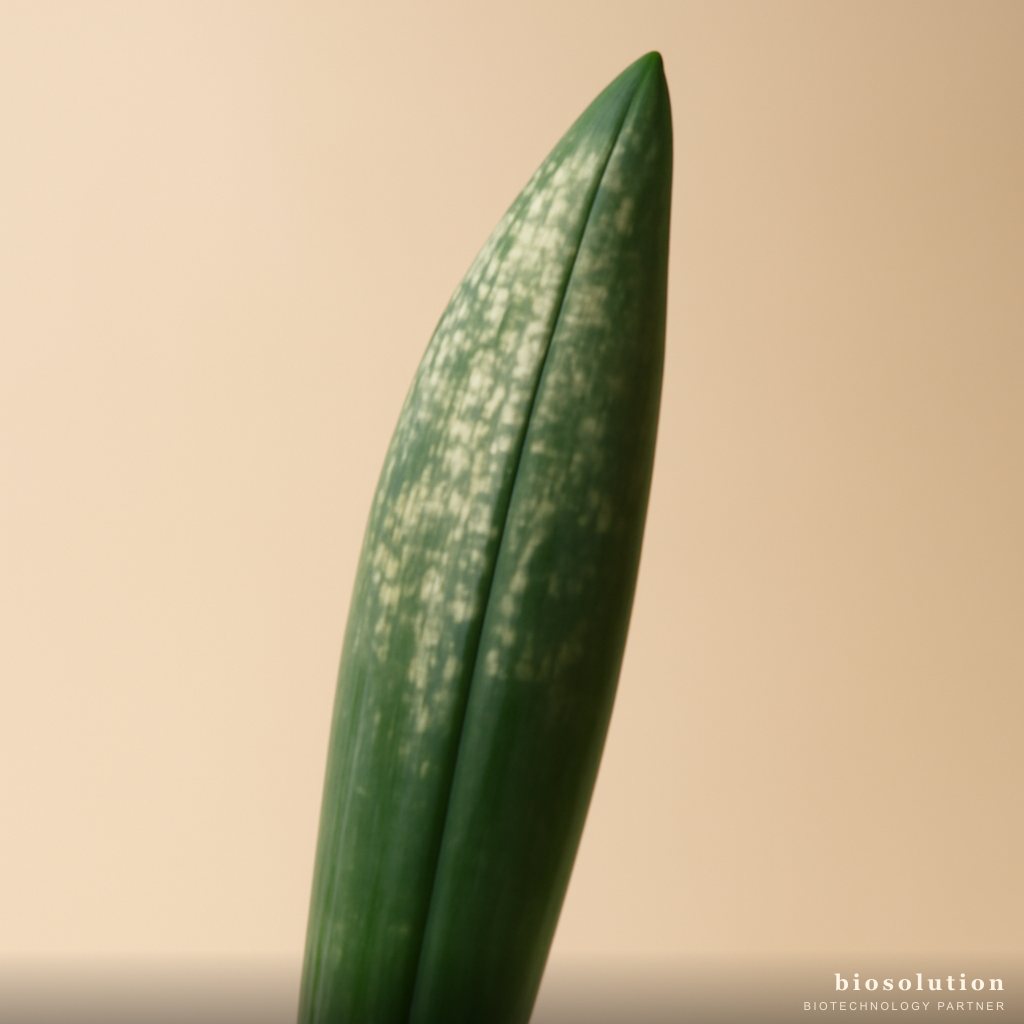
Adult thrips are 1-2 mm long, yellow to brown, with fringed wings. Nymphs and adults puncture plant epidermal cells and suck cell sap, causing silvering, necrosis, and leaf curling. On onions, severe attacks result in small bulbs and drastically reduced yields. On chilies and tomatoes, thrips cause leaf curl, flower drop, and fruit deformities. More dangerously, thrips transmit TSWV, which can devastate crops.
IPM Principles for Thrips
IPM emphasizes combining various environmentally friendly control methods. For thrips, steps include: (1) population monitoring with blue sticky traps, (2) healthy cultivation (plastic mulch, plant spacing, irrigation), (3) conservation of natural enemies such as Orius spp. and predatory mites, and (4) application of biopesticides if economic thresholds are exceeded. Biosolution's Anti-Thrips Horticulture Formula serves as a powerful and selective biological component.
Anti-Thrips Horticulture Formula: Beauveria bassiana Technology for Specific Control
The Anti-Thrips Horticulture Formula contains Beauveria bassiana thrips strain, an entomopathogenic fungus that specifically infects thrips. Fungal spores adhere to the thrips cuticle, germinate, and penetrate the pest's body, producing lethal toxins within 3-5 days. This strain has been isolated and purified specifically for controlling thrips on horticultural crops.
Mechanism of Action and Advantages
- Specific to thrips: Does not harm non-target insects, including natural enemies like Orius beetles and pollinating bees.
- Prevents resistance: Multi-target mechanism (physical penetration + toxins) makes it difficult for pests to develop resistance.
- Safe for organic farming: Registered as an allowed active ingredient in organic farming systems.
- Cost-effective: Low dosage of 3 ml/L water with a frequency of every 5-7 days is more economical than repeated chemical applications.
Proper Application Method
Apply by spraying the solution evenly over all plant parts, especially growing points and the undersides of leaves where thrips congregate. Dosage: 3 ml per liter of water. Frequency: every 5-7 days, particularly during early vegetative stage up to flowering. The best time is late afternoon when humidity >75% to keep spores viable. Avoid spraying during rain or intense heat.
Integration with Natural Enemies for Integrated IPM
One advantage of the Anti-Thrips Horticulture Formula is its compatibility with natural enemies. Unlike chemical insecticides that kill predators and parasitoids, Beauveria bassiana thrips strain does not infect non-target insects. Thus, farmers can integrate this biopesticide with conservation of natural enemies such as:
- Orius bugs (Orius spp.): Effective thrips predators in nymph and adult stages.
- Predatory mites (Neoseiulus cucumeris): Hunt thrips on leaf surfaces.
- Parasitoids (Ceranisus menes): Attack thrips larvae.
Integration strategy: Monitor thrips and natural enemy populations. If thrips population is low (<5 per leaf), let predators work. If population increases, spray Anti-Thrips Horticulture Formula at low dosage. Avoid application when predator populations are high. This way, ecosystem balance is maintained and control becomes more effective in the long term.
Case Studies: Effectiveness on Onions, Chilies, and Tomatoes
Shallots
In shallot fields in Brebes, application of Anti-Thrips Horticulture Formula every 5 days for 4 weeks suppressed thrips populations by up to 80% compared to controls. Plants showed fewer silvering symptoms and bulb yield increased by 25%.
Chilies
In chili plantations in West Java, integrating biopesticide with release of Orius spp. reduced fruit damage from thrips and TSWV. Productivity increased by 30% and fruit quality improved.
Tomatoes
In highlands, tomato thrips were controlled with regular spraying. Leaf necrosis significantly decreased, and virus transmission was suppressed.
Advantages of Anti-Thrips Horticulture Formula Compared to Chemical Pesticides
| Aspect | Anti-Thrips Formula | Chemical Insecticide |
|---|---|---|
| Selectivity | Specific to thrips, safe for natural enemies | Kills non-targets |
| Resistance | Difficult to develop | Rapid resistance |
| Residue | None | Harmful to consumers |
| Cost | Cheaper per cycle | Expensive, requires reapplication |
| Environment | Friendly | Pollutes soil and water |
Conclusion
Controlling thrips on onions, chilies, and tomatoes requires an integrated IPM approach. Biosolution's Anti-Thrips Horticulture Formula, with active ingredient Beauveria bassiana thrips strain, offers an effective, selective, and environmentally friendly solution. By integrating this biopesticide with natural enemies, farmers can suppress thrips populations, reduce crop damage, and increase yields sustainably. For further consultation on applying anti thrips horticulture, contact Biosolution's technical team via WhatsApp.