Anti Thrips Horticulture: Biological Strategy to Control Thrips on Onions, Chilies, and Tomatoes
Thrips (Thrips spp.) are small but deadly pests for horticultural crops such as onions, chilies, and tomatoes. Their attack causes wrinkled leaves, silvering, necrosis, and even crop failure. More dangerously, thrips act as vectors for Tomato Spotted Wilt Virus (TSWV) and Iris Yellow Spot Virus (IYSV), which can devastate fields. Therefore, an effective and environmentally friendly anti-thrips horticulture strategy is needed. Biosolution presents the Anti-Thrips Horticulture Formula, a solution based on the biological agent Beauveria bassiana thrips strain, proven to specifically control thrips, safe for plants, farmers, and the ecosystem.
Understanding Thrips: Small Pest with Big Impact on Horticulture
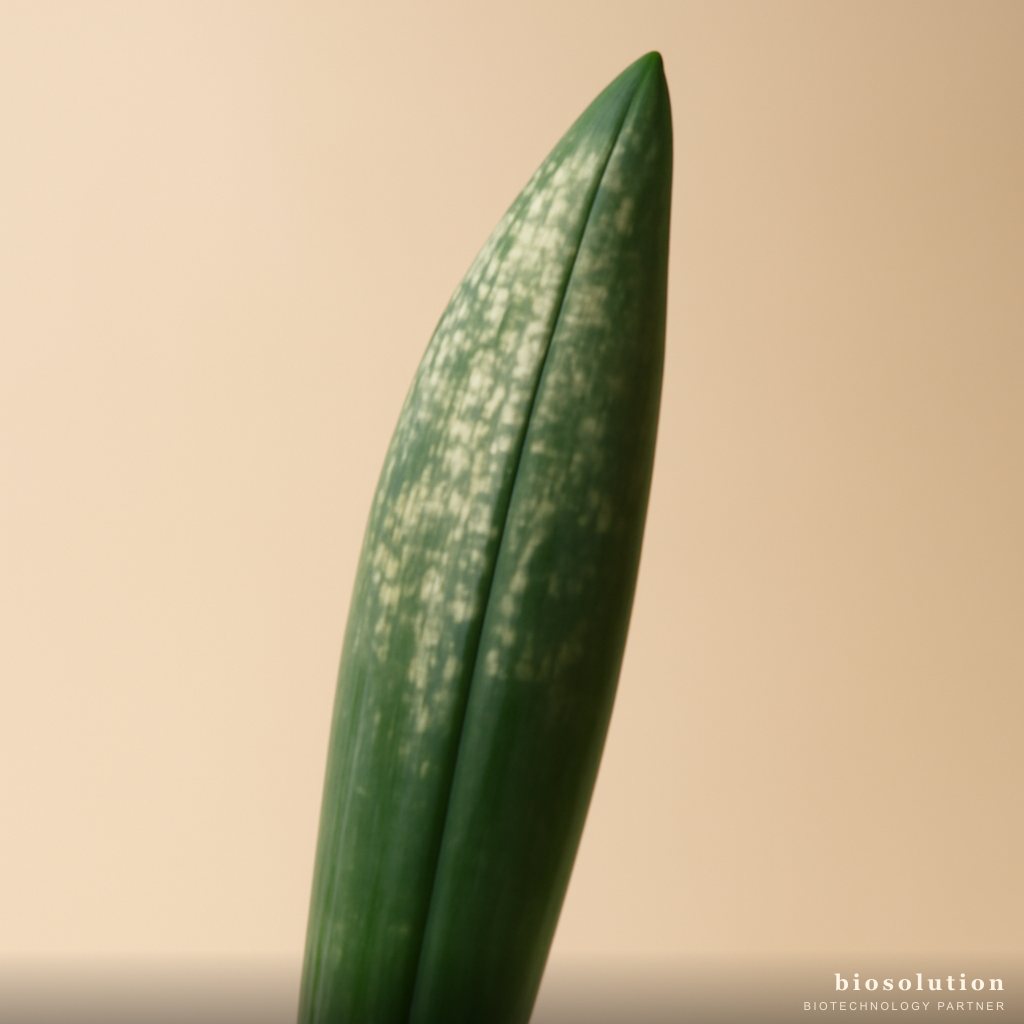
Thrips are insects of the order Thysanoptera, measuring 1-2 mm. Despite their small size, they have piercing-sucking mouthparts that damage the epidermal tissue of leaves and fruits. On onions, thrips attack causes leaves to yellow and dry, reducing bulb quality. On chilies and tomatoes, thrips cause silvery spots on leaves, wrinkled fruit, and flower drop. Economic losses due to thrips in Indonesia reach billions of rupiah per growing season (source: FAO).
Thrips reproduce rapidly, especially during the dry season. A single female can produce 50–80 eggs in a 2–3 week life cycle. Resistance to chemical insecticides is common, making biological control the preferred choice.
Anti-Thrips Horticulture Formula: Specific Biological Solution for Thrips
The Anti-Thrips Horticulture Formula is a flagship product from Biosolution containing Beauveria bassiana thrips strain. This strain is specifically isolated from field thrips, thus having high affinity for the target pest. Product advantages:
- Specific target: Only infects thrips, does not harm beneficial insects such as bees and predators.
- Prevents viruses: By controlling thrips populations, transmission of TSWV and IYSV is interrupted.
- Organic safe: Suitable for organic farming and integrated pest management (IPM).
- Cost-effective: Use of 3 ml/liter water with routine application every 5–7 days is more economical than chemical applications that often fail due to resistance.
Mechanism of Action of Beauveria bassiana
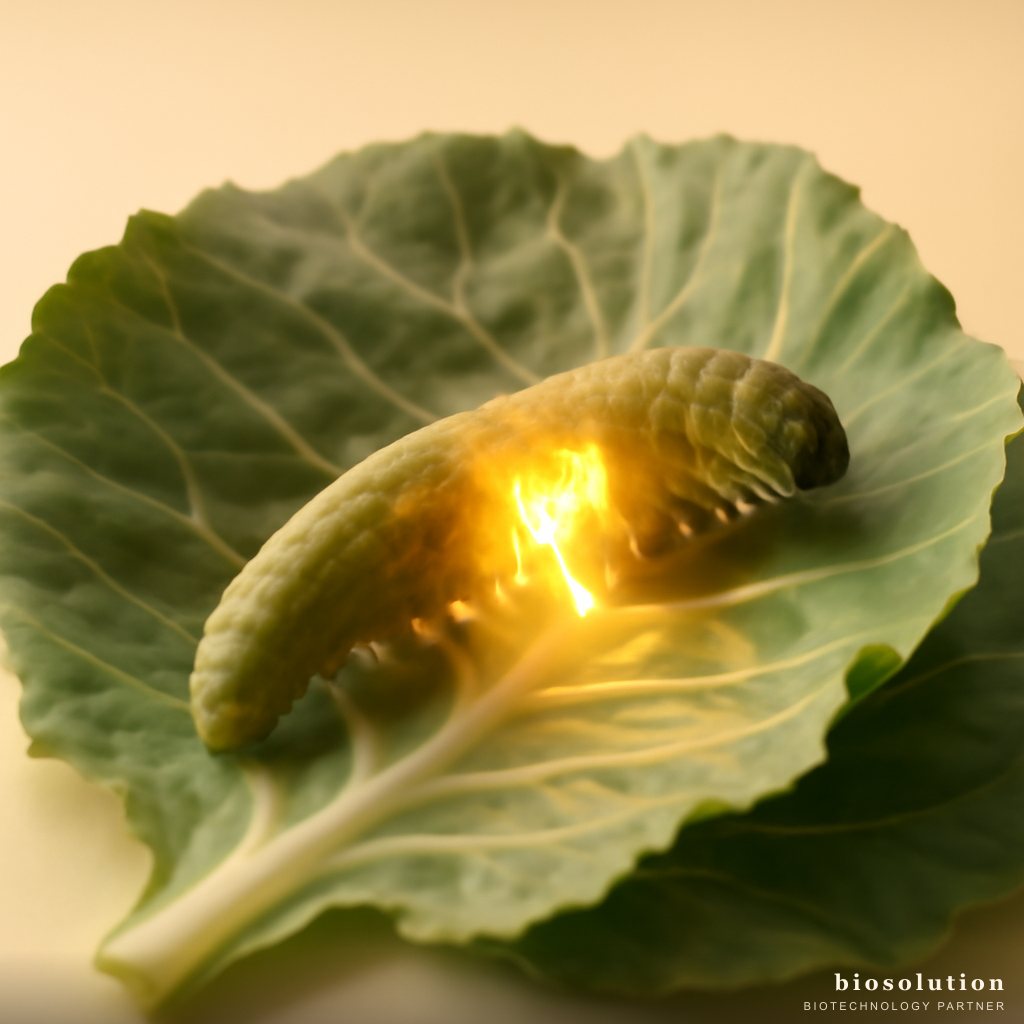
Beauveria bassiana is an entomopathogenic fungus that infects thrips through contact. Fungal conidia (spores) attach to the thrips cuticle, germinate, and penetrate the host body using chitinase and protease enzymes. Inside the hemolymph, the fungus multiplies producing beauvericin toxin that paralyzes the thrips immune system. Within 3–5 days, thrips die and their bodies are covered with white mycelium, ready to spread spores to other thrips. This cycle repeats continuously, suppressing the population sustainably.
Proper Application for Onions, Chilies, and Tomatoes
The success of thrips control with the Anti-Thrips Horticulture Formula depends heavily on correct application techniques. Here is a guide for each crop:
Onions (Shallots)
- Dosage: 3 ml/liter water (equivalent to 6 ml per 2-liter tank).
- Spray method: Spray evenly over all plant parts, especially the leaf base and growing points where thrips hide. Use high spray volume (500–600 l/ha) for optimal penetration.
- Timing: Late afternoon (3:00–5:00 PM) when humidity >75% and temperature <30°C. Avoid spraying during rain or intense heat.
- Frequency: Every 5–7 days, especially during early vegetative stage until bulb formation. Increase frequency if population is high.
Chilies
- Dosage: Same, 3 ml/liter water.
- Spray method: Focus on young leaves, shoot tips, and flowers, which are thrips targets. Also spray the underside of leaves. Use a fine nozzle spray.
- Timing: Late afternoon when thrips activity decreases. High humidity helps spore germination.
- Frequency: Every 5–7 days, starting 2 weeks after planting until harvest. Rotate with other biological products if necessary.
Tomatoes
- Dosage: 3 ml/liter water.
- Spray method: Spray over the entire leaf surface, stems, and young fruit. Thrips often hide in leaf folds and flower calyxes.
- Timing: Late afternoon, ensure no excessive dew that could drip spores.
- Frequency: Every 5–7 days, especially when silvery spot symptoms appear. During the dry season, increase frequency to every 5 days.
Tips for Successful Application
- Solution preparation: Mix the product with clean water, stir well, and use within 2 hours.
- Sprayer: Calibrate the sprayer for accurate dosage. Spray evenly until thoroughly wet.
- Environmental conditions: Avoid strong winds. High humidity (>75%) and temperature 25–30°C are optimal for fungal infection.
- Integration with other controls: Combine with yellow sticky traps, natural enemies (predators such as Orius spp.), and crop rotation for maximum results.
Advantages of Anti-Thrips Horticulture Formula Compared to Chemical Insecticides
| Aspect | Anti-Thrips Horticulture Formula | Chemical Insecticides |
|---|---|---|
| Mechanism | Fungal infection, low resistance | Neurotoxic, high resistance |
| Selectivity | Specific to thrips | Kills non-target insects |
| Residue | None, safe for harvest | Harmful residues for consumers |
| Safety | Safe for farmers and environment | Toxic, requires PPE |
| Long-term cost | Cheaper due to sustainable effect | Expensive due to repeated applications |
Continuous use of chemicals triggers thrips resurgence and secondary pest outbreaks. In contrast, the Anti-Thrips Horticulture Formula supports ecosystem balance in the field.
Testimonials and Field Data
Farmers in Brebes, Central Java, reported an 80% reduction in thrips population after 3 applications of the Anti-Thrips Horticulture Formula on shallots. Productivity increased by 25% compared to fields using chemicals. On chilies in Garut, thrips attacks decreased drastically, fruits were smoother, and selling prices were higher due to residue-free produce.
Conclusion
Thrips are serious pests on onions, chilies, and tomatoes that require appropriate control strategies. Biosolution's Anti-Thrips Horticulture Formula offers a biological solution based on Beauveria bassiana thrips strain that is effective, safe, and sustainable. With routine application of 3 ml/liter water every 5–7 days in the late afternoon, farmers can control thrips while suppressing virus transmission. Switching to biological control is a long-term investment for healthy and productive agriculture.
Consult your thrips control needs with the Biosolution team via WhatsApp. Get product recommendations and application techniques tailored to your specific crop conditions.
FAQ
1. Is the Anti-Thrips Horticulture Formula safe for other vegetable crops? Yes, this product is safe for all horticultural crops because it only contains an entomopathogenic fungus that specifically infects thrips. It leaves no harmful residues on leaves or fruit.
2. How long does the effect of the Anti-Thrips Horticulture Formula last after application? The control effect lasts 5–7 days, depending on weather conditions and thrips population. Fungal spores can survive on leaves for up to 3 days in dry conditions, but routine spraying is recommended to break the thrips life cycle.
3. Can the Anti-Thrips Horticulture Formula be mixed with chemical pesticides? It is best not to mix directly because chemicals can inhibit spore germination. If necessary, allow at least a 3-day interval between chemical and biological applications.
4. Is this product effective against thrips that are already resistant to insecticides? Very effective. Beauveria bassiana has a different infection mechanism from chemical insecticides, so no cross-resistance occurs. Thrips resistant to organophosphates or pyrethroids remain susceptible to this fungus.
5. How should the Anti-Thrips Horticulture Formula be stored? Store in a cool, dry place at 4–15°C (refrigerator) to maintain spore viability. Avoid direct sunlight. The product in sealed packaging can last 6–12 months.