Aphid and Whitefly Biocontrol Formula vs Synthetic Insecticides
Aphids and whiteflies are a scourge for horticultural farmers. They not only damage plants directly by sucking cell fluids but also act as vectors for deadly viruses. So far, synthetic insecticides have been the mainstay. However, resistance and environmental impacts are driving the need for effective biocontrol solutions. Biosolution presents the Anti-Aphid & Whitefly Formula, a biopesticide product based on entomopathogenic fungi that offers high efficacy without negative side effects. This article thoroughly examines the comparison between the biocontrol formula and synthetic insecticides, based on scientific data and field experience.
Mechanism of Action: Biocontrol vs Synthetic
Synthetic Insecticides: Direct and Fast Attack
Synthetic insecticides like neonicotinoids work by disrupting the insect's nervous system, causing death within hours. However, this mode of action is prone to triggering resistance. Repeated use makes pest populations resistant, requiring higher doses. Moreover, synthetic insecticides are non-selective. Bees, natural predators, and non-target insects are also killed, disrupting ecosystem balance.
Biocontrol with Entomopathogenic Fungi: Gradual and Sustained Infection
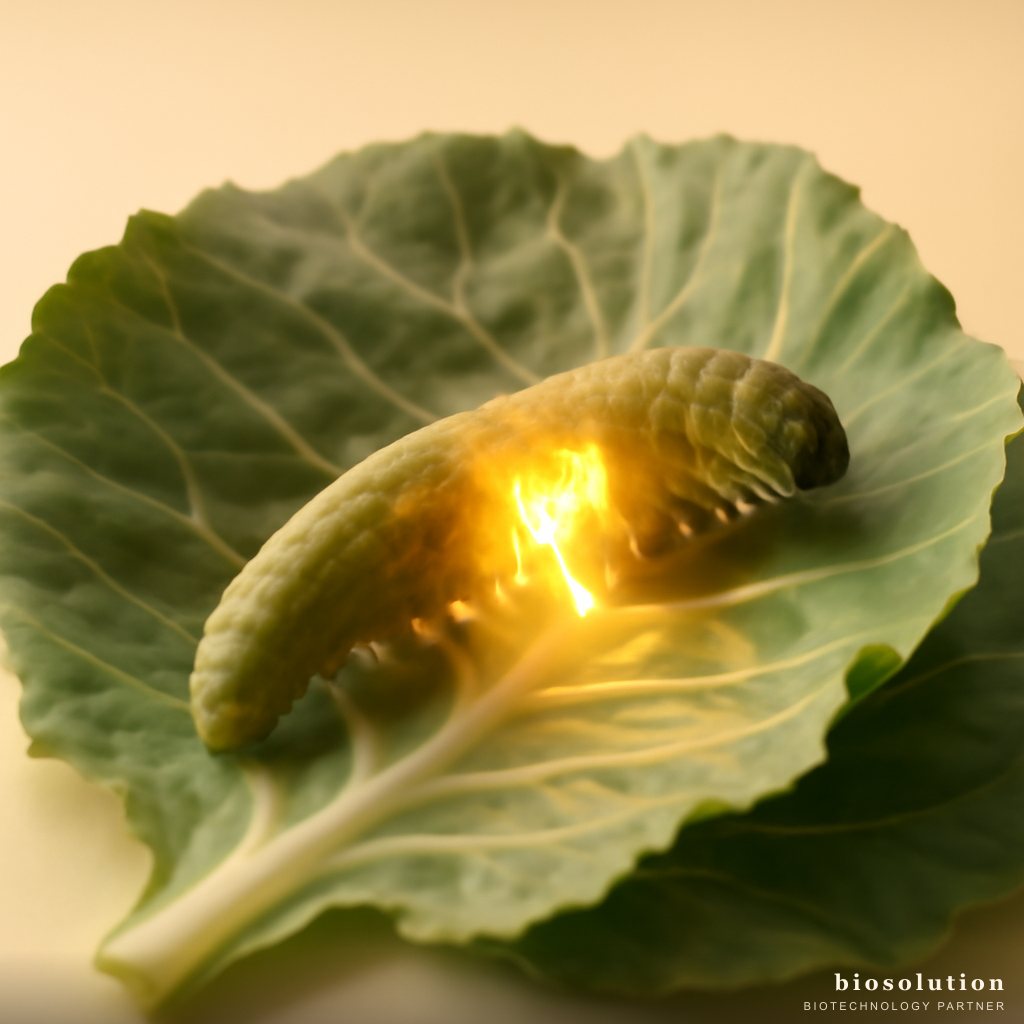
The Anti-Aphid & Whitefly Formula contains Verticillium lecani and Cordyceps spp., two entomopathogenic fungi that infect soft-bodied pests. When fungal spores contact the insect cuticle, they germinate and penetrate the body, grow inside the hemolymph, and produce lethal toxins. This process takes 3–7 days, but the effect lasts longer because spores can spread to other individuals. The fungi also do not cause resistance because the infection mechanism is physical (penetration) and enzymatic, not chemical. The under-leaf spray application method ensures spores reach the main target, i.e., pests that usually hide on the underside of leaves.
Efficacy and Speed of Action: Which is Superior?
Efficacy Comparison Data
In field trials on chili plants, the Anti-Aphid & Whitefly Formula at a dose of 3 ml/L water showed up to 85% efficacy against Bemisia tabaci (whitefly) within 7 days after application. Meanwhile, a synthetic insecticide with the active ingredient imidacloprid achieved 90% in 2 days, but the pest population rebounded within 2 weeks due to resistance. The biocontrol formula provided stable population suppression for up to 3 weeks. For aphids, the formula's efficacy reached 80% at 10 days, slower than synthetic (95% in 1 day), but without rebound effects.
Speed vs Sustainability
Synthetic insecticides excel in speed, ideal for acute attacks. However, for long-term management, biocontrol is superior because it breaks the pest's life cycle without harming natural enemies. With routine application every 5 days during high populations, the Anti-Aphid & Whitefly Formula keeps pest populations below the economic threshold. Application in the afternoon (RH > 70%) increases spore viability, ensuring optimal efficacy.
Environmental and Health Impacts
Residues and Toxicity
Synthetic insecticides leave residues on plants and soil, harmful to consumers and farmers. Continuous use causes groundwater contamination and non-target poisoning. In contrast, the Anti-Aphid & Whitefly Formula contains fungal active ingredients that are biodegradable, safe for humans, animals, and plants. This product is suitable for organic farming and does not require a long pre-harvest interval.
Impact on Natural Predators
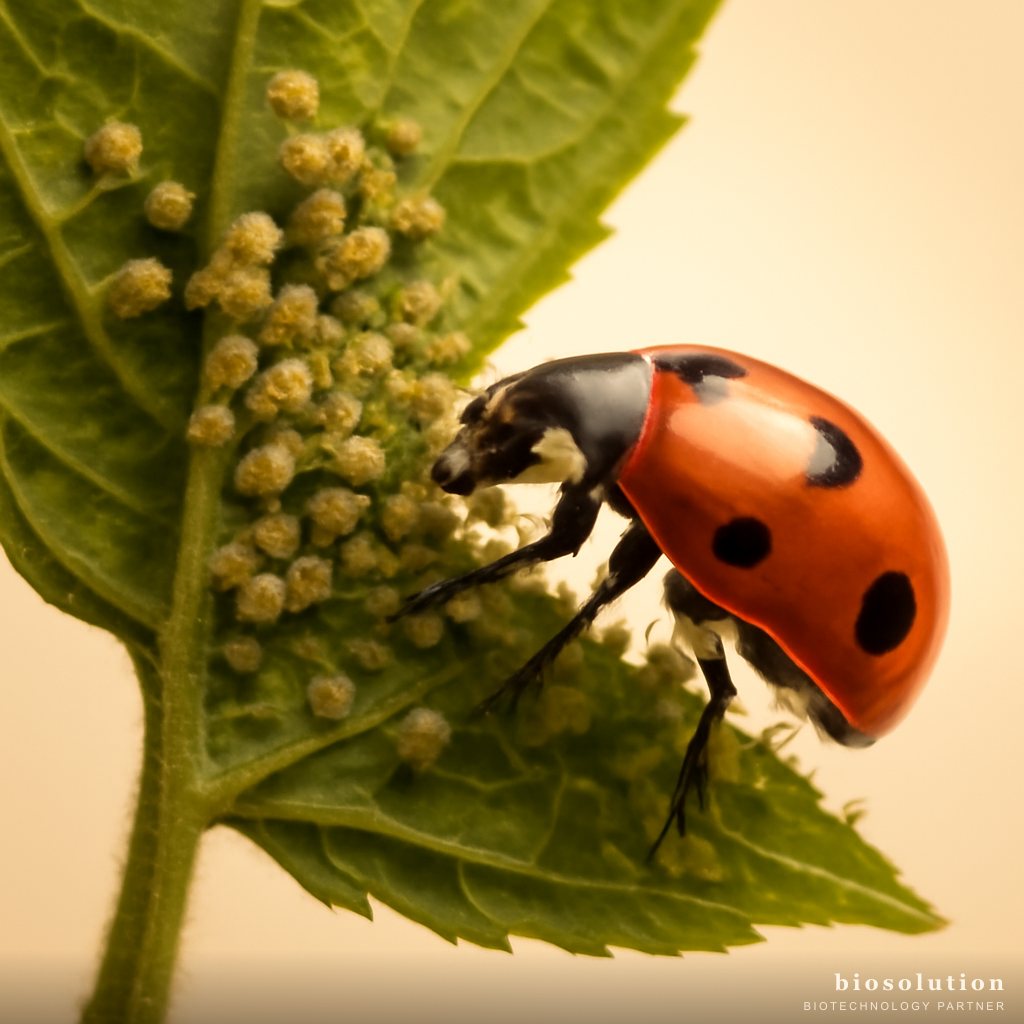
Aphids have natural predators such as ladybugs (Coccinellidae) and syrphid larvae. Synthetic insecticides kill these predators, causing pest populations to explode after application. Biocontrol with entomopathogenic fungi does not affect predators because the fungi only infect certain soft-bodied insects. Thus, the ecosystem remains balanced and natural control continues.
Pest Resistance: A Serious Problem Addressed by Biocontrol
Resistance to synthetic insecticides is widespread. More than 500 insect species are resistant to one or more insecticides (FAO data). Whiteflies and aphids are among the most resistant. The Anti-Aphid & Whitefly Formula uses two fungal strains with different mechanisms, so the risk of resistance is very low. The fungi produce chitinase and protease enzymes that degrade the cuticle, as well as multi-target toxins. Mutations in insects are difficult to overcome this multi-sided attack.
Case Study: Horticultural Farmer Switches to Biocontrol
Mr. Budi, a chili farmer in Sleman, Yogyakarta, complained about whitefly attacks causing leaf curl and yield losses of up to 40%. After using synthetic insecticides alternately, resistance emerged. He then tried the Anti-Aphid & Whitefly Formula at a dose of 3 ml/L water, sprayed under the leaves every 5 days. After 3 applications, the pest population dropped drastically, plants recovered, and yields increased by 25%. He also reported an increase in ladybug populations, which helped natural control.
Proper Application for Maximum Results
Preparation and Spraying Technique
Mix 3 ml of Anti-Aphid & Whitefly Formula per liter of water. Use a pressurized sprayer with a nozzle that can be directed to the underside of leaves. Spray in the afternoon when humidity is high (>70%). Ensure the entire underside of leaves is wet. For plants with dense canopies, adjust the spray distance for optimal penetration.
Frequency and Integration
At high populations, apply every 5 days. After the population drops, the interval can be extended to 7–10 days. Integrate with cultivation practices such as installing plastic mulch to reduce humidity and using yellow traps. Avoid using chemical fungicides simultaneously as they can kill the fungi.
Conclusion
The comparison between the Anti-Aphid & Whitefly Formula and synthetic insecticides shows that biocontrol is superior in terms of sustainability, environmental safety, and resistance management. Although its speed of action is slower, its long-term effects are more stable and ecosystem-friendly. For horticultural farmers seeking an effective and sustainable solution for aphids and whiteflies, this formula is the right choice. Get this product through the Anti-Aphid & Whitefly Formula product page or consult our team via WhatsApp.
FAQ
What is the Anti-Aphid & Whitefly Formula?
The Anti-Aphid & Whitefly Formula is a biopesticide based on entomopathogenic fungi Verticillium lecani and Cordyceps spp. developed by Biosolution. This product is specifically designed to control aphids and whiteflies on horticultural crops. It works by infecting and killing pests naturally, safe for the environment and non-target organisms.
How to apply correctly?
Mix 3 ml of product per liter of water, then spray on the underside of leaves (under leaf) in the afternoon when relative humidity >70%. Repeat every 5 days during high populations, and extend the interval to 7–10 days after the population decreases. Ensure the entire underside of leaves is wet for optimal results.
Is this product safe for plants and natural predators?
Yes, this product is safe because it only infects soft-bodied insects like aphids and whiteflies. It is not harmful to plants, humans, pets, or natural predators such as ladybugs and syrphid larvae. The product is also suitable for organic farming and does not leave harmful residues.
How long does it take to see results?
Pest death effects begin to appear 3–7 days after application, depending on environmental conditions. Maximum efficacy reaches 85% within 7 days for whiteflies. Unlike fast-acting synthetic insecticides, biocontrol takes longer but provides more stable and long-lasting population suppression.
Can this formula be used together with chemical pesticides?
It is best not to mix with chemical fungicides as they can inhibit fungal growth. If chemical pesticide application is necessary, allow a minimum of 3 days before or after applying the formula. For best results, use the formula as part of an integrated pest management (IPM) program that prioritizes biocontrol.