Aphid and Whitefly Control: Biocontrol Formula Application Guide
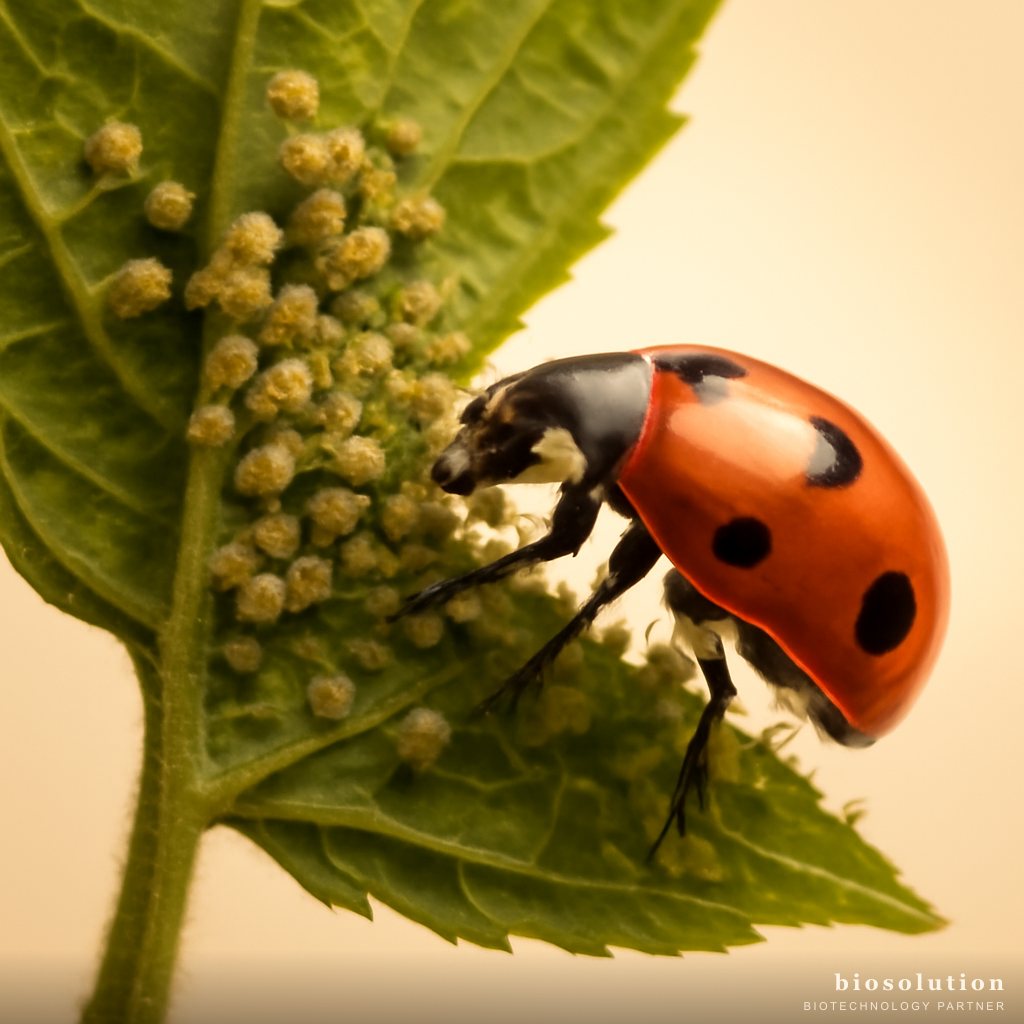
Aphids and whiteflies are major pests of horticultural crops, not only directly damaging leaves but also acting as plant virus vectors. Chemical control often fails due to resistance and negative impacts on natural enemies. Biocontrol solutions using biological agents such as Verticillium lecani and Cordyceps spp. offer an effective alternative. This article technically discusses the application of Biosolution's Anti-Aphid & Whitefly Formula, covering dosage, application timing, frequency, and adjuvant combinations for optimal results.
Mechanism of Action of the Anti-Aphid & Whitefly Formula
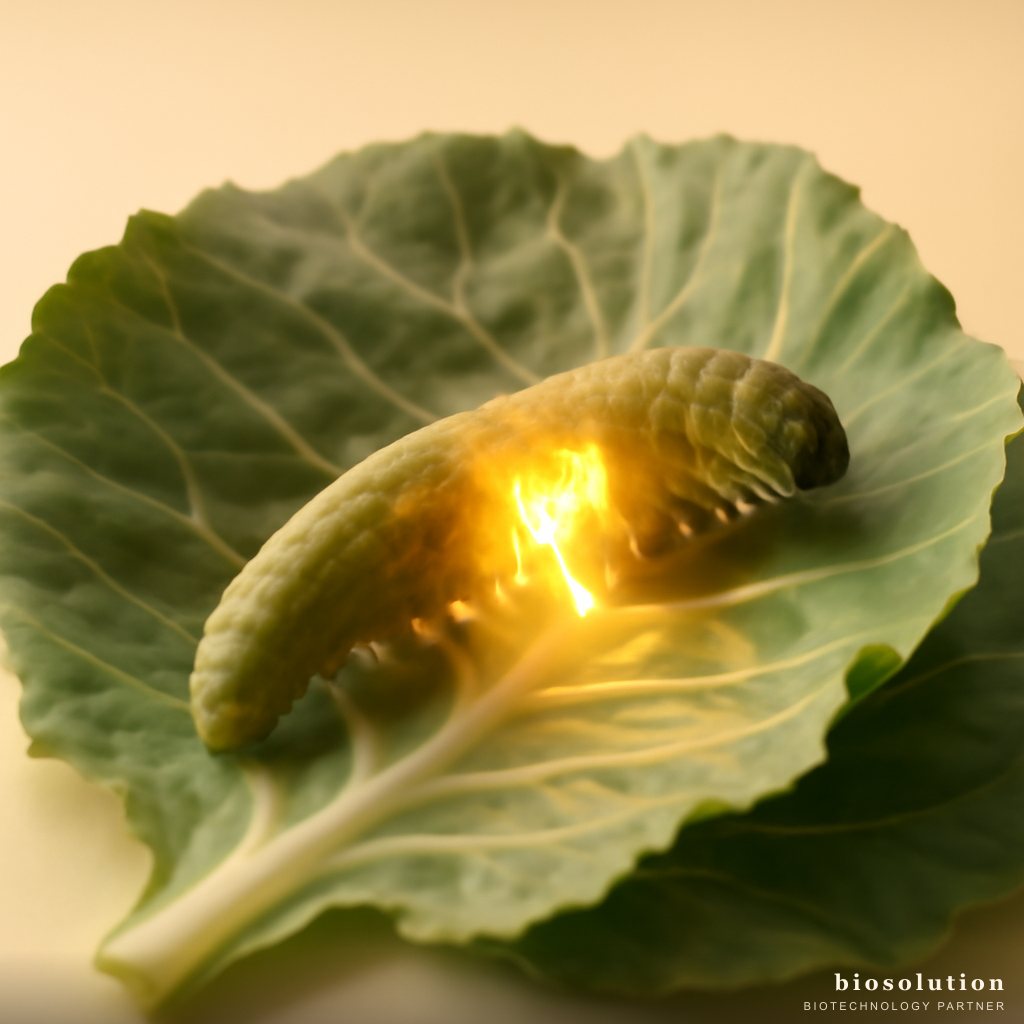
This formula contains two superior entomopathogens: Verticillium lecani and Cordyceps spp.. Verticillium lecani infects soft-bodied insects like aphids and whiteflies by penetrating the insect cuticle, then growing inside the body and producing lethal toxins. Cordyceps spp. works synergistically by infecting host insects through spores that attach to the body surface, then proliferate and deplete host nutrients. Both fungi are specific to target insects and safe for plants, humans, and beneficial insects such as pollinating bees.
The advantage of this formula is its ability to gradually control pest populations without causing secondary pest outbreaks. Fungal spores can persist on leaf surfaces for several days, providing residual effects that extend protection. Moreover, regular use can suppress pest populations below economic thresholds, thereby reducing plant damage and virus transmission.
Proper Dosage and Application Method
The recommended dosage of Anti-Aphid & Whitefly Formula is 3 ml per liter of water. For large-scale application, mix 30 ml of formula into 10 liters of water (10 L knapsack sprayer) or 150 ml for a 50 L tank. Ensure the solution is thoroughly mixed before spraying.
The key application method is under-leaf spraying, as aphids and whiteflies typically reside on the undersides of leaves. Spray the solution evenly until the entire underside of leaves is wet, especially young leaves and shoots which are primary targets. Avoid spraying during strong winds or rain to minimize drift and spore wash-off.
It is important to use a sprayer with sufficient pressure to ensure droplets reach the leaf underside. Cone or adjustable nozzles can be set to produce fine droplets that adhere better. Remember to clean the spray tank after use to prevent cross-contamination with chemical pesticides.
Optimal Application Timing: Afternoon with RH >70%
The success of biocontrol with entomopathogenic fungi heavily depends on relative humidity (RH) and temperature. Spores of Verticillium lecani and Cordyceps spp. require high humidity (RH >70%) to germinate and infect insects. Therefore, the best application time is late afternoon towards evening, when temperatures drop and RH rises. Avoid spraying during hot midday hours as UV rays can damage spores and low RH inhibits germination.
Ideally, apply when the weather is cloudy or after light rain. During the dry season, increase watering frequency around plants to create a humid microclimate. Using organic mulch also helps maintain soil and ambient humidity.
Application Frequency: Every 5 Days During High Populations
For severe infestations, apply the Anti-Aphid & Whitefly Formula every 5 days until the population drops significantly. This interval is based on the fungal life cycle and the time needed to infect and kill the pests. After the first application, effects are usually visible on days 3 to 5, with pests drying up and dying. Reapplication ensures that newly hatched generations are also exposed to spores.
At low populations or for prevention, frequency can be reduced to every 7-10 days. Regular monitoring with yellow traps or direct observation is highly recommended to determine the right application timing. Record pest counts per leaf or per plant to evaluate effectiveness.
Combination with Adjuvants to Enhance Efficacy
Adjuvants can improve spore adhesion, spread, and persistence on leaf surfaces. Some adjuvants compatible with the biocontrol formula include:
- Non-ionic surfactant: Helps reduce water surface tension, allowing the solution to spread more easily and penetrate the leaf wax layer. Use at 0.1-0.2 ml per liter of water.
- Organic sticker: Such as gum arabic or tapioca flour (1-2 grams per liter) can enhance spore adhesion to leaves and pest bodies.
- UV protectant: Plant extracts like aloe vera or molasses (0.5-1 ml per liter) can protect spores from UV rays and provide nutrients for the fungi.
Avoid mixing the formula with chemical pesticides, systemic fungicides, or foliar fertilizers containing heavy metals, as they can inhibit fungal growth. Conduct small-scale compatibility tests before wide application.
Benefits of Using the Anti-Aphid & Whitefly Formula
Regular use of the Anti-Aphid & Whitefly Formula provides several benefits:
- Control of insect-transmitted viruses: Whiteflies and aphids are major vectors of viruses such as geminiviruses and potyviruses. By suppressing pest populations, the risk of virus infection is significantly reduced.
- Reduction of whitefly damage: Whiteflies suck leaf sap and excrete honeydew that promotes sooty mold. This formula stops that cycle.
- Extended economic life of plants: Healthy plants are more productive and can be harvested longer, especially for chili, tomato, and leafy vegetables.
- Safe for organic farming: This formula is organically certified and leaves no harmful residues, suitable for premium markets.
Conclusion
Applying the Anti-Aphid & Whitefly Formula at a dosage of 3 ml per liter of water, sprayed under leaves in the afternoon when RH >70%, and repeated every 5 days during high populations, is an effective biocontrol strategy for managing aphids and whiteflies. Combining with adjuvants such as non-ionic surfactants and organic stickers can enhance efficacy. With this approach, horticultural farmers can reduce reliance on chemical pesticides, maintain ecosystem balance, and produce healthier crops.
For more information or technical consultation, contact the Biosolution team via WhatsApp or see the product Anti-Aphid & Whitefly Formula.