Bactrocera Fruit Fly Control: Case Study of 80% Attack Reduction on Mango and Guava
Fruit flies Bactrocera spp. are a scourge for mango and guava farmers in Indonesia. Their severe attacks can reduce fruit quality to the point of being unfit for export. However, a plantation in East Java successfully controlled Bactrocera fruit flies on mango and guava with an 80% reduction in attacks within one growing season. The secret? A biological formula based on Metarhizium anisopliae applied precisely. This article will thoroughly examine the case study, the mechanism of action, and how you can apply it.
Why Are Bactrocera Fruit Flies Difficult to Control?
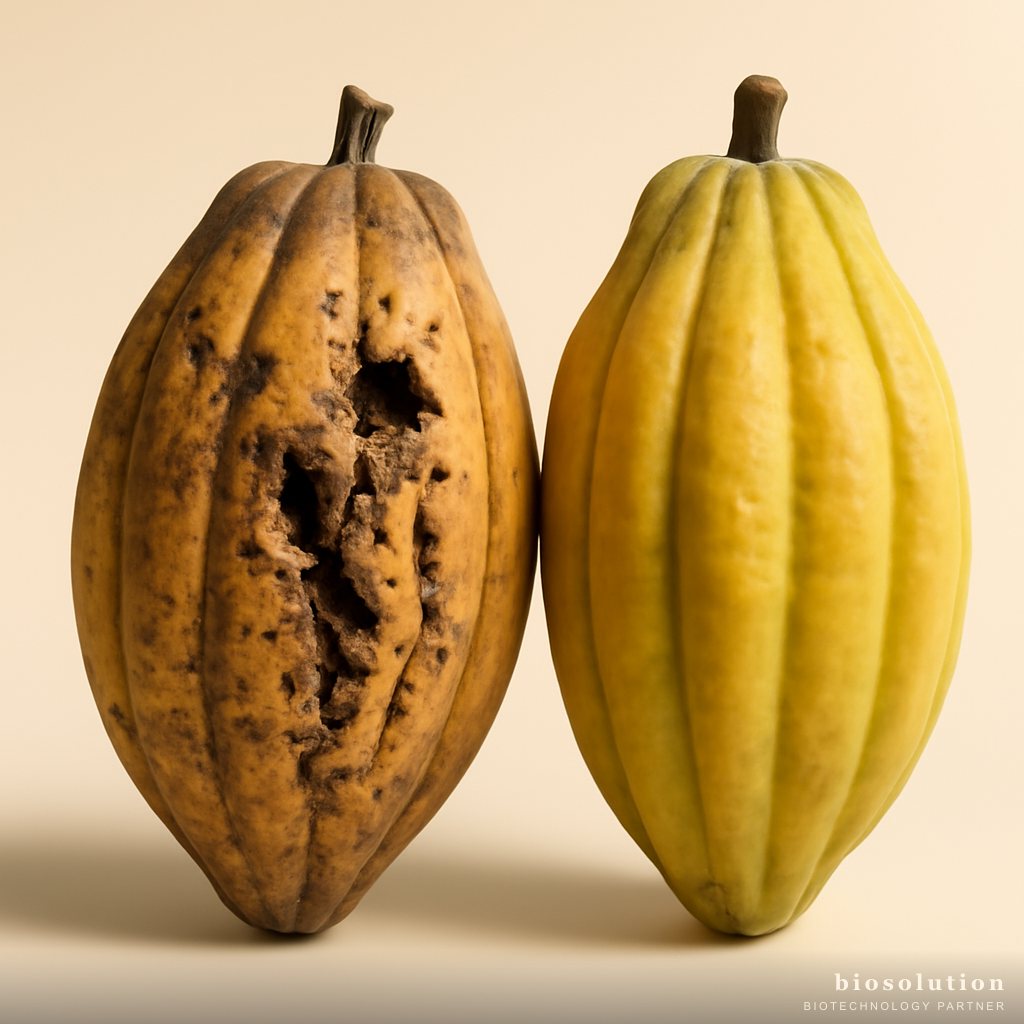
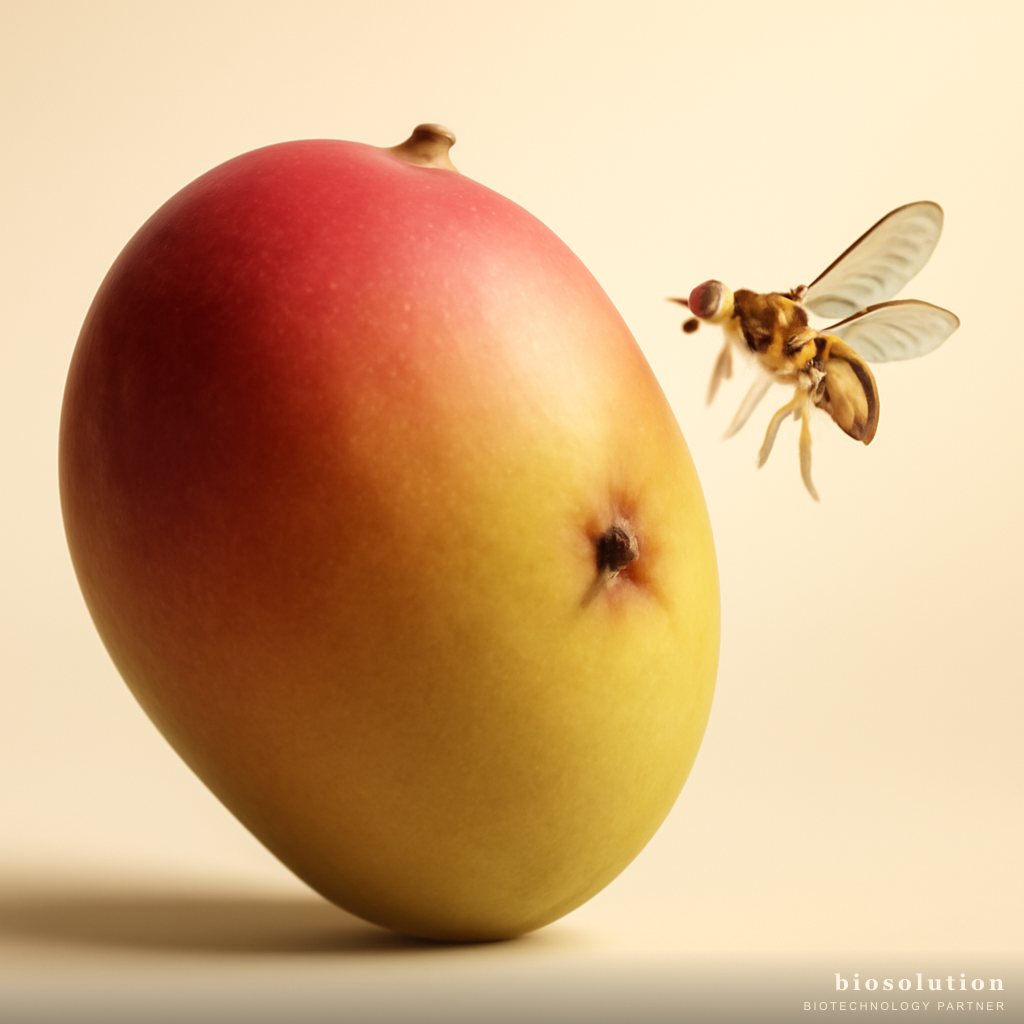
Bactrocera fruit flies have a complex life cycle. Adult females puncture fruit to lay eggs, and the hatching larvae damage the fruit flesh from the inside. Attacks are often not visible until the fruit rots. Chemical control often fails because adult flies are highly mobile and larvae are protected inside the fruit. Additionally, pesticide residues pose a problem for strict export markets.
Rapid Life Cycle
A single life cycle of Bactrocera is only 20-30 days in tropical temperatures. A single female can lay up to 1000 eggs. Populations can explode in a short time if not controlled early.
Pesticide Resistance
Continuous use of chemical insecticides has led to resistance in some Bactrocera populations. As a result, farmers tend to increase doses, which worsens environmental and residue problems.
Anti-Fruit Fly Formula: A Biological Solution Based on Metarhizium anisopliae
Biosolution presents the Anti-Fruit Fly Formula containing the entomopathogenic fungus Metarhizium anisopliae. This fungus naturally infects and kills fruit fly pupae in the soil. By drenching this formula around the tree's root zone, the fruit fly life cycle is broken before they become adults.
Mechanism of Action of Metarhizium anisopliae
Metarhizium anisopliae is a fungus that penetrates the insect cuticle. When fruit fly pupae come into contact with soil containing fungal conidia, the fungus germinates and penetrates the pupal body. Inside the body, the fungus grows and produces toxins that kill the pupa within 3-5 days. The fungus then produces new spores that spread to other pupae, creating an epidemic in the soil.
Advantages of the Biological Formula
- Selective: Only attacks target insects, safe for beneficial insects such as bees and predators.
- Environmentally Friendly: Leaves no harmful residues on fruit.
- Supports Exports: Helps meet maximum residue limits (MRLs) of destination countries.
- Reduces Chemical Attractants: With low fly populations, the need for chemical attractants decreases.
Case Study: Mango and Guava Plantation in East Java
A 10-hectare plantation in Probolinggo Regency, East Java, faced attacks from Bactrocera dorsalis and Bactrocera carambolae on Arumanis mango and crystal guava. Before intervention, attacks reached 45% on mango and 55% on guava. Affected fruit could not be sold fresh and were only processed into low-priced products.
Application Method
Farmers applied the Anti-Fruit Fly Formula at a dose of 5 ml per liter of water, drenching 1 liter per tree to the root zone (1 meter radius from the trunk). Application was done every 30 days in the morning, starting when fruit was 3 weeks old after flowering (after small fruit). Application was stopped 2 weeks before harvest.
Results After 4 Months
- Attack Reduction: Fruit fly attacks on mango dropped from 45% to 9% (80% reduction). On guava, from 55% to 11% (80% reduction).
- Fruit Quality: Affected fruit only had minor puncture wounds without larvae, so they were still suitable for fresh consumption.
- Increased Selling Price: Export-grade fresh fruit prices increased by 30% compared to before.
- Adult Fly Population: Catches in attractant traps decreased by 70%.
Cost-Benefit Analysis
The cost of formula application per hectare per season was approximately IDR 1,500,000 (10 applications x 5 ml x 200 trees). Compared to losses from attacks that could reach IDR 20 million per hectare, this investment is highly profitable. Additionally, savings from reduced chemical pesticides are significant.
Proper Application for Maximum Results
Application of the Anti-Fruit Fly Formula must be targeted. Here is a step-by-step guide:
Preparation
- Clean the root zone area of weeds and rotten fruit residues.
- Mix 5 ml of formula into 1 liter of water, stir until homogeneous.
- Use a knapsack sprayer or watering can.
Application Timing
- Morning or Evening: Avoid direct sunlight that can kill fungal spores.
- Frequency: Every 30 days during the fruiting season. Start when fruit is small until 2 weeks before harvest.
- Soil Condition: Application is more effective if the soil is moist, e.g., after rain or irrigation.
Dosage per Tree
- 1 liter of solution per tree for mature trees (canopy diameter >3 m).
- 0.5 liters for young trees.
- Drench evenly over the root zone soil surface.
Integration with Other Control Methods
The biological formula is most effective when combined with integrated pest management (IPM) practices:
Orchard Sanitation
- Collect and destroy fallen infested fruit. Bury them in a 30 cm deep soil pit.
- Prune dense branches to reduce humidity.
Attractant Traps
- Use methyl eugenol or cue-lure traps to monitor adult fly populations. If catches exceed 5 flies per trap per week, formula application should be increased.
Natural Enemies
- Protect parasitoids such as Fopius arisanus and predatory ants Oecophylla smaragdina by reducing chemical insecticides.
- Plant flowering plants as alternative food sources.
FAQ
Is the Anti-Fruit Fly Formula safe for fruit to be consumed?
Very safe. This formula only contains entomopathogenic fungi that are not pathogenic to humans or animals. There are no chemical residues on the fruit. This product can be used in organic farming and helps meet export standards.
How long does the formula's effect last in the soil?
Metarhizium anisopliae can survive up to 3 months in moist soil with neutral pH. However, reapplication every 30 days is recommended to maintain high fungal populations, especially during peak fruit fly season.
Is this formula effective against all types of fruit flies?
Yes, Metarhizium anisopliae has a broad spectrum against various soil insects, including pupae of Bactrocera dorsalis, B. carambolae, and B. cucurbitae. However, effectiveness is highest against Bactrocera spp. whose pupae are in the soil.
What if application is done during rain?
It is best to avoid application during heavy rain because spores can be washed away. Application after rain stops or when the soil is moist is better. Ensure there is no excessive waterlogging.
Conclusion
The case study above proves that controlling Bactrocera fruit flies on mango and guava biologically is not only possible but also profitable. With the Anti-Fruit Fly Formula based on Metarhizium anisopliae, you can reduce attacks by up to 80%, improve fruit quality, and open access to export markets. For further consultation on dosage and application suitable for your orchard conditions, contact the Biosolution team via WhatsApp. Get better harvests with an environmentally friendly solution.
This article is written based on data from Biosolution product composition and field case studies. Results may vary depending on environmental conditions and application compliance.