Beauveria Bassiana Spray Dosage: 5 Effective Formulas from Plantation Case Studies
The use of Beauveria bassiana as a biological agent is increasingly popular among farmers who want to reduce dependence on chemical pesticides. However, application success heavily depends on the correct Beauveria bassiana spray dosage and appropriate spraying schedule. Without the right dosage, efficacy can drop drastically, even below 50%. This article presents five field-tested application formulas based on plantation case studies that successfully suppressed pest populations by up to 80%.
Why Is Beauveria Bassiana Spray Dosage Crucial?
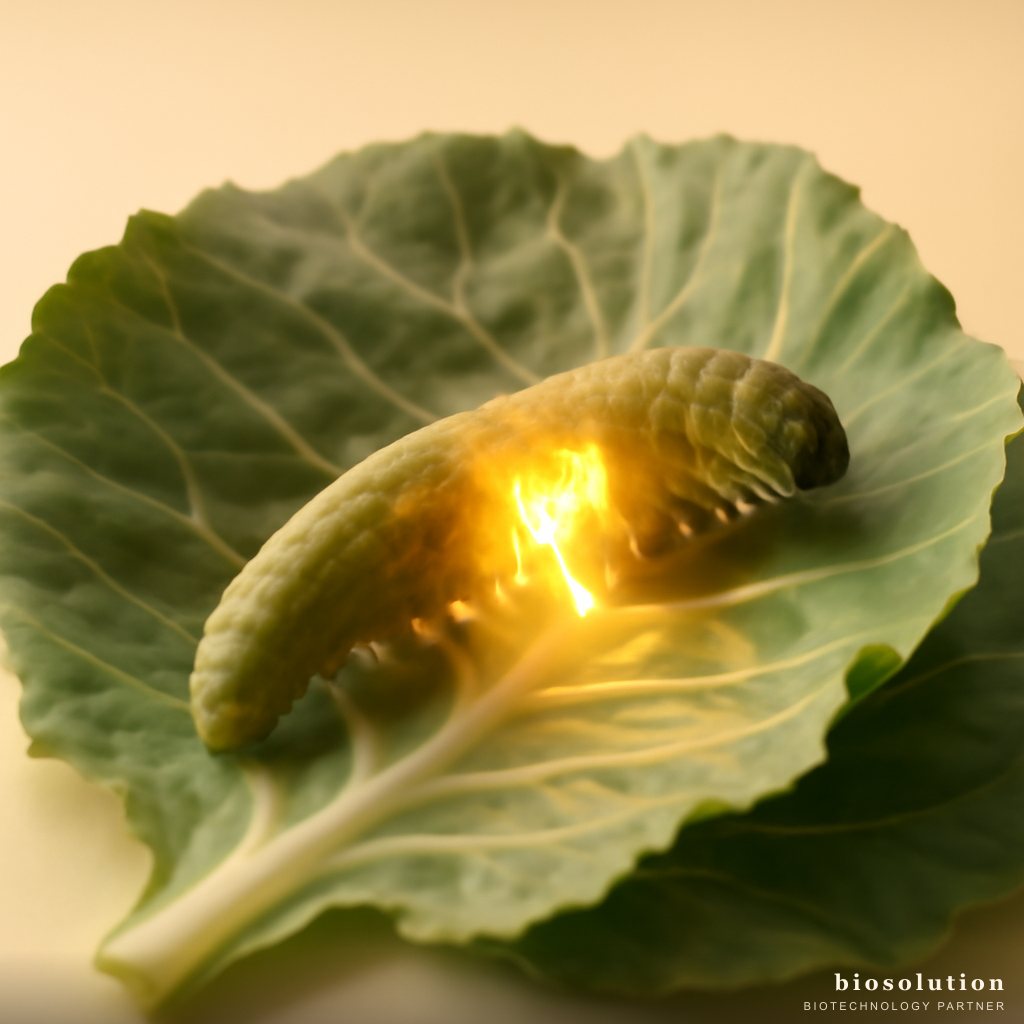
Beauveria bassiana is an entomopathogenic fungus that infects insects through direct contact of spores with the cuticle. Spores then germinate, penetrate the host's body, and multiply inside, causing death within 3–7 days. For this process to be optimal, sufficient spore concentration must reach the target. Too low a dosage results in weak infection, while excessive dosage is inefficient and wasteful.
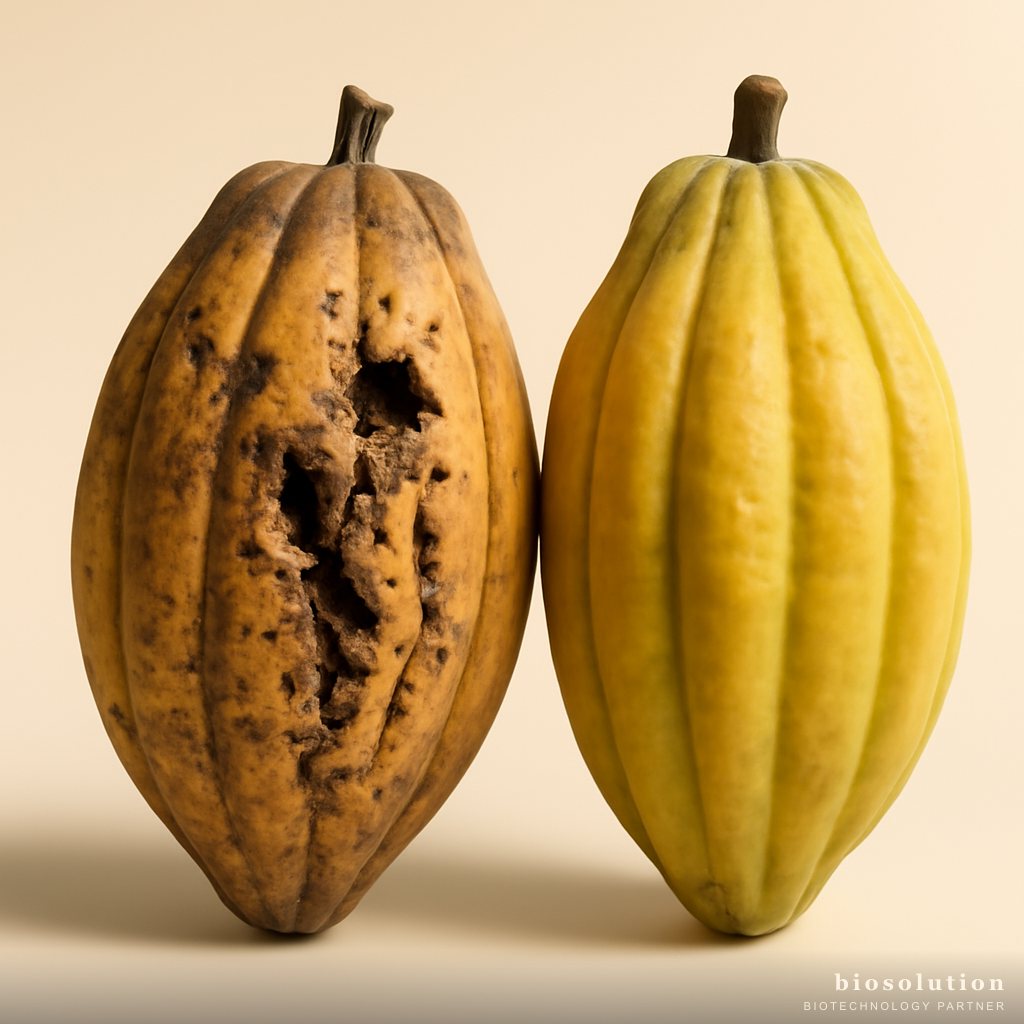
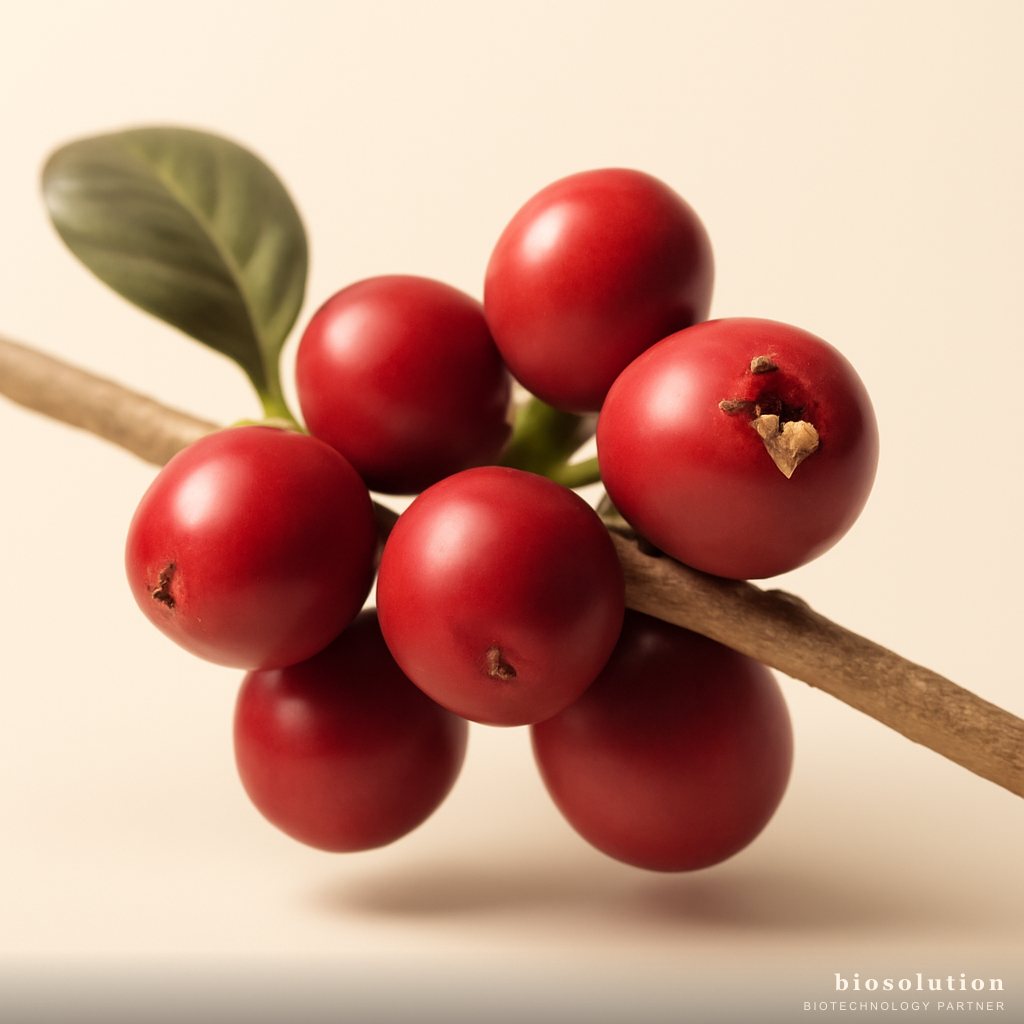
In practice, the recommended dosage for liquid Beauveria bassiana products is 2–3 ml per liter of water, or 3–5 grams per liter for wettable powder (WP) formulations. However, this dosage can be adjusted based on infestation level, pest type, and environmental conditions. Case studies in coffee and cocoa plantations showed that with a dosage of 3 ml/L and regular application every 7–10 days, coffee berry borer (CBB) mortality reached 80–85%.
5 Application Formulas for Beauveria Bassiana Spray from Case Studies
Formula 1: Standard Dosage for Leaf Pests (Caterpillars, Aphids)
For soft-bodied pests like caterpillars and aphids, a dosage of 2 ml/L water is sufficiently effective. Application is done in the afternoon (3:00–5:00 PM) when humidity is above 70%. In a case study on chili crops, this formula suppressed aphid populations by up to 78% within 2 weeks. Frequency: every 7 days.
Formula 2: High Dosage for Hard Pests (Stem Borers, Beetles)
Pests like stem borers and beetles have thicker cuticles, requiring a higher dosage: 3 ml/L water. In sugarcane plantations, application of Beauveria bassiana at this dosage controlled stem borers by up to 82%. Spraying is focused on stems and plant bases, repeated every 10 days.
Formula 3: Combination with Metarhizium anisopliae for Broad Spectrum
Biosolution's Broad Spectrum Biological Insecticide Formula contains Beauveria bassiana and Metarhizium anisopliae. This combination is effective against mixed pests like cutworms and beetles. Dosage: 2.5 ml/L, application every 7–10 days. A case study in potato plantations showed 85% efficacy against cutworms.
Formula 4: Preventive Application in the Rainy Season
During the rainy season, high humidity supports fungal infection. The dosage can be reduced to 1.5–2 ml/L for prevention. Schedule: every 14 days. In cocoa plantations, this formula reduced cocoa pod borer attacks by up to 70% compared to untreated plots.
Formula 5: Rotation with Other Biological Agents to Prevent Resistance
Although resistance to Beauveria bassiana is rare, rotation with Metarhizium anisopliae or Lecanicillium lecanii is recommended. Dosage remains 2–3 ml/L, alternating every 2 weeks. In mango plantations, this rotation maintained efficacy above 80% throughout one growing season.
Case Study: Coffee Plantation Successfully Suppressing Pests by 80%
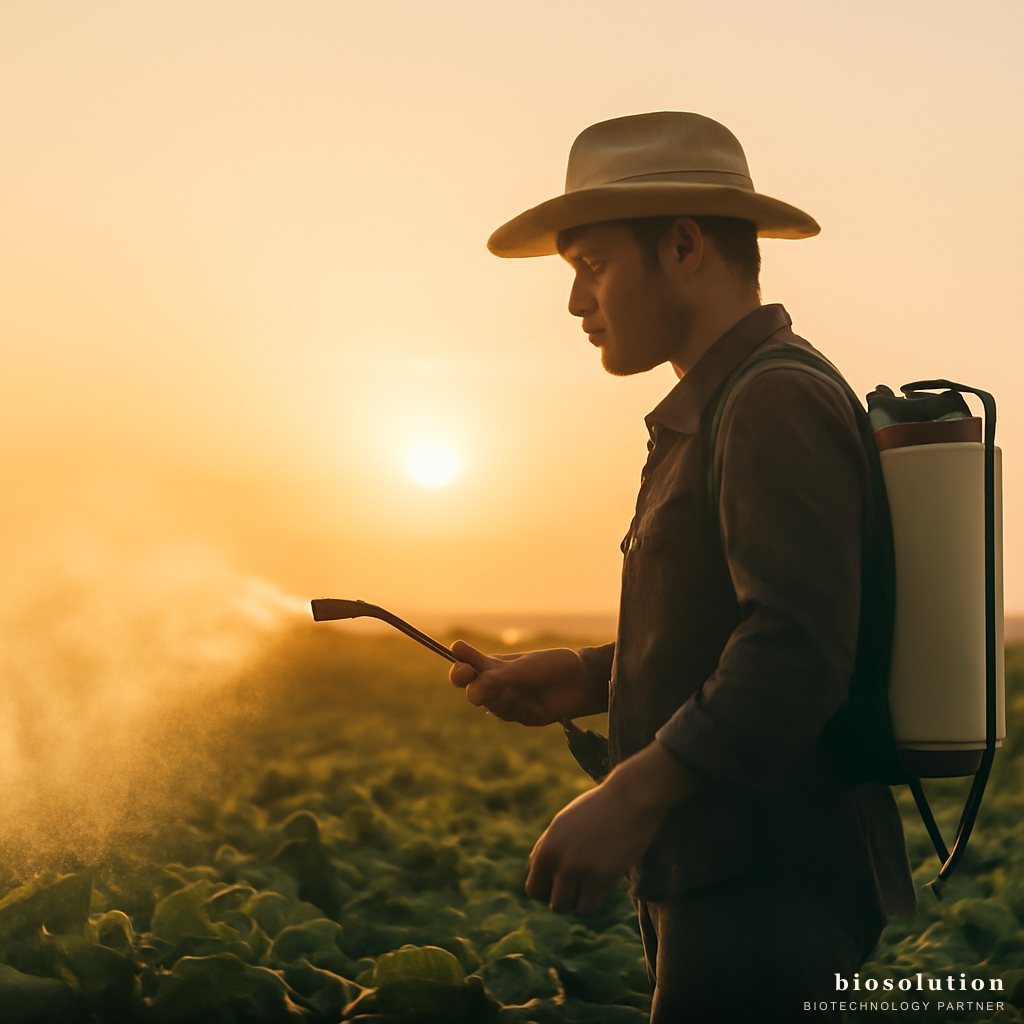
A coffee plantation in East Java experienced severe coffee berry borer (CBB) infestation. After applying Beauveria bassiana spray dosage of 3 ml/L every 10 days for 2 months, CBB populations dropped from 45% to 9% (an 80% reduction). Key success factors: even spraying across the entire canopy, especially the underside of leaves, and afternoon application. Farmers also added a natural adhesive to improve spore adhesion.
Mechanism of Action of Beauveria bassiana in Pest Control
Beauveria bassiana works through several stages:
- Spore attachment to the insect cuticle.
- Germination and penetration using protease and chitinase enzymes.
- Mycelial growth inside the host body, damaging tissues.
- Toxin production (beauvericin) that weakens the insect's immune system.
- Sporulation on the cadaver, releasing new spores to infect other insects.
This process requires high humidity (>70%) and temperatures of 20–30°C. That is why afternoon application is highly recommended.
Tips for Maximizing Beauveria bassiana Efficacy
- Best time: Afternoon (3:00–5:00 PM) or during cloudy weather.
- Humidity: Ensure RH >70%. If too dry, spray water first.
- Water pH: Use clean water with pH 6–7. Water that is too acidic or alkaline can reduce spore viability.
- Storage: Store the product in a cool, dry place (4–10°C). Avoid direct sunlight.
- Reapplication: Repeat every 7–10 days if pest populations remain high.
Conclusion
Applying the correct Beauveria bassiana spray dosage, combined with a regular application schedule, can naturally suppress pest populations by up to 80%. Biosolution's Broad Spectrum Biological Insecticide Formula, containing Beauveria bassiana and Metarhizium anisopliae, provides a practical solution with proven efficacy. For optimal results, adjust the dosage according to pest type and field conditions.
Interested in trying? Consult your needs with the Biosolution team via WhatsApp or see product details here.
FAQ
What is the recommended Beauveria bassiana spray dosage?
The standard dosage for liquid products is 2–3 ml per liter of water, and 3–5 grams per liter for powder formulations. For hard-bodied pests like beetles, use a dosage of 3 ml/L. Ensure even application to all parts of the plant.
When is the best time to spray Beauveria bassiana?
The best time is in the afternoon (3:00–5:00 PM) when air humidity is above 70%. Avoid spraying during scorching sun because UV rays can kill spores. Application during cloudy weather is also effective.
Is Beauveria bassiana safe for humans and animals?
Yes, Beauveria bassiana is safe for humans, animals, and the environment. This product leaves no harmful residues on harvested crops. However, it is recommended to use a mask and gloves during application to avoid irritation.
How long does Beauveria bassiana take to work after spraying?
After spores attach to the insect, the infection process takes 3–7 days. Infected insects usually die within 4–10 days. In humid conditions, insect cadavers will be covered with white mycelium and produce new spores.
Can Beauveria bassiana be mixed with chemical pesticides?
It is best not to mix with fungicides or bactericides as they can kill fungal spores. However, it can be combined with botanical insecticides or adhesives. Conduct a compatibility test first if you wish to mix.