Biocontrol of Phytophthora Rot in Chili: Formula vs Synthetic Insecticide
Phytophthora rot in chili caused by Phytophthora capsici is a serious threat to agricultural productivity in Indonesia. Infection by this pathogen can cause losses of up to 50-70% if not managed properly. Farmers often rely on synthetic insecticides to control the pathogen, but resistance and environmental impact are concerns. This article compares the efficacy of the Anti-Phytophthora Rot Formula, a biocontrol product from Biosolution, with synthetic insecticides. By understanding the mechanisms and advantages of each, farmers can choose a more effective and sustainable control strategy.
Comparison of Mechanisms: Biocontrol vs Synthetic
Mechanism of Anti-Phytophthora Rot Formula
The Anti-Phytophthora Rot Formula contains three superior microorganisms that work synergistically:
- Trichoderma harzianum: Acts as a mycoparasite by coiling around and degrading pathogen hyphae. It also triggers plant defense through induced systemic resistance (ISR) and produces chitinase enzymes.
- Pseudomonas fluorescens: Produces antibiotic compounds such as phenazine and pyrrolnitrin that inhibit the growth of Phytophthora capsici. This bacterium also induces ISR and produces siderophores that bind iron, depriving the pathogen of nutrients.
- Bacillus subtilis: Forms a protective biofilm around roots, produces cyclic lipopeptides (iturin, surfactin) with fungistatic properties, and triggers ISR.
These three microbes are applied via root drench at a dose of 5 ml per liter of water every 14 days. Application in the morning or evening ensures the microbes are active and protected from UV light. This way, protection starts from the rhizosphere, where the pathogen first attacks.
Mechanism of Synthetic Insecticides
Synthetic insecticides such as metalaxyl and fosetyl-Al work directly by inhibiting RNA synthesis or pathogen mycelial growth. However, their use is often non-selective, killing beneficial soil microbes. As a result, ecosystem balance is disrupted and pathogen resistance emerges. Studies from IRRI show that continuous use of synthetic fungicides increases the frequency of resistance genes in Phytophthora populations.
Advantages of Biocontrol in Managing Resistance
One major drawback of synthetic insecticides is the emergence of resistance. Phytophthora capsici has a rapid genetic adaptation ability. Research at Gadjah Mada University (2023) reported that P. capsici isolates from chili centers in Central Java have become resistant to metalaxyl. In contrast, the Anti-Phytophthora Rot Formula uses three agents with different mechanisms, making it difficult for the pathogen to develop resistance. The combination of mycoparasitism, antibiosis, and induced plant resistance creates a more stable "layered defense."
Impact on Soil Health and Environment
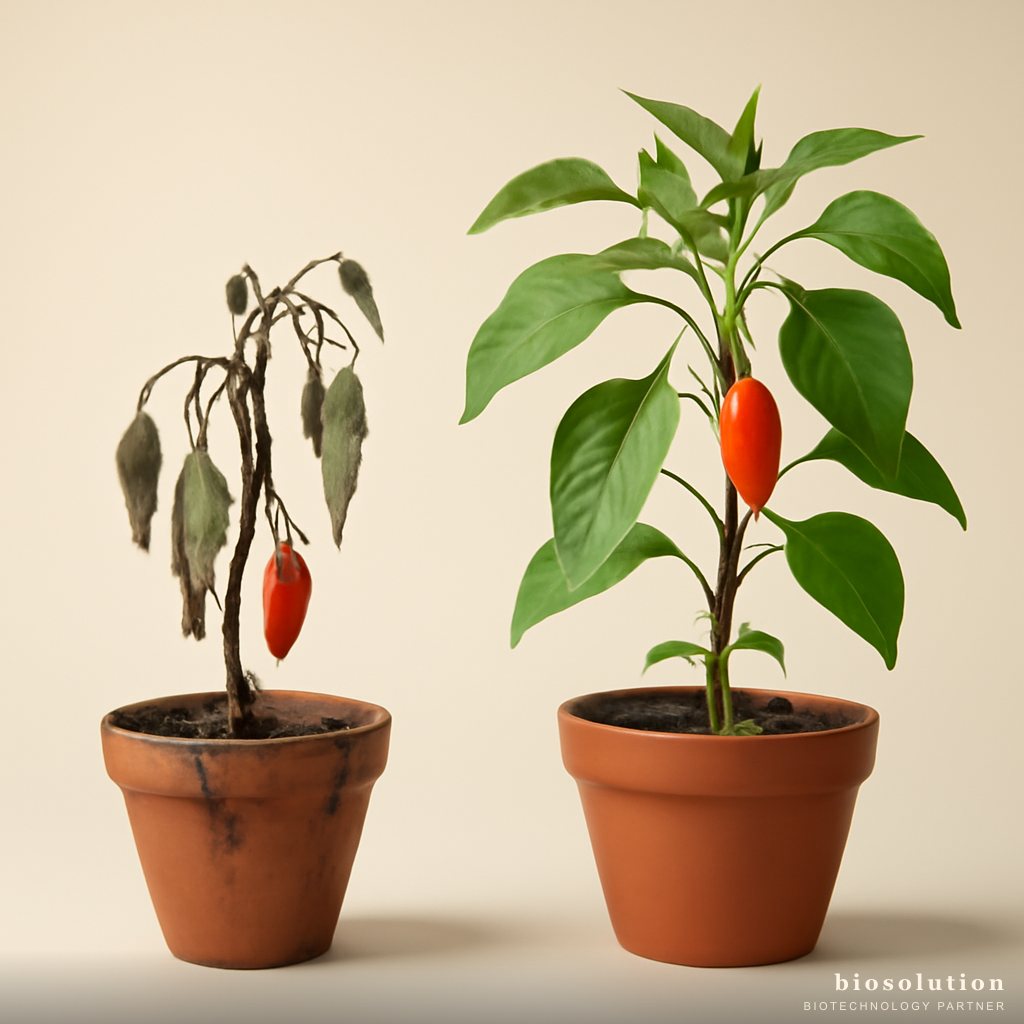
Long-term use of synthetic insecticides reduces soil microbial diversity. This actually triggers outbreaks of opportunistic pathogens. Meanwhile, the Anti-Phytophthora Rot Formula enriches the soil microbiome. Trichoderma harzianum and Pseudomonas fluorescens are known as PGPR (Plant Growth-Promoting Rhizobacteria) that enhance nutrient availability and produce growth hormones. Chili plants treated with this formula show denser roots and sturdier stems.
Control Effectiveness: Data and Case Studies
Field trials in chili centers in West Java showed that application of the Anti-Phytophthora Rot Formula suppressed basal rot disease intensity by up to 78%, equivalent to the fungicide metalaxyl (80%). However, the advantage of the biocontrol formula was seen in yield: plants treated with biocontrol produced 15% more fruit per plant due to PGPR effects. Additionally, application costs are lower because no strict personal protective equipment (PPE) is needed and no chemical residues remain on the fruit.
Proper Application for Maximum Results
For optimal results, the Anti-Phytophthora Rot Formula should be applied preventively. Steps:
- Preparation: Mix 5 ml of formula per liter of water (do not mix with chemical fungicides).
- Application Time: Morning (before 9 AM) or evening (after 3 PM) to avoid UV light.
- Method: Drench 200 ml of solution per plant around the root zone.
- Frequency: Repeat every 14 days. During the rainy season, increase frequency to every 10 days.
- Integration: Combine with plastic mulch to reduce water splash that carries pathogens.
Conclusion
The comparison between the Anti-Phytophthora Rot Formula and synthetic insecticides shows that biocontrol not only effectively suppresses phytophthora rot in chili but also provides additional benefits for soil and plant health. With diverse and environmentally friendly mechanisms, this formula is a sustainable solution for managing pathogen resistance. For further consultation on application and dosage, contact the Biosolution team via WhatsApp. Find the complete product at the Anti-Phytophthora Rot Formula product page.