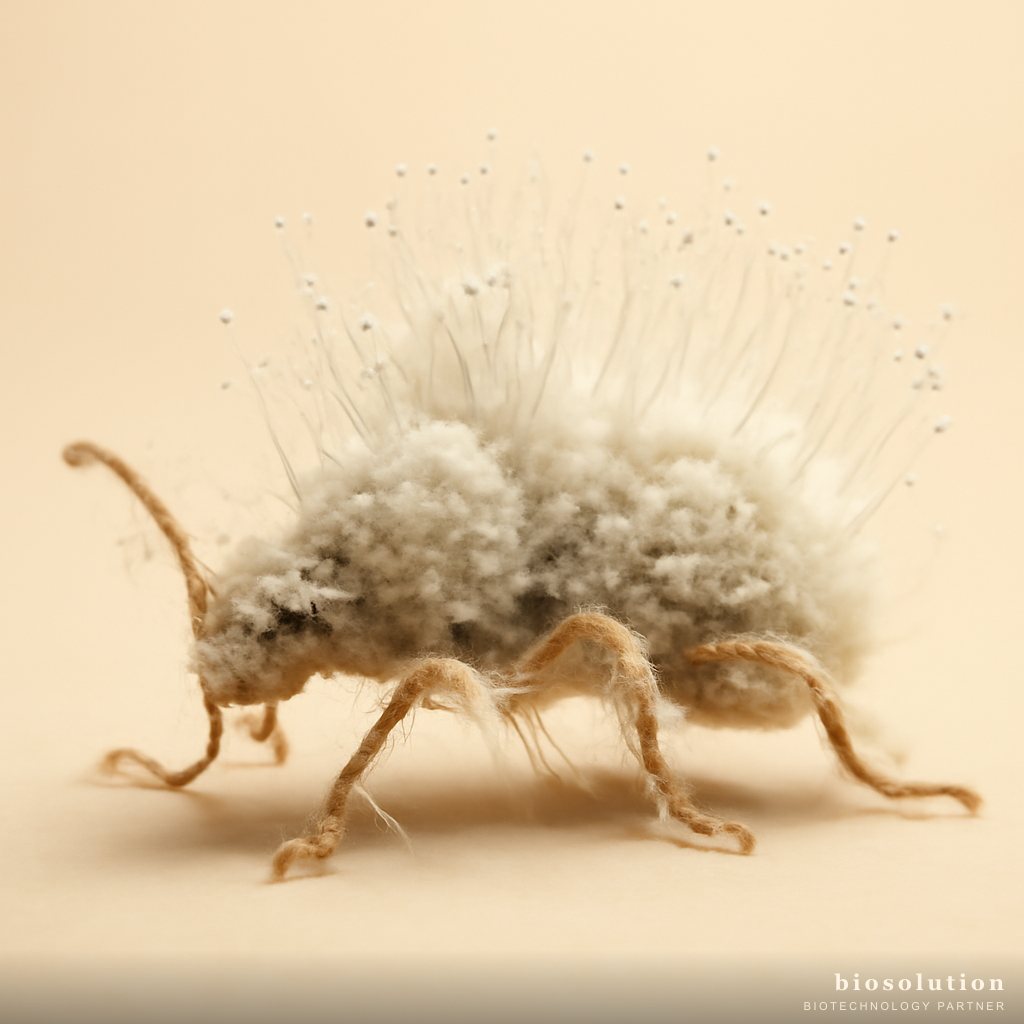
Broad-Spectrum Biological Insecticide: Beauveria & Metarhizium for Export Biocontrol
In the era of modern agriculture, the demand for clean, chemical residue-free agricultural products is increasing, especially for export commodities. Farmers face the challenge of controlling common insect pests—from caterpillars, beetles, to planthoppers—without leaving synthetic pesticide traces on harvests. Broad-spectrum biological insecticides are the answer to this need. By utilizing two superior entomopathogenic fungi, Beauveria bassiana and Metarhizium anisopliae, this product provides effective protection while meeting stringent global market standards. This article will thoroughly explore how the combination of these two microbes works, its application in integrated pest management (IPM) programs, and its role in supporting export certification.
What is a Broad-Spectrum Biological Insecticide?
Biological insecticides are pesticides derived from living organisms—such as fungi, bacteria, or viruses—that naturally control pest populations. Unlike chemical insecticides that are narrow or broad-spectrum but leave harmful residues, broad-spectrum biological insecticides can infect various types of insect pests without contaminating harvests. This product is designed to control common insect pests on various commodities, from rice, corn, vegetables, to plantation crops.
The concept of broad-spectrum in a biological context means the formulation is effective against more than one insect order. Beauveria bassiana is known to be effective against soft-bodied insects such as caterpillars, planthoppers, and aphids. Meanwhile, Metarhizium anisopliae excels in controlling beetles, beetle larvae, and cutworms. The combination creates synergy that expands the range of target pests. In other words, one application covers many pest types, so farmers do not need to use several different products.
Mechanism of Action of Beauveria bassiana and Metarhizium anisopliae
The advantage of this biological insecticide lies in its unique and environmentally friendly mode of action. Both entomopathogenic fungi infect insects through direct contact. The following are the stages of the mechanism of action common to Beauveria bassiana and Metarhizium anisopliae:
- Attachment of spores to the insect cuticle: Spores (conidia) sprayed onto plants attach to the insect's body surface. The insect cuticle, containing chitin and protein, is the initial target.
- Enzymatic penetration: The fungi produce enzymes such as proteases, chitinases, and lipases that break down the cuticle, allowing hyphae to enter the insect's body.
- Mycelial growth in the hemolymph: Once inside, the fungi thrive in the insect's body fluid (hemolymph), absorbing nutrients and producing toxins that weaken the host.
- Death and sporulation: The insect dies within 3–7 days after infection. Under humid conditions, mycelium emerges from the carcass and forms new spores ready to infect other insects (secondary infection).
This process breaks the pest's life cycle without leaving chemical residues. Since no synthetic compounds accumulate, the product is safe for workers, consumers, and the environment.
Advantages of the Combination Formula for Integrated Pest Management
Integrated Pest Management (IPM) is an ecological approach that prioritizes agroecosystem balance. Broad-spectrum biological insecticides align perfectly with IPM principles because:
- Effective without harming natural enemies: Entomopathogenic fungi are relatively specific to insect pests and harmless to natural predators such as spiders, ground beetles, or parasitoids.
- Reduces resistance: The multi-enzymatic mechanism makes it difficult for pests to develop resistance, unlike chemical insecticides that often fail due to resistance.
- Compatible with other biopesticides: Can be combined with Bacillus thuringiensis or other biological agents in rotation programs.
- Environmentally friendly: Leaves no residues in soil or water, thus safe for non-target organisms.
In practice, farmers can integrate this product with healthy cultivation techniques, such as using resistant varieties, field sanitation, and pest population monitoring. Thus, dependence on chemical pesticides can be drastically reduced.
Proper Application: Dosage, Timing, and Method
To achieve 80–85% efficacy against target pests, application must be done correctly. The following technical guidelines are based on Biosolution product composition:
- Formulation type: Available in liquid (concentrate) or wettable powder (WP) form.
- Dosage: For liquid formulation, use 2–3 ml per liter of water. For WP form, dosage is 3–5 grams per liter of water.
- Spray volume: Adjust to plant canopy, generally 400–600 liters per hectare.
- Application timing: Apply in the afternoon when humidity is high (RH >70%). Optimal temperature is 25–30°C. Avoid spraying during intense heat or heavy rain.
- Frequency: Repeat every 7–10 days if pest population remains high. During the dry season, intervals can be extended.
- Method: Spray evenly over all plant parts, especially the underside of leaves where pests often hide. Ensure spores contact the insect's body.
By following these guidelines, farmers can maximize biocontrol potential and keep plants healthy.
Role of Biological Insecticides in Residue-Free Export Programs
One of the main obstacles to exporting Indonesian agricultural products is the strict maximum residue limits (MRLs) for chemical pesticides in destination countries such as the European Union, Japan, and the United States. The use of broad-spectrum biological insecticides is a strategic solution because:
- Zero chemical residues: This product leaves no synthetic residues on harvests, thus passing export laboratory tests.
- Facilitates certification: Makes it easier for farmers to obtain organic or GlobalGAP certification that requires the use of biological inputs.
- Increases competitiveness: Residue-free agricultural products have higher market value internationally.
- Sustainability: This practice maintains long-term soil and ecosystem health, supporting sustainable agriculture.
Many farmer groups in Java and Sumatra have successfully applied this product for export commodities such as mango, chili, and tea. Their harvests are accepted without residue issues.
Conclusion
Broad-spectrum biological insecticides based on Beauveria bassiana and Metarhizium anisopliae are the right choice for farmers who want to control pests effectively, environmentally friendly, and support export programs. With 80–85% efficacy, natural mechanisms of action, and compatibility with IPM, this product helps reduce dependence on chemical pesticides while meeting residue-free standards. For optimal results, apply according to recommended dosage and timing. If you are interested in implementing this technology, consult your specific land needs with Biosolution expert team via WhatsApp or see the product Biological Pest Control Formula for more information.