Broad-Spectrum Biological Insecticide: Effectiveness of Beauveria + Metarhizium in Pest Control
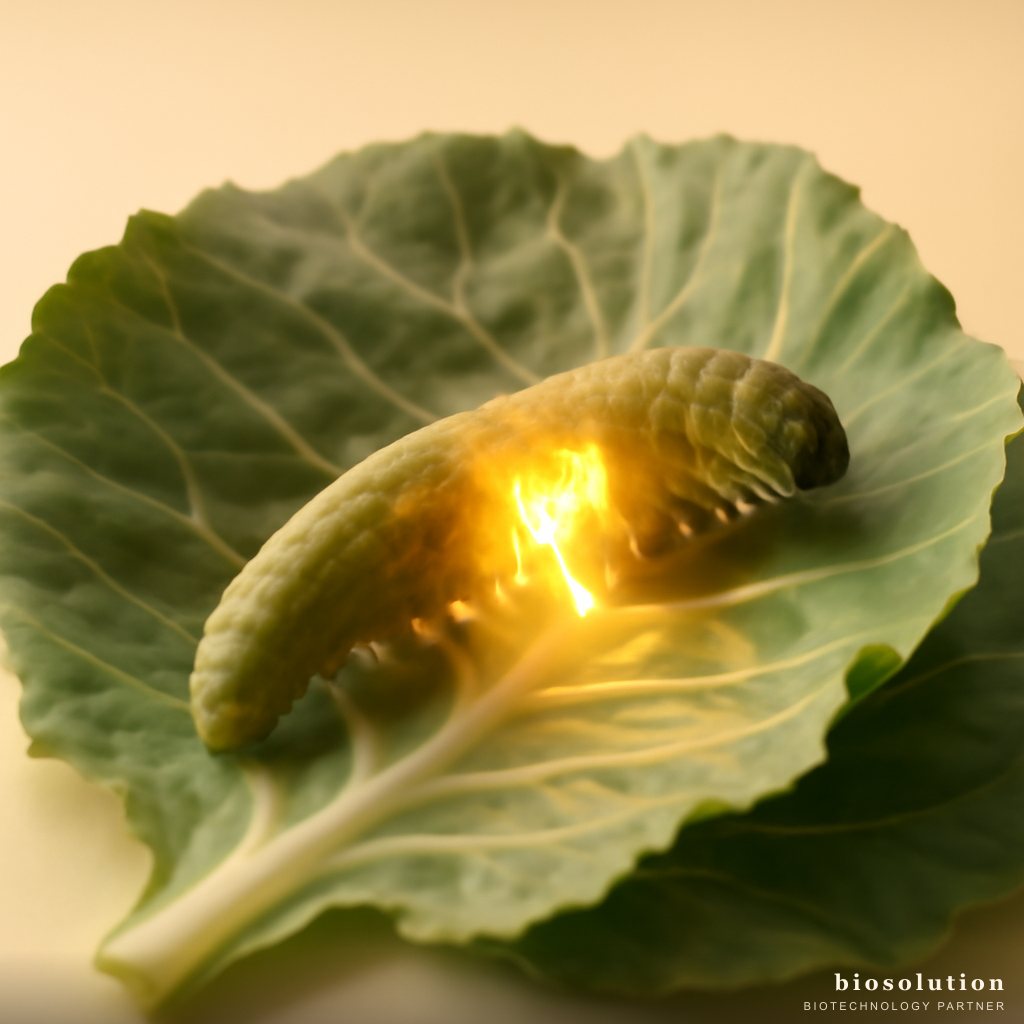
Broad-spectrum biological insecticides are now a key solution for farmers who want to effectively control various types of insect pests without leaving chemical residues on crops. The combination of two entomopathogenic fungi, Beauveria bassiana and Metarhizium anisopliae, offers efficacy of up to 80–85% against target pests such as caterpillars, beetles, and soft-bodied insects. This article presents a plantation case study that successfully suppressed pests using a broad-spectrum biological insecticide of Beauveria + Metarhizium by 80%, complete with application guidelines and its benefits in Integrated Pest Management (IPM) programs.
Why Broad-Spectrum Biological Insecticides Are Needed?
Continuous use of synthetic chemical insecticides has caused various problems: pest resistance, resurgence, residues on agricultural products, and environmental pollution. Modern farmers need more environmentally friendly yet effective solutions. Broad-spectrum biological insecticides provide the answer, with the ability to control various types of pests in a single application. Products like Biological Pest Control Formula from Biosolution combine Beauveria bassiana and Metarhizium anisopliae to provide comprehensive plant protection.
Key Advantages of Broad-Spectrum Biological Insecticides
- High efficacy: 80–85% against target pests.
- Residue-free: Safe for consumers and exports.
- IPM compatible: Can be integrated with other biological agents.
- Safety: Non-toxic to humans, animals, and beneficial insects.
Mechanism of Action of Beauveria bassiana and Metarhizium anisopliae
Both fungi work through complementary mechanisms:
Beauveria bassiana
- Spore attachment: Conidia spores attach to the soft cuticle of insects.
- Enzymatic penetration: Protease and chitinase enzymes dissolve the cuticle, allowing hyphae to enter the host body.
- Mycelial growth: Mycelium develops in the hemolymph, disrupting the insect's physiological systems.
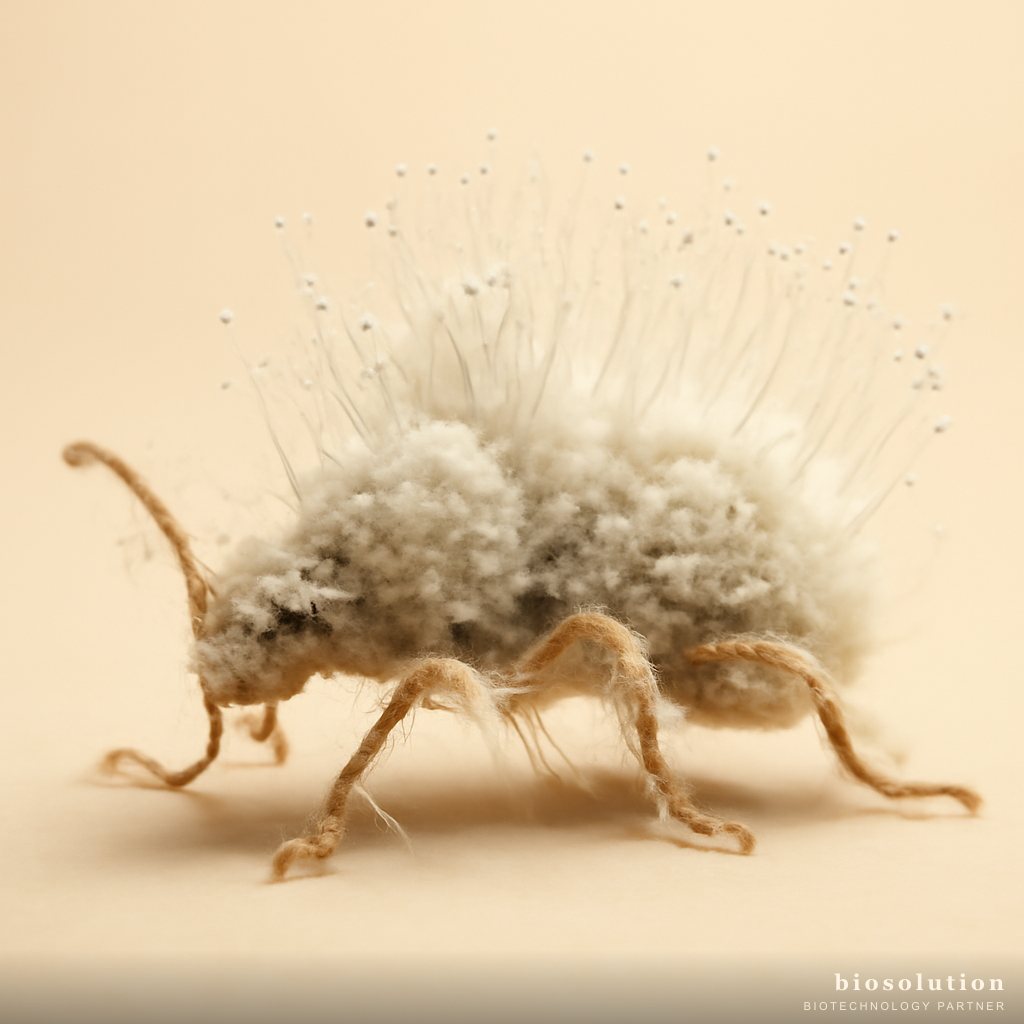
- External sporulation: After the insect dies, mycelium emerges and forms new spores, infecting other nearby insects.
Metarhizium anisopliae
- Attachment and penetration: Spores attach to the cuticle of beetles and soil caterpillars, then penetrate with mechanical pressure and enzymes.
- Toxin production: Produces destruxins and other toxins that accelerate host death.
- Colonization in the body: Mycelium fills the body cavity, causing death within 3–7 days.
- Secondary sporulation: Carcasses covered with green mycelium become a source of new inoculum.
The combination of these two strains makes the broad-spectrum biological insecticide product capable of attacking various types of pests, both on leaf surfaces and in the soil.
Case Study: Plantation Successfully Suppresses Pests by 80%
A vegetable plantation in West Java faced attacks from armyworm (Spodoptera litura), leaf beetle (Aulacophora similis), and thrips. Farmers previously relied on chemical insecticides, but pests became resistant and production costs swelled. After consulting with the Biosolution team, they switched to Biological Pest Control Formula containing Beauveria bassiana and Metarhizium anisopliae.
Application Steps
- Pest identification: Pest populations were monitored weekly.
- Application time: Spraying was done in the afternoon (4:00–5:00 PM) when humidity >70% and temperature below 30°C.
- Dosage: 2 ml/liter of water (liquid concentrate) or 4 g/liter of water (WP formulation), sprayed evenly over the entire plant canopy.
- Frequency: Every 7–10 days during high pest season.
Results
- Armyworm population dropped 85% within 2 weeks.
- Leaf beetle population decreased by 80%.
- No chemical residues were found on harvested crops.
- Productivity increased by 20% due to healthier plants.
The farmer now recommends this biological insecticide to other farmer groups.
Guide to Effective Biological Insecticide Application
For optimal efficacy, consider the following:
Application Time
- Afternoon when humidity is high (RH >70%) and temperature is not too hot. UV rays can damage spores.
- Avoid rain: If rain falls within 4 hours after spraying, repeat the application.
Dosage and Spraying Method
- Liquid concentrate: 2–3 ml per liter of water.
- WP formulation: 3–5 grams per liter of water.
- Spray volume: 400–600 liters per hectare depending on plant canopy.
- Technique: Spray evenly on all plant parts, especially the underside of leaves where pests often hide.
Integration with IPM
- Use together with other biological agents such as Trichoderma or Bacillus thuringiensis.
- Rotate with botanical insecticides to prevent resistance.
- Maintain natural enemies by avoiding broad-spectrum chemical pesticides.
Safety and Environmental Benefits
Broad-spectrum biological insecticides have an excellent safety profile:
- Non-toxic to mammals, birds, and fish.
- Selective: Does not harm pollinating insects like bees if applied at recommended doses.
- Rapid degradation: Spores will die within a few days if they do not find a host.
- Environmentally friendly: Leaves no harmful residues in soil or water.
By using products like Biological Pest Control Formula, farmers contribute to sustainable agriculture and food safety.
Conclusion
Broad-spectrum biological insecticides based on Beauveria bassiana and Metarhizium anisopliae have been proven to suppress pest populations by up to 80% in various plantations. With a unique mechanism of action, environmental safety, and IPM compatibility, this product is the right choice for farmers who want to transition to environmentally friendly agriculture. For further consultation, contact the Biosolution team via WhatsApp or see our products here.