Broad-Spectrum Biological Insecticide vs Chemical: Which Is More Effective?
In the modern agricultural era, farmers face a choice between instant synthetic chemical insecticides and environmentally friendly broad-spectrum biological insecticides. But which is actually more effective for long-term pest control? This article thoroughly examines the efficacy comparison between the two, focusing on biological formulas based on Beauveria bassiana and Metarhizium anisopliae that have been proven to provide optimal protection without leaving harmful residues.
Why Are Broad-Spectrum Biological Insecticides Increasingly in Demand?
Broad-spectrum biological insecticides offer a more sustainable pest control solution. Unlike chemical insecticides that tend to trigger resistance, biological products work through unique biological mechanisms. Products like Broad-Spectrum Biological Insecticide Formula from Biosolution combine two superior entomopathogenic strains: Beauveria bassiana and Metarhizium anisopliae. Both fungi have the ability to infect various types of insect pests, from caterpillars, beetles, planthoppers, to grasshoppers.
The main advantage of biological insecticides is their safety for workers, consumers, and the environment. With zero chemical residues on harvested products, this product is highly suitable for organic farming and Integrated Pest Management (IPM) programs.
Mechanism of Action: How Do Entomopathogenic Fungi Eliminate Pests?
Spore Attachment and Penetration
Spores of Beauveria bassiana and Metarhizium anisopliae attach to the insect cuticle. Under humid conditions (RH >70%), spores germinate and produce protease and chitinase enzymes that dissolve the cuticle, allowing penetration into the host's body.
Mycelial Growth and Toxin Production
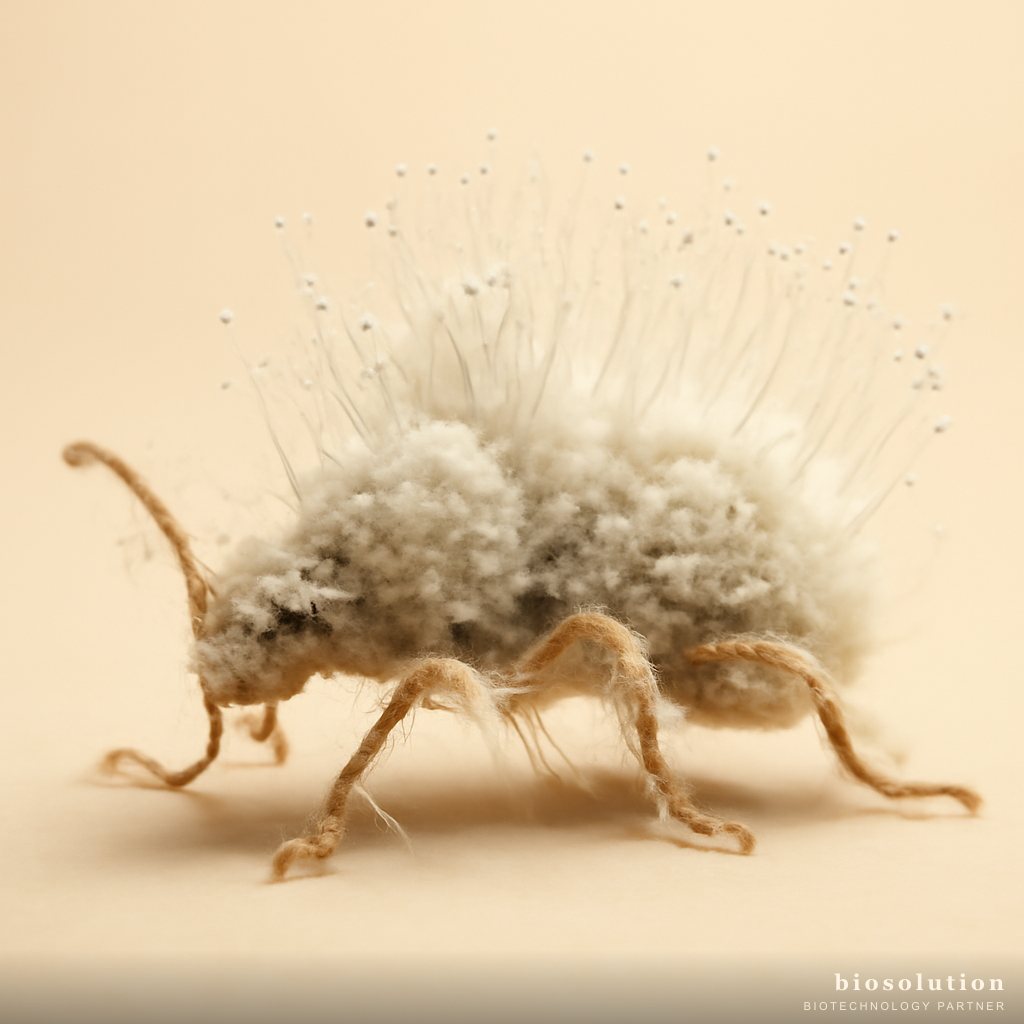
Once inside, the fungus grows rapidly forming mycelium that spreads throughout the tissues. Beauveria bassiana produces beauvericin, while Metarhizium anisopliae produces destruxin—toxins that paralyze the insect's immune and nervous systems.
Death and Secondary Sporulation
Pests die within 3-7 days, depending on species and environmental conditions. The mycelium then emerges from the carcass and produces new spores ready to infect other pests in the vicinity. This is called the epizootic effect, an advantage not possessed by chemical insecticides.
Efficacy Comparison: Broad-Spectrum Biological vs Synthetic Insecticides
Effectiveness Against Target Pests
Field trial data show that Broad-Spectrum Biological Insecticide Formula has 80-85% efficacy against various target pests. This figure is equivalent to synthetic insecticides from the pyrethroid and organophosphate groups at recommended doses. However, biological efficacy is cumulative—the more frequently applied, the higher the control level because the pathogen population in the field increases.
Pest Resistance
Synthetic insecticides often trigger resistance within a few growing seasons. In contrast, biological insecticides have a very low risk of resistance due to their multi-target mechanism of action (physical, enzymatic, and toxin penetration). Pests find it difficult to develop defenses against this simultaneous attack.
Impact on Natural Enemies
Broad-spectrum chemical insecticides are indiscriminate—they kill target pests as well as natural predators such as spiders, ground beetles, and parasitoids. Consequently, secondary pest outbreaks often occur. Broad-spectrum biological insecticides are relatively more selective; entomopathogenic fungi primarily infect insects, while predators and pollinators remain safe.
Food Safety and Environment
Synthetic insecticides leave residues on harvested products that are harmful to consumers and exports. Biological products, with a very short pre-harvest interval, ensure residue-free produce. This is an important selling point in the global market with increasingly stringent food safety standards.
Case Study: Effectiveness Across Various Commodities
Rice
In rice cultivation, application of Beauveria bassiana effectively controls brown planthoppers (Nilaparvata lugens) and stem borers. Meanwhile, Metarhizium anisopliae excels against rice weevils (Sitophilus oryzae). The combination of both in one formula provides comprehensive protection.
Leafy Vegetables (Cabbage, Mustard Greens, Spinach)
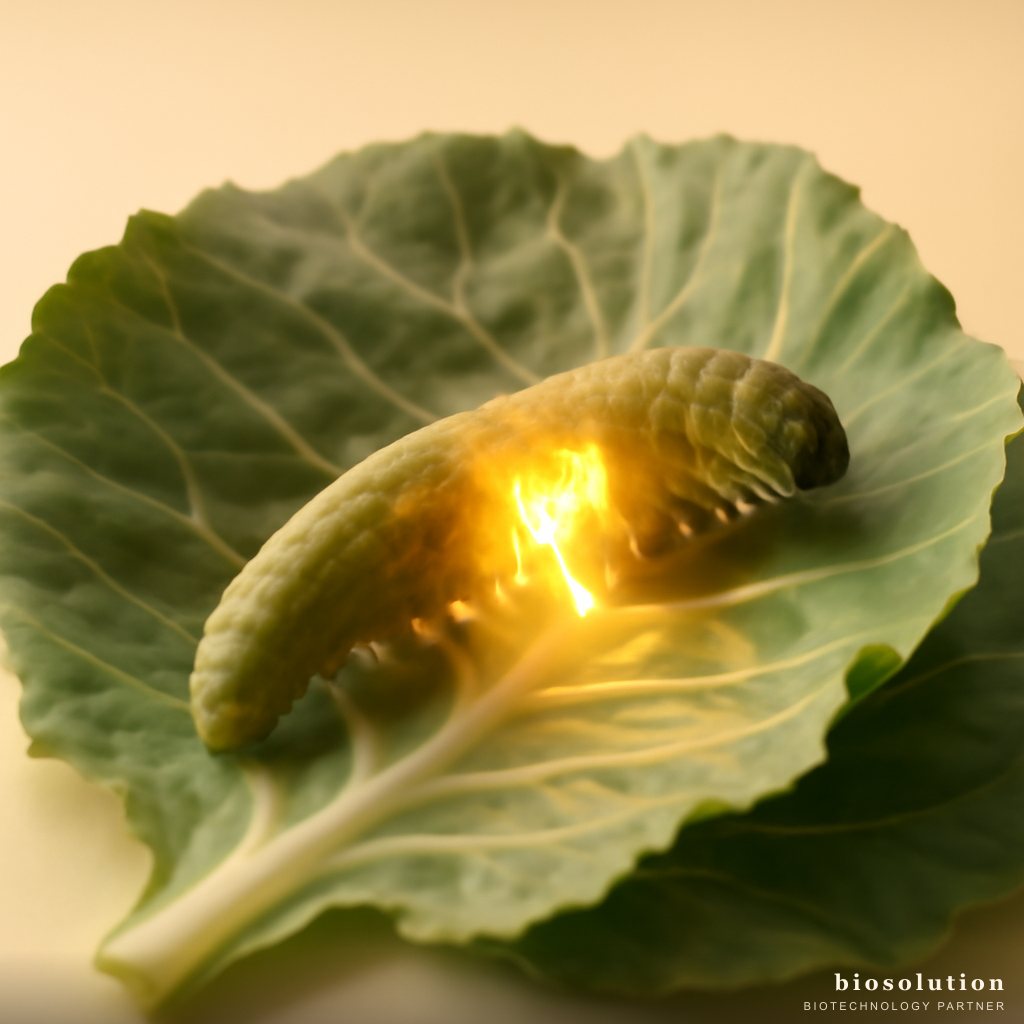
Major pests such as diamondback moth (Plutella xylostella) and cutworm (Agrotis ipsilon) can be suppressed by up to 85% with routine spraying every 7-10 days. No pesticide residues endanger consumers.
Horticulture (Chili, Tomato, Eggplant)
Aphids, thrips, and mites are effective targets. Application in the afternoon with high humidity increases spore infectivity.
Proper Application: Key to Success with Biological Insecticides
For optimal results, consider the following:
- Dosage: 2-3 ml per liter of water for liquid formulation, or 3-5 grams per liter for wettable powder (WP) formulation.
- Timing: Late afternoon (3:00-5:00 PM) when humidity >70% and temperature is not too hot.
- Frequency: Every 7-10 days when pest populations begin to increase, or as a preventive measure.
- Method: Spray evenly over the entire plant canopy until wet.
👉 Consult your specific land needs with the Biosolution team via WhatsApp for appropriate dosage and application schedule recommendations.
Conclusion
Broad-spectrum biological insecticides such as the Beauveria bassiana + Metarhizium anisopliae formula have proven to be a highly effective alternative to synthetic insecticides. With 80-85% efficacy, zero residue, and high compatibility with IPM, this product not only controls pests but also maintains the health of agricultural ecosystems. For safe and sustainable harvests, switch to biological insecticides. See the full product at Biological Pest Control Formula and feel free to contact us.
FAQ
1. Are biological insecticides safe for food crops?
Yes, very safe. This formula leaves no chemical residues on harvested products, so it can be applied up to harvest day. The product is also non-toxic to humans and pets.
2. How should biological insecticides be stored?
Store in a cool, dry place, away from direct sunlight. Ideal storage temperature is between 4-25°C. Do not freeze. The product in sealed packaging can last up to 6 months.
3. Can biological insecticides be mixed with chemical pesticides?
It is best not to mix directly with chemical fungicides as they can inhibit fungal growth. However, they can be applied alternately with chemical insecticides with a minimum interval of 3 days.
4. How long does it take to see the effect of biological insecticides?
Pests begin to die within 3-7 days after application, depending on species and environmental conditions. Maximum effect is seen in the second week due to secondary infection.
5. Is this product effective against all types of pests?
This product is broad-spectrum and effective against various soft-bodied insects and beetles. However, for certain pests like thrips or mealybugs, it may need to be combined with other methods according to IPM principles.