Coffee Berry Borer CBB: Integrated Monitoring and Control for Specialty Coffee
The coffee berry borer or Coffee Berry Borer (CBB), scientifically known as Hypothenemus hampei, is a major pest threatening the quality and quantity of specialty coffee production. CBB infestation not only reduces bean weight but also causes flavor defects that harm market value. Therefore, an integrated anti-coffee berry borer CBB strategy based on monitoring is key to successful premium coffee cultivation. This article discusses field monitoring techniques for CBB populations and control using biological agents to maintain coffee grade and ensure residue safety for export.
Understanding Hypothenemus hampei and Its Impact on Specialty Coffee
Hypothenemus hampei is a small beetle about 1.5 mm in size. Adult females bore into coffee berries to lay eggs. Larvae then feed on the coffee beans inside the berry, causing direct damage through bore holes and reducing physical quality and flavor. In specialty coffee, defect standards are very strict; the presence of a single bean damaged by CBB can significantly lower cupping scores. Economic losses due to CBB in Indonesia are estimated at billions of rupiah per year, especially during peak harvest seasons. Therefore, understanding the pest's life cycle and behavior is essential for implementing effective control strategies.
Monitoring CBB Populations: Traps, Scouting, and Thresholds
Routine monitoring is the first step that cannot be skipped. Without population data, control becomes speculative and inefficient. Here are three recommended methods:
1. Traps for Early Detection
Pheromone traps or color traps (red) can be used to monitor CBB presence. Traps are installed when berries begin to form, with a density of 1 trap per 100 trees. Inspect traps weekly to record the number of beetles caught. This data serves as an early indicator of population increase.
2. Scouting (Direct Inspection)
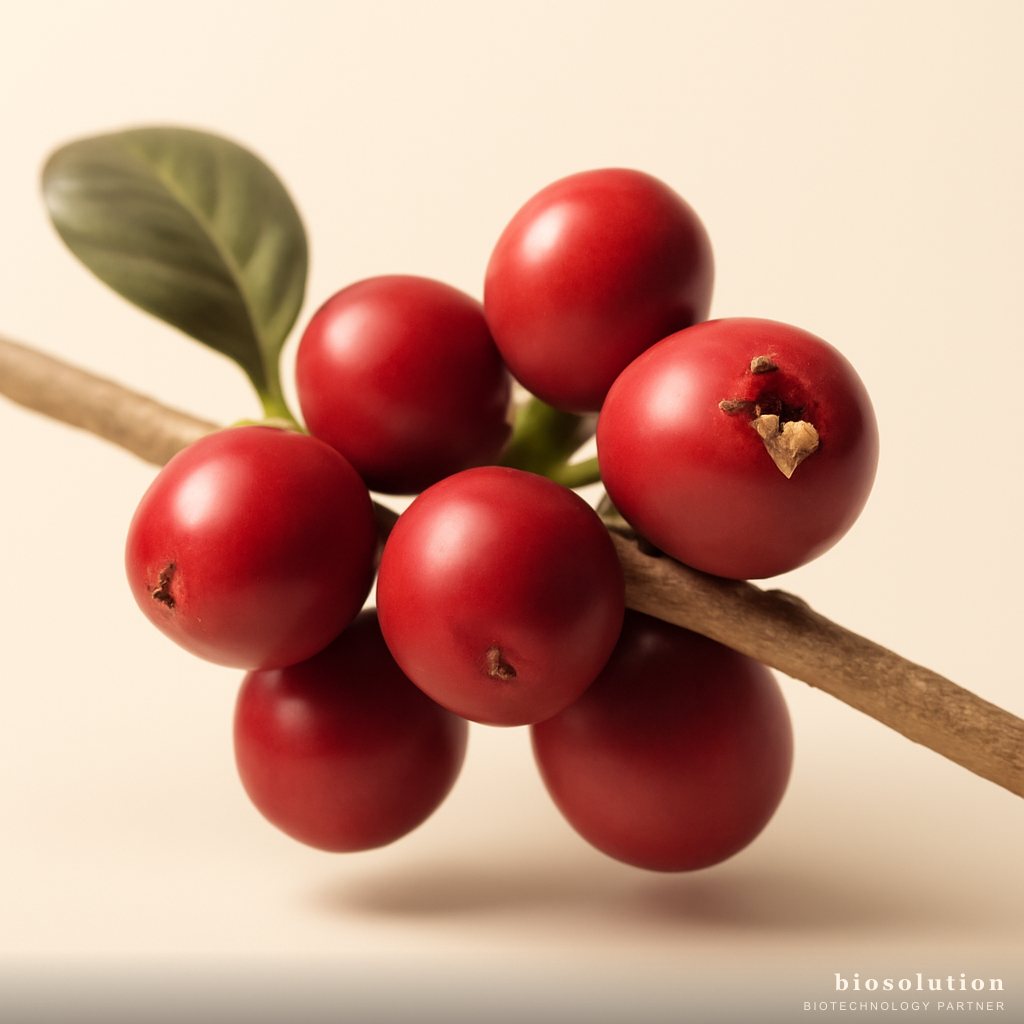
Scouting involves randomly sampling berries from infested trees. Check ripe or yellowing berries for bore holes. Take 10-20 berries per tree, then split them open to check for larvae or adults. Record the percentage of infested berries.
3. Threshold
The control threshold for CBB in specialty coffee is generally 2-5% infested berries during the green to red berry stage. If the percentage exceeds the threshold, immediate control action is needed. At low populations, preventive biological control can already be initiated.
Biological Control with Biosolution's Anti-Coffee Berry Borer Formula
Once monitoring shows the population approaching the threshold, applying biological agents is the right choice. Biosolution's Anti-Coffee Berry Borer Formula contains two superior entomopathogenic fungi: Beauveria bassiana and Metarhizium anisopliae. These fungi work synergistically:
- Beauveria bassiana infects CBB through direct contact with spores that adhere to the cuticle. The fungus then grows, penetrates the insect's body, and produces lethal toxins within 3-7 days.
- Metarhizium anisopliae excels in high humidity conditions and can infect larval and pupal stages inside the berry.
The combination increases control efficacy to over 80% with routine applications. This product is applied at a dose of 3 ml per liter of water, sprayed evenly over the entire coffee tree canopy during the green to red berry stage, every 14 days leading up to harvest. The best application time is in the afternoon to avoid UV light that can damage spores.
Advantages of Using Biological Agents for Specialty Coffee
Specialty coffee farmers pay close attention to quality and residue safety. Chemical insecticides often leave residues detectable in exports, besides killing natural enemies and damaging the ecosystem. In contrast, biological products like Anti-Coffee Berry Borer Formula offer several advantages:
- Residue-safe: Leaves no harmful residues on coffee beans, meeting export standards.
- Selective: Does not harm non-target insects such as pollinators and natural predators.
- Environmentally friendly: Easily degrades in nature and does not contaminate soil or water.
- Supports sustainable agriculture: Suitable for organic certification and Rainforest Alliance programs.
Integration with Other Cultivation Practices
CBB control cannot rely on a single method. Integrate with the following practices:
- Field sanitation: Pick all infested berries and dispose of them away from the field to break the life cycle.
- Pruning: Overly dense trees increase humidity, a condition favored by CBB. Prune to improve air circulation.
- Timely harvesting: Harvest red berries every 10-14 days to reduce CBB food sources.
- Use of natural enemies: Ants, predatory beetles, and parasitoids can help suppress populations.
With a combination of monitoring, sanitation, and biological agent application, farmers can keep CBB populations below the economic threshold.
Case Study: Field Effectiveness
In several coffee plantations in East Java, routine monitoring and application of the Anti-Coffee Berry Borer Formula successfully reduced the percentage of infested berries from 12% to 3% within one season. Farmers reported an increase in coffee grade to specialty grade with cupping scores above 84. Additionally, control costs were lower due to fewer re-applications.
Conclusion
Controlling Hypothenemus hampei in specialty coffee requires an integrated approach starting with accurate population monitoring using traps and scouting, and establishing control thresholds. Application of anti-coffee berry borer CBB biological products like Biosolution's Anti-Coffee Berry Borer Formula provides an effective, residue-safe, and sustainable solution. With disciplined monitoring and timely application, farmers can maintain the premium quality of Indonesian specialty coffee.
For further consultation on CBB control strategies in your field, contact the Biosolution technical team via WhatsApp. Get product recommendations tailored to your land conditions and coffee growth stage.
FAQ
What is the coffee berry borer CBB?
CBB (Coffee Berry Borer) is a major coffee pest, a small beetle (Hypothenemus hampei) that bores into berries and feeds on beans, causing quality damage and yield loss. Severe infestation can make beans unmarketable.
How to monitor CBB in the field?
Monitoring is done using pheromone traps or red traps placed in the field, as well as scouting by randomly inspecting berries. Calculate the percentage of infested berries to determine if control action is needed.
Is the Anti-Coffee Berry Borer Formula safe for specialty coffee?
Yes, this product is based on entomopathogenic fungi Beauveria bassiana and Metarhizium anisopliae, which leave no harmful residues. It is safe to apply up to near harvest and does not affect coffee flavor.
What is the correct application dose?
The recommended dose is 3 ml per liter of water, sprayed evenly over the entire coffee tree during the green to red berry stage. Repeat every 14 days leading up to harvest, preferably in the afternoon.
Is this product effective for all coffee varieties?
Yes, this product is effective for all coffee varieties, including Arabica, Robusta, and others. Effectiveness depends on application timing and weather conditions (avoid heavy rain after spraying).