Controlling Corn Fall Armyworm: 5 Proven Effective Anti-Fall Armyworm Formulas
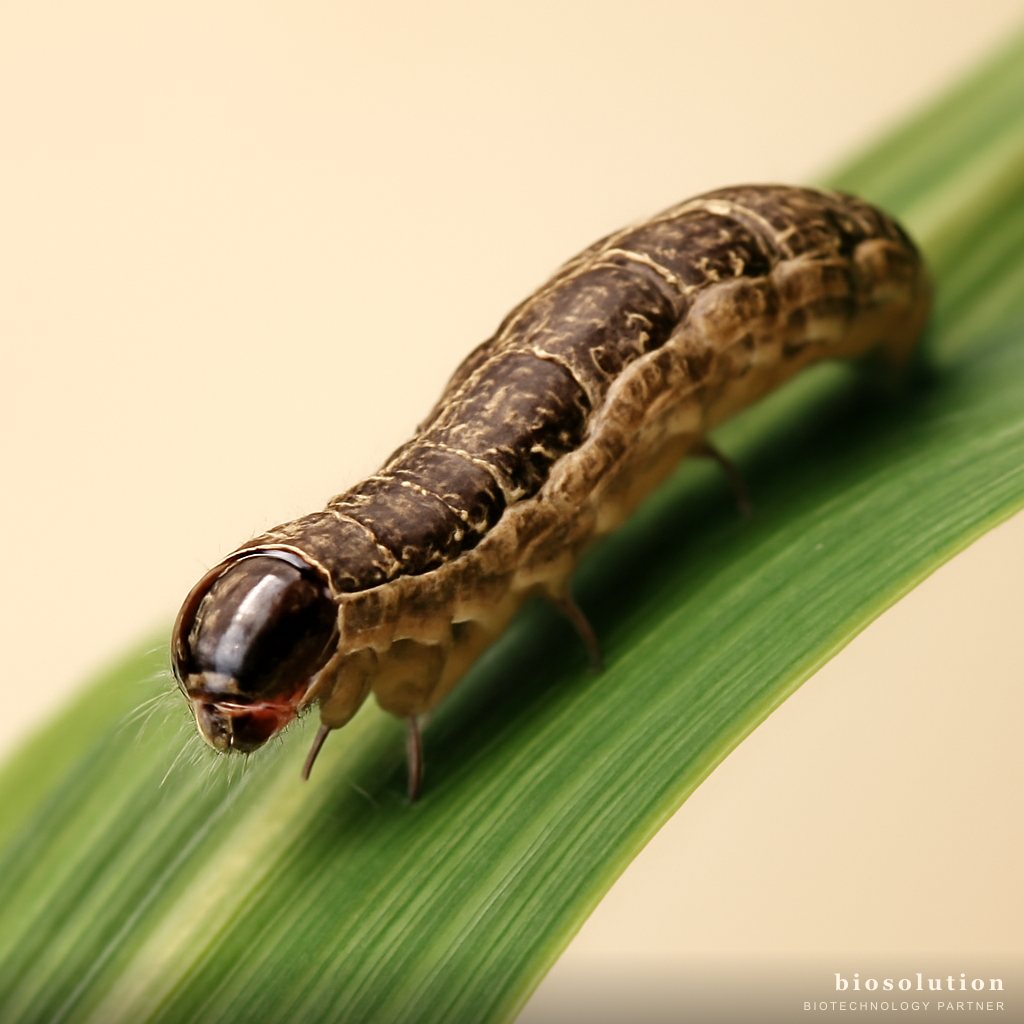
Fall armyworm (FAW) attacks on corn, caused by Spodoptera frugiperda, have become a scourge for corn farmers in Indonesia. This pest can damage plants from the vegetative to generative stages, causing yield losses of up to 50% if not controlled. However, the good news is that there is now a biological solution proven effective in suppressing FAW populations by up to 80%. In this article, we will discuss strategies for controlling corn fall armyworm using entomopathogenic microbe-based anti-fall armyworm formulas, complete with a case study from a plantation that successfully implemented them.
Why Is Corn Fall Armyworm Difficult to Control?
Fall armyworm has a fast life cycle and high reproductive capacity. A single female can lay up to 1,000 eggs. Eggs are laid in clusters on the leaf surface, and newly hatched larvae immediately feed on leaf tissue. Within 14-21 days, larvae develop into pupae and then adults ready to mate. This short cycle causes populations to explode in a short time.
Additionally, FAW is polyphagous, meaning it can feed on various host plants besides corn, such as rice, sorghum, and grasses. The migratory ability of adult moths, which can fly up to 100 km per night, also facilitates pest spread to new areas. Chemical control often fails due to resistance and negative impacts on natural enemies.
Anti-Fall Armyworm Formula: Bacillus thuringiensis and Beauveria bassiana
Biosolution presents the Anti-Fall Armyworm Formula for Rice & Corn, containing two superior microbes: Bacillus thuringiensis (Bt) and Beauveria bassiana. Both work synergistically to control FAW larvae and pupae.
Bacillus thuringiensis: Larva-Specific Toxin
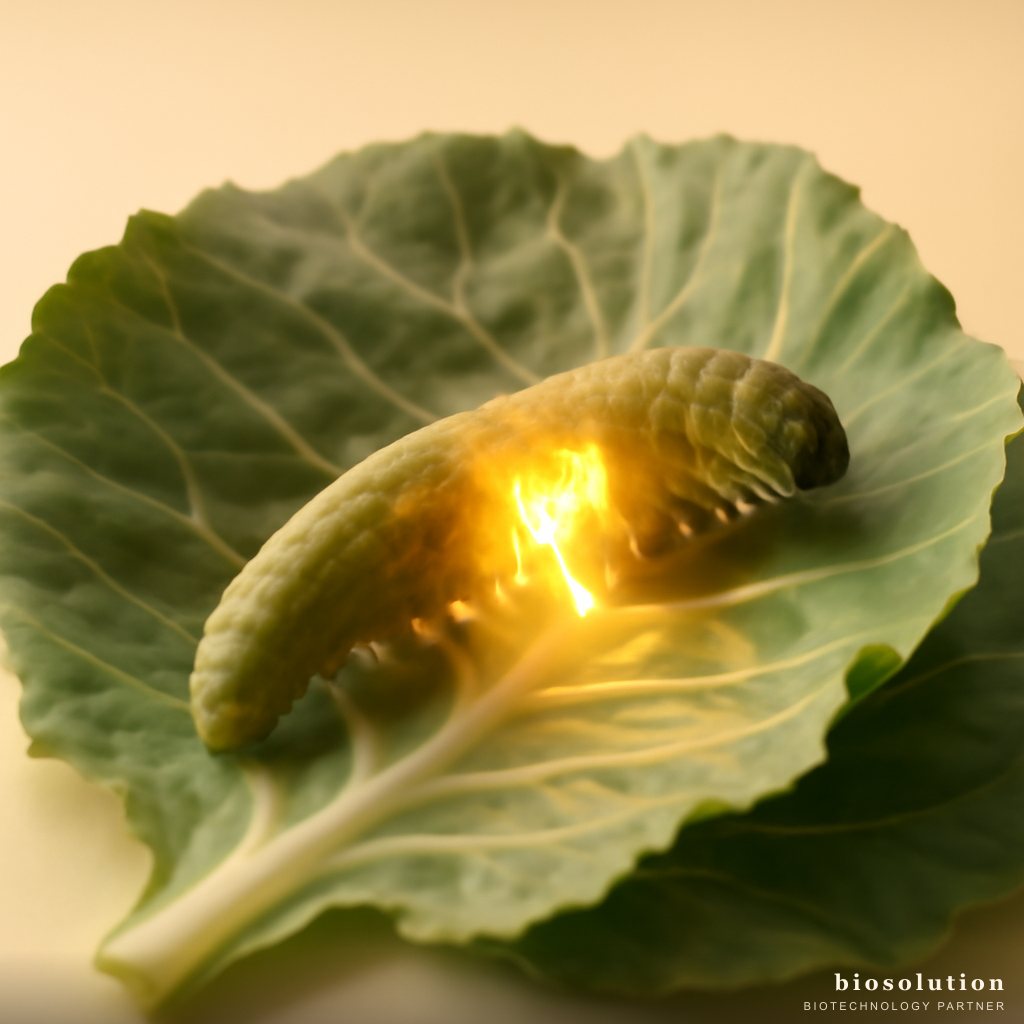
Bacillus thuringiensis is a soil bacterium that produces protein crystals (δ-endotoxin) during sporulation. When FAW larvae feed on leaves sprayed with Bt, the protein crystals dissolve in the alkaline larval gut, releasing toxins that damage the gut wall. Larvae stop feeding within hours and die within 2-3 days. The advantage of Bt is that it is specific to Lepidoptera larvae, harmless to non-target insects, and environmentally friendly.
Beauveria bassiana: Entomopathogenic Fungus
Beauveria bassiana is a fungus that infects insects through direct contact. Fungal spores attach to the larval or pupal cuticle, then germinate and penetrate the host's body. Inside the body, the fungus grows and produces beauvericin toxin, causing death. Additionally, fungal mycelia emerge from the host's body and produce new spores to infect other insects. Beauveria bassiana is effective against FAW larvae and pupae, thus breaking the pest's life cycle.
Proper Application: The Key to Success
The success of biological control heavily depends on the application method. Based on product data, the recommended dosage is 3 ml per liter of water, sprayed on egg masses and young larvae. Application frequency is every 5-7 days, especially during critical corn growth stages. The best time is in the afternoon, when temperatures are lower and humidity is higher, making Beauveria bassiana spores more stable and larval activity increased.
Correct Application Method
- Identify attack points: Regularly inspect corn plants, especially young leaves and stem bases. FAW eggs are usually laid in clusters on the underside of leaves.
- Spray evenly: Direct the nozzle at egg masses and young larvae. Ensure the solution reaches the underside of leaves.
- Repeat as scheduled: Because eggs hatch gradually, repeated applications are needed to control new generations.
Case Study: Corn Plantation Successfully Suppresses FAW by 80%
A 50-hectare corn plantation in East Java experienced severe FAW attacks in the previous planting season. Farmers complained about ineffective and expensive chemical insecticides. In the following planting season, they applied Biosolution's Anti-Fall Armyworm Formula at a dosage of 3 ml/L every 5 days for 4 weeks.
As a result, the FAW larval population dropped drastically by up to 80% within the first 2 weeks. Corn plants grew healthily without significant damage. Productivity increased by 25% compared to the previous season. Farmers also reported an increase in natural enemy populations such as spiders and predatory beetles. Pest control costs decreased by 40% because they no longer needed to buy chemical insecticides.
Advantages of Biosolution's Anti-Fall Armyworm Formula
- Effective: Controls FAW and other armyworms such as Spodoptera litura.
- Safe: Non-toxic to humans, animals, and plants. Leaves no harmful residues on corn.
- Environmentally Friendly: Does not kill natural enemies, thus maintaining ecosystem balance.
- Does Not Trigger Resistance: Dual mode of action (Bt toxin and fungal infection) makes it difficult for pests to develop resistance.
- Easy to Use: Ready-to-use formulation, just mix with water and spray.
Conclusion
Controlling corn fall armyworm biologically is not only possible but also effective and sustainable. Biosolution's Anti-Fall Armyworm Formula containing Bacillus thuringiensis and Beauveria bassiana has been proven to suppress FAW populations by up to 80% in real-world case studies. With proper and consistent application, farmers can reduce dependence on chemical insecticides, save costs, and increase crop yields. For more information or consultation, contact the Biosolution team via WhatsApp or visit the product pages Anti-Fall Armyworm Formula and Caterpillar & Borer Control Formula (Bt).