Controlling Fall Armyworm in Corn with Biological Formula: Efficacy Comparison vs Synthetic Insecticides
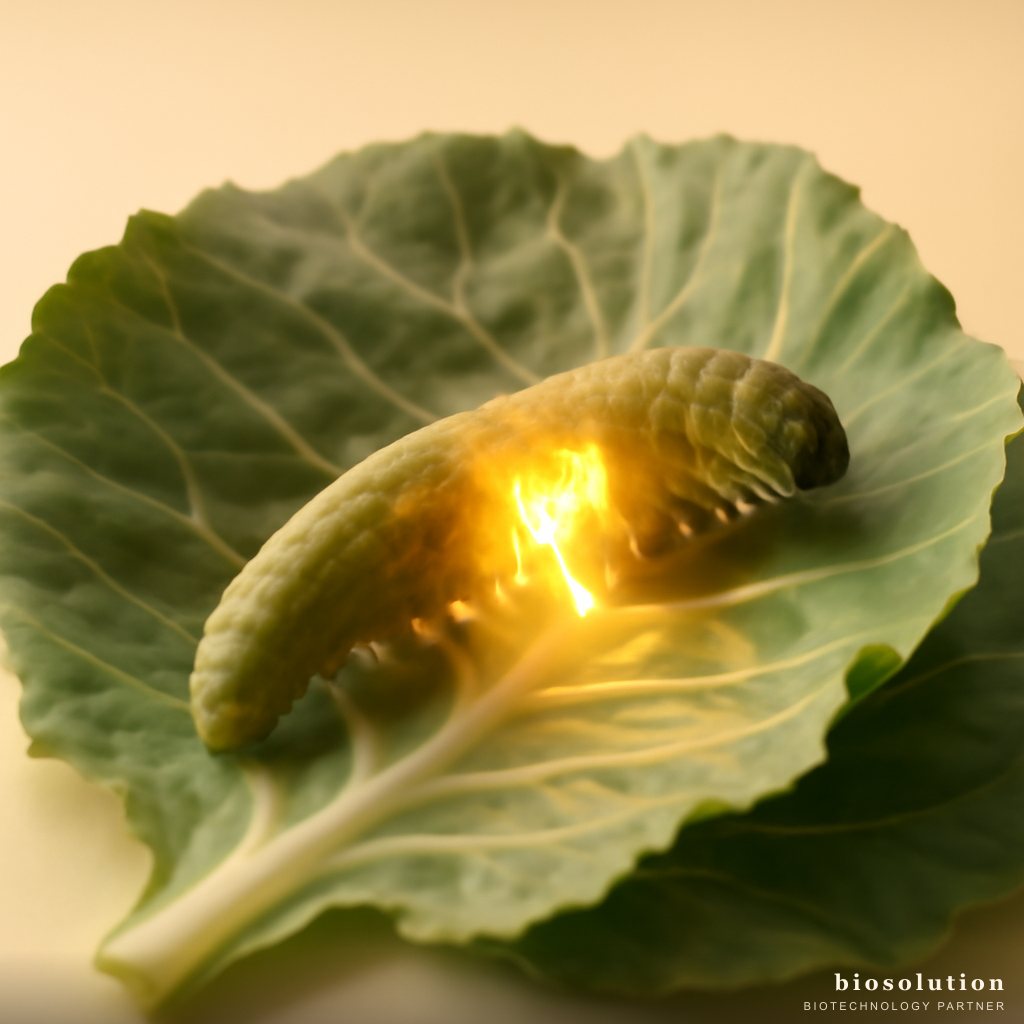
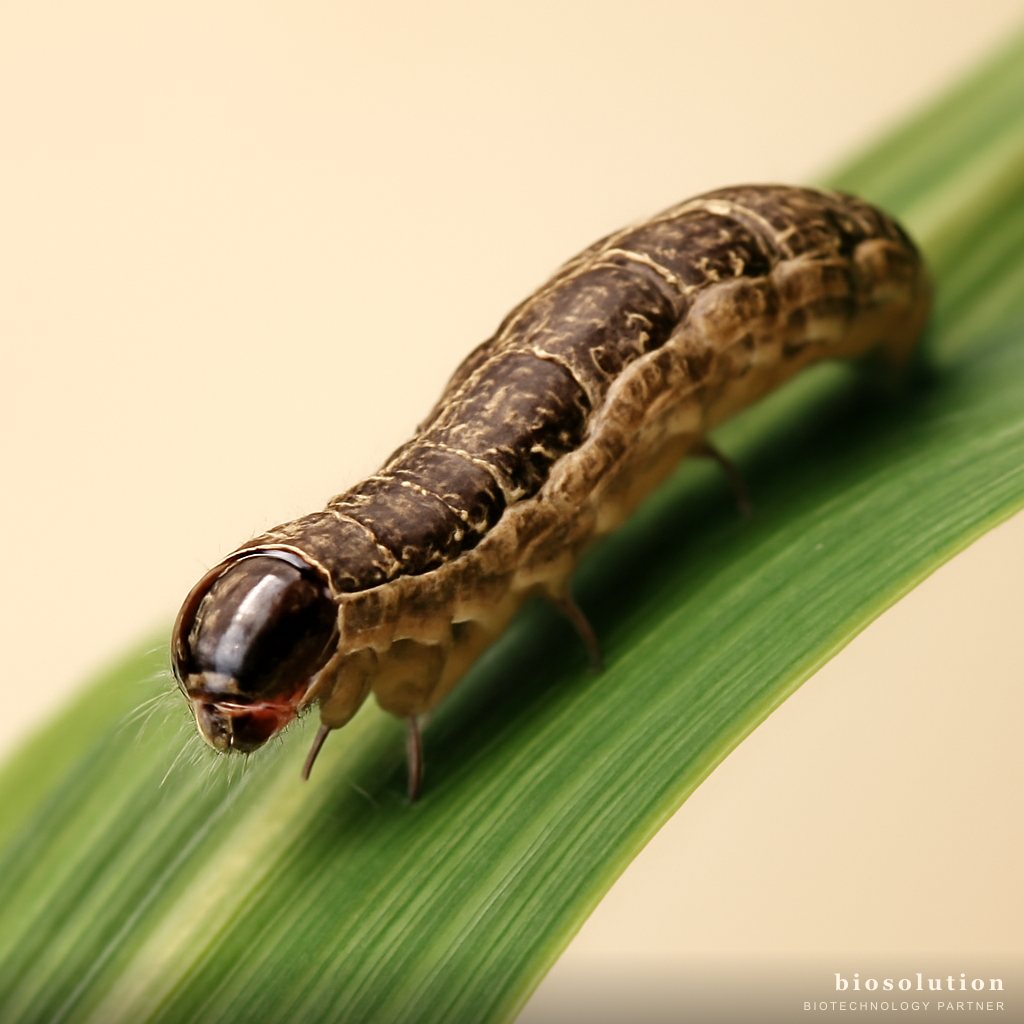
Fall armyworm (Spodoptera frugiperda, FAW) attacks have become a scourge for corn farmers in Indonesia. This invasive pest can reduce yields by up to 60% if not controlled. Many farmers rely on synthetic insecticides, but resistance and environmental impacts are serious issues. The good news is that controlling fall armyworm can now be done biologically with Biosolution's Anti-FAW Formula for Rice & Corn. This article explores the efficacy comparison between a biological formula based on Bacillus thuringiensis and Beauveria bassiana and conventional chemical insecticides.
Why is Fall Armyworm (FAW) Difficult to Control?
FAW has a fast life cycle, high migration ability, and is polyphagous (feeds on many plants). Early instar larvae hide in the growing point, making them hard to reach with sprays. Continuous use of synthetic insecticides triggers resistance. In the Americas, some FAW populations have become resistant to pyrethroids and organophosphates. Therefore, a smarter approach is needed: biological control targeting vulnerable pest stages.
Anti-FAW Formula for Rice & Corn: Dual Mechanism of Action
This formula combines two superior biological agents:
- Bacillus thuringiensis (Bt): This bacterium produces protein crystals (δ-endotoxins) that are specifically toxic to Lepidoptera larvae. Once ingested, the crystals dissolve in the larval gut, activating toxins that perforate the gut wall, causing larvae to stop feeding and die within 24-48 hours.
- Beauveria bassiana: This entomopathogenic fungus infects larvae and pupae through contact. Spores germinate, penetrate the cuticle, and grow inside the pest's body, producing lethal toxins. Its advantage is that it remains effective under high humidity conditions.
The combination provides attack from two sides: oral and contact. Application dose is 3 ml per liter of water, sprayed on egg masses and young larvae every 5-7 days in the afternoon.
Efficacy Comparison: Biological Formula vs Synthetic Insecticides
Control Effectiveness
- Synthetic insecticides: Have a quick knock-down effect, but resistance can emerge within a few seasons. Research shows effectiveness drops drastically after repeated use.
- Biological formula: Slower effect (1-3 days), but consistent and does not trigger resistance. Multi-target mechanism (Bt toxin and fungal infection) makes it difficult for pests to adapt.
Environmental and Health Safety
- Synthetic insecticides: Toxic to non-target insects, birds, and aquatic life. Residues can persist in soil and plants. Farmers risk acute and chronic poisoning.
- Biological formula: Safe for natural enemies, pollinators, and humans. Leaves no harmful residues. Suitable for sustainable agriculture.
Impact on Ecosystem
- Synthetic: Kills natural predators (e.g., spiders, beetles), causing secondary pest outbreaks.
- Biological: Supports natural enemy populations. Beauveria bassiana can also infect other pests like stem borers.
Long-term Cost
- Synthetic: Low cost per application, but costs increase due to resistance (higher doses, more frequent applications).
- Biological: Slightly higher initial cost, but long-term effectiveness reduces total applications. No investment needed to overcome resistance.
Case Study: Application of Biological Formula on Corn
In the field, farmers using Anti-FAW Formula for Rice & Corn reported an 80% reduction in FAW populations after two applications. Early instar larvae died before damaging the growing point. Corn plants grew healthy with no damage symptoms. In comparison, plots using synthetic insecticides showed reinfestation after 1 week.
Practical Steps for Using Biological Formula
- Identification: Monitor plants from early vegetative stage. Look for egg masses and small larvae on leaves.
- Targeted spraying: Aim at the growing point and lower leaf surfaces. Best time is late afternoon (temperature drops, humidity rises).
- Rotation: To prevent resistance, alternate with other products such as Caterpillar & Borer Control Formula (Bt) which also contains Bt but a different strain.
- Integration: Combine with pheromone traps, natural enemies (egg parasitoid Trichogramma), and field sanitation.
FAQ
What is fall armyworm (FAW)?
FAW (Spodoptera frugiperda) is an invasive pest from the Americas that attacks corn, rice, and over 300 other plants. Larvae damage leaves, growing points, and ears.
Is the biological formula safe for plants and the environment?
Yes. Bacillus thuringiensis and Beauveria bassiana are specific to target pests, non-toxic to humans, animals, and beneficial insects like bees.
How long does it take to see the effect of the biological formula?
Larvae stop feeding within 24 hours after application, and death occurs within 2-4 days. Optimal effect if applied when larvae are still small.
Can the biological formula be mixed with other pesticides?
Avoid mixing with fungicides containing copper or sulfur as they can inhibit fungal spores. Consult a Biosolution expert for compatibility.
Where can I buy Anti-FAW Formula for Rice & Corn?
The product is available at partner agricultural stores or directly via WhatsApp consultation. Also get the complete FAW control guide from Biosolution.
Conclusion
Controlling fall armyworm does not always have to rely on synthetic insecticides. Anti-FAW Formula for Rice & Corn offers an effective, safe, and sustainable biological solution. With the dual mechanism of Bacillus thuringiensis and Beauveria bassiana, resistance can be suppressed, the environment protected, and yields optimized. Switch to biological control for a better agricultural future.
Consult your needs with the Biosolution team via WhatsApp for product recommendations and proper application techniques.