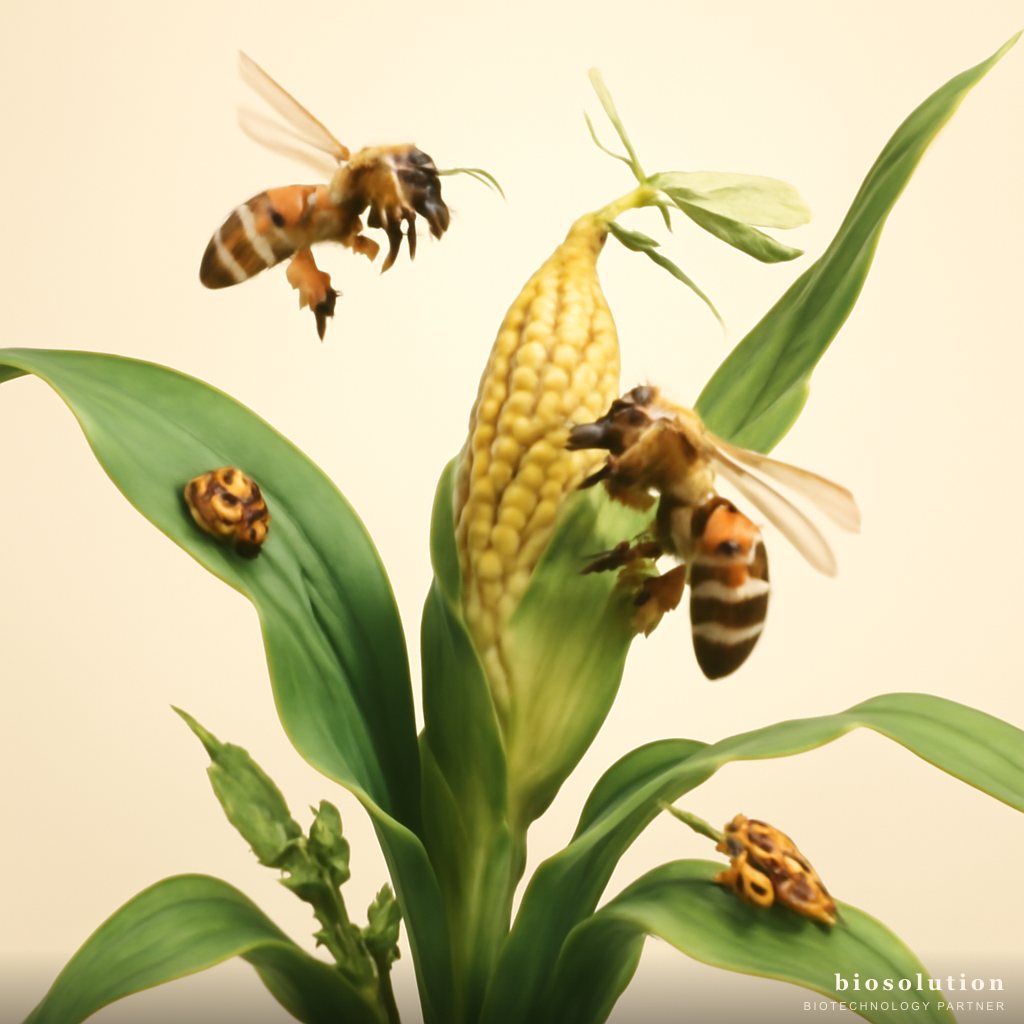
Eco-Friendly Biopesticide: Case Study of Plantation Successfully Suppressing Pests by 80%
Sustainable agriculture demands effective pest control methods without damaging the ecosystem. Eco-friendly biopesticides are the answer to this need. Unlike chemical pesticides that leave harmful residues, biopesticides based on entomopathogenic microbes can naturally suppress pest populations. In this case study, a vegetable plantation in West Java successfully reduced pest attacks by 80% in just two growing cycles using Biosolution's Broad-Spectrum Biological Insecticide Formula. How did they do it? Read the full review.
Why Are Eco-Friendly Biopesticides Important for Sustainable Agriculture?
Sustainable agriculture is not only about productivity but also environmental preservation and human health. Continuous use of chemical pesticides has been proven to cause pest resistance, soil and water pollution, and health issues for farmers. This is where eco-friendly biopesticides play a crucial role.
Biopesticides are pest control products derived from natural sources, such as microbes, plants, or minerals. Their main advantages are:
- High selectivity: only target pests, do not harm beneficial insects like bees and natural predators.
- Rapid degradation: do not leave harmful residues on crops or the environment.
- Compatible with Integrated Pest Management (IPM): can be integrated with other methods such as natural enemies and cultural practices.
Biosolution products, especially the Broad-Spectrum Biological Insecticide Formula, are designed to meet these principles. Containing Beauveria bassiana and Metarhizium anisopliae, this product offers high efficacy of 80–85% against various insect pests, while being safe for workers and the environment.
Case Study: Vegetable Plantation in West Java
Background and Pest Problems
A 5-hectare vegetable plantation in Lembang, West Java, had been experiencing major pest attacks over the past two years, including leaf caterpillars (Spodoptera litura), leaf beetles (Phaedon brassicae), and grasshoppers. Farmers previously relied on synthetic chemical pesticides, but their effectiveness drastically decreased due to resistance. Production costs soared because applications had to be done every 3–4 days. Harvests were often rejected by the market due to pesticide residues exceeding thresholds.
Application of Biosolution's Biological Formula
At the start of the 2024 planting season, farmers decided to switch to eco-friendly biopesticides. They used Biosolution's Broad-Spectrum Biological Insecticide Formula at a dose of 3 ml per liter of water. Applications were made every 7 days in the afternoon when humidity was high (RH > 70%). Thorough spraying onto the plant canopy ensured that microbial spores optimally adhered to pest bodies.
Results and Analysis
After 8 weeks of application, monitoring results showed:
- Pest population reduction: 80% lower compared to control plots still using chemical pesticides.
- Increased crop yield: production increased by 30% due to significantly reduced leaf damage.
- Harvest quality: free from chemical residues, resulting in higher selling prices (organic premium).
Farmers also reported that populations of natural enemies such as spiders and predatory beetles increased again, indicating ecosystem recovery in the plantation.
Mechanism of Action of Beauveria bassiana and Metarhizium anisopliae
The success of this eco-friendly biopesticide is inseparable from the mechanism of action of the two entomopathogenic fungi it contains.
Beauveria bassiana
Beauveria bassiana is a fungus that infects insects through direct contact. Spores that attach to the insect's cuticle germinate and produce protease and chitinase enzymes that dissolve the cuticle layer. Hyphae then penetrate the insect's body and grow inside the hemolymph, producing beauvericin toxin that paralyzes the immune system. The insect dies within 3–7 days, and under humid conditions, mycelium emerges on the body surface and produces new spores to infect other insects.
Metarhizium anisopliae
Metarhizium anisopliae works similarly but is more effective against beetles and soil caterpillars. This fungus produces strong chitinase and protease enzymes, as well as destruxin toxin that accelerates insect death. After the insect dies, mycelium spreads and sporulation occurs on the carcass, creating a secondary infection cycle that expands the control area.
The combination of these two strains in one formula provides a broad control spectrum, covering pests from the orders Lepidoptera, Coleoptera, and Orthoptera. A minimum spore density of 10⁶ CFU/ml for each strain ensures consistent infectivity.
Advantages of Biosolution's Broad-Spectrum Biological Insecticide Formula
This product has several advantages that make it a top choice for farmers:
- Efficacy 80–85%: Field trial data show pest suppression levels equivalent to chemical pesticides, without the risk of long-term resistance.
- Zero residue: Leaves no residues on harvested crops, making them safe for consumption and meeting export standards.
- Compatible with IPM: Can be used together with other biological agents, traps, or botanical insecticides.
- Safe for workers and the environment: Does not cause skin irritation or poisoning to applicators, and does not contaminate soil or water.
Easy application: simply mix 2–3 ml per liter of water (or 3–5 g/L if in WP form), spray evenly over all plant parts in the afternoon. Application frequency every 7–10 days when pest populations begin to increase.
Practical Steps to Adopt Eco-Friendly Biopesticides
For farmers who want to switch to eco-friendly biopesticides, here are steps to follow:
- Identify dominant pests: Recognize the types of pests attacking your plants. Biosolution products are suitable for common insect pests such as caterpillars, beetles, and grasshoppers.
- Monitor pest populations: Conduct regular observations; apply biopesticides when pest populations start to increase, not after an outbreak.
- Prepare clean spray equipment: Ensure the spray tank is free from chemical pesticide residues that could inhibit fungal spores.
- Apply at the right time: Afternoon with high humidity (>70%) provides optimal conditions for spore germination.
- Integrate with IPM practices: Combine with crop rotation, use of trap plants, and conservation of natural enemies.
Conclusion
The case study of a vegetable plantation in West Java proves that eco-friendly biopesticides can suppress pests by up to 80% while supporting sustainable agriculture. Biosolution's Broad-Spectrum Biological Insecticide Formula, containing Beauveria bassiana and Metarhizium anisopliae, offers an effective, safe, and residue-free solution. By adopting this product, farmers not only increase productivity but also maintain ecosystem health and meet market demands for healthy food. For more information or technical consultation, contact the Biosolution team via WhatsApp or visit the product page Biological Pest Control Formula.